A Complete Guide to Sch 80 Carbon Steel Elbow Specifications
In the world of mechanical channeling frameworks, understanding the determinations of components is pivotal for guaranteeing security, productivity, and life span. Among these components, Sch 80 carbon steel elbows play an imperative part in coordinating flow and overseeing pressure in different applications. This comprehensive direct dive into the complexities of Sch 80 carbon steel elbow details giving industry experts and devotees profitable experiences. From divider thickness and weight evaluations to measurement measures and applications in high-pressure frameworks, we'll investigate each perspective of these strong fittings. By the conclusion of this direct, you'll have an in-depth understanding of Sch 80 carbon steel elbows and their importance in mechanical forms, enabling you to make educated choices in your ventures and applications.

Understanding Wall Thickness and Pressure Ratings
Defining Sch 80 Wall Thickness
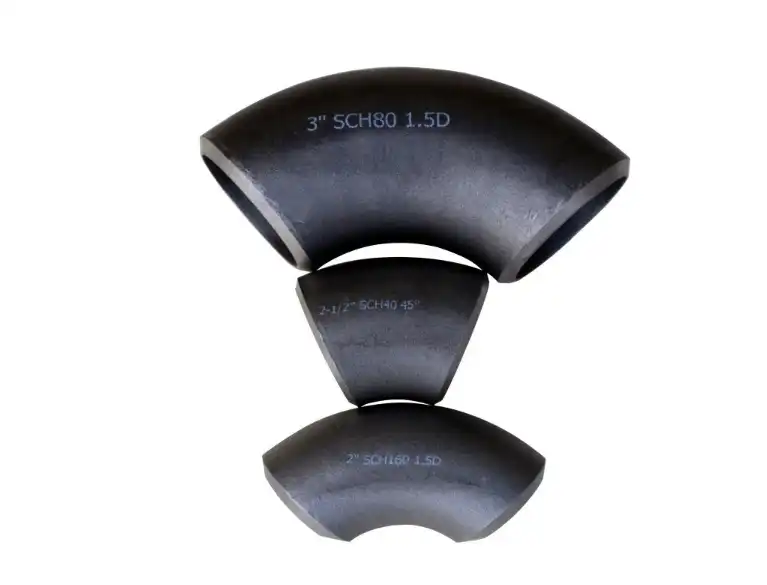
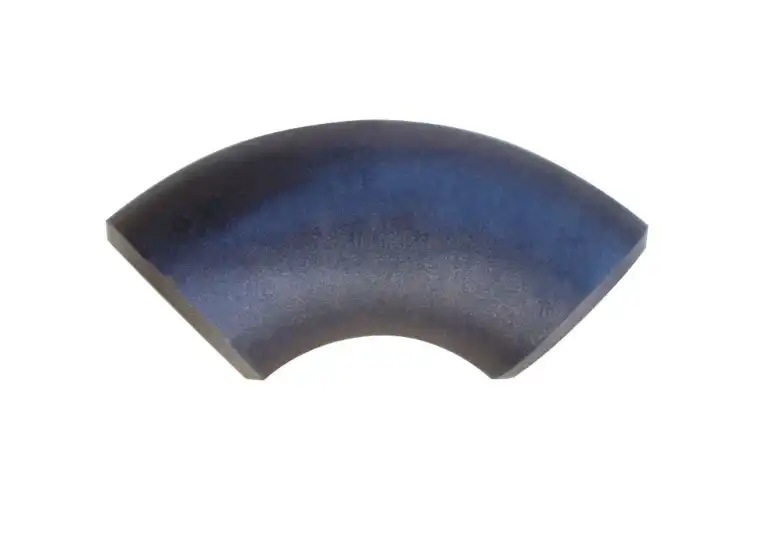
Sch 80 carbon steel elbows are characterized by their thicker dividers compared to standard pipe fittings. The divider thickness of Sch 80 elbows is carefully built to withstand higher weights and give expanded strength in demanding situations. For instance, a 2-inch Sch 80 carbon steel elbow ordinarily has a divider thickness of 0.218 inches, altogether thicker than its Sch 40 partner. This expanded thickness translates to upgraded quality and life span, making Sch 80 elbows perfect for applications where unwavering quality is fundamental. The strong development of these elbows guarantees they can handle the rigors of high-pressure frameworks without compromising on execution or safety.
Pressure Ratings and Their Significance
The weight rating of Sch 80 carbon steel elbows is a basic figure in their design and choice. These fittings are outlined to withstand higher inner weights compared to standard plan fittings. For example, a 2-inch Sch 80 carbon steel elbow can ordinarily handle weights up to 3,000 PSI at room temperature, which is considerably higher than the rating for Sch 40 elbows. This higher weight rating makes Sch 80 elbows reasonable for utilize in high-pressure pipelines, chemical processing plants, and other demanding mechanical applications. Understanding these weight appraisals is fundamental for engineers and originators to guarantee the security and effectiveness of channeling frameworks, especially in situations where weight fluctuations are common.
Temperature Considerations
While Sch 80 carbon steel elbows are known for their high-pressure capabilities, it's imperative to consider the effect of temperature on their execution. As temperatures increase, the most extreme admissible working weight of the elbow diminishes. For example, a Sch 80 carbon steel elbow appraised for 3,000 PSI at room temperature may in it were be reasonable for 2,500 PSI at 400°F. This temperature-pressure relationship is significant in applications where both tall weights and hoisted temperatures are shown. Engineers must carefully consider these components when indicating Sch 80 carbon steel elbows to guarantee they meet the operational necessities of the framework, while keeping up an adequate safety margin. Appropriate consideration of temperature impacts makes a difference in anticipating fabric disappointment and guarantees the life span of the channeling system.
Dimension and Weight Standards According to ASME B16.9
Dimensional Specifications
ASME B16.9 is the industry standard that administers the dimensional details of Sch 80 carbon steel elbows. This standard guarantees consistency and tradable over producers. For Sch 80 carbon steel elbows, the measurements incorporate the exterior breadth, divider thickness, and center-to-end estimations. These determinations are vital for legitimate fit and work within a channeling framework. For example, a 3-inch Sch 80 carbon steel elbow has an indicated exterior distance across of 3.5 inches and a divider thickness of 0.3 inches. Following these standardized measurements permits consistent integration with other components in the channeling framework, diminishing the risk of spills or disappointments due to improper fit.
Weight Considerations
The weight of Sch 80 carbon steel elbows is an imperative calculation in framework planning and installation. Due to their thicker dividers, these elbows are heavier than their Sch 40 partners. For example, a 4-inch Sch 80 carbon steel elbow ordinarily weighs around 11 pounds, compared to almost 7 pounds for a Sch 40 elbow of the same estimate. This expanded weight must be considered in the by and large framework plan, especially when it comes to back structures and handling during installation. The heavier weight of Sch 80 elbows contributes to their toughness and pressure-bearing capacity, but moreover requires more vigorous back frameworks to guarantee appropriate establishment and long-term performance.
Tolerances and Quality Control
ASME B16.9 also indicates the admissible resiliences for Sch 80 carbon steel elbows. These resiliences guarantee that the fittings meet the required details to a worthy extent. For illustration, the standard may permit a resistance of ±0.03 inches on the divider thickness of a Sch 80 carbon steel elbow. Following these resistances is significant for keeping up the astuteness and execution of the channeling framework. Producers of Sch 80 carbon steel elbows, such as Cangzhou Oudi Pipe Fabricate Co., Ltd., execute thorough quality control measures to guarantee their items meet or surpass these guidelines. This incorporates comprehensive assessment forms, nondestructive testing, and adherence to ISO 9001:2000 quality administration frameworks, guaranteeing that each Sch 80 carbon steel elbow meets the exacting necessities of ASME B16.9.
Applications in High-Pressure Systems and Industrial Processes
Oil and Gas Industry Applications
Sch 80 carbon steel elbows are broad utilized in the oil and gas industry, where high pressures and destructive situations are common. These strong fittings are vital components in pipelines that transport unrefined oil, natural gas, and refined petroleum products. Their thick dividers and high-pressure evaluations make them perfect for withstanding the extraordinary conditions frequently experienced in seaward boring operations and long-distance transport pipelines. For example, in a common gas preparation plant, Sch 80 carbon steel elbows might be utilized in the high-pressure areas of the office, where they can dependably handle pressures surpassing 2,000 PSI. The toughness of these elbows guarantees negligible downtime and upkeep, which is essential in the ceaseless operations of oil and gas facilities.
Chemical Processing Plants
Chemical processing plants rely heavily on Sch 80 carbon steel elbows for their high-pressure and high-temperature applications. These fittings are used in reactors, distillation columns, and other critical equipment where maintaining system integrity is paramount. The superior strength of Sch 80 carbon steel elbows allows them to withstand the corrosive nature of many chemical processes while maintaining their structural integrity under high pressures. For example, in a petrochemical plant producing ethylene, Sch 80 carbon steel elbows might be employed in the high-pressure cracking unit, where temperatures can exceed 1500°F, and pressures can reach 3,000 PSI. The ability of these elbows to perform reliably under such extreme conditions makes them an indispensable component in chemical processing operations.
Power Generation and Steam Systems
In power generation facilities and industrial steam systems, Sch 80 carbon steel elbows play a crucial role in managing high-pressure steam flows. These elbows are commonly used in boiler systems, steam turbines, and heat exchangers where they must withstand both high pressures and elevated temperatures. The thick walls of Sch 80 carbon steel elbows provide excellent resistance to erosion caused by high-velocity steam flow, ensuring long-term reliability. In a typical coal-fired power plant, for instance, these elbows might be used in the main steam lines operating at pressures up to 2,400 PSI and temperatures around 1000°F. The ability of Sch 80 carbon steel elbows to maintain their integrity under these extreme conditions is essential for the safe and efficient operation of power generation facilities.
Conclusion
In conclusion, Sch 80 carbon steel elbows are indispensable components in high-pressure industrial systems, offering superior strength, durability, and reliability. Their thick walls and adherence to ASME B16.9 standards ensure consistent performance across a wide range of demanding applications. From oil and gas pipelines to chemical processing plants and power generation facilities, these robust fittings play a crucial role in maintaining system integrity and efficiency. As industrial processes continue to push the boundaries of pressure and temperature, the importance of high-quality Sch 80 carbon steel elbows, like those manufactured by Cangzhou Oudi Pipe Manufacture Co., Ltd., cannot be overstated. For more information or inquiries, please contact us at oudi-04@oudiguandao.com.
FAQ
Q: What is the main difference between Sch 80 and Sch 40 carbon steel elbows?
A: Sch 80 elbows have thicker walls, allowing them to withstand higher pressures compared to Sch 40 elbows.
Q: How does temperature affect the pressure rating of Sch 80 carbon steel elbows?
A: As the temperature increases, the maximum allowable working pressure of the elbow decreases.
Q: What standard governs the dimensional specifications of Sch 80 carbon steel elbows?
A: ASME B16.9 is the industry standard that governs the dimensional specifications of these elbows.
Q: Why are Sch 80 carbon steel elbows preferred in high-pressure applications?
A: Their thicker walls provide increased strength and durability, making them suitable for high-pressure environments.
Q: In which industries are Sch 80 carbon steel elbows commonly used?
A: They are widely used in oil and gas, chemical processing, and power generation industries.
References
1. American Society of Mechanical Engineers. (2018). ASME B16.9-2018: Factory-Made Wrought Buttwelding Fittings.
2. Smith, J. R. (2019). High-Pressure Piping in Hydrocarbon Processing Facilities. Gulf Professional Publishing.
3. Johnson, A. L. (2020). Materials Selection for Chemical Process Industries. CRC Press.
4. Brown, T. E. (2021). Industrial Piping Systems: Design and Specifications. McGraw-Hill Education.
5. Davis, H. K. (2018). Corrosion of Carbon and Alloy Steel Piping in High-Temperature Environments. NACE International.
6. Wilson, R. M. (2020). Quality Control in Industrial Pipe Fitting Manufacturing. Industrial Press, Inc.

Need help finding the right solution with our experts. Please contact us.

SINCE 1998 Your Reliable Pipeline Manufacturer