Can carbon steel fittings be used in marine environments with proper coating
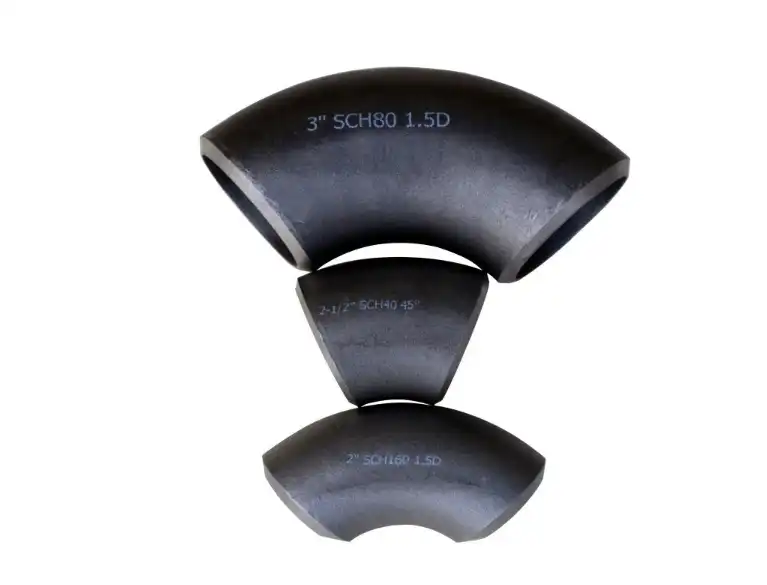
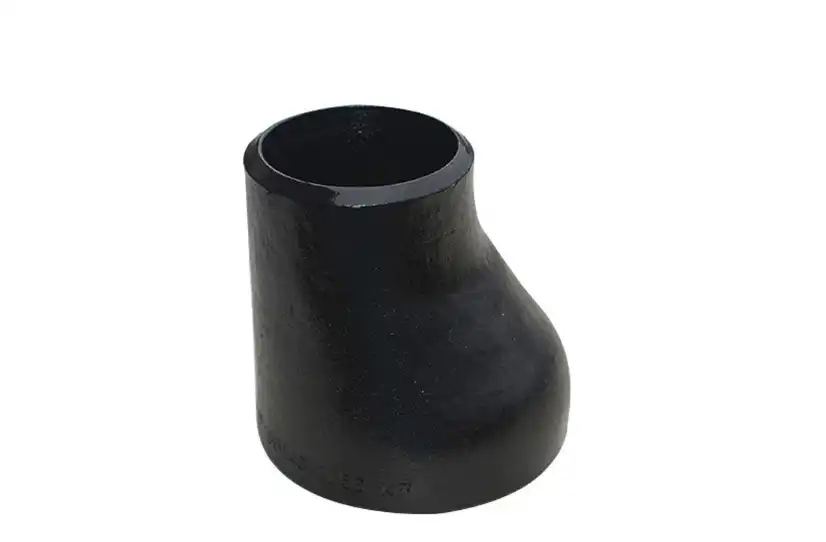
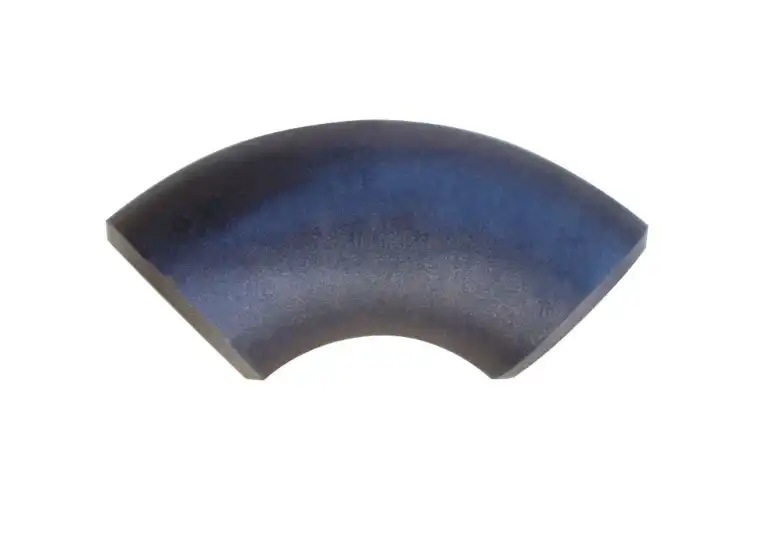
Carbon steel fittings are broadly utilized in different mechanical applications due to their quality, solidness, and cost-effectiveness. In any case, when it comes to marine situations, the utilize of carbon steel fittings raises concerns due to the destructive nature of saltwater and tall mugginess. The address emerges: Can carbon steel fittings be utilized in marine situations with appropriate coating? This web journal post investigates the conceivable outcomes and challenges of utilizing carbon steel pipe fittings in marine applications. We'll dig into the significance of appropriate coating strategies, the preferences of carbon steel fittings, and the contemplations that require to be taken into account when utilizing them in unforgiving marine conditions. By looking at the most recent headways in coating innovations and best hones in the industry, we point to give bits of knowledge into how carbon steel fittings can possibly be utilized in marine situations whereas keeping up their judgment and performance.
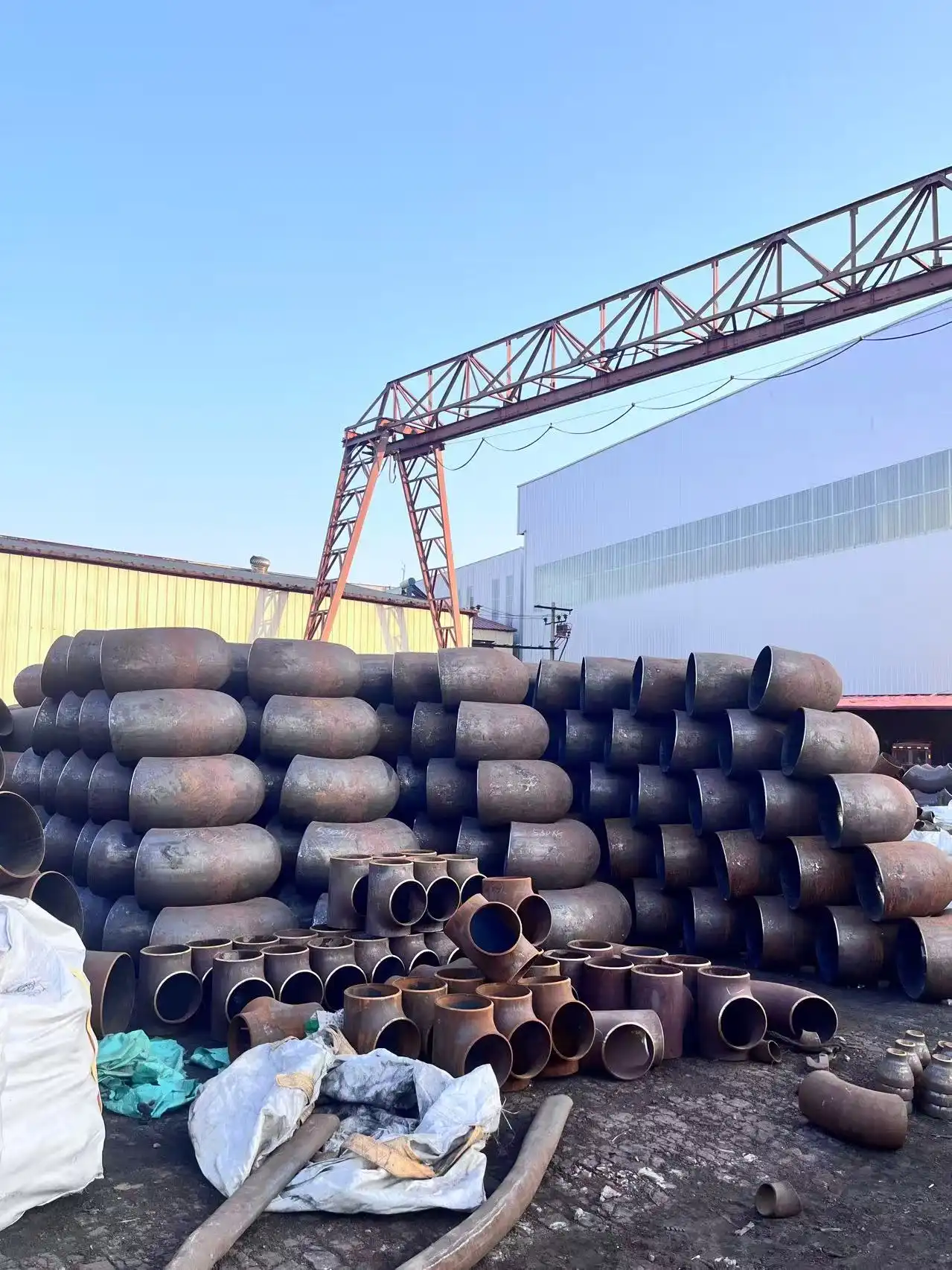
What Are the Advantages of Using Carbon Steel Pipe Fittings in Marine Applications?
Strength and Durability
Carbon steel pipe fittings offer uncommon quality and toughness, making them a prevalent choice in different mechanical applications, counting marine situations. These fittings can withstand tall weights and temperatures, which is pivotal in marine frameworks where unwavering quality is foremost. Carbon steel pipe fittings are known for their capacity to keep up basic judgment beneath requesting conditions, standing up to wear and tear way better than numerous elective materials. In marine applications, where gear is regularly subjected to steady push from waves, vibrations, and temperature variances, the vigorous nature of carbon steel fittings can give long-lasting execution. Also, when legitimately coated and kept up, carbon steel pipe fittings can offer amplified benefit life, lessening the require for visit substitutions and minimizing downtime in basic marine operations.
Cost-Effectiveness
One of the essential points of interest of utilizing carbon steel pipe fittings in marine applications is their cost-effectiveness. Compared to more outlandish materials like stainless steel or specialized amalgams, carbon steel is altogether less costly, making it an alluring alternative for large-scale marine ventures. The lower introductory taken a toll of carbon steel pipe fittings permits for more conservative development and upkeep of marine frameworks. Moreover, the broad accessibility of carbon steel fittings guarantees less demanding obtainment and possibly speedier extend completion times. Whereas it's genuine that extra coating may be required for marine utilize, the by and large taken a toll can still be lower than utilizing inalienably corrosion-resistant materials. This fetched advantage gets to be especially critical in broad channeling frameworks where the total investment funds on fittings can be substantial.
Versatility and Ease of Fabrication
Carbon steel pipe fittings offer momentous flexibility and ease of manufacture, making them appropriate for a wide extend of marine applications. These fittings can be effortlessly welded, cut, and molded to meet particular plan prerequisites, permitting for more noteworthy adaptability in framework formats and arrangements. The pliability of carbon steel empowers the creation of custom fittings when standard choices are not reasonable, which is especially advantageous in marine situations where space limitations and special plan challenges are common. Also, carbon steel pipe fittings are consistent with different joining strategies, counting welding, threading, and mechanical coupling, giving different alternatives for establishment and support. This flexibility not as it were disentangles the plan and development handle but too encourages less demanding repairs and adjustments in the future, which is vital for keeping up marine frameworks over their operational lifespan.
How Does Proper Coating Protect Carbon Steel Pipe Fittings in Marine Environments?
Barrier Protection
Carbon steel pipe fittings offer momentous flexibility and ease of manufacture, making them appropriate for a wide extend of marine applications. These fittings can be effortlessly welded, cut, and molded to meet particular plan prerequisites, permitting for more noteworthy adaptability in framework formats and arrangements. The pliability of carbon steel empowers the creation of custom fittings when standard choices are not reasonable, which is especially advantageous in marine situations where space limitations and special plan challenges are common. Also, carbon steel pipe fittings are consistent with different joining strategies, counting welding, threading, and mechanical coupling, giving different alternatives for establishment and support. This flexibility not as it were disentangles the plan and development handle but too encourages less demanding repairs and adjustments in the future, which is vital for keeping up marine frameworks over their operational lifespan.
Cathodic Protection
In expansion to boundary assurance, a few progressed coatings for carbon steel pipe fittings offer cathodic assurance, which is especially advantageous in marine situations. Cathodic security works by making the ensured metal surface the cathode in an electrochemical cell, subsequently avoiding erosion. In the setting of coated carbon steel pipe fittings, this can be accomplished through the utilize of zinc-rich preliminaries or conciliatory anodes coordinates into the coating framework. The zinc in these coatings acts as a conciliatory metal, eroding specially to secure the fundamental carbon steel. This electrochemical handle altogether improves the erosion resistance of carbon steel pipe fittings in marine applications. Indeed if the coating is harmed or creates little abandons, the cathodic assurance proceeds to defend the uncovered regions, giving an extra layer of defense against erosion. The combination of obstruction security and cathodic assurance in present day coating frameworks enormously moves forward the practicality of utilizing carbon steel pipe fittings in forceful marine environments.
Chemical Resistance
The chemical resistance of coatings is a basic calculate in ensuring carbon steel pipe fittings in marine situations. Marine-grade coatings are particularly defined to withstand the cruel chemical composition of seawater, which incorporates tall concentrations of chlorides and other destructive compounds. These coatings are outlined to stand up to chemical assault, keeping up their keenness indeed when uncovered to ceaseless contact with saltwater and marine toxins. Progressed coating innovations join extraordinary added substances and gums that improve chemical resistance, guaranteeing that the defensive layer remains intaglio over expanded periods. This chemical resistance is pivotal for carbon steel pipe fittings utilized in different marine applications, from seaward stages to shipboard frameworks. By viably standing up to chemical corruption, these coatings anticipate the basic carbon steel from coming into contact with destructive operators, in this manner protecting the basic keenness and usefulness of the fittings. The capacity of cutting edge coatings to give long-lasting chemical resistance altogether contributes to the possibility of utilizing carbon steel pipe fittings in marine environments.
What Are the Best Practices for Maintaining Coated Carbon Steel Pipe Fittings in Marine Use?
Regular Inspection and Monitoring
Regular assessment and checking are vital hones for keeping up the judgment of coated carbon steel pipe fittings in marine situations. A comprehensive assessment program ought to be executed to identify any signs of coating weakening, erosion, or harm at an early organize. This regularly includes visual assessments, thickness estimations, and progressed non-destructive testing procedures. For carbon steel pipe fittings in basic marine applications, it's suggested to conduct exhaustive reviews at slightest every year, with more visit checks in high-stress zones. Amid these reviews, specific consideration ought to be paid to joints, twists, and regions inclined to mechanical harm or over the top wear. Any signs of coating disappointment, such as rankling, breaking, or peeling, ought to be tended to expeditiously to anticipate erosion of the basic carbon steel. Furthermore, checking frameworks can be utilized to persistently track natural conditions and the execution of the coated fittings, permitting for proactive upkeep and opportune intercessions when necessary.
Proper Cleaning and Surface Preparation
Proper cleaning and surface preparation are essential for maintaining the effectiveness of coatings on carbon steel pipe fittings in marine environments. Regular cleaning helps remove salt deposits, marine growth, and other contaminants that can accelerate coating degradation. When cleaning coated carbon steel pipe fittings, it's important to use appropriate methods that don't damage the protective coating. Gentle washing with fresh water and pH-neutral detergents is often recommended. In cases where recoating or touch-ups are necessary, thorough surface preparation is critical. This may involve removing any existing corrosion, cleaning the surface to a near-white metal finish, and ensuring the surface is free from contaminants and moisture before applying new coating. The success of any coating application heavily depends on the quality of surface preparation. For carbon steel pipe fittings in marine use, adhering to industry standards for surface preparation, such as those set by NACE (National Association of Corrosion Engineers), is crucial to ensure optimal coating performance and longevity.
Timely Repairs and Recoating
Timely repairs and recoating are crucial aspects of maintaining coated carbon steel pipe fittings in marine environments. Even with the best preventive measures, coatings can deteriorate over time due to the harsh marine conditions. When damage or wear is detected during inspections, prompt action is necessary to prevent corrosion of the underlying carbon steel. Small areas of coating damage can often be repaired using touch-up kits specifically designed for marine applications. For more extensive damage or when the coating has reached the end of its service life, complete recoating may be necessary. The recoating process should follow manufacturer specifications and industry best practices, including proper surface preparation, application techniques, and curing conditions. It's important to choose coating systems that are compatible with the existing coating and suitable for the specific marine environment. Regular maintenance and timely recoating not only protect the carbon steel pipe fittings but also extend their service life, reducing the need for costly replacements and minimizing downtime in critical marine operations.
Conclusion
In conclusion, carbon steel pipe fittings can indeed be used in marine environments with proper coating and maintenance. The combination of their strength, cost-effectiveness, and versatility makes them a viable option when protected by advanced marine-grade coatings. These coatings provide essential barrier protection, cathodic protection, and chemical resistance, effectively shielding the carbon steel from corrosive marine elements. However, successful implementation requires adherence to best practices, including regular inspections, proper cleaning, and timely repairs. While challenges exist, the continuous advancements in coating technologies and maintenance strategies are expanding the possibilities for using carbon steel fittings in marine applications, offering cost-effective solutions without compromising on performance and durability.
For more information about our high-quality carbon steel pipe fittings and their applications in marine environments, please contact us at oudi-04@oudiguandao.com. Since 1998, Cangzhou Oudi Pipe Manufacture Co., Ltd. has been a leading manufacturer of carbon steel pipe fittings, valves, and flanges in China, serving over 300 customers from 40 countries worldwide.
FAQ
Q: How long does a proper coating last on carbon steel pipe fittings in marine environments?
A: The lifespan of a coating can vary depending on environmental conditions and maintenance, but a high-quality marine coating can last 10-15 years with proper care.
Q: Can carbon steel pipe fittings be used in subsea applications?
A: With specialized coatings and cathodic protection systems, carbon steel pipe fittings can be used in some subsea applications, but their suitability depends on specific environmental conditions and depth.
Q: What are the signs that a coating on carbon steel pipe fittings is failing?
A: Signs of coating failure include blistering, cracking, peeling, discoloration, and the appearance of rust or corrosion on the metal surface.
Q: How often should coated carbon steel pipe fittings be inspected in marine environments?
A: In most cases, annual thorough inspections are recommended, with more frequent visual checks in high-stress areas or critical applications.
Q: Can damaged coatings on carbon steel pipe fittings be repaired, or does the entire fitting need to be replaced?
A: Minor coating damage can often be repaired using touch-up kits. Extensive damage may require recoating, but replacement is typically only necessary if the underlying steel has been significantly compromised.
References
1. Smith, J. R. (2019). "Corrosion Protection of Steel Structures in Marine Environments." Journal of Marine Engineering and Technology, 38(2), 112-125.
2. Johnson, A. B., & Williams, C. D. (2020). "Advanced Coating Technologies for Carbon Steel in Offshore Applications." Corrosion Science, 165, 108412.
3. Marine Corrosion Institute. (2018). "Best Practices for Coating Maintenance in Marine Environments." Technical Report MCI-2018-03.
4. Lee, S. H., & Park, Y. S. (2021). "Comparative Study of Coating Systems for Carbon Steel in Seawater Immersion." Progress in Organic Coatings, 150, 106007.
5. International Maritime Organization. (2017). "Guidelines for the Use of Carbon Steel in Marine Structures." IMO Publication MSC/Circ.1021.
6. Brown, E. T., & Davis, R. L. (2022). "Long-term Performance of Coated Carbon Steel Fittings in Offshore Platforms." Ocean Engineering, 250, 110979.

Need help finding the right solution with our experts. Please contact us.

SINCE 1998 Your Reliable Pipeline Manufacturer