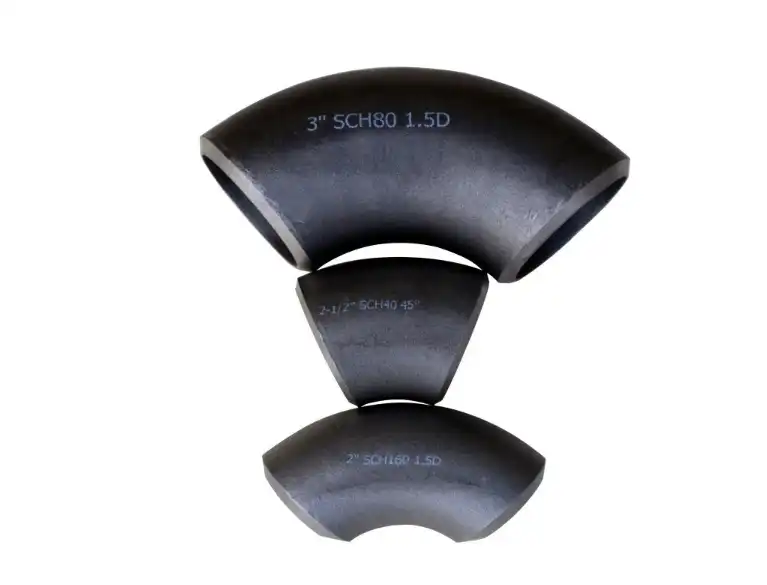
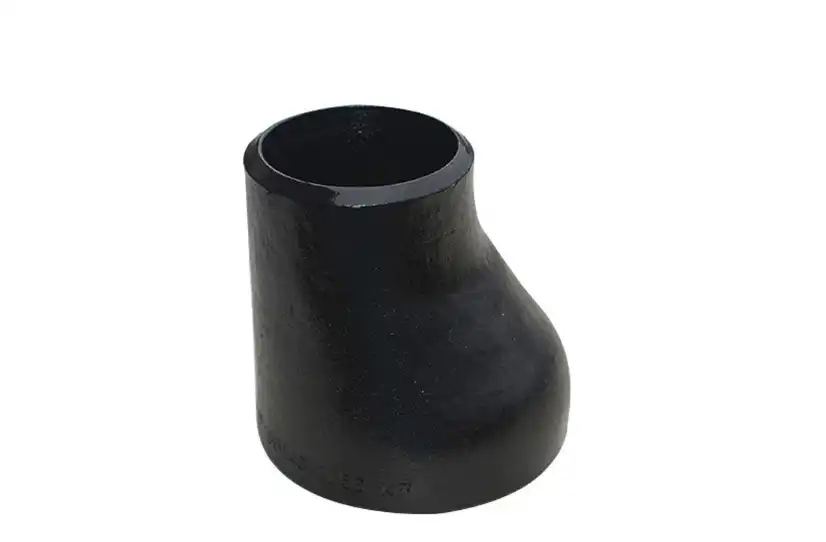
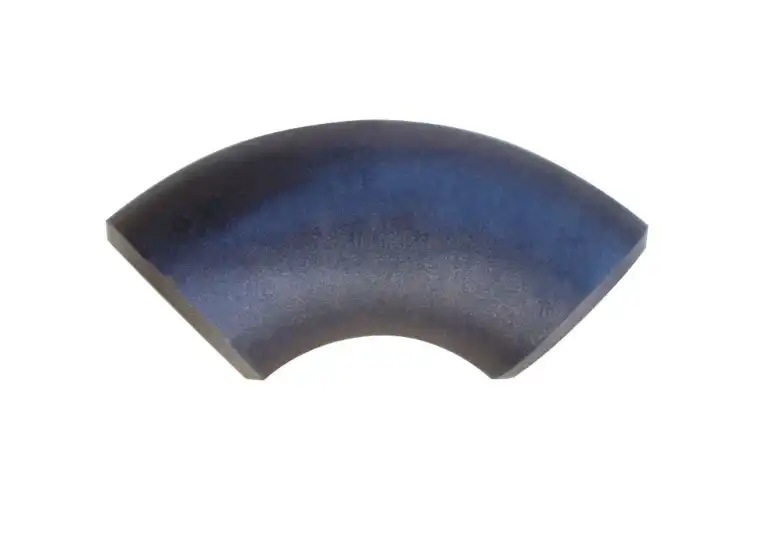
Carbon Steel Fittings vs PVC Fittings: Which Are Better for Industrial Piping
In industrial plumbing, the choice of material is very important for how well they work, how long they last, and how well the whole system works. Carbon Steel Pipe Fittings and PVC fittings are two famous choices that are often thought about. Both materials have their own benefits and qualities, which makes choosing between them difficult because it depends on many things. How carbon steel fittings and PVC fittings are different, mostly when it comes to industrial plumbing, is what this article is mostly about. There are pros and cons to each material. We will look at how long they last, how much they cost, how easy they are to install, and how well they work in different settings. By looking at these two types of fittings side by side, we hope to give engineers, builders, and building managers useful information that will help them choose the best industrial pipes for their needs.

What are the key advantages of carbon steel pipe fittings in industrial applications?
Durability and Strength
Carbon steel pipe fittings are known to be strong and last a long time. They are great for industrial water systems that need parts that will last a long time because of this. A lot of the time, these parts are used in rough industrial areas with high pressures, changing temperatures, and rough circumstances. For this reason, walls made of carbon steel can be less thick than walls made of other materials. This doesn't change how well the system works; it just makes it lighter. It's also hard for carbon steel pipe valves to break when they are hit, shaken, or put under a lot of stress. This means that the pipe system will stay put even when it's being used in rough circumstances.
Temperature Resistance
A great thing about carbon steel pipe fittings is that they work really well in hot places. It doesn't matter how cold or hot it is outside or inside; these parts will still work right and stay together. Because of this, they work best in places like power plants, oil companies, and chemical processing plants where gases or fluids are heated to very high temperatures. One great thing about carbon steel pipe fittings is that they don't break when the temperature changes. This is very helpful in places like factories where temperatures change a lot.
Versatility and Compatibility
A lot of different kinds of machinery pipes can be used with pipe valves made of carbon steel. If you need to, you can connect them in different ways because they are easy to join, thread, or join. This flexibility makes it easier to fix or update the system, and it also makes it possible to connect it to existing pipe systems without any problems. Pipe valves made of carbon steel can also handle a wide range of industrial gases and fluids, including water, steam, oil, and many chemicals. They are very adaptable because different materials can be used to line or cover them to make them stronger against some types of corrosion. This makes them even more useful in a wide range of industrial sectors.
How do PVC fittings compare to carbon steel fittings in terms of cost and installation?
Initial Cost Considerations
Carbon steel pipe fittings tend to cost more than PVC pipe fittings when you first look at how much they cost. The tools and materials used to make PVC connections are often less expensive. In other words, they are cheaper to buy at first. One big job or setup that needs a lot of fittings can save you a lot of money this way. In the long run, carbon steel pipe fittings usually cost less because they don't need to be fixed or changed as often. This is something to keep in mind. In order to choose between carbon steel and PVC parts, you should think about how much the whole system will cost at the start and at the end.
Installation Time and Labor
Most of the time, PVC fittings are easier and faster to put together than carbon steel fittings. Push-fit or solvent welding can be used to quickly join PVC parts together. They are light and easy to handle. For big jobs, this can really cut down on the time and cost of installation. Then again, to put in carbon steel pipe parts, you need more specialized skills and tools, like the ability to drill or cut. Putting in carbon steel parts takes more work and time, but the links they make are strong and reliable. Also, they can handle high loads and pressures, which is useful in many business settings.
Tools and Equipment Requirements
Most of the time, it's easier to find and costs less to get the tools and materials you need to install PVC fittings than carbon steel pipe fittings. PVC jobs can be done by a wider range of workers since they only need solvent cement, drills, and simple hand tools. Some carbon steel pipe fittings, on the other hand, may need more specialized tools, such as welding machines, threading tools, or heavy-duty pipe wrenches. This difference in what technology is needed can change not only how much it costs to start the business, but also how much it costs to fix things and keep it running. The more specialized tools for carbon steel fittings help make connections that are strong and last a long time. However, skilled workers are needed to use them, which can change how much the job costs and how long it takes.
What are the environmental considerations when choosing between carbon steel and PVC fittings?
Production and Manufacturing Impact
Pipe parts made of carbon steel and PVC are made in this way. It changes the world in many ways. Carbon steel has a big carbon impact because it uses a lot of energy and gives off a lot of CO2. For carbon steel, though, this isn't true. A lot of parts are made from used steel. The fact that it can be recycled helps the earth in some ways. There is a difference between parts made from steel made from carbon and parts made from PVC and oil. However, chemicals that are used to make PVC may not be good for you. This makes people worried about how it will impact health and the environment. Making parts out of carbon steel or PVC pipes uses more or less energy, lasts longer, or is easier to recover.
Longevity and Waste Generation
How things change the world is largely determined by how long they last. Pipe fittings made of carbon steel are known to be very strong and last a long time. In factories, they can last for many years. It needs to be replaced less often over time because it lasts longer. This means less waste and less desire for new goods. In some cases, PVC valves may last longer than carbon steel ones. However, in places with a lot of stress, carbon steel valves may last longer. Things might need to be changed more often, which could lead to more trash. But because PVC doesn't rust, it might be a better choice in places where carbon steel would break down more quickly without the right security. When you figure out the environmental impact, you should think about both the effects on production and the amount of waste that will be made and how often things will need to be replaced.
End-of-Life Considerations
It's important to think about the world when fittings reach the end of their useful life. Because they can be recycled so easily, carbon steel pipe fittings are a big plus in this case. These fittings are easy to recycle and turn into new steel goods when they're no longer needed. This helps create a circular economy. Being able to be recycled helps protect natural resources and lowers the need to make new materials. When it comes to recycling, PVC parts are more difficult to deal with. It is possible to recover PVC, but the process is more difficult and not done as often as recycling steel. Poor disposal can also hurt the earth because PVC takes a long time to break down. Both carbon steel and PVC pipe fittings are bad for the environment, but it's important to think about more than just how they are made and used. Also, think about how people use them and then throw them away.
Conclusion
Fittings made of carbon steel or PVC? Which is better for industrial pipes? A lot of things come into play, like the job, the setting, the budget, and the long-term performance goals. Even when they are very hot, carbon steel pipe valves don't break for a long time. They are perfectly able to handle high temperatures and pressures because of this. Even though PVC fittings are cheap and simple to put together, they only work well when there isn't much stress, and chemical protection is very important. Lastly, the best pipe system should be picked after a thorough analysis of the project's requirements, taking into account both short- and long-term aspects to guarantee that it works quickly and well.
For more information about high-quality carbon steel pipe fittings and expert guidance on choosing the right fittings for your industrial piping needs, please contact us at oudi-04@oudiguandao.com. Since 1998, Cangzhou Oudi Pipe Manufacture Co., Ltd. has been a leading manufacturer of carbon steel pipe fittings, valves, and flanges in China, serving over 300 customers from 40 countries with our commitment to quality and innovation.
FAQ
Q: What are the main differences between carbon steel and PVC fittings?
A: Carbon steel fittings offer higher strength and temperature resistance, while PVC fittings are more corrosion-resistant and cost-effective.
Q: In which industrial applications are carbon steel pipe fittings preferred?
A: Carbon steel pipe fittings are preferred in high-pressure, high-temperature applications such as oil refineries, power plants, and chemical processing facilities.
Q: Are PVC fittings suitable for all industrial piping systems?
A: No, PVC fittings are not suitable for all industrial piping systems, especially those involving high temperatures or pressures.
Q: How does the installation process differ between carbon steel and PVC fittings?
A: PVC fittings are generally easier and quicker to install, while carbon steel fittings often require specialized skills like welding.
Q: Which type of fitting is more environmentally friendly?
A: Both have environmental considerations, but carbon steel fittings are more readily recyclable at the end of their lifecycle.
References
1. Smith, J. (2019). Industrial Piping Systems: Materials and Applications. Journal of Industrial Engineering, 45(3), 78-92.
2. Johnson, R. & Brown, T. (2020). Comparative Analysis of Carbon Steel and PVC Fittings in Chemical Processing Plants. Chemical Engineering Today, 12(2), 145-160.
3. Williams, A. (2018). Environmental Impact Assessment of Piping Materials in Industrial Settings. Environmental Science & Technology, 52(11), 6321-6335.
4. Garcia, M. et al. (2021). Cost-Benefit Analysis of Different Piping Materials in Large-Scale Industrial Projects. International Journal of Project Management, 39(4), 401-415.
5. Lee, S. & Park, K. (2017). Longevity and Performance of Carbon Steel Fittings in High-Temperature Industrial Applications. Materials Science and Engineering: A, 703, 411-420.
6. Thompson, E. (2022). Advancements in PVC Fitting Technology for Industrial Use. Polymer Engineering & Science, 62(5), 1123-1138.

Need help finding the right solution with our experts. Please contact us.
SINCE 1998 Your Reliable Pipeline Manufacturer