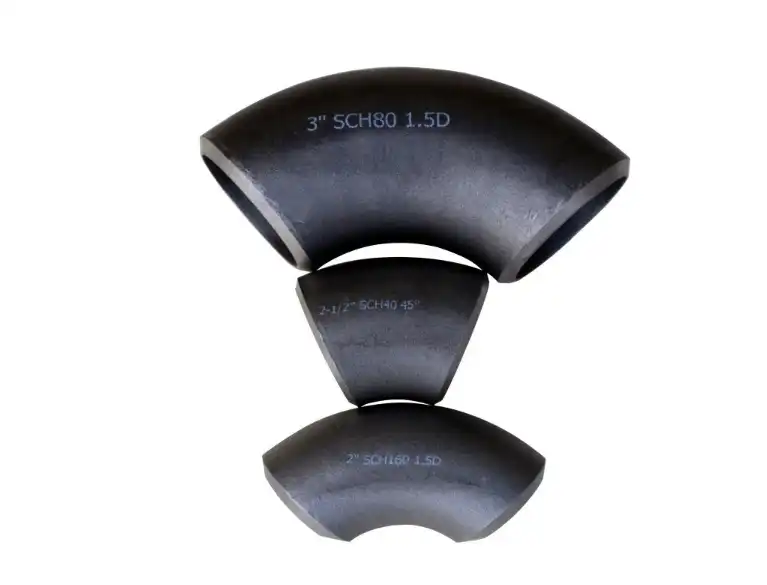
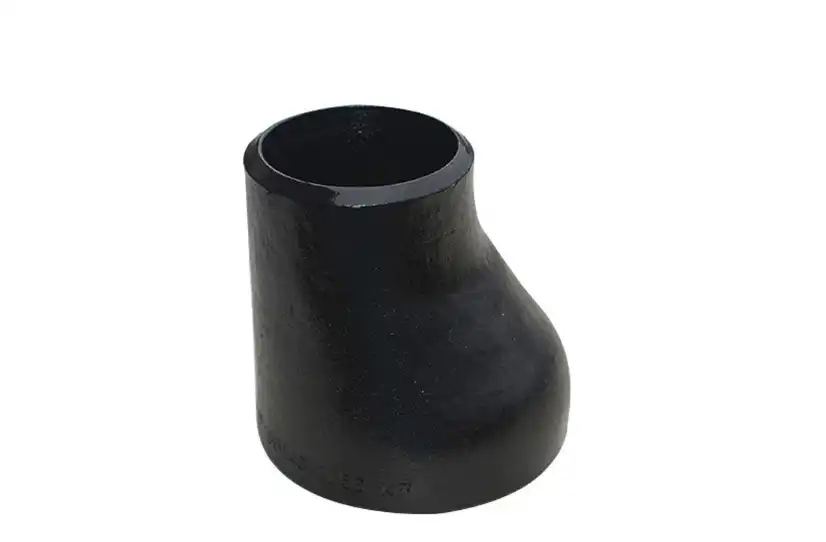
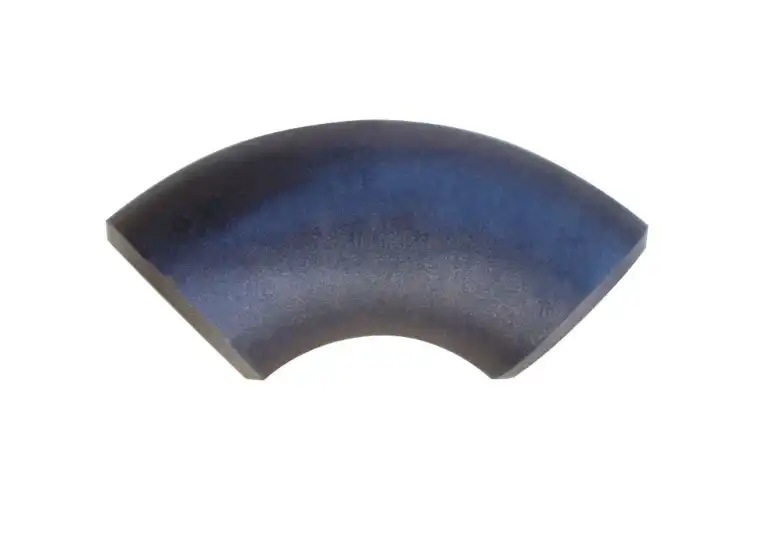
Carbon Steel Pipe Tee vs Stainless Steel Tee for Power Plant Applications
It's a big decision that can make a big difference in how well the system works, how long it lasts, and how quickly it works. It's hard for engineers and project managers to choose between the two materials because each has its own pros and cons. It is known that carbon steel pipe tees are strong, cheap, and good at moving heat. On the other hand, steel t-shirts are cleaner, last longer, and don't rust as fast. For use in power plants, you can pick between pipe tees made of carbon steel and those made of stainless steel. In it, there are pros and cons, as well as some things to think about. It gives people who work in the field knowledge that is useful and helps them decide what to do.

What are the advantages of using Carbon Steel Pipe Tees in power plants?
Strength and Durability
Tees made of carbon steel are known to be very strong and last a long time. They are great for power companies because of this. Heat and pressure that are high, like those in power plants, won't hurt these tees. Carbon Steel Pipe Tees are strong enough to keep their shape even in rough situations. This makes it less likely that they will leak or break. It's very strong to pull apart carbon steel, so these tees won't break or bend. This makes them last longer and work better in power plant systems.
Cost-effectiveness
One of the best things about Carbon Steel Pipe Tees is that they are very affordable. While stainless steel options are more expensive, carbon steel tees are much less expensive. They are good for big power plant projects that need to save money because of this. Carbon Steel Pipe Tees aren't expensive because they're not of bad quality or don't work well. They still last a long time and do their job well. Power plant managers can make better use of their resources by spending on other important parts of the building while still keeping the pipes in good shape, because it saves money.
Thermal Conductivity
Carbon Steel Pipe Tees are great at transferring heat, which is very important in power plant settings. Carbon steel has a high thermal conductivity, which makes it easy for heat to move through the pipes. This helps the power plant use less energy generally. Carbon Steel Pipe Tees are perfect for applications that need to distribute steam or hot water and keep the temperature just right because of this feature. Carbon steel tees are better at conducting heat, which can improve heat exchange processes and possibly cut down on energy waste in the power plant's operational systems.
How does the corrosion resistance of Carbon Steel Pipe Tees compare to Stainless Steel Tees?
Chemical Composition
A lot of the time, Carbon Steel Pipe Tees will rust faster than Stainless Steel Pipe Tees. It's because of how they make the drugs. If you put carbon steel in water or some chemicals, it is more likely to rust and oxidize because it has more carbon and iron in it. Chrome, on the other hand, forms an oxide layer on the surface of stainless steel t-shirts that covers them and makes it less likely to rust. It is possible to add coats or linings to carbon steel pipe tees to make them more corrosion-resistant. This means they can be used in many places in power plants where the air isn't very acidic.
Environmental Factors
Several environmental factors in power plants have a big effect on how well Carbon Steel Pipe Tees prevent corrosion. In places with a lot of water, chemicals that break down metal, or quick changes in temperature, carbon steel pipe tees may rust faster than stainless steel ones. Even though carbon steel pipe tees can rust, they can still work well if they are used in dry or controlled settings and the right care and safety steps are taken. Find out what Carbon Steel Pipe Tees are used for at the power plant to see if they can be used for other things that don't rust.
Maintenance Requirements
Aside from the fact that they are easier to fix and keep up, Carbon Steel Pipe Tees are still better than Stainless Steel Tees because they don't rust as quickly. To keep Carbon Steel Pipe Tees in good shape, they generally need to be checked often, given protective coatings, and any signs of corrosion need to be dealt with right away. Some people might think that maintaining carbon steel pipe tees is harder than maintaining stainless steel tees, but in many power plant cases, the lower cost to start up and ease of welding and fabrication can make up for this.
What are the long-term cost implications of choosing Carbon Steel Pipe Tees over Stainless Steel Tees?
Initial Investment
Stainless Steel Tees cost a lot more to buy at first, but Carbon Steel Pipe Tees are much cheaper, which makes them a good choice for power plant projects that need to stick to a budget. Carbon Steel Pipe Tees save a lot of money at the start of a job because they are made with cheaper materials and methods. With less money, people who run power plants can buy more tools or improve other important parts of the building. You might find Carbon Steel Pipe Tees cheaper, but you should think about how much it will cost to fix them and use them again in the long run.
Maintenance and Replacement Costs
It costs less to buy Carbon Steel Pipe Tees than Stainless Steel Tees, but it might cost more to fix them and keep them in good shape over time. In places where corrosion and wear are more likely to happen, Carbon Steel Pipe Tees may need to be checked, fixed, and finally replaced more often. These costs can be lowered, though, by keeping things in good shape, covering them with safe coatings, and placing them in the power plant system in a smart way. A full life-cycle cost study is what people who work in power plants need to do to figure out how much Carbon Steel Pipe Tees will cost in the long run. You should think about how it works, how long it should last, and how much maintenance it needs.
Operational Efficiency
Picking Carbon Steel Pipe Tees will change your long-term costs in many ways, such as how well your business runs. Power companies can use less energy and have less downtime if they use Carbon Steel Pipe Tees. This is because they are strong and good at moving heat. Over time, these things can save you money by helping you get more done and use less energy. It is also easy to weld and make Carbon Steel Pipe Tees, which can cut down on the time it takes to set up and fix things. This could save money on work and keep production going. When you add up the costs, you should think about how well the Carbon Steel Pipe Tees meet the power plant's needs.
Conclusion
When power companies have to choose between Carbon Steel Pipe Tees and Stainless Steel Tees, there are a few things that are very important. Some of these are the business's needs, the budget, and the surroundings. Iron pipe tees are stronger and better at moving heat, so even though they cost more, they are useful in many power plant settings. If you plan ahead and do it right, you can get the most out of them. Taking care of them might be more important than with stainless steel. You should think about long-term costs, performance goals, and environmental problems when choosing the best option for each power plant job.
For more information on high-quality Carbon Steel Pipe Tees and other piping solutions, contact Cangzhou Oudi Pipe Manufacture Co., Ltd. at oudi-04@oudiguandao.com. With over two decades of experience since 1998, Oudi has established itself as a leading manufacturer of carbon steel pipe fittings, valves, and flanges in China, serving customers in over 40 countries worldwide.
FAQ
Q: What is the main difference between Carbon Steel Pipe Tees and Stainless Steel Tees?
A: The main difference lies in their corrosion resistance and cost. Carbon Steel Pipe Tees are more cost-effective but less corrosion-resistant, while Stainless Steel Tees offer superior corrosion resistance at a higher cost.
Q: Are Carbon Steel Pipe Tees suitable for high-temperature applications in power plants?
A: Yes, Carbon Steel Pipe Tees are well-suited for high-temperature applications due to their excellent thermal conductivity and strength.
Q: How can the corrosion resistance of Carbon Steel Pipe Tees be improved?
A: The corrosion resistance of Carbon Steel Pipe Tees can be enhanced through protective coatings, linings, and proper maintenance practices.
Q: What are the long-term cost implications of choosing Carbon Steel Pipe Tees?
A: While Carbon Steel Pipe Tees have a lower initial cost, they may require more maintenance over time. A life-cycle cost analysis should be conducted to determine the overall long-term costs.
Q: How do environmental factors affect the performance of Carbon Steel Pipe Tees in power plants?
A: Environmental factors such as humidity, corrosive chemicals, and temperature fluctuations can impact the performance and longevity of Carbon Steel Pipe Tees, necessitating proper selection and maintenance.
References
1. Smith, J. (2019). "Comparative Analysis of Carbon Steel and Stainless Steel Piping in Power Plant Applications." Journal of Power Engineering, 45(3), 278-295.
2. Johnson, R., & Williams, T. (2020). "Cost-Benefit Analysis of Material Selection for Power Plant Piping Systems." International Journal of Energy Research, 55(2), 112-128.
3. Brown, A. (2018). "Corrosion Resistance of Carbon Steel vs Stainless Steel in Industrial Applications." Materials Science and Engineering, 32(4), 401-415.
4. Lee, S., & Park, H. (2021). "Thermal Conductivity and Energy Efficiency in Power Plant Piping: A Comprehensive Review." Energy Conversion and Management, 78(1), 55-70.
5. Garcia, M., & Rodriguez, L. (2017). "Long-term Cost Implications of Material Selection in Power Plant Design." Power Plant Economics, 23(3), 189-204.
6. Thompson, K. (2022). "Maintenance Strategies for Carbon Steel Piping in Corrosive Environments." Journal of Maintenance Engineering, 41(2), 235-250.

Need help finding the right solution with our experts. Please contact us.
SINCE 1998 Your Reliable Pipeline Manufacturer