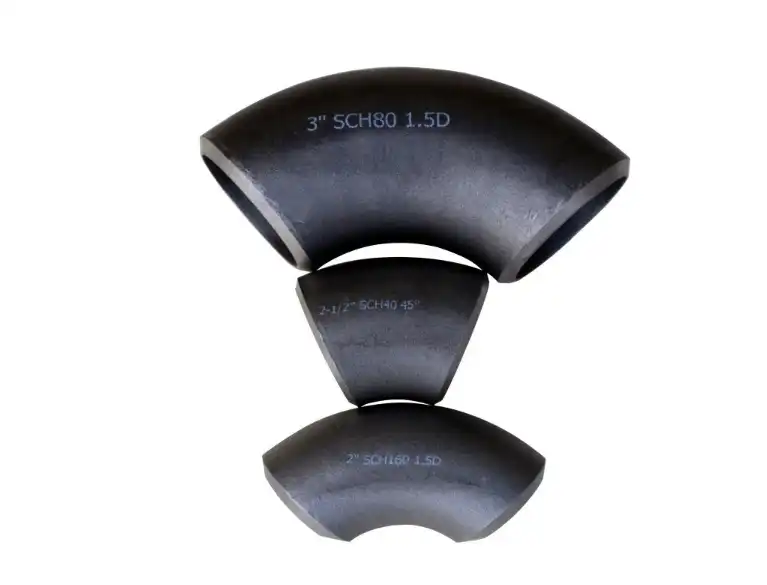
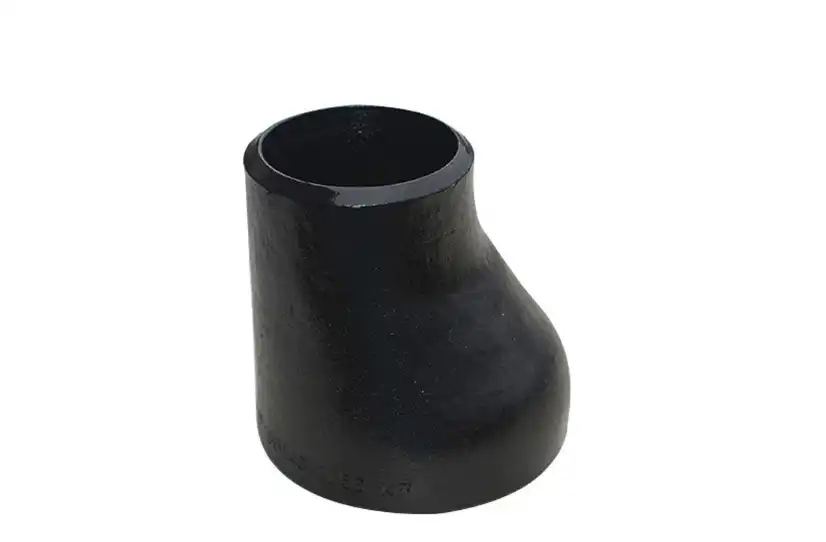
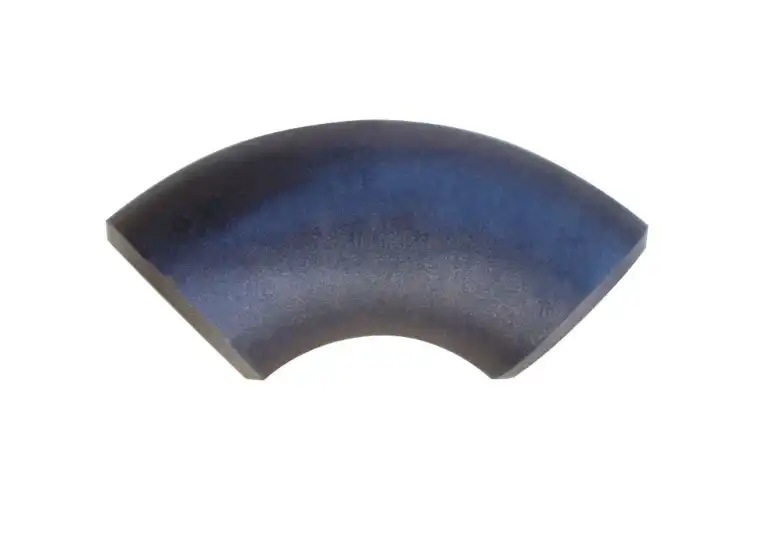
Carbon Steel Tee vs Stainless Steel Tee: Key Differences
When selecting pipe fittings for an industrial piping system, the difference between carbon steel tees and stainless steel tees goes beyond the material price. A tee is a fitting used to connect a branch line to the main pipeline. It may be used to divide or join flow. The material and size of the tee should be compatible with the pressure, temperature, fluid, and installation environment of the system. Carbon steel and stainless steel are both excellent for demanding pipe applications but respond differently to moisture, chemicals, high temperatures, and maintenance conditions. So the right choice is not merely whether the material is cheaper or stronger. Buyers must analyse the appropriate pipe standard, material grade, wall thickness, corrosive environment, welding requirements, inspection requirements, and predicted service circumstances. ASTM A234/A234M covers wrought carbon steel and alloy steel fittings of seamless and welded construction for moderate and increased temperature usage. Specifications for wrought austenitic stainless steel fittings are also included in the ASTM piping-fittings framework. The major attraction for carbon steel tee projects is often the combination of mechanical performance, availability, and the purchase cost. Stainless steel tees are commonly chosen when corrosion resistance, cleanliness or exposure to hostile substances become a more relevant design element. Knowing what these variations signify to the overall plumbing system makes the selection of materials much more practical.
How Carbon Steel and Stainless Steel Tees Differ in Basic Performance?
Carbon Steel Tees and Their Main Material Advantages
Carbon steel tees are common in industrial piping because they offer a useful balance of strength, ease of manufacture, and cost. Depending on the specification and grade, they can be designed for pressure piping systems operating at moderate or elevated temperatures. ASTM A234/A234M specifically covers wrought carbon steel and alloy steel fittings of seamless and welded construction for these types of applications.
The mechanical performance of a carbon steel tee should not be judged from the material name alone. A fitting used in a high-pressure pipeline has to be chosen according to the required material specification, dimensions, wall thickness, pressure-temperature requirements, and piping code. The same applies to stainless steel fittings since various stainless grades have varied mechanical and corrosion properties.
One reason carbon steel continues to be popular is that it can be well matched to conventional industrial piping systems without the need for a corrosion-resistant alloy if the service environment does not require it. This makes it potentially suitable for use in situations where the process fluid and ambient atmosphere are reasonably controlled and where external corrosion protection can be incorporated into the system design.
Stainless Steel Tees and Corrosion Resistance
There is one material difference between stainless steel and carbon steel, and it’s the resistance of stainless steel to corrosion. Stainless steel produces a chromium-rich passive oxide coating on its surface, which offers its unique corrosion resistance. However, stainless steel is not immune to corrosion. Certain environments, particularly those involving chlorides or acidic conditions, can produce localized forms of attack such as pitting, crevice corrosion, or stress corrosion cracking.
This means the phrase “stainless steel is corrosion resistant” should not be interpreted as “any stainless steel tee can be used in any corrosive service.” The specific grade, concentration of the process medium, temperature, chloride exposure, surface condition, and operating environment all matter.
For a piping system exposed to moisture, salt-containing media, cleaning chemicals, or other corrosive conditions, stainless steel may reduce the need for external corrosion protection compared with an unprotected carbon steel fitting, while carbon steel tees may require additional protective measures in such environments. However, material selection still needs to be based on the actual service environment rather than on the stainless designation alone.
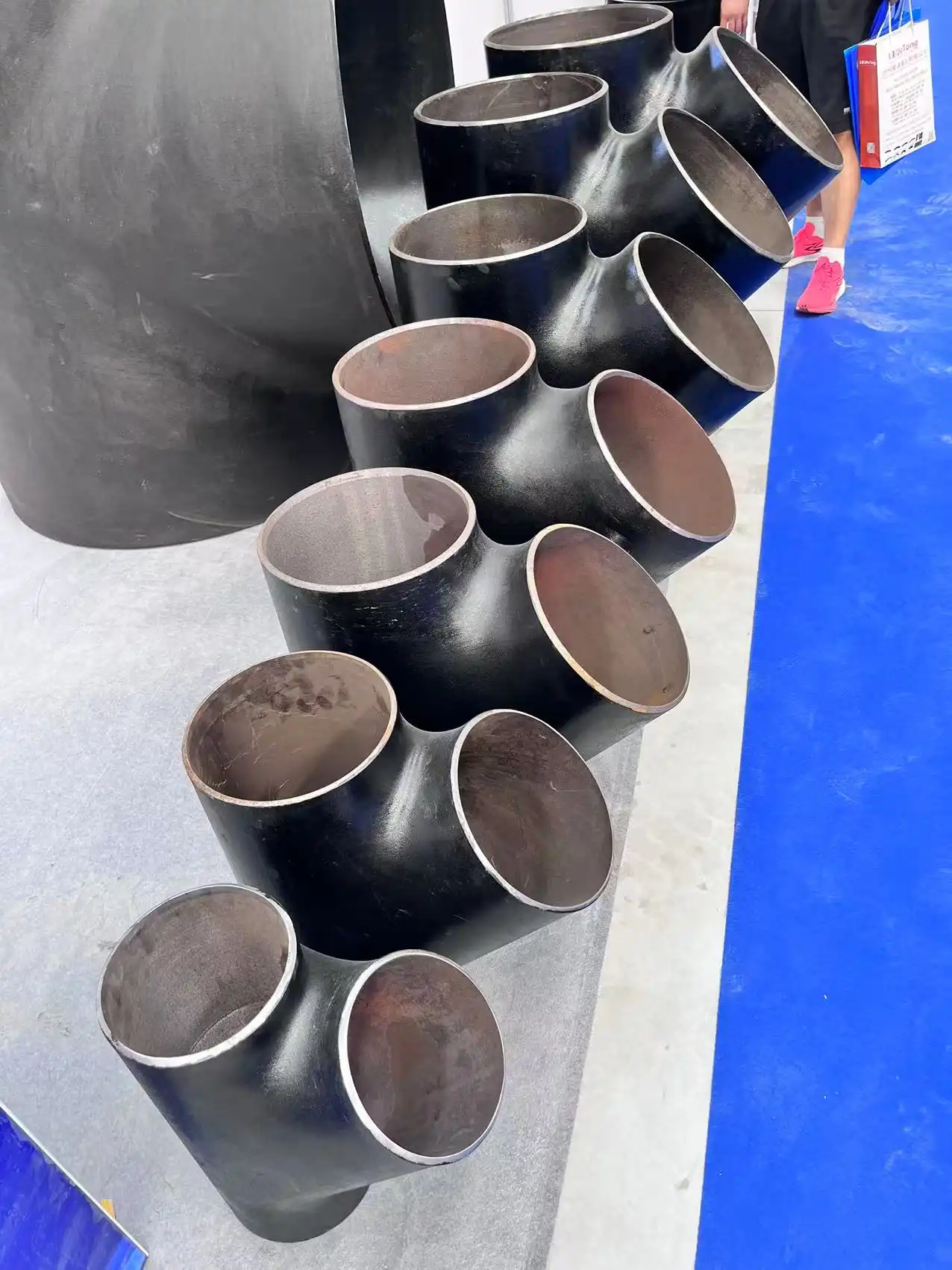
Cost, Strength, and Service Conditions Should Be Considered Together
Why Carbon Steel Often Has a Lower Initial Cost?
One of the reasons carbon steel tees are still popular for big industrial projects is the buying price. When a pipe system has hundreds or thousands of fittings, even a slight variation in unit pricing might affect the initial procurement budget.
But the buying price is only one aspect of the economic equation. Depending on the location of the tee, carbon steel may need coatings, painting, inspection, or other corrosion-control procedures. If the corrosion protection is not enough, or if the environment turns out to be more aggressive than was first anticipated, further maintenance will raise the overall cost in service.
That doesn't imply carbon steel automatically becomes more costly over time. In a regulated, or largely non-corrosive environment, a well-designed carbon steel tee may give long-term performance without the added material expense of stainless steel. Therefore, the economic comparison should be performed on the basis of the real working environment and not on the basis of material prices alone.
Where Carbon Steel Strength Becomes Important?
Another reason for the widespread use of carbon steel tees in industrial plumbing is strength. The fitting must be capable of withstanding internal pressure as well as stresses induced by the attached pipe system, temperature variation, vibration, and installation circumstances. The real pressure capacity relies on the whole design and not just the phrase “carbon steel”.
ASTM A234/A234M covers specifications for covered fittings, including mechanical test requirements and hydrostatic test requirements. That is why a professional comparison should concentrate on the appropriate specification and test criteria, rather than just saying one material is “strong.”
This is a key difference for purchasers. Order a tee for the specified nominal size, wall thickness or schedule, material grade, fitting standard, and pressure-temperature conditions. The fitting must also be suitable for the pipe to which it will be welded.
Why Stainless Steel May Be Selected Despite the Higher Purchase Price?
Alloying materials such as chromium and sometimes nickel or molybdenum ( in certain grades) improve the material qualities and add to the cost of manufacture. Stainless steel is normally more expensive than carbon steel. However, the increased purchase price may be justified if corrosion resistance or surface cleanliness has a significant influence on system performance.
The material of the fitting may affect cleaning operations, corrosion control, contamination issues, and maintenance needs in food processing, pharmaceutical manufacturing, chemical processing, and certain maritime applications. In such circumstances, the selection should be based on the whole specification of the service and not on the price of the first fitting.
You also need to pick the grade of stainless steel tee. Austenitic stainless steels are not interchangeable with all other stainless categories, and the applicable grade depends on the environment and mechanical needs. So before purchase, the applicable ASTM standard should be validated.
Choosing the Tee According to the Piping Environment
When Carbon Steel Is a Practical Choice?
Carbon steel is a possibility for pipelines if corrosion can be controlled and the necessary mechanical properties can be obtained with the grade and size chosen. Typical industrial uses include utility pipelines, process services, steam-related applications, oil & gas infrastructure, HVAC systems, and other installations where the fluid and external environment do not demand a highly corrosion-resistant alloy.
The question isn't whether carbon steel “can” be utilised. Engineers should determine whether the pipe and fitting will be exposed to water, condensation, chemicals, dirt, salt, high humidity, or other circumstances that may cause corrosion. If exterior protection is necessary, the coating system and maintenance plan should be taken into account at the design stage.
Carbon steel is also a good choice if the number of fittings needed is substantial and the service conditions are clearly defined, especially if standard carbon steel tees are required. In such cases, their well-known production pathways and general availability might facilitate simple sourcing.
When Stainless Steel Provides a More Suitable Material Basis?
Stainless steel becomes increasingly significant for an important aspect of pipe design: corrosion resistance. This may include systems exposed to particular chemicals, chloride-containing environments, wet process regions, or applications that may need regular cleaning.
The benefit is not because stainless steel "does not rust". Stainless steel owes its corrosion resistance to a passive surface coating. The resistance is dependent upon the grade and its environment. For instance, chloride exposure may lead to localised corrosion processes even in stainless steels.
For that reason, ordering a stainless steel tee should be more than just entering the words “stainless steel” on a purchase order. The buyer should provide grade, applicable ASTM standard, dimensions, method of connection, and service environment. In especially demanding applications, the choice of material may additionally need to take into consideration welding conditions, surface polish, and inspection requirements.
Welding and Manufacturing Factors Can Affect the Final Selection
Welding Requirements for Carbon Steel Tees
Many industrial tees are installed using butt welding, and ASME B16.9 is the relevant standard for factory-made wrought butt-welding fittings. Carbon steel tees are commonly integrated into welded piping systems, but the welding procedure still needs to be compatible with the selected material grade and pipe.
Factors such as preheating, heat input, filler metal selection, joint preparation, and post-weld heat treatment can vary according to material and project requirements. Larger wall thicknesses and particular carbon-equivalent levels may create additional welding considerations.
Therefore, it is better to evaluate the weldability of the specific material grade rather than assuming that every carbon steel tee can be welded under identical conditions.
Welding Stainless Steel Without Losing Its Material Advantages
Stainless steel welding introduces a different set of considerations because excessive heat input, poor shielding, contamination, or unsuitable procedures can affect the final condition of the joint and surrounding material. When stainless steel systems are connected to components such as carbon steel tees, the selected welding procedure should therefore reflect the stainless grade, material combination, and applicable fabrication requirements.
The objective is not merely to produce a mechanically strong weld. The completed connection should also maintain the required corrosion performance and dimensional integrity of the piping system. Proper filler metal selection, shielding, joint cleanliness, and control of the welding process can all influence the result.
This is one reason experienced fabricators normally evaluate the pipe, tee, welding procedure, and service environment as one system instead of treating the fitting as an isolated component.
Maintenance and Service Life Depend on the Environment
Managing Carbon Steel Corrosion Over Time
Carbon steels are often more vulnerable to corrosion when exposed to moisture or corrosive substances. The real maintenance schedule may include coating inspection, visual examination, thickness measurement, cleaning, or other inspection techniques depending on the pipe system.
Corrosion does not always indicate that a carbon steel tee is no longer a viable option. Many industrial systems are built on carbon steel with proper coatings, insulating procedures, drainage, inspection, and maintenance. The key is that the corrosion control plan matches the anticipated service environment.
In a dry, well-controlled installation, the difference in maintenance between carbon steel and stainless steel may be far less significant than in a damp or chloride-rich environment.
Stainless Steel Still Requires Proper Maintenance
In many applications, the corrosion protection of stainless steel is less than that of carbon steel, yet it should not be considered maintenance-free. Stainless steel surfaces may be affected by inappropriate cleaning conditions, deposits, exposure to chlorides, fissures, and contamination from carbon steel instruments.
The grade counts as well. The stainless steel tee used for mild duty may not provide the same degree of resistance as needed in a more severe chemical or marine operation. Hence, corrosion resistance should always be stated in terms of a specific grade and conditions of use.
Both materials still have to be properly installed and cleaned. Poor installation or a situation beyond the service range might cause even a high-grade fitting to have issues before its time.
Conclusion
Carbon steel and stainless steel tees are both appropriate for use in severe industrial pipe systems, but they fulfill different combinations of cost, corrosion resistance, mechanical requirements, and maintenance conditions. Carbon steel tees are typically used when strength, availability,y and initial procurement cost are crucial, and the service environment permits adequate corrosion management. Stainless steel tees provide a higher level of corrosion resistance for situations where moisture, chemicals, chlorides, cleaning needs, or other environmental variables necessitate a more robust material option.
Engineers and buying teams should not be deciding between the two materials on the basis of price or generic strength. They should be looking at the actual fluid, the temperature and pressure, corrosion conditions, fitting dimensions, welding technique, material specification, and pipe standard that will apply. Specify the tee to match the whole plumbing system, not just the material choice. This technique gives a more accurate foundation for picking the right fitting and for comparing vendors for the project.
For more information on high-quality carbon steel and stainless steel tees, please contact Cangzhou Oudi Pipe Manufacture Co., Ltd. at oudi-04@oudiguandao.com. With over two decades of experience since 1998, Oudi has been a leading manufacturer of pipe fittings, valves, and flanges in China, serving customers in over 40 countries worldwide.
FAQ
1. What are the main advantages of carbon steel tees?
Carbon Steel Tees are low-cost, robust, and suitable for high-pressure and high-temperature applications.
2. When should stainless steel tees be preferred over carbon steel?
Stainless steel tees are perfect for corrosive environments, the food and beverage industries, and for situations where regular cleaning or sterilisation is required.
3. How does the maintenance of carbon steel tees compare to stainless steel tees?
Carbon steel tees usually need greater care and maintenance for protection against corrosion, but stainless steel tees are low maintenance owing to their corrosion resistance.
4. Are carbon steel tees more difficult to weld than stainless steel tees?
Carbon steel tees are often easier to weld. Stainless steel tees require more specific techniques to weld and maintain their properties.
References
1. Smith, J. (2019). "Comparative Analysis of Carbon Steel and Stainless Steel Piping Components." Journal of Industrial Engineering, 45(3), 278-295.
2. Johnson, R., & Williams, T. (2020). "Corrosion Resistance in Industrial Piping Systems: A Study of Tee Fittings." Materials Science and Engineering International, 12(2), 145-160.
3. Brown, A. et al. (2018). "Cost-Benefit Analysis of Steel Tee Selection in Process Industries." Chemical Engineering Transactions, 67, 1235-1240.
4. Lee, S. (2021). "Welding Techniques for Carbon Steel and Stainless Steel Pipe Fittings." International Journal of Welding Science, 33(4), 412-428.
5. Garcia, M. & Thompson, K. (2017). "Lifecycle Assessment of Piping Components in Corrosive Environments." Corrosion Science and Technology, 52(6), 789-804.
6. Patel, R. (2022). "Maintenance Strategies for Prolonging the Lifespan of Industrial Piping Systems." Journal of Maintenance Engineering, 40(1), 67-82.

Need help finding the right solution with our experts. Please contact us.
SINCE 1998 Your Reliable Pipeline Manufacturer