Common Materials for Manufacturing Steel Pipe Caps
In modern industrial piping systems, every component contributes to the safety, efficiency, and long-term reliability of the entire network. Although pipe caps may appear to be simple fittings, they perform an essential function by closing pipe ends, preventing leakage, protecting unused pipeline sections, and maintaining system integrity during operation. The material selected for steel pipe caps directly affects their strength, corrosion resistance, temperature performance, and service life. The demanding industry has demanding conditions, and no single material can meet all application requirements. For example, a pipe cap in a water treatment plant could need to be corrosion-resistant, whereas one in an oil refinery might need to be highly robust and able to endure high temperatures and pressure. Because of these variances in the steel grades, several producers make steel pipe caps in various grades of steel, including carbon steel, stainless steel, and alloy steel. For you to choose the proper material, you need to know the operating circumstances, industry norms, and long-term performance objectives in depth. Chemical exposure, temperature fluctuations, pressure requirements, maintenance costs, and regulatory compliance should also be taken into account by engineers, contractors, and procurement teams before their final choice. Properly designed steel pipe caps may enhance pipeline safety, reduce maintenance events, and help avoid unexpected system failures.
Exploring the Common Steel Materials Used in Pipe Cap Manufacturing
Carbon Steel Pipe Caps: A Practical Solution for General Industrial Use
Carbon steel is one of the most utilized materials in the fabrication of steel pipe caps due to its mechanical properties, availability, and cost-effectiveness. Carbon steel is steel with carbon as the major element. It is a highly robust and tough material and is utilized in many basic industrial plumbing applications.
Carbon steel pipe caps are used in construction projects, oil and gas facilities, water transportation systems, and general industrial plants due to their ability to bear mechanical stress and typical operating pressures. Due to the simple manufacturing process and the good weldability, installation, modification, and maintenance work are generally simple.
Another key feature of carbon steel is its flexibility. The carbon content may be changed, and different heat treatments can be used in an effort to change the hardness, tensile strength, and flexibility of the finished product. To provide for fabrication of carbon steel pipe caps for various service circumstances and project requirements.
But carbon steel has its own problems. It doesn’t have the protective covering that stainless steel needs to keep rust away. If not properly treated, carbon steel may corrode over time under wet, corrosive, or marine situations. Usually producers will apply some kind of protective coating (paint, galvanizing, or specialty coatings) to prolong the life.
But it performs consistently, and the cost of carbon steel is inexpensive, so it's the material of choice in many industrial applications. Carbon steel pipe caps may have service lives of many years in a variety of pipeline systems if properly protected and maintained.
Stainless Steel Pipe Caps: Superior Protection Against Corrosion
Another material often used for steel pipe end caps is stainless steel, especially in situations where corrosion resistance, cleanliness, and durability are key considerations. Stainless steel’s main ingredient is chromium. That the chrome forms a passive oxide layer on its surface. This coating protects the material from corrosion and provides its performance in extreme situations.
Stainless steel pipe caps are corrosion resistant and are thus often used in food processing facilities, pharmaceutical plants, chemical industries, marine applications, and wherever there is moisture or hostile chemicals nearby.
Stainless steel comes in several grades, each of which has its own properties. Stainless steel 304 is one of the most utilized grades for general purposes owing to its strong corrosion resistance and mechanical strength. Type 316 stainless is an austenitic stainless steel with molybdenum added to improve corrosion resistance to chlorides and solvents. It is thus more suitable for use on the coast and for use in chemical processing equipment.
Stainless steel is simple to keep clean. They are easier to clean and maintain. Stainless steel components are often used in food or pharmaceutical processing when contamination control is a concern.
Stainless steel pipe caps cost more initially than carbon steel pipe caps, but they last a lot longer and require less maintenance, and that might make them a better buy over the long run. For projects where durability and corrosion resistance are important, stainless steel frequently is the lowest-cost option for the life of the project.
Alloy Steel Pipe Caps: Performance Under Extreme Conditions
When the performance needs of a job exceed the capacities of plain carbon steels, alloy steels are put to work. Producers may add alloying elements like chromium, nickel, molybdenum, and vanadium to increase strength, heat resistance, hardness, and wear resistance.
Alloy steel pipe end caps are used in power plants, refineries, petrochemical facilities, and high-pressure industrial systems. These are often locations with highly demanding service circumstances where components are exposed to continuously rising temperatures, pressure variations, and mechanical stresses while maintaining their structural integrity.
The major advantage of alloy steel is that it keeps its strength even under difficult situations. Several alloying combinations for better creep strength. Creep strength is the gradual deformation that occurs in materials at high temperatures over long periods of time. The alloy steel may be regarded as a good substitute when the mechanical qualities of the typical materials are reduced.
Alloy steel pipe caps cost more, but the added strength could be worth it for critical systems. The high-performance material may be particularly useful for companies in which equipment failure might mean lost production, safety concerns, or expensive repairs.
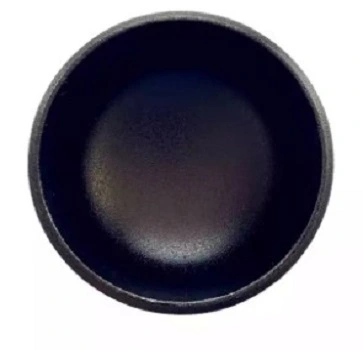
How Material Selection Determines Steel Pipe Cap Performance?
Corrosion Resistance and Protection Against Environmental Damage
The steel pipe cap material type has a direct impact on its corrosion resistance capability and reliability throughout time. In many industrial piping systems, the pipe tops are subjected to moisture, chemicals, salt spray, temperature changes, and other environmental factors that may deteriorate the material over time. The correct material will combat the risk of corrosion and extend the life of the overall pipe system.
Carbon steel is the most used material since it is very strong and inexpensive. However, under harsh situations, it often requires protective measures like coatings, painting, or surface treatments to reduce corrosion. Such protective coatings may improve longevity, but they also need to be periodically tested to ensure they remain effective for long-term use.
Stainless steel resists corrosion better than other types of steel because a protective coating of chromium oxide forms naturally on its surface. This passive layer prevents further oxidation and makes stainless steel the material of choice for applications involving moisture, chemicals, or hygiene. Its steady corrosion performance is advantageous in the food processing, pharmaceutical production, and chemical handling sectors.
Alloy steel is another solution for demanding applications. It offers strength and superior resistance to particular environmental conditions. By changing the alloy composition, the maker may make it more resistant to heat, chemical attack, or other demanding working conditions.
Picking the right material will reduce the chance of failure from corrosion, unscheduled maintenance, and costly system downtime. The proper selection of a steel pipe cap will guarantee a safer operation and add to the long-term reliability of the pipeline network.
Temperature Resistance and Long-Term Thermal Performance
Another factor that affects the effectiveness of steel pipe caps is the operating temperature. Materials that are excellent at normal temperatures might lose their strength, hardness, or durability if they are exposed to extended high temperatures. So always consider the temperature needs when picking the material.
Carbon steel works for many mid-range temperature applications. However, long-term exposure to high temperatures may steadily impair its mechanical properties and increase the chance of deformation or fatigue of the material. Carbon steel is a good and cheap solution for systems with stable, controlled temperatures.
Stainless steel, in particular grades 304 and 316, has great corrosion resistance and adequate mechanical properties at elevated temperatures. This combination makes it perfect for industrial applications where heat exposure and corrosion avoidance are both required.
Alloy steel is typically used for extreme temperature applications. The alloying elements serve to strengthen the resistance to thermal stress and also maintain the strength of the material for long periods of operation. Power plants, refineries, and petrochemical facilities generally need materials that are resistant to continuous cycling of temperature and severe working conditions.
Selecting a pipe cap material that suits your temperature requirements can help you prevent problems like cracking, warping, and premature failure. The pipe cap provides tight closure and reliable protection throughout the service life, provided it is manufactured from an appropriate material.
Mechanical Strength and Pressure Performance
In the evaluation of materials for steel pipe caps, it is necessary to take into account the mechanical strength of the materials since the components are exposed to internal pressure, external pressures, vibration, and mechanical stress. If the pipe cap is not sturdy enough, it may deform or shatter. This might jeopardize the safety and efficiency of the whole pipe system.
Carbon steel is commonly utilized in common industrial applications due to its optimum combination of strength, weldability, and cost. Easy to assemble and install, its hardness makes it able to handle many frequent pressure scenarios.
Good corrosion resistance and steady mechanical qualities are achieved with stainless steel. Stainless steel comes in several grades that provide the strength needed for demanding industrial applications and is often chosen for its resistance to environmental damage.
Alloy steel is usually used when you require more strength and longer wear. The increased mechanical properties make it appropriate for high-pressure systems, heavy-duty equipment, and applications where safety margins are of vital concern.
Engineers have to consider more than the strength of the material when selecting a steel pipe cap. The final performance will be dependent upon pipe size, wall thickness, pressure rating, welding requirements, operating temperature, and service environment. Proper selection of material provides the pipe cap to be leakproof, durable, and dependable for its expected service life.
Key Factors to Consider Before Selecting Steel Pipe Cap Materials
Matching Material Selection With Operating Conditions
The working environment is often one of the first things to consider when choosing steel pipe caps. Which material will function best is determined by temperature, humidity, chemical exposure, pressure conditions, and mechanical stress.
Take offshore platforms and chemical plants, for example; they often require stainless steel since they process corrosive substances. Meanwhile, carbon steel may perform a wonderful job for typical industrial pipes when conditions are controlled.
The project requirements should also capture future changes in the way the project will be handled. If a pipeline will be exposed to higher pressure, temperature, or other media in the future, it may be necessary to use a more resistant material right from the start.
A careful evaluation of actual working conditions will help producers to avoid selecting a material based just on first cost and ensure enhanced reliability over the long run.
Meeting Industry Standards and Quality Expectations
Compliance with industry requirements is another significant factor in picking steel pipe caps. Different industries have strict rules for material quality, manufacturing techniques, testing procedures, and documentation.
Some safety and performance requirements need to be satisfied by piping components, and standards such as ASME, API, and ISO provide guidelines to help achieve this. There are several areas where the choice of materials to meet known criteria is crucial, such as power generation, chemical processing, and oil & gas.
Manufacturers, typically dependable, give material certificates, inspection records, and quality papers to prove the products meet the project specifications. The paperwork helps engineers check the applicability of the steel pipe caps for the intended usage.
Evaluating Total Cost Rather Than Initial Price
Cost is a major element in industrial purchasing decisions, but the lowest purchase price is not always the best response. Companies should assess the whole cost of ownership, including installation, maintenance, replacement, and potential downtime.
Carbon steel pipe caps usually are the cheapest to buy and hence good for widespread usage. But extra protection and maintenance in severe conditions might potentially increase long-term expenditures.
Stainless steel and alloy steel are sometimes more costly initially but tend to be more dependable and last longer. But the added expense may be justified by less maintenance and less likelihood of disruption of operation for critical systems.
For companies looking to choose the best combination of performance, durability, and budget requirements, a comprehensive cost analysis is important.
Conclusion
The material used for manufacturing steel pipe caps plays a significant role in determining the safety, durability, and efficiency of industrial piping systems. Carbon steel remains a popular option because of its affordability, strength, and versatility, while stainless steel provides excellent corrosion resistance for demanding environments. Alloy steel offers advanced performance for applications involving high pressure, high temperatures, and severe operating conditions.
Selecting the right material requires more than comparing basic product prices. Engineers and purchasing professionals must evaluate environmental conditions, mechanical requirements, industry standards, and long-term operating costs. A well-chosen pipe cap can improve system reliability, reduce maintenance demands, and support safer industrial operations.
As industries continue to develop and operating conditions become more complex, the demand for specialized steel materials and advanced manufacturing solutions will continue to grow. Understanding the characteristics of different steel materials enables companies to make informed decisions and select pipe caps that deliver dependable performance throughout their service life.
For more information on our high-quality steel pipe caps and other piping components, please contact us at oudi-04@oudiguandao.com. Our team at Cangzhou Oudi Pipe Manufacture Co., Ltd. delivers first-rate goods and services tailored to your individual requirements.
References
1. Smith, J. R. (2019). Advanced Materials in Steel Pipe Cap Manufacturing. Journal of Industrial Engineering, 45(3), 278-295.
2. Johnson, A. L., & Thompson, R. K. (2020). Corrosion Resistance of Various Steel Alloys in Pipe Cap Applications. Corrosion Science and Technology, 55(2), 112-128.
3. Zhang, Y., et al. (2018). Comparative Analysis of Carbon Steel and Stainless Steel Pipe Caps in High-Temperature Environments. Materials Science and Engineering: A, 730, 381-397.
4. Brown, M. S. (2021). Cost-Benefit Analysis of Material Selection for Industrial Pipe Caps. International Journal of Industrial Economics, 67(4), 502-518.
5. Davis, E. R., & Wilson, C. L. (2017). Regulatory Compliance in Steel Pipe Cap Manufacturing: A Global Perspective. Journal of Industrial Compliance, 33(1), 45-62.
6. Lee, H. K., et al. (2022). Innovations in Alloy Steel Pipe Caps for Extreme Environmental Conditions. Advanced Materials Engineering, 88(5), 721-739.

Need help finding the right solution with our experts. Please contact us.

SINCE 1998 Your Reliable Pipeline Manufacturer



