Corrosion-Resistant Short Radius Elbows: A Game-Changer in Piping
Industrial piping rarely operates in ideal conditions. Process fluids can contain chlorides, acids, solvents, moisture, or other substances that gradually attack metal surfaces, while temperature changes, pressure fluctuations, vibration, and restricted installation areas add further demands to the system. In these environments, the elbow is more than a simple directional fitting. Its material, geometry, wall thickness, manufacturing quality, and connection method can all affect the reliability of the completed piping system.
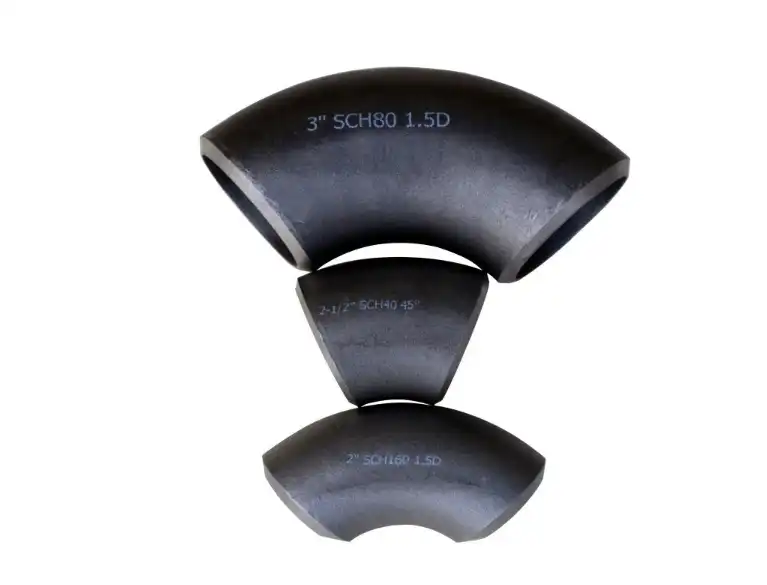
This is where short-radius elbows can provide a practical advantage. The compact design of a pipe enables it to reverse direction across a shorter centerline radius than a long-radius elbow, which may be advantageous when equipment configurations leave limited area for routing. With the fitting made from the proper corrosion-resistant material, the design may provide installation flexibility with resistance to severe service conditions.
But picking the proper elbow is not only a question of selecting the shortest radius possible or the most corrosion-resistant alloy. Engineers and procurement teams must examine fluid to be transferred, operating temperature and pressure, corrosion mechanisms, required standards, welding needs, available space, and projected service conditions. A good matching short-radius elbows solution should be suited for the whole pipe design but not be picked as an independent part.
Why Corrosion Resistance Is Critical in Compact Piping Systems?
Corrosive Media Can Turn a Small Fitting Into a Major Reliability Concern
Corrosion in a pipe system may not always begin with an evident failure. Depending on the service environment, it may develop progressively via general surface attack, pitting, crevice corrosion, erosion-corrosion, or other processes. Elbows modify the direction of the fluid flow, and hence their shape may also affect the local flow behavior and wall loading.
Progressive deterioration of an inappropriate material may result from prolonged exposure of an elbow to chlorides, saltwater, acidic process fluids, or humid conditions. If the wall thickness is lowered below the permitted limitations, the fitting may become the weak point of the system even while the remainder of the pipeline is in excellent condition.
When compact geometry is needed, yet standard materials may not offer adequate resistance to the working environment, corrosion-resistant small-radius elbows are used. It’s not just about making the elbow last longer. This is to guarantee the material stays compatible with process conditions in the time of planned service.
Longer Service Life Can Reduce the Cost of Repeated Maintenance
The purchasing price of a pipe fitting is just one portion of the total cost. A cheap elbow might end up costing a lot more if rust leads to recurrent inspections, replacement work, or unscheduled shutdowns.
Replacing an elbow in an accessible workshop setting is not the same as replacing one placed in a small processing unit, offshore module, maritime system, or congested industrial facility. The true cost of replacement might be increased by access equipment, personnel, isolation processes, welding work, inspection, and production downtime.
For this reason, corrosion resistance must be considered in conjunction with the projected service life of the component. If an initial material cost is greater but decreases the risk of premature replacement and supports predictable maintenance intervals, that may be financially reasonable.
Material Integrity Also Supports Safer System Operation
The expense of repair is just a small part of the repercussions of a corroded fitting. The failure of containment in systems transporting hydrocarbons, aggressive chemicals, hot fluids, or other process media may be a problem from both an operational and environmental standpoint.
Choosing the right corrosion-resistant material does not remove all pipe risks, as system safety still relies on design, welding, installation, inspection, and operational controls. It does, however, eliminate one large source of material-related deterioration. An elbow, hence, should be viewed as part of the pressure boundary of a vital pipe and not a minor accessory.

Choosing Materials for Corrosion-Resistant Short-Radius Elbows
Stainless Steel Grades for General and Chloride-Exposed Service
Industrial elbows are often made of stainless steel mainly due to the possibility of combining corrosion resistance with mechanical strength and generally established production methods. The correct grade relies on the actual process circumstances, not only on the fact that a system is labeled as “corrosive.”
Duplex and super duplex stainless steels are of special interest in applications where short-radius elbows require mechanical strength and resistance to chloride-containing conditions. The mix of austenitic and ferritic phases gives them a different balance of qualities than traditional austenitic stainless steels and may be beneficial in demanding offshore and marine applications.
But performance may be somewhat different from grade to grade, even within families of stainless steel. The chloride content, temperature, pH, flow conditions, and the presence of other pollutants must be addressed in evaluating the suitability of a material for use in a given service.
Nickel Alloys for More Demanding Chemical Environments
Nickel-based alloys should be chosen if stainless steel does not give enough buffer against the corrosion processes envisaged. Alloys such as Inconel or Hastelloy are utilized in certain industrial conditions because of their resistance to certain combinations of chemical attack and high temperature.
The point is that “nickel alloy” is not a cure-all for any and all corrosive services. Varying grades have varying chemical compatibility, mechanical qualities, manufacturing requirements, and pricing; material selection should thus be dependent on the actual process fluid and design circumstances, with the appropriate material specification ideally being explicitly described in the project documentation.
Coatings Can Add Another Layer of Surface Protection
But an elbow doesn't need to be made from a corrosion-resistant metal to be protected. In certain systems a suitable coating or surface treatment may be used to create a further barrier between the fitting and the surrounding environment.
Epoxy systems, ceramic coatings, thermal spray technologies, and some polymer-based protective layers may be employed if their qualities are consistent with the service circumstances. The success of these coatings relies on a number of criteria, including surface preparation, coating thickness, adhesion, temperature resistance, chemical compatibility, and the likelihood of mechanical damage during installation.
Therefore, coatings should not be seen as a general alternative for good material selection. In certain projects, they are most successful when included in a larger corrosion management approach.
Understanding the Design Trade-Offs of Short-Radius Elbows
Compact Geometry Is Valuable When Installation Space Is Limited
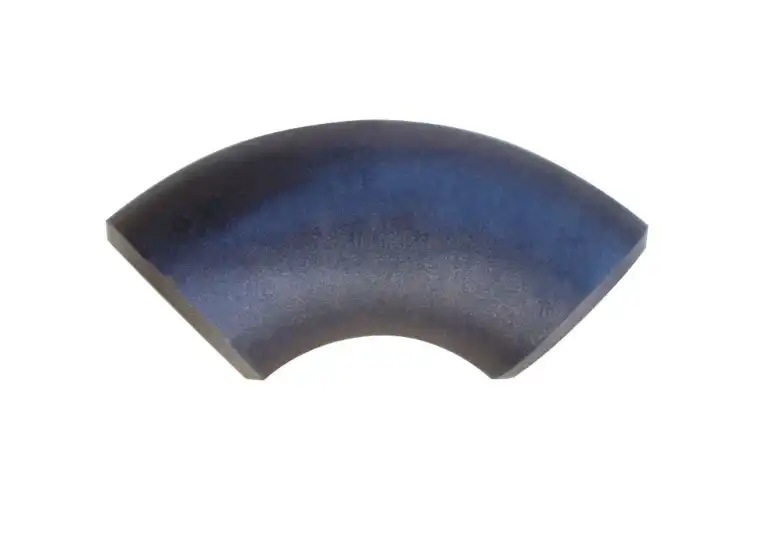
Short radius elbows are characterized by their tiny centerline radius. They need less room to change direction than long-radius options and may also help to simplify pipe routing around machinery, structural elements, valves, and other components.
This feature is particularly beneficial in shipboard plumbing, offshore modules, process skids, equipment connections, and other installations where every millimeter of space available might be critical. A shorter elbow allows a designer to retain pipe closer to equipment or to accommodate a directional change into an area where a long-radius fitting might interfere with nearby components.
But space savings should always be addressed in the whole plumbing design. A compact fitting may address a layout difficulty, but it should not be picked merely on the basis of occupying less space.
Flow Behavior Should Be Considered Before Selecting the Smallest Radius
Reducing the radius of an elbow will modify the flow of fluid through the fitting. In many applications a short-radius elbow creates more turbulence and pressure loss than an equivalent long-radius elbow and causes a larger shift in the flow direction.
Is this distinction important? It is contingent upon the system. The impact in a low-flow utility line may be rather little. If pressure drop, pump capacity, erosion, or flow stability are critical in a high-flow process system, the elbow design should be analyzed more closely.
That is why in experienced pipe design there is not an immediate preference for the use of short-radius elbows or long-radius fittings. The proper decision is a function of available space, hydraulic needs, equipment layout, and project parameters.
Mechanical Loads Matter Alongside Corrosion Resistance
The elbow is subjected to the pressure of the internal fluid and also to the loads generated by the surrounding piping system. The strains surrounding the fitting and its welded connections may be affected by thermal expansion, vibration, support conditions, equipment movement, and variations in operating pressure.
There is no corrosion-resistant material that can compensate for an inappropriate mechanical design. The chosen elbow shall be sized and material selected to be compliant with the pipe specifications. The entire system should consider support and thermal movement needs.
Therefore, the material selection and geometry selection should be jointly examined. The best short-radius elbows are those that satisfy the application’s environmental and mechanical criteria.
How Engineers Should Evaluate Short-Radius Elbows Before Purchase?
Start With the Actual Operating Environment
The first step is to define what the elbow will encounter during service. This includes the composition of the fluid, operating temperature, design pressure, flow characteristics, chloride exposure, moisture level, and any known corrosion mechanisms.
For example, an elbow used in a seawater-related system may require a different material strategy from one installed in a chemical processing line handling acidic media. Two systems may both be described as “corrosive,” while the actual material requirements are substantially different.
The expected operating environment should therefore be documented before comparing suppliers or product prices.
Confirm Dimensions, Materials, and Applicable Standards
For butt-welding fittings, ASME B16.9 is a commonly referenced dimensional standard covering factory-made wrought butt-welding fittings. Depending on the project, other specifications may govern the material grade, wall thickness, pressure design, welding procedure, inspection, and testing requirements.
Procurement teams should confirm that the supplier can provide documentation corresponding to the required specification. Material certificates, dimensional inspection records, heat or batch traceability, and applicable test documentation can help establish that the delivered elbows match the approved requirements.
This documentation becomes particularly important for critical piping, where replacing an incorrectly supplied fitting after installation can be far more expensive than identifying the discrepancy before delivery.
Examine Manufacturing and Inspection Capabilities
A reliable supplier should be able to explain how the elbows are formed, heat treated when required, finished, inspected, and identified throughout production. Consistency in wall thickness, end dimensions, surface condition, and overall geometry matters because even a fitting manufactured from a suitable alloy can create problems if its production quality is inconsistent.
Depending on the project specification, inspection may include dimensional checks, visual examination, material verification, and non-destructive examination. Welding-related requirements should also be clearly defined when the elbows are intended for butt-welded installation.
Rather than relying on general statements such as “premium quality,” buyers should request objective documentation that demonstrates how the fitting was manufactured and verified.
Where Corrosion-Resistant Short-Radius Elbows Make Practical Sense?
Chemical Processing and Industrial Plants
Chemical processing facilities often contain complicated pipe networks that must be routed around tanks, pumps, heat exchangers, vessels, and structural components. In such environments, corrosion resistance and compact geometry can become equally important.
A suitable short-radius elbow can help designers manage restricted routing space while the selected alloy or protective system addresses the specific chemical environment. The correct material depends heavily on the process fluid, concentration, temperature, and exposure duration, so the fitting should be specified according to actual operating conditions.
Offshore Platforms and Marine Piping
Offshore and marine systems combine several challenging conditions. Saltwater exposure, humidity, restricted installation areas, vibration, and difficult maintenance access can all influence fitting selection.
Here, compact short-radius elbows can be useful when pipe routing must fit within confined modules or machinery areas. Duplex, super duplex, and selected nickel-based alloys may be considered for applications where their corrosion and mechanical properties match the service environment.
The value of the fitting is particularly apparent when replacement access is difficult. Preventing premature material degradation can be more valuable in an offshore installation than in a readily accessible plant area.
Wastewater and Water-Related Facilities
Wastewater systems can expose piping components to moisture, chemicals, suspended solids, and continuously changing process conditions. Some areas of a treatment facility may be relatively mild, while others can be significantly more aggressive.
Corrosion-resistant fittings can help maintain the integrity of pipe connections when the material has been correctly matched to the process. Short-radius designs can also help with routing in equipment-dense areas where space around pumps, treatment equipment, and structural supports is limited.
Getting Better Value From the Right Supplier
Look Beyond the Unit Price
A supplier comparison should not stop at the quoted price per elbow. The more useful question is whether the supplied fitting meets the required material, dimensions, documentation, and inspection criteria without creating additional work later.
A low-cost product that arrives without adequate traceability or fails to meet dimensional requirements may create delays during inspection or installation. By contrast, a supplier with clear manufacturing controls and complete documentation can reduce procurement uncertainty even when its initial quotation is not the lowest.
Ask for Documentation That Matches the Project
Before placing an order, procurement teams should establish exactly which documents will accompany the shipment. Depending on project requirements, this may include material certificates, dimensional reports, inspection records, NDE reports, heat numbers, and certificates of conformity.
Traceability is particularly valuable for corrosion-resistant alloys because material substitution can affect service performance. Clear identification from raw material through finished fitting provides greater confidence that the delivered elbow is the same material that was approved during the engineering stage.
Consider Custom Requirements Early
Not every piping system can be served effectively by a generic fitting. Dimensions, wall thickness, material grade, end preparation, surface treatment, inspection requirements, and documentation can vary from one project to another.
Discussing these requirements with the supplier before production allows potential compatibility issues to be identified early. It also gives engineers an opportunity to confirm whether the requested short-radius elbows can be produced within the required dimensional and material specifications.
Conclusion
Corrosion-resistant short-radius elbows can be an effective solution when industrial piping must combine material durability with a compact installation footprint. Their value comes from more than corrosion resistance alone. The radius, alloy, wall thickness, manufacturing process, connection method, and operating environment all influence whether a fitting will perform as intended.
For chemical processing, marine systems, offshore installations, wastewater facilities, and other demanding applications, engineers should select the elbow according to the actual service conditions rather than relying on a general “corrosion-resistant” label. The same approach should be applied to supplier evaluation: material traceability, dimensional accuracy, manufacturing controls, inspection records, and compliance with the required standards are all important indicators of product reliability.
When the geometry and material are properly matched to the piping system, short-radius elbows can solve difficult routing constraints without treating compactness as the only design priority. A careful balance between space, flow behavior, mechanical loading, corrosion resistance, and total lifecycle cost ultimately provides a more dependable basis for industrial piping decisions.
For more information on our range of corrosion-resistant short-radius elbows and other high-quality piping solutions, please contact us at oudi-04@oudiguandao.com. Our team of experts is ready to assist you in finding the perfect solution for your specific needs, ensuring optimal performance and longevity for your piping systems.
References
1. Smith, J.A. and Brown, R.B. (2021). "Advancements in Corrosion-Resistant Materials for Short Radius Elbows." Journal of Industrial Piping Technology, 45(3), 287-301.
2. Johnson, M.C. (2020). "Comparative Analysis of Flow Characteristics in Short Radius vs. Long Radius Elbows." International Journal of Fluid Dynamics, 18(2), 112-128.
3. Lee, S.H., et al. (2019). "Cost-Benefit Analysis of Implementing Corrosion-Resistant Short Radius Elbows in Chemical Processing Plants." Chemical Engineering Economics, 33(4), 412-425.
4. Garcia, A.R. and Martinez, L.M. (2022). "Innovative Coating Technologies for Enhanced Corrosion Protection in Piping Components." Surface and Coatings Technology, 421, 127384.
5. Wilson, D.K. (2020). "Space-Saving Strategies in Industrial Piping Design: The Role of Short Radius Elbows." Plant Engineering Quarterly, 56(1), 78-92.
6. Thompson, E.L., et al. (2021). "Environmental Impact Assessment of Corrosion-Resistant Piping Systems in Industrial Applications." Journal of Cleaner Production, 315, 128178.

Need help finding the right solution with our experts. Please contact us.

SINCE 1998 Your Reliable Pipeline Manufacturer