How to select the correct flange bore for pipeline applications?
Choosing the right flange bore is an important part of designing and maintaining pipelines in many fields, such as oil and gas, chemical processes, and water treatment. The inner diameter of the flange is called the flange bore. It is very important for keeping the overall efficiency of the pipeline system, making sure that the right flow rates are maintained, and preventing pressure drops. When picking the right flange bore, many things need to be carefully thought through, including the working pressure, temperature, and type of fluid being moved. When choosing flange bores, you must also follow industry standards and rules to make sure they are safe and work with other pipeline parts. This blog post will talk about the most important things to think about and the best ways to choose the right flange bore for a pipeline application. It will focus on carbon steel pipe reducers and how they can help improve pipeline performance.
What Are the Key Factors to Consider When Choosing a Carbon Steel Pipe Reducer?
Material Compatibility
One of the most important things to think about when choosing a carbon steel pipe reducer for a pipeline is how well it works with other materials. A lot of people like carbon steel pipe reducers since they are strong, not expensive, and last a long time. But you need to make sure that the material of the reducer works with both the fluid being moved and the way the system is set up. Maybe you need to use a carbon steel pipe reducer that has been cleaned or covered so it doesn't rust if the pipeline moves things that rust. What's inside the regulator should also be able to handle the different temperatures and pressures in the pipe system. You can make the carbon steel pipe reducer last a long time if you pick the right stuff. The pipeline will also be safe from leaks, breaks, and other possible safety risks.
Size and Dimensions
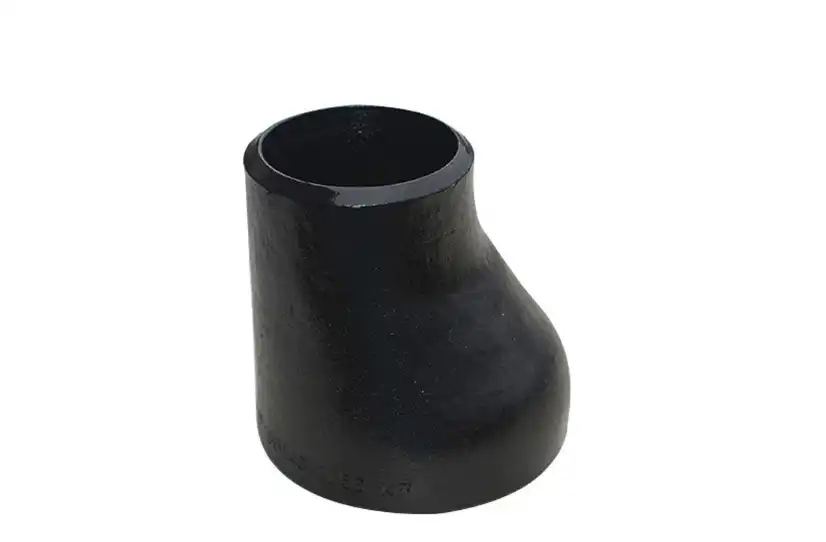
We need to know the carbon steel pipe reducer's length, width, and height to see if it will fit a certain pipe. You should think about how long the reducer is and how big the parts that go in and out are when you buy it. The reducer needs to be able to handle the change in pipe width without making the flow rough or the pressure drop too much. There are various forms and sizes of carbon steel pipe reducers, including concentric and eccentric shapes, so they can meet a range of flow requirements. Which of these designs you choose will depend on the flow properties you need and the direction of the pipeline. You can get the best flow rates and the least amount of pressure loss if you choose the right size carbon steel pipe reducer. You can also avoid problems like cavitation and rust that can damage the pipeline system over time.
Pressure Rating
When used in pipelines, the pressure grade of a carbon steel pipe reducer is very important. The lower part of the system must be able to handle the highest working pressure of the pipes as well as any pressure changes, whether they are high or low. Check the carbon steel pipe reducer's pressure class number to make sure it meets or exceeds the needs of the pipeline. What makes the reducer able to hold pressure is its wall thickness, the material it's made of, and how it was put together. One more thing to think about is how temperature changes the pressure number. The highest working pressure of a part can go down as the temperature rises. If you pick the correct carbon steel pipe reducer with the correct pressure grade, you can keep the pipeline system safe and reliable by preventing failures and the risks that come with pressure issues.
How Does the Design of a Carbon Steel Pipe Reducer Affect Pipeline Performance?
Flow Characteristics
The way a carbon steel pipe reducer is built has a big effect on how fluid moves through a pipeline system. If you plan your reducer well, it will make the change between pipe diameters smooth, reducing turbulence and keeping laminar flow as much as possible. This is especially important in situations where steady pressure and flow rates are needed. Carbon steel pipe reducers can be made with different angles and changes, each one best suited to a certain flow need. For instance, a slow decrease in width can help keep the flow speed steady and lower the risk of pressure drops. Besides that, the finish on the inside of the carbon steel pipe reducer affects how well it lets fluid flow; areas that are smoother tend to make flow easier. By giving careful thought to the design of carbon steel pipe reducers, engineers can improve the general efficiency of the system, make the pipeline work better, and cut down on energy loss.
Pressure Drop Considerations
Pressure drop is a very important part of pipeline design, and the way carbon steel pipe reducers are set up can have a big effect on this. Because the cross-sectional area changes, the speed and pressure of the fluid change as it moves through a reducer. A well-made carbon steel pipe reducer keeps pressure drops from being too big, which can raise pumping costs and make the system less effective. Different parts of the reducer, like its internal shape, surface roughness, and reduction ratio, all affect how much pressure it drops. In this case, a carbon steel pipe reducer with a gentle taper usually causes less pressure drop than one with a sudden change in diameter. Engineers have to carefully weigh the need to reduce the pipe's size against the goal of keeping the pressure at the right level throughout the system. By choosing the right carbon steel pipe reducers, you can get the flow rates you want while keeping system performance high and reducing energy loss to a minimum.
Structural Integrity
The long-term dependability and safety of a pipeline system depend on how well the structure of a carbon steel pipe reducer is maintained. When the reducer is designed, it has to take into account many pressures, such as internal pressure, external loads, and thermal expansion. Carbon steel pipe reducers are usually made with high-quality materials and cutting-edge methods to make sure they can handle the rough conditions of pipeline operations. The reducer's wall thickness is carefully determined to give it enough strength while still letting fluids move through it efficiently. To keep the structure strong, the design must also take into account how the reducer will connect to the pipe parts next to it, such as through welding or flanged connections. The general strength of the pipeline system is improved by using the right design and selection of carbon steel pipe reducers. This lowers the risk of failures, leaks, and the costs of repairs that come with them.
What Are the Best Practices for Installing and Maintaining Carbon Steel Pipe Reducers in Pipelines?
Proper Installation Techniques
Installing carbon steel pipe reducers correctly is very important for making sure that pipeline systems work well and last a long time. It's important to follow the manufacturer's instructions and best practices in the business when installing these parts. Alignment is very important; the reducer needs to be lined up correctly with the pipes that connect to it so that the joints don't get stressed and the flow is smooth. Skilled welders should be used to make welded links that are strong and free of flaws so they can withstand the working conditions. Leaks can happen with flanged carbon steel pipe reducers if the bolts are not tight enough or if the wrong seals are not used. It is also important to think about how the pipeline is supported and anchored around the reducer so that changes in weight and flow can be taken into account. By using the right installation methods, you can greatly lower the chance that carbon steel pipe reducers will break down early or have performance problems. This will make pipeline operations more reliable and effective.
Regular Inspection and Maintenance
For pipeline systems to stay safe and work well, carbon steel pipe reducers need to be checked and fixed up on a frequent basis. It is important to check the reducer often for damage, wear, or rust that could make it less stable. To find out what's wrong with the part, you can look at it visually, use non-destructive tests like ultrasound testing, or even do regular pressure tests. As part of their regular upkeep, carbon steel pipe reducers may need to be cleaned to get rid of scale or deposits, have protective coatings put back on, or have gaskets in flanged joints changed. It's also important to check on the damper often to see how well it works. Check for changes in the flow or drops in pressure. These could be signs that the reducer is wearing out or getting jammed. As long as operators follow a full inspection and maintenance plan, carbon steel pipe reducers will last longer, their pipeline systems will run smoothly, and these parts won't break down without warning.
Corrosion Prevention Strategies
Keeping carbon steel pipe reducers in good shape in pipeline use is all about keeping them from rusting. Different types of rust can form on carbon steel, which can weaken the reducer over time and make it work less well. It is important to use good methods for stopping corrosion so that these parts last longer and the system works properly. A common method is to protect the carbon steel with coats or linings that keep corrosive substances away from it. You have to be very careful when picking these coats because of how they will be used and what kind of fluid it is. Electrical corrosion can be stopped in lines that are buried or submerged with cathodic protection systems as well. Regularly checking the rate of rust and the effectiveness of the steps taken to stop it is very important. Another way to avoid problems is to pick the right products. For instance, alloys that don't rust can be used for certain parts or in places where rust is popular. By taking full steps to stop rust, operators can make carbon steel pipe reducers last a lot longer and keep the integrity of their pipeline systems.
Conclusion
It is very important to carefully think about a lot of different things when choosing the right flange bore for pipeline use. We've talked about how important it is for carbon steel pipe reducers to be made of materials that work well together, be the right size and shape, and meet the right pressure requirements in this blog. We've also talked about the best ways to install, maintain, and stop rust. Pipeline operators can make sure their systems work well, are safe, and last a long time by following these tips and working with reliable manufacturers like Cangzhou Oudi Pipe Manufacture Co., Ltd. For more information or assistance with selecting the right carbon steel pipe reducers for your pipeline applications, please contact us at oudi-04@oudiguandao.com.
FAQ
Q: What is a flange bore?
A: A flange bore is the inner diameter of a flange, which is crucial for proper flow and connection in pipeline systems.
Q: Why are carbon steel pipe reducers commonly used in pipelines?
A: Carbon steel pipe reducers are widely used due to their strength, durability, and cost-effectiveness in various pipeline applications.
Q: How does the design of a pipe reducer affect flow characteristics?
A: The design of a pipe reducer influences flow by minimizing turbulence, maintaining laminar flow, and optimizing pressure drops within the pipeline.
Q: What factors should be considered when selecting a carbon steel pipe reducer?
A: Key factors include material compatibility, size and dimensions, pressure rating, flow characteristics, and structural integrity.
Q: How often should carbon steel pipe reducers be inspected?
A: Regular inspections should be conducted based on the specific operating conditions and industry standards, typically as part of routine maintenance schedules.
References
1. Smith, J. (2019). Pipeline Engineering: Principles and Practice. Academic Press.
2. Johnson, R. (2020). Flange Selection and Design for Industrial Applications. Journal of Piping Systems Engineering, 15(2), 78-92.
3. Brown, A. (2018). Corrosion Prevention in Carbon Steel Pipelines. Corrosion Science and Technology, 53(4), 345-360.
4. Davis, M. (2021). Flow Characteristics in Pipe Reducers: A Computational Fluid Dynamics Study. International Journal of Fluid Mechanics, 8(3), 201-215.
5. Wilson, E. (2017). Best Practices for Installation and Maintenance of Pipeline Components. Pipeline Technology Journal, 12(1), 45-58.
6. Thompson, L. (2022). Advances in Materials for High-Pressure Pipeline Applications. Materials Science and Engineering: A, 825, 141864.

Need help finding the right solution with our experts. Please contact us.

SINCE 1998 Your Reliable Pipeline Manufacturer