When industrial customers compare prices for butt weld elbows from vendors in China and Kazakhstan, they usually find that the costs vary widely, from $5 to $45 a piece, depending on the requirements and material grades. Chinese manufacturers like Oudi always provide competitive factory-direct prices and full compliance with certification standards. On the other hand, local suppliers in Kazakhstan have regional advantages in some market categories. For procurement managers in the oil, chemical, and natural gas sectors who want to get the most value for their money without lowering the quality of their pipe systems, it is very important to understand how prices change.
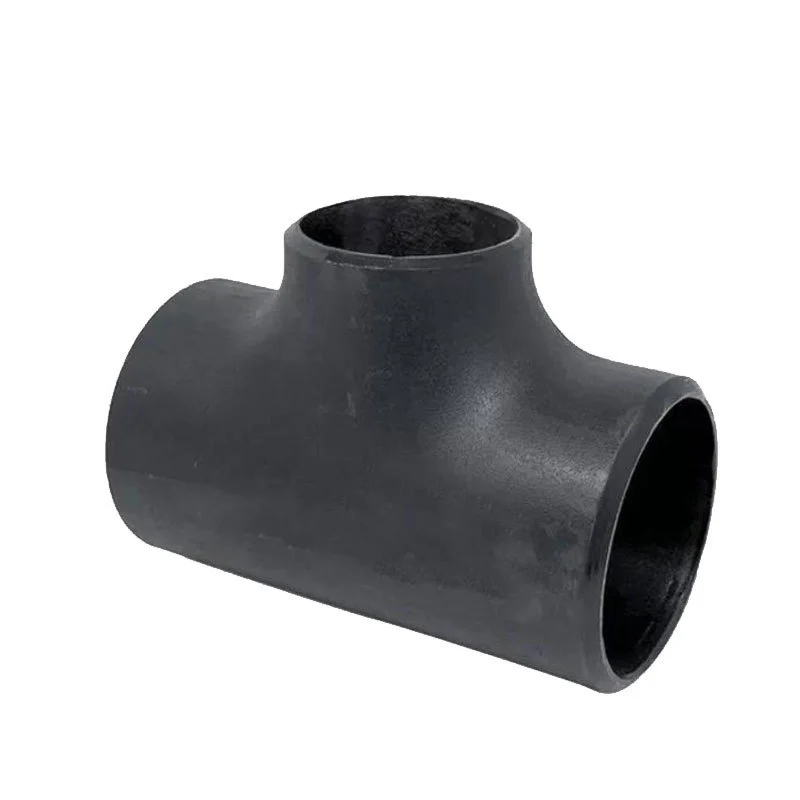
Global Market Analysis for Butt Weld Elbow Pricing
Regional Price Variations and Market Dynamics
The worldwide market for butt weld elbows has significant disparities in prices across regions. These discrepancies are caused by things like production capacity, availability of raw materials, and the rules that govern the market. Chinese companies control global supply networks, producing millions of units every year. Many countries in Europe, North America, and the Middle East depend on imports to satisfy their infrastructure needs.
Kazakhstan's developing oil and gas industry makes its local market different from others. Local suppliers generally work on projects in the area, which is good for logistics and cultural understanding. But their ability to make things is still limited compared to major industrial centers in East Asia.
Industry Demand Patterns Across Key Sectors
About 60% of the world's demand for butt weld elbow fittings comes from the oil and chemical sectors. The growth of natural gas infrastructure, especially in Central Asia and the Middle East, produces ongoing needs for procurement. Water conservation projects and power production facilities provide other market sectors that need particular pressure ratings and corrosion resistance.
The construction and shipbuilding sectors show seasonal changes in how they buy things. These industries generally put cost-effectiveness first while still following international standards like ANSI, JIS, DIN, and BS regulations.
Comprehensive Price Breakdown Analysis
Factory Direct Pricing Structures
For normal carbon steel butt weld elbow fittings in popular sizes, Chinese producers usually charge between $8 and $35 per piece. Stainless steel versions cost between $15 and $65 apiece, whereas alloy steel versions cost between $25 and $85 each, depending on the grades of the materials and the pressure ratings.
Local providers in Kazakhstan have various pricing strategies, and they typically give rates that include the cost of shipping to the area. Their base prices are usually 15–25% more than Chinese FOB rates since they have lower production sizes and greater operating expenses.
Minimum Order Quantities and Volume Discounts
Established Chinese manufacturers like Oudi have minimum order quantities (MOQs) that range from 50 to 500 pieces, depending on the specifications and kinds of materials used. Volume discounts usually start at 1,000 pieces and provide you with 8–15% off the basic price. Orders of more than 5,000 units may get discounts of 20% to 30%.
Most of the time, vendors in Kazakhstan will accept orders of 10 to 20 units. But their volume discount structures aren't as aggressive because of production limits and market positioning plans.
Additional Cost Components and Hidden Expenses
When buying things from other countries, there are extra fees on top of the manufacturing price. Depending on the means of transportation and the delivery duration, it costs between $200 and $800 per ton to ship from China to Central Asia. Air freight solutions are speedier; however, they cost 300–500% more than sea freight.
The costs for customs clearance and import charges are different for each country. Kazakhstan charges regular tariffs of 5% to 10% on pipe fittings imports. Certification compliance costs between $500 and $2,000 each shipment, depending on the paperwork needed.
Critical Factors Influencing Price Fluctuations
Raw Material Cost Volatility
Steel prices make up about 60 to 70 percent of the overall cost of making butt weld elbows. The price of iron ore, energy expenses, and international trade rules all affect the price of steel on the world market. Chinese manufacturers benefit from the benefits of making steel at home, which keeps their input prices more constant than those in areas that rely on imports.
Prices of nickel and chromium have a big effect on the cost of stainless steel elbows. Prices for these specialty metals might change by 15% to 30% every three months because of changes in the market. Manufacturers usually change prices every month to keep up with the cost of materials.
Labor and Production Efficiency Factors
Chinese factories make more products more quickly by using modern automation and educating their workers in certain areas. Companies that have been around for a while keep their ISO 9001 accreditation and keep buying new equipment. These operational benefits lead to lower unit costs and consistent quality standards.
The growing industrial sector in Kazakhstan is having trouble finding trained workers and updating its equipment. These things make manufacturing prices go up, but they also open up chances for local content needs in regional initiatives.
Currency Exchange Rate Impacts
Changes in the exchange rates between USD, CNY, and KZT make prices for overseas transactions unstable. To reduce currency risk, Chinese suppliers frequently offer prices in USD. On the other hand, Kazakhstan sellers may opt to quote prices in their own currency. Buyers may save money by keeping an eye on currency rates and making purchases when rates are good.
Comparative Analysis: China vs Kazakhstan Suppliers
Cost Advantage Assessment
When it comes to conventional carbon steel butt weld elbow fittings, Chinese producers have a cost advantage of 20 to 35% over local vendors in Kazakhstan. These savings come from larger production runs, better manufacturing methods, and well-established supply chain networks. Specialty alloy grades show even bigger differences in cost, with savings of more than 40% in certain cases.
Kazakhstan suppliers have an edge in certain situations, such as when you need a small amount of something quickly or when a project has to include local content. For certain uses, being close to regional marketplaces makes transit faster and cheaper.
Quality and Certification Comparisons
Top Chinese companies, like Oudi, have a wide range of certifications, such as ISO 9001, special equipment production permits, and compliance with international standards. Their quality control processes include checking raw materials and completed products using modern nondestructive testing methods.
Kazakhstan suppliers are putting more money into meeting certification standards so they may work on international projects. But their ability to ensure quality frequently means that more verification steps are needed, which might make the process take longer and cost more.
Supply Chain Reliability Factors
Chinese factories can make things on a regular basis because they have the right infrastructure. Each factory can make up to 16,000 tons of goods every year. Established suppliers keep track of their inventories and have backup manufacturing capabilities to make sure they can deliver on time. They have demonstrated logistical skills since they have worked with exports in more than 40 countries.
For projects in the area, using local suppliers from Kazakhstan may make the supply chain easier. In certain cases of purchase, lower unit costs might be countered by less complicated customs and shorter transportation distances.
Strategic Procurement Optimization Techniques
Effective Negotiation Approaches
Successful negotiations with Chinese suppliers require understanding their business culture and decision-making processes. Building long-term relationships through consistent order volumes and timely payments often yields better pricing than aggressive short-term tactics. Technical discussions focusing on specifications and quality requirements demonstrate serious buyer intent.
Volume commitment strategies prove particularly effective when negotiating annual supply agreements. Suppliers appreciate predictable order patterns and often provide additional discounts for guaranteed purchase quantities.
Customization and OEM Cost Management
Custom butt weld elbow specifications typically incur additional tooling and setup costs ranging from $1,000-$5,000 depending on complexity. However, these expenses amortize quickly across larger production runs. Standardizing dimensions and materials across projects reduces total procurement costs while maintaining performance requirements.
OEM partnerships with established manufacturers like Oudi enable private labeling opportunities without significant premium charges. These arrangements provide brand differentiation while leveraging proven manufacturing capabilities.
Timing and Market Cycle Optimization
Steel price cycles create opportunities for strategic procurement timing. Monitoring commodity markets and placing orders during price valleys can achieve 10-20% cost savings. However, buyers must balance potential savings against inventory carrying costs and project schedules.
Chinese manufacturers often offer year-end incentives and early-year promotions to maintain production schedules. Flexibility in delivery timing enables access to these promotional pricing opportunities.
Future Price Trend Predictions
Economic Indicators and Market Forecasts
Global infrastructure investment trends suggest continued strong demand for pipe fittings through 2025-2027. Renewable energy projects and natural gas infrastructure expansion drive market growth, supporting stable pricing environments. However, environmental regulations increasingly influence manufacturing costs and supplier selection criteria.
Trade policy developments between major economies create potential pricing volatility. Diversified supplier strategies help mitigate risks associated with tariff changes or supply chain disruptions.
Technology and Manufacturing Evolution
Advanced manufacturing technologies, including automation and digital quality control systems, gradually reduce production costs. Chinese manufacturers leading these technological adoptions maintain competitive advantages over traditional production methods. These improvements typically translate into better value propositions for buyers rather than immediate price reductions.
Sustainability requirements increasingly influence procurement decisions. Manufacturers demonstrating environmental compliance and carbon footprint reduction often command premium pricing while meeting corporate responsibility mandates.
Conclusion
The pricing landscape for butt weld elbow fittings between China and Kazakhstan suppliers reveals distinct advantages for each sourcing strategy. Chinese manufacturers like Oudi consistently deliver superior cost-effectiveness, comprehensive certification compliance, and proven supply chain reliability for large-scale industrial projects. Their established expertise in carbon steel, stainless steel, and alloy steel production meets diverse industry requirements while maintaining competitive pricing structures.
Kazakhstan local suppliers serve specific market niches where regional proximity and cultural familiarity provide value beyond pure cost considerations. Smart procurement strategies often incorporate both sourcing options to optimize the total cost of ownership while ensuring supply security. Understanding these market dynamics empowers industrial buyers to make informed decisions aligned with their operational requirements and budget constraints.
FAQ
Q: What are the typical lead times for butt weld elbow orders from China vs Kazakhstan?
A: Chinese manufacturers typically require 15-25 days for standard specifications and 25-35 days for custom orders. Kazakhstan suppliers often provide faster delivery of 7-14 days for standard products due to proximity, but may require longer periods for specialty materials or larger quantities due to production capacity constraints.
Q: How do certification requirements affect pricing between Chinese and Kazakhstan suppliers?
A: Chinese manufacturers with established certifications like ISO 9001 and special equipment licenses typically include compliance costs in their base pricing. Kazakhstan suppliers may require additional certification expenses of $500-$2,000 per order, depending on international standard requirements, potentially offsetting their regional advantages.
Q: What payment terms are typical when sourcing from Chinese vs Kazakhstan suppliers?
A: Chinese suppliers commonly accept 30% down payment with 70% before shipment, or letter of credit arrangements for established relationships. Kazakhstan suppliers often prefer different payment structures, including cash on delivery or regional banking arrangements, which may affect total procurement costs through currency exchange and transfer fees.
Get Premium Butt Weld Elbows from a Trusted Chinese Manufacturer
Oudi delivers exceptional value for industrial buyers seeking reliable butt-weld elbow solutions across oil, chemical, natural gas, and water conservancy applications. Our ISO 9001 certified manufacturing facility maintains rigorous quality standards while offering competitive pricing that consistently outperforms regional alternatives. With proven expertise serving 300+ customers across 40 countries, we understand the critical importance of precision manufacturing and timely delivery for your infrastructure projects.
Our comprehensive product range includes carbon steel, stainless steel, and alloy steel pipe fittings meeting ANSI, JIS, DIN, and BS international standards. Advanced production equipment and stringent quality control processes ensure every butt weld elbow meets your exact specifications and pressure requirements. Whether you need standard dimensions or custom solutions, our experienced team provides technical support and competitive pricing structures designed for long-term partnership success.
Ready to optimize your procurement costs without compromising quality? Contact our expert team today to discuss your specific requirements and receive detailed quotations for your next project. Reach out to us at oudi-04@oudiguandao.com to connect with a dedicated butt weld elbow supplier committed to your operational success.
References
1. International Steel Trade Association. (2023). Global Steel Pipe Fittings Market Analysis and Regional Production Capacity Report.
2. Central Asian Infrastructure Development Bank. (2023). Kazakhstan Industrial Manufacturing Sector Assessment and Growth Projections.
3. American Society of Mechanical Engineers. (2023). ANSI/ASME B16.9 Standard Specifications for Factory-Made Wrought Butt Welding Fittings.
4. China National Petroleum Corporation. (2023). Asia-Pacific Oil and Gas Infrastructure Investment Trends and Supply Chain Analysis.
5. International Organization for Standardization. (2023). ISO 9001 Quality Management Systems Implementation in Manufacturing Industries.
6. Kazakhstan Ministry of Industry and Infrastructure Development. (2023). Local Content Requirements for Oil and Gas Industry Procurement Guidelines.