What fittings are recommended for power plant high-temperature steam lines?
In power plant building, picking the right fittings for high-temperature steam lines is very important for keeping the system safe, working well, and lasting a long time. In harsh situations, these fittings are very important for connecting pipes, controlling flow, and keeping the network of pipes that distribute steam intact. When engineers and plant managers look at fittings for high-temperature steam lines in power plants, they have to think about things like how well they can handle temperature and pressure, how well they work with other materials, and how well they don't rust. Most of the time, Carbon Steel Pipe Fittings are the best option because they are strong, last a long time, and are inexpensive. This piece will go into detail about the fittings that should be used on high-temperature steam lines in power plants. It will talk about the different types, how they can be used, and the benefits they offer in this tough industrial setting.
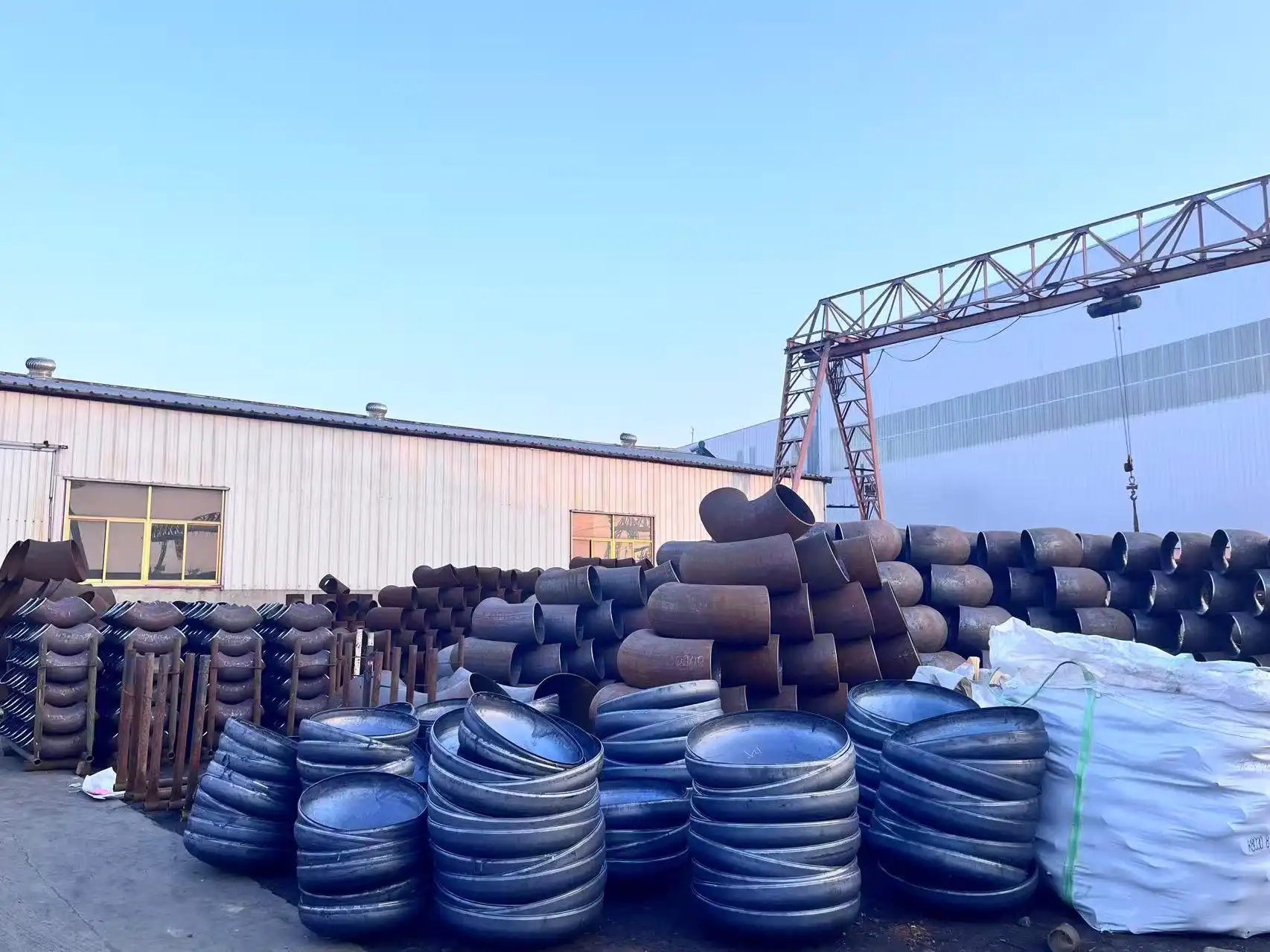
What are the key considerations when selecting carbon steel pipe fittings for steam lines?
Material Grade and Composition
When you buy Carbon Steel Pipe Fittings for power plants' very hot steam lines, you should really think about what kind of steel they are made of and how they are put together.When the job calls for them, CO2 pipe valves like ASTM A105, A234 WPB, or A420 WPL6 are often used. These are strong and last a long time at high temperatures, so they are great for use in steam lines. Because they are made of iron and steel, these parts are strong enough to work in power plants where things can get rough. Engineers have to carefully choose the right type of carbon steel pipe fittings based on the pressure, temperature, and any possible harmful agents to make sure the steam distribution system works well and lasts a long time.
Temperature and Pressure Ratings
It is very important to think about temperature and pressure when picking carbon steel pipe fittings for steam lines in power plants. Steam that is very hot can reach over 1000°F (538°C), and the pressure can rise above 2000 psi (138 bar). Pipe parts made of carbon steel need to be able to stand up to these rough conditions without breaking down or not working properly. Fittings usually come with temperature and pressure numbers that were given by the company that made them. It is important to carefully compare these numbers to what the power plant's steam system needs. Choose carbon steel pipe fittings that not only meet but also go beyond the highest working conditions. This is to be safe and take into account changes in temperature and pressure. Also, keep in mind that carbon steel pipe joints get bigger and smaller when hot so that the steam line system doesn't break down from stress.
Corrosion Resistance and Surface Treatment
When choosing carbon steel pipe fittings for high-temperature steam lines in power plants, corrosion protection is very important. Even though carbon steel is generally resistant to corrosion, it can be damaged by oxidation and stress corrosion cracking in steam settings. Different surface treatments and coatings can be put on carbon steel pipe fittings to make them more resistant to rust. Some of these are galvanization, phosphating, and the use of special high-temperature finishes. Some companies also make carbon steel pipe fittings that have more chromium or other alloying elements added to them to make them more resistant to rust. Also, carbon steel pipe valves must be installed correctly and inspected and maintained on a regular basis to avoid corrosion problems and make sure the steam line system lasts as long as possible in power plant settings.
How do different types of carbon steel pipe fittings perform in high-temperature steam lines?
Elbows and Bends
Pipe parts made of carbon steel that are used to change the direction of flow in high-temperature steam lines are elbows and bends. These fittings come in different angles, most commonly 45° and 90°, and can have either a long or short radius, based on the flow needs and available space. Long radius elbows are often better for high-temperature steam uses because they have less pressure drop and turbulence. When making carbon steel pipe parts like elbows and bends, great care must be taken to make sure they can handle the heat and possible wear and tear that comes from fast steam flow. Some manufacturers make reinforced elbows with thicker walls at the extrados to make them more resistant to wear in key places. You can get even better results from elbows and bends in high-temperature steam lines by installing them correctly. For example, you can use stress analysis and the right support systems.
Tees and Crosses
Tees and crosses are crucial carbon steel pipe fittings used in high-temperature steam lines for branching and combining flow paths. These fittings allow for the distribution of steam to multiple areas of the power plant or the integration of various steam sources. In high-temperature applications, reinforced tees and crosses may be used to provide additional strength at the branch connections. Tees and crosses in steam lines work differently depending on things like how the flow is distributed, the drop in pressure, and the chance of erosion at the places where the lines meet. The size and placement of these carbon steel pipe fittings need to be carefully thought out to make sure they work best with the flow and reduce the chance of stress or wear building up in one area. Some makers make special designs, like flow-optimized tees, that work better in steam applications that are heated to high temperatures.
Reducers and Expanders
Carbon steel pipe fittings called reducers and expanders are used in high-temperature steam lines to change the width of the pipe. This lets you connect equipment or pipes of different sizes. These fittings are very important for controlling the speed and strength of flow in steam systems. For horizontal steam lines in power plants, eccentric reducers are often better than circular reducers because they don't let condensate pockets form. In high-temperature steam lines, the performance of reducers and expanders relies on things like the reduction ratio, the direction of the flow, and the chance of erosion or cavitation. When carbon steel pipe fittings are used as reducers and expanders, they need to be carefully planned and made so that they can handle the heat and pressure changes that come with steam flow. Some companies make special designs, like flow-optimized reducers, to keep the pressure drop as low as possible and make the whole system more efficient in high-temperature steam situations.
What are the best practices for installing and maintaining carbon steel pipe fittings in power plant steam lines?
Proper Installation Techniques
It is very important to place carbon steel pipe fittings correctly in power plant steam lines so that the system works well and lasts a long time. If parts aren't lined up right, they can cause more stress and places where they might break. Alignment is one of the most important things to think about. To avoid cracks in the carbon steel pipe fittings, the welding process needs to be carefully handled, with the right heat treatment before and after the weld. It is important to use the right gaskets and fasteners when making links that won't leak. Installation teams that put in carbon steel pipe fittings should follow the manufacturer's instructions as well as industry standards, like ASME B31.1 for power plumbing. To allow for thermal growth and contraction, the steam lines must also be properly supported and anchored. This keeps the fittings from being under too much stress. It may also be necessary to use insulation and heat tracking systems to keep the temperatures at the right level and keep the steam lines from condensing.
Regular Inspection and Maintenance
In order to keep power plants safe and efficient, carbon steel pipe fittings in the steam lines need to be checked and fixed up on a frequent basis. Regular visual checks should be done to see if there are any signs of rust, erosion, or other damage to the parts. One way to check the condition of carbon steel pipe fittings without stopping work is to use ultrasonic thickness measurement. Another way is to use radiographic analysis. To make sure the steam line system is still working right, pressure tests may need to be done regularly. Fittings should be cleaned and descaled regularly as part of normal maintenance. This will keep deposits from building up and changing how fluids move or speeding up corrosion. As a general rule, gaskets and other parts that close should be replaced based on how worn they look or the manufacturer's directions. Setting up a full preventative maintenance plan for carbon steel pipe fittings can help them last longer and lower the chance that they will break down unexpectedly in high-temperature steam line situations.
Corrosion Prevention Strategies
Using good methods to stop corrosion is important for keeping carbon steel pipe fittings in power plant steam lines in good shape and working well. Chemical cleaning programs are one of the main ways to keep the steam system from rusting and change the chemistry of the water. It is possible to protect the inside of carbon steel pipe fittings by adding things like oxygen scavengers, pH adjustments, and filming amines. Putting on protective wraps or coatings can help stop corrosion from the outside, especially in places where water tends to gather or where metal is exposed to conditions that are likely to rust. These systems can also be used to protect carbon steel pipe fittings that are underground or submerged and need extra protection against corrosion. Using corrosion coupons or online tracking tools, you can keep an eye on corrosion rates all the time. This will help you find issues before they get worse. For carbon steel pipe joints to stay free of rust, make sure the right steps are taken during shutdowns so water can drain and dry out. People who work in power plants can get a lot more use out of carbon steel pipe fittings in very hot steam lines if they follow these tips and check and fix them on a regular basis.
Conclusion
Finally, picking the right parts for high-temperature steam lines in power plants is very important for making sure they work safely and effectively. Carbon steel pipe fittings work very well in these tough situations if they are chosen, installed, and kept in good shape. Material grade, temperature, and pressure grades, and resistance to corrosion are some of the most important things to think about. Fittings like elbows, tees, and reducers all have specific jobs to do in steam line systems, so they need to be carefully picked out based on how well they work. Power plant workers can make sure that their steam distribution systems last as long as possible and work properly by installing, inspecting, and maintaining them according to best practices. For more information on high-quality carbon steel pipe fittings for power plant applications, please contact us at oudi-04@oudiguandao.com.
FAQ
Q: What is the most common material used for high-temperature steam line fittings in power plants?
A: Carbon steel is the most common material due to its strength, durability, and cost-effectiveness.
Q: How often should carbon steel pipe fittings in steam lines be inspected?
A: Regular inspections should be conducted at least annually, with more frequent checks in critical areas.
Q: What are the typical temperature ranges for high-temperature steam lines in power plants?
A: Temperatures can exceed 1000°F (538°C) in high-temperature steam lines.
Q: How can corrosion be prevented in carbon steel pipe fittings used in steam lines?
A: Corrosion prevention strategies include chemical treatment, protective coatings, and proper water chemistry control.
Q: What factors should be considered when selecting carbon steel pipe fittings for steam lines?
A: Key factors include material grade, temperature and pressure ratings, corrosion resistance, and fitting type.
References
1. Smith, J. D. (2018). Power Plant Steam Systems: Design and Operation. Energy Engineering Press.
2. Johnson, R. T. (2019). High-Temperature Piping in Power Plants: Materials and Design. Industrial Piping Association.
3. Thompson, A. L. (2020). Corrosion Prevention in Steam Systems. Corrosion Engineering Handbook.
4. Davis, M. E. (2017). Carbon Steel Fittings for Critical Applications. Journal of Pressure Vessel Technology, 139(4).
5. Wilson, P. K. (2021). Best Practices for Steam Line Maintenance in Power Generation. Power Plant Operations Quarterly, 25(2).
6. Brown, S. A. (2019). Materials Selection for High-Temperature Steam Service. ASME Conference Proceedings, Vol. 58973.

Need help finding the right solution with our experts. Please contact us.

SINCE 1998 Your Reliable Pipeline Manufacturer



