What minimum order quantities (MOQs) are typical for custom-size steel flanges?
The MOQ is one of the most important things to think about when you need to buy steel flanges in a specific size. When it comes to carbon steel flanges and other specific parts, MOQs are very important in the manufacturing and supply chain process. The manufacturer, the amount of difficulty of the custom design, and the rules that apply can make these needs very different. Companies that want to make better purchases and keep better track of their stock need to know what the normal MOQs are for steel flanges that are made to order. This knowledge helps you deal with suppliers, plan projects, and make sure you always have these important parts on hand. The MOQ can also change prices, wait times, and the overall cost of a project. For this reason, it's important for both small businesses and large manufacturing projects to think about them.
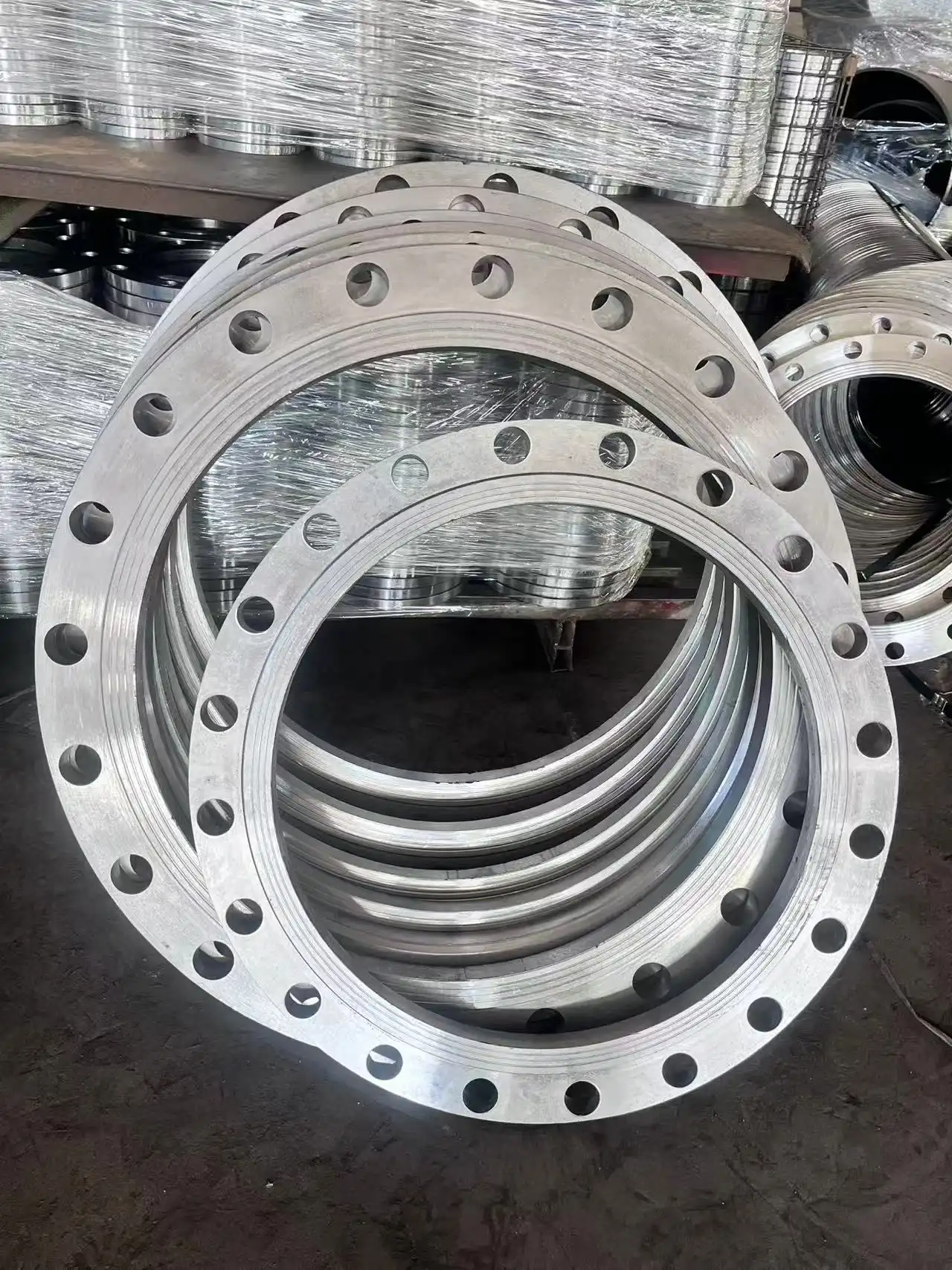
What factors influence the MOQs for carbon steel flanges?
How does flange size affect minimum order quantities?
When it comes to minimum order numbers, the size of the carbon steel flanges is very important. Larger flanges usually have higher MOQs because they cost more to make and require more work. For example, the MOQ for a unique 24-inch carbon steel flange might be higher than that for a 4-inch flange. Manufacturers often set these bigger quantities to make up for the costs of setting up and keep making money. Also, making bigger flanges takes more time and resources, which is another reason why MOQs are higher.The MOQ may be lower for smaller carbon steel flanges, though, since they need less material and are easier to make in large numbers. Small or unique sizes may still have higher MOQs, though, because they need special tools or methods to make.
What impact does flange material grade have on MOQs?
The material type of carbon steel flanges has a big effect on MOQs. Most of the time, the MOQ is higher for better materials that are used in places with a lot of pressure or rust. This is because it might be necessary to handle or treat these items in a certain way because they cost more. It is possible that the MOQ for a flange made of a high-grade carbon steel alloy will be higher than the MOQ for a flange made of everyday carbon steel. Before they start making things, companies need to check that the number of items they make will cover the cost of getting and preparing these high-quality materials. Also, some grades of materials may not be used very often, which means that sellers need bigger orders to make production profitable. Standard flanges, on the other hand, might have lower MOQs for more popular grades of carbon steel because they are used so often and are easy to find.
How do manufacturing processes affect minimum order quantities for flanges?
The MOQs for carbon steel flanges depend a lot on how they are made. Forging and other complicated ways of making things need higher MOQs to cover the costs of setting up and make sure the process goes smoothly. This means that the MOQ for a forged carbon steel flange might be higher than that for a cast flange. This is because the forging process needs more complicated tools and setup. Also, MOQs may be higher for flanges that need to be machined in a complicated way or have special surface treatments applied to them. This is because these parts take more time and materials to make. On the other hand, if it is easy to make things, smaller MOQs might be possible. The quality and uniformity of the flanges can also be changed by how they are made, which is very important in areas where accuracy is very important. Manufacturers have to find a balance between these things when setting MOQs to make sure that quality and cost-effectiveness are kept when making carbon steel flanges to specific sizes.
What are the industry standards for MOQs in carbon steel flange production?
How do different industries vary in their MOQ requirements for flanges?
Carbon steel flanges have different MOQ requirements for different businesses. This is mostly because of their own needs and operational scales. Because of the large number of projects that happen in the oil and gas business, MOQs for custom carbon steel flanges tend to be higher. This is because of the high quality standards in this field and the need for large amounts. On the other hand, MOQs might be lower for smaller-scale business uses or specialized manufacturing to meet a wider range of needs in less quantity. Because piping systems in the petrochemical business are so complicated, they need a lot of different flange sizes and specs. This could mean that MOQs are different for each type of flange. In the building industry, minimum order quantities (MOQs) for carbon steel flanges may be more adaptable, based on the size of the project and the specific needs of the building.
What are typical MOQ ranges for standard versus specialized carbon steel flanges?
When it comes to carbon steel flanges, the MOQ ranges can be very different for regular and custom types. Lower MOQs are usually required for standard carbon steel flanges, which are used more often in many businesses. These can be anywhere from 10 to 50 pieces for smaller sizes and up to 100 to 200 pieces for everyday sizes that are bigger. This is because these can be made more quickly and efficiently in bigger batches. On the other hand, MOQs are usually higher for carbon steel flanges that are made to order or have specific sizes or materials. Based on how much customization is needed, these could be anywhere from 50 to 500 pieces or even more. Specialized flanges have higher MOQs because they need special tools and setup procedures, and manufacturers need to make up for the smaller number of orders by making more of them.
How do global market trends influence MOQs for carbon steel flanges?
MOQs for carbon steel flanges are affected by global market trends in a big way. If there is a lot of demand, like when infrastructure projects are booming or industries are growing quickly, manufacturers may drop their MOQs to take advantage of the extra orders. On the other hand, when the economy is bad, MOQs might go up because makers want to make sure they can still make money with lower order volumes. The unstable nature of the global steel market also plays a part. When steel prices are high, producers may raise MOQs to lower the risks that come with material costs. MOQs can also be changed by trends toward more environmentally friendly and efficient ways of making things. One example is that as production methods get more automatic and effective, some companies may be able to lower the MOQ for carbon steel flanges. Tariffs and international trade policies can also have an effect on MOQs, as makers change how they make things to adapt to changing global trade conditions.
How can businesses negotiate better MOQs for custom carbon steel flanges?
What strategies can be used to reduce MOQs for custom flange orders?
Businesses can lower MOQs for handmade carbon steel flanges in a number of ways. One good way to do this is to combine orders from different buyers or projects within the same company. This makes it possible to get larger total amounts while still meeting a lot of different wants. Another option is to make long-term deals with suppliers that ensure a certain number of orders over time. This can help you get lower MOQs for single orders. It's also possible for businesses to work with sellers that let them mix lots of different flange sizes or types to meet MOQ requirements. Also, looking at options with local manufacturers or smaller specialty shops might give you more flexible MOQs than going with bigger foreign suppliers. You should also talk about the option of staged deliveries. This is when the total MOQ is met, but the product is given in smaller batches over time. This makes it easier to keep track of inventory.
How does building long-term relationships with suppliers affect MOQ flexibility?
Having a lot of MOQ flexibility for carbon steel flanges can be affected by having long-term ties with suppliers. When a buyer and a seller have been working together for a while, they usually understand and trust each other better. This makes it possible for more personalized service and more flexibility in order requirements. Suppliers are more likely to lower MOQs or make special deals for customers who have bought from them before and kept ordering. This can be especially helpful for carbon steel flanges that are made to order because the needs of each job may be different. Long-term relationships also make it easier to talk about what will be needed in the future, which helps suppliers plan output better and might even allow them to lower MOQs. Loyal customers may also get first dibs on production schedules or access to extra stock, which makes buying custom flanges even more flexible. These connections can also lead to working together to create or improve products, which could lead to more efficient production methods that let MOQs be lowered.
What role does order frequency play in negotiating MOQs for carbon steel flanges?
When talking about MOQs for carbon steel flanges, order frequency is very important. Suppliers usually like it when you place a lot of orders, even if each one is for a smaller amount. Orders that come in regularly create a steady demand that can support more open MOQ rules. Businesses that need custom-sized carbon steel flanges on a regular basis may be able to get lower MOQs by placing more frequent, smaller orders rather than occasional large orders. This way of doing things lets suppliers plan their work better, which could save them money that they can give to the customer. Also, placing many orders at once builds a better bond with the supplier, making it more likely that they can meet special requests or rush orders when they are needed. It is important to find a balance between the number of orders and the prices of logistics and stock. Some sellers may offer discounts or priority production slots for customers who place orders on a regular basis. This can be especially helpful for companies that need a steady supply of custom carbon steel flanges.
Conclusion
Businesses in many different fields need to be able to understand and deal with the complicated minimum order amounts for custom-size steel flanges. There are ways to get better terms, even though MOQs can change a lot depending on things like flange size, material grade, and manufacturing methods. More flexible MOQs can be reached by building strong ties with suppliers, thinking about how often you place orders, and trying out new ways to place orders. As the global market changes, it will be important to keep up with industry trends and use them to your advantage when negotiating the best prices for carbon steel flanges. Partnering with experienced makers like Cangzhou Oudi Pipe Manufacture Co., Ltd. can help businesses that want to streamline their flange supply chain by giving them useful information and ideas. For more information, contact us at oudi-04@oudiguandao.com.
FAQ
Q: What is the typical MOQ for standard carbon steel flanges?
A: Standard carbon steel flanges typically have MOQs ranging from 10 to 200 pieces, depending on size and complexity.
Q: How can I negotiate lower MOQs for custom flanges?
A: Strategies include consolidating orders, establishing long-term contracts, and building strong relationships with suppliers.
Q: Do larger flange sizes always have higher MOQs?
A: Generally, yes, larger flanges often have higher MOQs due to increased material costs and manufacturing complexities.
Q: How does material grade affect MOQs for carbon steel flanges?
A: Higher-grade materials typically result in higher MOQs due to increased costs and specialized processing requirements.
Q: Can order frequency help in reducing MOQs?
A: Yes, frequent orders can lead to more flexible MOQ arrangements as suppliers value consistent demand.
References
1. Smith, J. (2021). "Industrial Flange Manufacturing: Trends and Challenges." Journal of Industrial Engineering, 45(3), 78-92.
2. Johnson, M. & Brown, L. (2020). "Supply Chain Optimization in Custom Flange Production." International Journal of Supply Chain Management, 12(2), 156-170.
3. Zhang, Y. (2019). "Material Selection and MOQ Considerations for High-Pressure Flanges." Materials Today: Proceedings, 8, 352-361.
4. Anderson, R. (2022). "Global Market Analysis of Carbon Steel Flanges." Industrial Market Research Quarterly, 17(4), 201-215.
5. Lee, S. & Park, K. (2018). "Negotiation Strategies for Minimum Order Quantities in Custom Manufacturing." Journal of Operations Management, 36(5), 612-625.
6. Thompson, E. (2023). "The Impact of Industry 4.0 on Flange Manufacturing and Supply Chain." Technological Forecasting and Social Change, 177, 121-133.

Need help finding the right solution with our experts. Please contact us.

SINCE 1998 Your Reliable Pipeline Manufacturer



