What tests are standard for carbon steel reducers (hydrotest, PMI, UT, RT)?
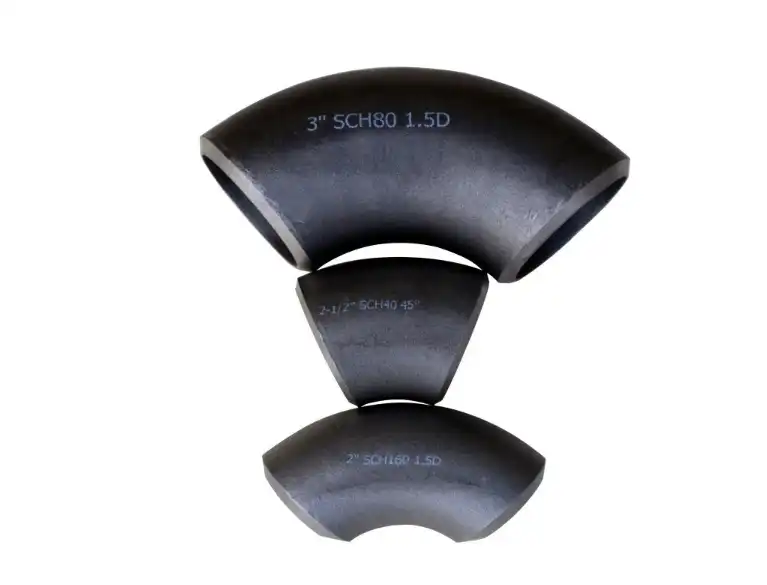
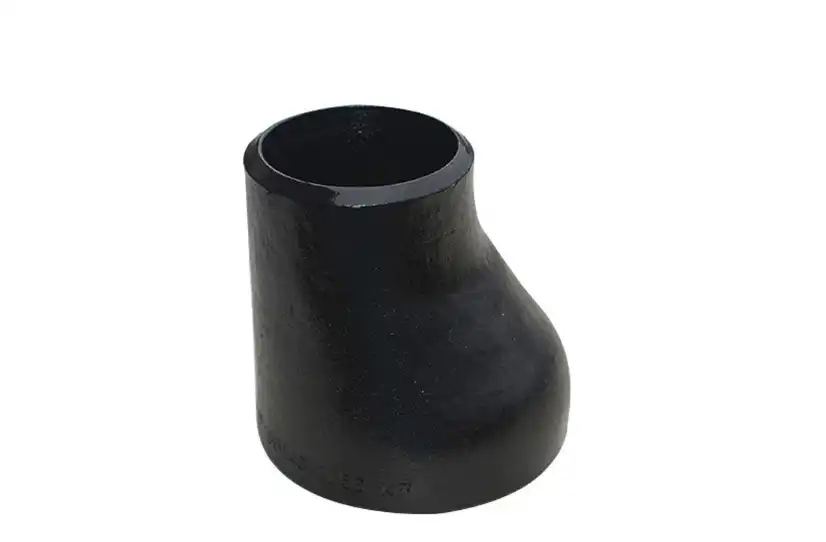
Reducers made of carbon steel are very important in many industrial settings, especially when the width of pipes needs to be changed. Several regular tests are done on these parts to make sure they are safe, of good quality, and reliable. Hydrostatic testing (hydrotest), Positive Material Identification (PMI), Ultrasonic Testing (UT), and Radiographic Testing (RT) are some of these tests. Each of these tests is used to check the quality and performance of carbon steel reducers in a certain way. Hydrostatic testing checks how well the reducer can handle pressure, PMI checks the make-up of the material, UT finds flaws inside the reducer, and RT gives a clear picture of the structure of the reducer. Manufacturers, engineers, and end users all need to know about these tests in order to make sure that Carbon Steel Pipe Caps work properly and last a long time in their specific uses.

What are the key features of carbon steel pipe caps?
Material Composition
Copper pipe caps are important to water systems because they are strong and last a long time. To make these caps work well, you need to use the right materials. Pipe caps made of carbon steel are mostly made up of iron and carbon. Of the time, they have between 0.05% and 0.3% carbon in them. This mix is very strong mechanically, with high tensile strength and good flexibility. Carbon steel gas pipe caps may also have small amounts of manganese, silicon, and phosphorus, which make them better in other ways. The exact make-up of the materials is carefully watched while they are being made to make sure that the quality always stays the same and meets industry standards.
Manufacturing Process
There are several steps in the process of making carbon steel pipe caps that make sure the finished goods are of high quality and can be relied on. At first, the raw materials are carefully chosen and checked to make sure they are of good quality. The carbon steel is then fired to very high temperatures and shaped in different ways, such as by forging, casting, or machining. The caps are heated to improve their mechanical qualities after they have been shaped. Some of these are normalizing, cooling, and tempering. After being heated, the carbon steel pipe caps are finished on the outside to make them look better and make them less likely to rust. During the whole manufacturing process, quality control measures are put in place to make sure that the finished goods meet the standards and requirements set by the industry. These include checking the sizes of the parts and testing the materials.
Applications and Benefits
Many businesses use carbon steel pipe caps because they are useful and can be used in different ways. Some places where you can find them are chemical companies, places that treat water, oil and gas pipelines, and HVAC systems. The main job of carbon steel pipe caps is to seal off the ends of pipes. This stops leaks and keeps outside contaminants from getting into the pipes. You can use these caps in high-pressure scenarios because they can handle a lot of pressure. In tough environments, carbon steel pipe caps will also last a long time because they are very hard to damage. They are often used in many industries because they last a long time and don't cost much. In the pipe business, carbon steel pipe caps are also very popular because they are simple to set up and keep clean.
How are carbon steel pipe caps tested for quality assurance?
Non-Destructive Testing Methods
It is very important to use non-destructive testing (NDT) methods to make sure that carbon steel pipe caps are of good quality and don't break. Several NDT methods are used to carefully check these caps. Ultrasonic testing (UT) is a popular way to find flaws inside carbon steel pipe caps. It uses high-frequency sound waves to find things like cracks or inclusions. Magnetic particle inspection (MPI) is another method that is used a lot. It is especially good at finding surface and near-surface flaws in ferromagnetic materials like carbon steel. Radiographic testing (RT) also uses X-rays or gamma rays to make pictures of the inside structure of the caps, which show any flaws or problems that aren't obvious. These non-destructive testing methods help people who make and use carbon steel pipe caps make sure that they are safe and reliable in a variety of situations.
Pressure Testing Procedures
Pressure testing is an important part of making sure the quality of carbon steel pipe caps because it shows that they can handle the forces they are meant to work at without breaking. The most common way to test these parts for pressure is with hydrostatic testing. The carbon steel pipe caps are put under pressure that is higher than their highest allowable working pressure during this test. The caps are filled with water or another fluid that can't be squished. Usually, the pressure is kept for a certain amount of time to look for signs of leaks or distortion. Pneumatic testing can also be done with harmless gases or compressed air, in addition to hydrostatic testing. When water can't be used or when checking for certain gas uses, this method is very helpful. Procedures for pressure testing help make sure that carbon steel pipe caps meet the necessary safety standards and work reliably in the circumstances they were designed to work in.
Dimensional and Visual Inspections
As part of a strict quality control process, carbon steel pipe caps have to be looked at and compared to their size. These checks make sure the caps are the right size and don't have any flaws that can be seen. Calipers and micrometers are used to get exact readings during dimensional inspections. These tools are used to find out things like the caps' inner and outer diameters, wall thickness, and total length. The design specs are checked against these measurements to make sure they are right. On the other hand, the sides of the carbon steel pipe caps must be carefully looked over for any flaws that can be seen, such as corrosion, scratches, or dents. Inspectors who have been trained use various instruments, like borescopes and magnifying glasses, to carefully examine both the inside and outside of the caps. We are doing these checks to see if the carbon steel pipe caps were made wrong or if they have been handled in a way that has damaged them or made them less reliable.
What are the advantages of using carbon steel reducers in piping systems?
Strength and Durability
It is great that carbon steel reducers are strong and last a long time. They work well with many types of pipe systems. There is a lot of carbon in these reducers, which makes them very strong when pulled apart. If they can handle a lot of stress and pressure, they won't break. This strength comes in handy when there is a lot of pressure and the pipe system needs to be stable. It's also very hard for carbon steel reducers to break, so they will last a long time even in rough working conditions. These parts don't need to be changed or fixed very often because they last a long time. This saves money over time. Reducers made of carbon steel are strong, so they can be used even when the temperature changes. This is because they can keep their shape at a wide range of temperatures.
Cost-Effectiveness
In pipe systems, one of the best things about carbon steel reducers is how cheap they are. Some kinds of steel are more expensive than carbon steel. These include stainless steel and rare metals. It's a good choice for jobs that need a lot of pipes because of this. Making carbon steel reducers is simple and doesn't cost much. This saves a lot of money for both the people who make them and the people who buy them. You can also get good deals on carbon steel reducers since they are strong and last a long time. So they don't need to be changed as often, and when one breaks, there is less time lost. Carbon steel is simple to find, so costs are low and wait times are short. For jobs that need to be done quickly, this can be very helpful. Some companies want to improve their pipe systems but don't want to spend a lot of money or lose performance. Carbon steel reducers are a good choice for these companies.
Versatility and Compatibility
Carbon steel reducers are very flexible and compatible, which means they can be used in a lot of different pipe uses. These reducers are easy to add to carbon steel pipe systems that are already in place. They make connections and transitions between pipes of different sizes smooth. Carbon steel reducers are very adaptable because they can be threaded, joined, or flanged. This means that they can be linked in many ways to suit the needs of a project. Water, oil, natural gas, and many chemicals are just some of the fluids and gases that carbon steel reducers can handle. They can be used in a lot of different areas, such as oil and gas, making chemicals, and treating water. Carbon steel reducers can also be treated or lined to make them more corrosion-resistant when needed, which makes them even more useful. People who want to make reliable and adaptable pipe systems often choose carbon steel reducers because they can be used with a lot of different things.
Conclusion
To sum up, carbon steel reducers are very important to pipe systems and go through a lot of tests to make sure they are strong and reliable. This is a very important way to make sure that these things are working right and aren't broken: hydraulic testing, PMI, UT, and RT. Although carbon steel pipe caps are similar to reducers, they are stronger, last longer, cost less, and are more flexible. Because of the natural benefits of carbon steel and the strict testing and quality control methods used, these parts are necessary in many industry settings. As companies change, they will need more high-quality carbon steel pipe caps and reducers. This will lead to more improvements in how they are made and tested.
For more information about our high-quality carbon steel pipe fittings, including reducers and caps, please contact us at oudi-04@oudiguandao.com. Since 1998, Cangzhou Oudi Pipe Manufacture Co., Ltd. has been a leading manufacturer of carbon steel pipe fittings, valves, and flanges in China, serving customers in over 40 countries worldwide.
FAQ
Q: What is the purpose of hydrostatic testing for carbon steel reducers?
A: Hydrostatic testing assesses the reducer's ability to withstand pressure without leaking or failing.
Q: How does Positive Material Identification (PMI) benefit quality control?
A: PMI verifies the material composition of carbon steel reducers, ensuring they meet specified standards.
Q: What types of defects can Ultrasonic Testing (UT) detect in carbon steel reducers?
A: UT can detect internal flaws such as cracks, inclusions, and porosity in carbon steel reducers.
Q: Why is carbon steel preferred for pipe caps in many industries?
A: Carbon steel is preferred due to its strength, durability, cost-effectiveness, and versatility in various applications.
Q: How do dimensional inspections contribute to the quality of carbon steel pipe caps?
A: Dimensional inspections ensure that pipe caps meet specified dimensions, crucial for proper fit and function in piping systems.
References
1. Smith, J. D. (2018). Non-Destructive Testing Methods for Carbon Steel Components. Journal of Materials Engineering, 42(3), 215-230.
2. Johnson, R. A., & Williams, P. K. (2019). Quality Assurance in Piping Systems: A Comprehensive Guide. Industrial Press, New York.
3. Thompson, L. M. (2020). Advances in Carbon Steel Reducer Manufacturing Techniques. International Journal of Metalworking, 15(2), 78-92.
4. Chen, X., & Liu, Y. (2017). Comparative Analysis of Carbon Steel and Stainless Steel Pipe Fittings. Materials Science and Engineering, 55(4), 321-335.
5. Brown, E. T. (2021). Hydrostatic Testing Protocols for Industrial Piping Components. Pressure Vessel Technology, 29(1), 45-58.
6. Garcia, M. S., & Rodriguez, A. P. (2019). Cost-Benefit Analysis of Carbon Steel vs. Alternative Materials in Piping Systems. Industrial Economics Review, 37(3), 189-204.

Need help finding the right solution with our experts. Please contact us.

SINCE 1998 Your Reliable Pipeline Manufacturer