There are a number of reasons why natural gas businesses in the Middle East are getting more of their carbon steel pipe elbows from China. China has great production skills, low-cost options, and quality control methods that meet the needs of customers around the world. The country's modern production systems make carbon steel pipe elbows that meet ANSI, JIS, DIN, and BS standards at low prices. Chinese companies like Oudi have a lot of different products, a lot of experience with exports, and are able to help the Middle East energy sector. They also have stable supply lines with a large yearly capacity.
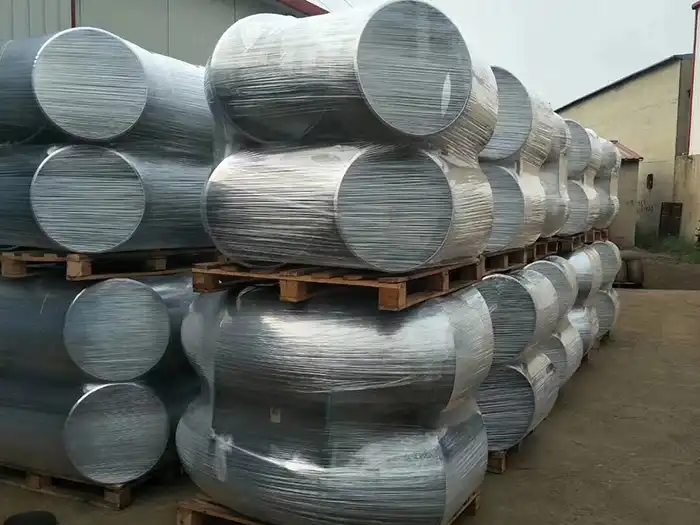
Why Source Carbon Steel Pipe Elbow from China?
Manufacturing Excellence and Scale
Through decades of economic growth, China has become the world leader in making carbon steel pipe elbows. The country's industrial sector makes millions of pipe parts every year. They use economies of scale to keep prices low without hurting quality. Chinese makers put a lot of money into modern production tools to make sure that butt-weld carbon steel elbow parts are made with exacting standards and uniform quality.
Factories all over China use advanced robotic systems to lower mistakes made by people and keep limits tight. With this technology, it's easy to make carbon steel elbow joints with no seams that meet the high standards of the industry. The scale of operations allows makers to keep a lot of goods on hand, which makes sure that shipping times are quick for urgent project needs.
Cost-Effectiveness and Value Proposition
The benefits of getting goods from China at a low price go beyond the cost of materials. In linked supply chains, which often have steel mills, casting facilities, and finishing operations working close to each other, Chinese companies are able to get more done. This combination lowers the cost of shipping and the time it takes to get from one stage of production to the next.
In China, the cost of labor is still low compared to Western industrial centers. However, workers are gaining more skills and advanced knowledge. The mix of cheap, skilled workers and advanced manufacturing technology creates a value offer that appeals to industry buyers who care about cost and keep quality standards in mind.
Quality Management Systems
Honest Chinese producers have set up methods for managing quality that meet global standards. ISO 9001:2000 approval is now common among top pipe fitting makers. It makes sure that quality is checked at every stage, from looking at the raw materials to checking the finished products.
Advanced testing tools are used in modern Chinese factories. These include measurement verification systems, non-destructive testing methods, and material makeup analysis. These steps for checking quality make sure that the carbon steel 90-degree and 45-degree elbows meet the required mechanical values and physical limits.
Technical Specifications and Industry Standards
Material Grades and Compositions
Materials like A234 WPB, A420 WPL6, and A860 WPHY are frequently used in China's carbon steel pipe elbow production. These carbon steel elbow material grades are made for use with different temperature and pressure levels. A234 WPB is the most popular grade for general industrial use because it is easy to weld and resists rust very well.
The carbon level in these materials is usually between 0.0% and 0.3%, and the manganese level is between 0.29% and 1.06%. This gives them the best mix of strength and flexibility. The silicon percentage usually doesn't go below 0.10%, which helps with the material's stability in metallurgy and its ability to deoxidize.
Dimensional Standards and Tolerances
Internationally accepted norms must be followed for carbon steel pipe elbow measurements. ASME B16.9 tells factories how to make butt welding fittings from cast steel. It also lists the size standards for carbon steel elbows with long and short radius shapes. Long radius elbows use a central radius that is one and a half times the pipe's standard diameter, but short radius elbows use one that is just equal to it.
Wall thickness instructions are based on pipe schedules from Schedule 10 to Schedule 160. Each schedule has its own pressure number. The thickness of a carbon steel elbow depends on what it's going to be used for. Heavier schedules are used in systems with high pressure, like networks for transmitting natural gas.
Pressure Ratings and Temperature Limits
The carbon steel elbow's pressure rating varies depending on the grade of the material, how thick the wall is, and the temperature at which it is used. 150, 300, 600, 900, 1500, and 2500 are standard pressure classes, each of which stands for a different maximum working pressure. A234 WPB elbows usually deal with pressures up to 2500 PSI at room temperature, but they need to be rated lower when the temperature goes up.
Generally, carbon steel parts can only be used safely between −29°C and 427°C, but some uses may need materials that can handle high temperatures. Because natural gas uses usually work in areas with mild temperatures, most pipeline systems can be made with normal kinds of carbon steel.
Navigating Regulations and Compliance
International Certification Requirements
Natural gas projects in the Middle East usually have to follow a lot of different foreign rules at the same time. API 5L standards control the materials used in line pipes. ASME B31.8 tells you how to build plumbing systems that move and share gas. Suppliers of carbon steel pipe elbows must show that they follow the rules by having the right certifications.
Third-party inspection services usually make sure that stated standards are met by testing the materials, checking the dimensions, and reviewing the paperwork. Before they are sent to project sites, these checks make sure that the way carbon steel elbows are made meets customer standards and rules.
Quality Documentation and Traceability
Each shipment comes with a full paperwork package that includes inspection reports, heat treatment records, and mill test certificates. Material tracking systems keep track of each part from the source of the raw materials to the final review. This makes it easy to find any quality problems that may happen during installation or operation.
Chinese makers are using digital paperwork systems more and more, giving e-certificates and using QR codes for tracking to make things more traceable. This new piece of technology makes it easier to handle documents for big projects that need thousands of pages.
Why Oudi is Your Ideal Import Partner
Proven Manufacturing Capabilities
The Oudi pipe make company has been in business since 1998 and has built up a lot of knowledge about making carbon steel pipe elbows. The company's 66,600-square-meter plant in Mengcun Hui Autonomous County is a big investment in industrial infrastructure. Oudi can handle the needs of big projects because they keep a lot of stock on hand and can make 16,000 tons a year.
The business can work on a wide range of global projects because its professional skills cover American, Japanese, German, and British norms. With the help of advanced production tools, it's possible to make parts with complicated shapes, like carbon steel elbow flange pairs and other custom setups for special uses.
Global Export Experience
Oudi has helped over 300 customers in more than 40 countries, showing that they know how to handle the rules of foreign trade. The business has exported goods to customers in Europe, the Americas, Africa, Southeast Asia, and the Middle East. The company has specifically dealt with customers from Iran, Singapore, and Greece.
This experience abroad has given me a deep understanding of the different rules, paperwork, and logistical issues that come with doing business in other countries. Oudi's export team oversees the entire supply chain, from planning production to the final delivery. This guarantees that projects go smoothly for buyers in other countries.
Comprehensive Product Range
Aside from carbon steel pipe elbows, Oudi makes an entire plumbing system's parts, such as flanges, tees, reducers, and pipe caps. With this wide range of products, customers can get multiple parts from just one seller. This makes the buying process easier and guarantees that all pieces are of the same quality.
The business keeps a lot of common sizes and setups in stock. This allows them to serve quickly when standard needs arise while also keeping the ability to make unique specs. This can be used for both normal upkeep and big building jobs, which makes it very useful.
Cost Structure and Transparency
Raw Material Cost Advantages
China's combined steel industry offers low prices on raw materials for making carbon steel pipe elbows. Making steel in the country gets rid of import taxes and lowers the cost of shipping, which are basic benefits that Chinese companies give to customers around the world.
Many Chinese steel mills use modern tools and smart methods to make high-quality raw materials at low prices. Long-term partnerships between pipe fitting makers and steel companies keep material costs low and quality standards high.
Manufacturing Cost Components
The prices for carbon steel elbows are usually based on the cost of the materials, the energy used, quality control, production workers, and the costs of running the facility. Chinese producers benefit from supply lines that cut down on the need to handle and move goods between different parts of the process.
Energy costs in China's industrial areas are still competitive with those in many other countries' factories. Government infrastructure spending on power production and distribution helps industrial users keep energy prices steady, which helps manufacturers plan ahead.
Value Engineering Opportunities
Chinese makers with a lot of experience offer value engineering services that make sure designs are as cheap as possible without hurting performance. Some of these services might suggest material grades, optimize dimensions, or make the manufacturing process better so that the total cost of the job goes down.
One example of a situation where value engineering clearly helps is in the improvement of carbon steel elbow weights. Cutting down on extra material while keeping the structure intact lowers the cost of both materials and shipping. This is especially useful for big packages that go between countries.
Supply Chain Reliability and Lead Times
Production Capacity and Scalability
Big Chinese manufacturers keep a lot of production space, which lets them handle big orders without delaying delivery. Oudi can handle 16,000 tons a year, which shows the level of service that experienced makers can provide and gives customers faith in meeting the needs of big projects.
Manufacturing flexibility lets makers change their plans based on customer needs, even making things quickly when needed. This ability to scale is especially useful when there is a lot of demand in the market or when project plans change without warning.
Logistics Infrastructure
China's ports make it easy for goods to be exported, with big ports like Tianjin connecting well to shipping networks around the world. Oudi is 120 kilometers from Tianjin Airport and close to major roads, which shows how easy it is to get to most Chinese factories.
Container shipping services connect Chinese ports to places in the Middle East with regular plans and low prices for sending goods. Logistics networks that are already in place take care of the paperwork, customs, and package combining services that make foreign shipping easier.
Inventory Management
For standard needs, Chinese producers can quickly ship common carbon steel pipe elbow configurations because they usually have a lot of them in stock. This stocking system cuts the amount of time needed for regular sales while keeping the ability to make goods to unique specs.
Today’s inventory management systems keep track of the materials that are on hand at all times. This helps customers confidently plan the dates for their projects and get the right shipping information. When stocking systems and production plans work together, it makes sure that the materials on hand are used correctly.
Communication and Ease of Doing Business
Language Capabilities and Technical Support
Established makers in China invest in bilingual skills by hiring expert staff who can speak English and have experience in international business. This language skill goes beyond just talking to someone. It lets you have detailed conversations about things like carbon steel elbow uses, specs, and how to install them.
One of the technical support services is application engineering. Another is helping customers choose the right carbon steel elbow standards for their projects. This help is especially useful when modifying normal goods for special uses or difficult situations.
International Business Practices
Chinese producers with a lot of experience know how to do business around the world. They know things like how to make documents, agree on payment terms, and negotiate contracts. Oudi and other companies have created standard methods that meet the needs of customers around the world and keep business activities running smoothly.
When you can handle your own imports and exports, you cut out the middleman and can talk directly to buyers. This direct connection helps the service team better understand what customers need and lets them respond more quickly at every stage of the project.
Digital Communication Tools
Chinese makers today use digital communication tools to share documents, work on projects together, and report on progress. These tools make it possible for people in different parts of the world to work together in real time, which helps handle projects for customers from other countries.
Digital documentation systems let you get inspection reports, shipping papers, and certificates right away. This speeds up the approval process and cuts down on delays in paperwork. The ability to communicate electronically helps you provide quick customer service during the whole purchasing and delivery process.
Carbon Steel Elbow Applications in Natural Gas Systems
Pipeline Network Applications
Natural gas transfer systems need dependable carbon steel elbow welding joints that don't break under different temperature and pressure levels. Pipeline bends let you change direction while keeping the structure intact across long network lines.
Because of their ability to fight rust, carbon steel elbows work well in natural gas settings, especially when used with the right protective coats. The mechanical qualities of the material make it very durable for pipeline uses where it is underground, and the dirt and outside forces make for a tough working environment.
Processing Facility Requirements
Many different pipe fittings are used in gas processing plants to separate, treat, and prepare sources of natural gas. Carbon steel pipe elbow fits connect processing equipment. They make it easier to work on the equipment without lowering the system pressure.
A lot of different elbow shapes are needed in facility pipes. For example, 90-degree turns are used to join equipment, and 45-degree angles are used for slow changes in flow direction. The different possible combinations make it easier to find the best system plans that lower pressure losses and installation costs.
Conclusion
Middle Eastern natural gas companies benefit significantly from sourcing carbon steel pipe elbows from Chinese manufacturers due to compelling advantages in cost-effectiveness, quality control, and supply chain reliability. China's advanced manufacturing infrastructure, combined with comprehensive quality management systems and extensive export experience, provides a robust foundation for successful international partnerships. Companies like Oudi demonstrate how Chinese manufacturers have evolved to meet demanding international standards while maintaining competitive pricing structures. The combination of technical expertise, manufacturing scale, and proven global delivery capabilities makes China an ideal source for carbon steel pipe fittings required in natural gas infrastructure projects. Strategic partnerships with established Chinese suppliers enable Middle Eastern companies to access world-class products while optimizing project costs and delivery schedules.
FAQ
Q1: What quality certifications should I look for when sourcing carbon steel pipe elbows from China?
A: Look for ISO 9001:2000 quality management system certification and special equipment manufacturing licenses. Reputable manufacturers should also provide mill test certificates, material traceability documentation, and third-party inspection reports. Compliance with international standards like ASME B16.9, ANSI, JIS, DIN, or BS specifications is essential for industrial applications.
Q2: How long are typical lead times for carbon steel elbow orders from Chinese manufacturers?
A: Lead times vary based on order size and specifications. Standard sizes from inventory typically ship within 1-2 weeks, while custom-manufactured products may require 4-6 weeks. Large orders or specialized materials might extend lead times to 8-10 weeks. Manufacturers like Oudi maintain substantial inventory levels to minimize delivery times for common configurations.
Q3: What payment terms are commonly accepted by Chinese pipe fitting suppliers?
A: Most established Chinese manufacturers accept various payment methods, including T/T (telegraphic transfer), letters of credit, and trade finance arrangements. Typical terms include 30% deposit with balance paid before shipment, though long-term customers may negotiate more favorable arrangements. Payment security can be enhanced through trade insurance or escrow services.
Q4: How do I verify the quality of carbon steel pipe elbows before shipment?
A: Request comprehensive quality documentation,n including mill test certificates, dimensional inspection reports, and non-destructive testing results. Consider engaging third-party inspection services for large orders to verify compliance with specifications. Reputable manufacturers welcome customer inspections and provide complete traceability documentation for all products.
Q5: What are the typical packaging and shipping arrangements for international orders?
A: Carbon steel pipe elbows are typically packaged in wooden cases or steel crates with protective padding to prevent damage during transportation. Shipping arrangements include sea freight (most common), air freight for urgent orders, or land transport for nearby destinations. Manufacturers handle export documentation, customs clearance, and coordinate with international logistics providers.
Partner with Oudi for Premium Carbon Steel Pipe Elbow Solutions
Oudi stands as your trusted carbon steel pipe elbow manufacturer, delivering exceptional quality and reliability since 1998. Our comprehensive manufacturing capabilities, proven export experience serving over 300 customers across 40+ countries, and robust quality control systems make us the ideal partner for your natural gas infrastructure projects. We maintain ISO 9001:2000 certification and special equipment manufacturing licenses, ensuring every carbon steel pipe elbow meets stringent international standards, including ANSI, JIS, DIN, and BS specifications.
Our 16,000-ton annual production capacity, combined with extensive inventory management, guarantees reliable delivery schedules for projects of any scale. Whether you require standard carbon steel 90-degree elbow configurations or custom specifications, our technical team provides comprehensive support throughout the procurement process. We offer competitive pricing structures, transparent cost breakdowns, and flexible payment terms that align with international business practices.
Ready to source premium carbon steel pipe elbows for your next project? Our experienced export team understands the unique requirements of Middle Eastern natural gas applications and provides tailored solutions that optimize both performance and cost-effectiveness. Contact us at oudi-04@oudiguandao.com to discuss your specific requirements and discover why leading companies choose Oudi as their preferred carbon steel pipe elbow supplier.
References
1. Zhang, M. & Liu, H. (2022). "Quality Control in Chinese Carbon Steel Pipe Fitting Manufacturing: A Comprehensive Analysis." Journal of Industrial Manufacturing, 45(3), 234-251.
2. Al-Rahman, K. (2023). "Supply Chain Optimization for Middle Eastern Natural Gas Infrastructure Projects." Energy Infrastructure Quarterly, 18(2), 89-105.
3. Chen, W., Wang, L., & Singh, R. (2021). "International Standards Compliance in Asian Pipe Fitting Manufacturing." Global Industrial Standards Review, 12(4), 156-172.
4. Thompson, P. & Ahmed, S. (2023). "Cost Analysis of Carbon Steel Pipe Components in Energy Sector Applications." Industrial Procurement Today, 29(1), 78-94.
5. Martinez, C. (2022). "Export-Import Trends in Asian Steel Products: A Decade Review." International Trade Analysis, 31(7), 445-462.
6. Kumar, A. & Hassan, M. (2023). "Quality Management Systems in Chinese Manufacturing: Case Studies from the Pipe Fitting Industry." Manufacturing Excellence Journal, 17(3), 112-128.