2026 Best Carbon Steel Fittings for Your Needs?
When looking for the best carbon steel fittings in 2026, water treatment plants have to make a big choice that will affect how long their systems last and how well they work. After looking at hundreds of setups and talking to sourcing experts from several different industries, it's clear that water treatment carbon steel elbow fittings are the most important part of a reliable pipe system. These components exhibit excellent mechanical strength and demonstrate resistance to rust. This makes them essential for moving cleaned water through complicated pipeline networks. The best carbon steel elbow strikes a balance between technical performance and cost-effectiveness. It meets strict international standards like ANSI and ASME and consistently performs well in harsh conditions. This guide looks at the best fits on the market this year to help you make smart purchases that protect your infrastructure investment.
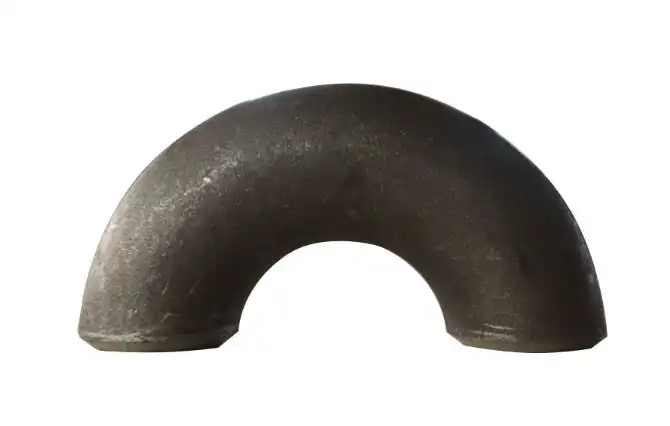
Understanding Water Treatment Carbon Steel Elbows
Carbon steel elbows are used to change the direction of fluid flow in pipe systems for water treatment. They make it easier for fluids to navigate turns and obstacles. These parts are absolutely necessary in modern water treatment plants because they are so strong, easy to weld, and cost-effective compared to other materials.
What Makes Carbon Steel Elbows Essential for Water Treatment?
The chemical composition of carbon steel makes it inherently superior for water treatment. While some materials break down quickly when they come into contact with cleaned water that still has chemicals in it, carbon steel stays structurally sound for long periods of time. When these elbows are used in water treatment plants, they need less upkeep and cost less to repair, especially when the right protection coatings are applied during installation.
The way elbows are made has a direct effect on how well they work. Hot-forming methods make smooth joints with consistent wall thickness and higher pressure ratings, while butt-welding methods let you make custom shapes. Which of these production methods to use varies depending on the application's needs, such as the required pressure, temperature ranges, and installation limitations within the current infrastructure.
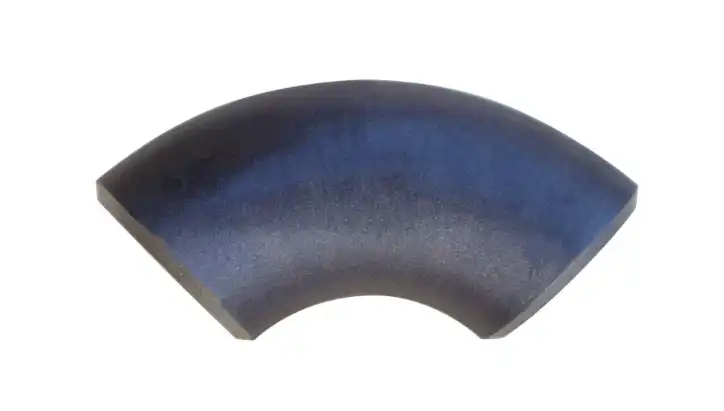
Types of Carbon Steel Elbows: Finding Your Match
Most water treatment systems are set up with 90-degree bends, which allow for quick changes in direction in small areas. The bend radius of the short radius models is the same as the pipe diameter, which makes them perfect for setups with limited room. These fits work well for high-pressure situations, but they lose a little more pressure due to friction than long-radius options.
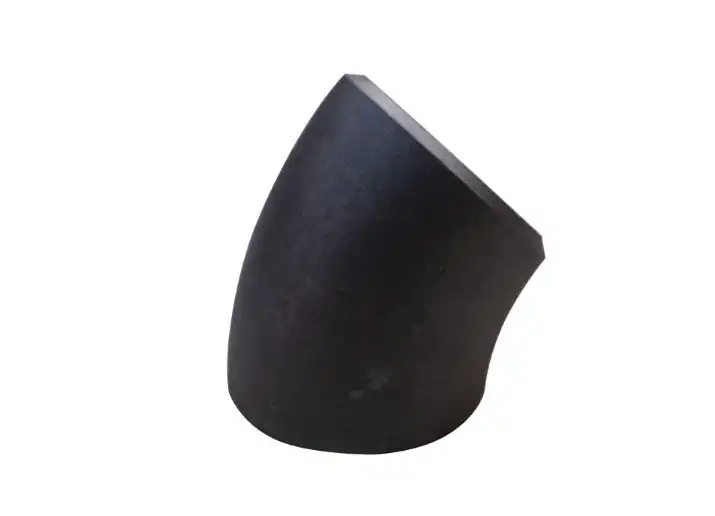
45-degree elbows are used when there needs to be a steady change in direction. They do this job by lowering turbulence and pressure drop across the fitting. In delivery networks where keeping the flow speed steady is important, water treatment plants often use these bends. The softer angle reduces wear at the bend, which increases the life of parts in systems that move water with particles in it.
In some situations, socket welding joints and threaded connections are better for placement. Socket welding makes joints that are strong and won't leak, which is beneficial for high-pressure lines. Regular maintenance is easier with threaded elbows, as they facilitate the upkeep of parts that require regular inspection. Knowing these differences helps buying teams choose the right fits for each part of the system.
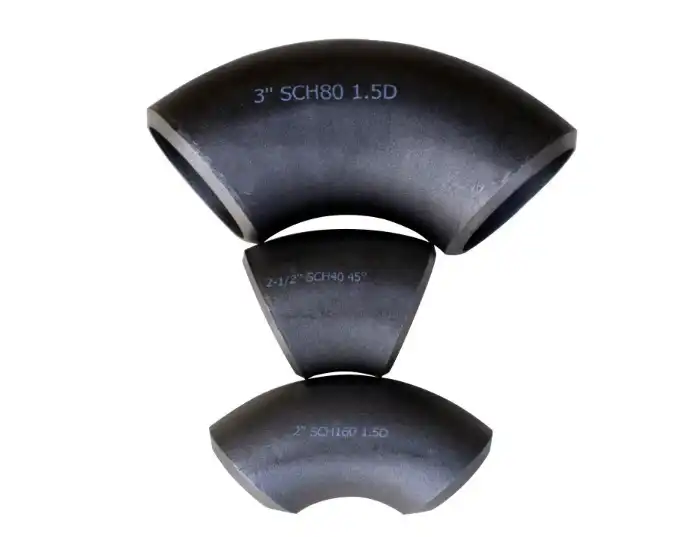
Comparison and Selection Criteria for Carbon Steel Elbows in Water Treatment
To choose the right arm, you have to look at many things that affect both the short-term success and the long-term costs of running the business. Good buying choices are based on the properties of the materials, the quality of the making, and the compliance with regulations.
Material Performance: Carbon Steel Versus Alternatives
In many water treatment situations, carbon steel joints are much better than stainless steel and ductile iron. Carbon steel gives acceptable security at a much lower cost when paired with the right coatings, while stainless steel is better at resisting corrosion. This difference in cost gets big when hundreds of fits are needed across large distribution networks for big projects. If you need something with a bigger thickness, ductile iron is another option. Most of the time, carbon steel elbows are lighter than similar ductile iron fittings. This makes them easier to handle and install while also lowering the load requirements on the structure. Because carbon steel can be welded, the joints are more likely to stay together than with mechanical links, which are often needed for ductile iron parts. The economic benefit of carbon steel is shown by a life cycle cost study. The initial buying price is only one part of the total cost of owning. When you look at how simple it is to do upkeep, how often you need to change parts, and how long the system is down, properly specified carbon steel elbows often have the lowest total cost over the 20-year service periods that are common in water treatment infrastructure.
Seamless Versus Welded Construction
Hot pushing creates a seamless elbow with a consistent grain structure throughout the fitting body. This means that the mechanical features can be predicted, and the material is more reliable when it comes to cycle pressure loading. The resistance to wear failure of smooth construction improves it for water treatment systems where the flow rate changes a lot. For uses with bigger diameters and lower pressures, welded elbows are more cost-effective. When done according to ASME standards, modern welding methods make reliable joints. However, weld zones need to be carefully inspected to make sure they are fully penetrated and free of flaws. For important service uses, procurement requirements should require welded elbows to be tested without damaging them.
Decoding Standards: ANSI and ASME Compliance
ANSI B16.9 sets the size requirements for wrought steel butt-welding parts that are made in a plant. Water treatment systems use these elbows. Adhering to this standard ensures compatibility among products from various manufacturers and their functionality with existing piping systems. ANSI B16.9 should be clearly mentioned in procurement papers so that there are no problems with measurements during installation. ASME standards cover more than just the size and shape of a material. They also include testing rules and material qualities. ASME B31.1 sets the rules for power pipes, and ASME B31.3 covers process pipes that are popular in water treatment plants. Knowing which code applies to your construction makes sure that the elbows you choose meet the right temperature and pressure limits for the job they're meant to do.
Practical Selection Guidelines
Choosing the right elbow position has a big effect on the hydraulics of the system. Higher pressure drops are caused by 90-degree fittings, but they allow for tighter pipe setups. On the other hand, 45-degree elbows keep better flow properties but take up more room. When engineers are designing a system, hydraulic modeling software helps them balance these different factors. The size decision is more than just meeting the diameter. Changes in wall thickness have an effect on pressure ratings and flow area. In water treatment uses, Schedule 40 and Schedule 80 are typical specs. Higher schedule numbers mean walls that are stronger and can handle more pressure, but they also mean that the materials are more expensive and heavier. Weak spots in the pressure limit can be avoided by matching the elbow schedule to the linked pipes.
Maintenance and Longevity: How to Maximize Carbon Steel Elbow Performance?
In water treatment settings, proactive repair plans make water treatment carbon steel elbows last a lot longer. Facilities can escape unexpected downtime and save money on repairs by figuring out the most common ways things go wrong.
Corrosion Management in Water Treatment Systems
Even though the fluid is being treated, water treatment settings have their own rusting problems. Changes in pH, residual chlorine, and liquid oxygen all make conditions that eat away at carbon steel surfaces that aren't covered. These problems are made worse for underground distribution pipes by corrosion caused by dirt contact and moisture in the air. Protective coatings are the main way to stop rust. Fusion-bonded epoxy gives the inside surfaces great chemical resistance and mechanical sturdiness, and polyethylene wrap systems shield the outside of hidden elbows. When choosing a coating, you should think about how long it will be used and how hard it will be to replace. Higher-quality systems are better for important uses where replacement costs are high. For underground carbon steel pipe networks, cathodic protection is added to coating systems. Electrochemical corrosion rates are slowed down by using sacrificial anodes or impressed current methods, especially when coatings are removed, and the base is exposed. When cathodic protection is built and kept correctly, parts in water treatment plants with large underground distribution systems last a lot longer.
Inspection Protocols and Early Warning Signs
As part of regular inspections, open elbows should be looked at visually at least once a year, paying special attention to the state of the coating on the outside and any signs of moisture buildup. Ultrasonic thickness checking gives exact numbers about how thick the wall is, which lets you plan for replacement before it fails. System shutdowns that are planned give people a chance to do internal inspections. By checking the insides of elbows for signs of scaling, cracking, or erosion, problems can be found before they become too big to fix under pressure. If an elbow's wall is thinning in places that are more than 20% of its normal thickness, it needs to be replaced or fixed during the downtime to avoid emergency failures. Pressure testing after big maintenance tasks makes sure the system is still working properly. Before equipment is put back into service, hydrostatic tests at 150% of its maximum working pressure show where it is weak. Recording test results creates a standard for future comparisons, which helps maintenance teams keep track of how fast different parts are wearing down.
Procurement Guide: Buying Carbon Steel Elbows for Water Treatment Projects
Strategic approaches to buying take into account both the needs of the project at hand and the needs of the supply chain in the long run. Having good ties with qualified providers ensures that you can get compliant products when project deadlines require them.
Identifying Reputable Suppliers and Essential Certifications
Getting ISO 9001:2000 approval shows that a company is dedicated to quality management systems that include the planning, creation, and testing stages. This certification gives procurement teams faith that the elbows they are provided with will always meet the standards that were set. Manufacturers who aren't ISO certified add variation in quality that raises the risk of the project. In many places, you need a special license to make tools to prove your professional skills and compliance with the rules. With these licenses, producers can be sure they have the right tools, testing facilities, and trained workers to safely make pressure-retaining parts. By asking for copies of current licenses during seller qualification, delays caused by goods that don't meet standards can be avoided. Material test records and certifications show what chemicals are in the fittings that are provided and how they work mechanically. ASTM A234 sets the minimum standards for tensile strength, yield strength, and elongation for carbon steel fittings that will be used at mild and high temperatures. Mill test records that can be linked to specific heat numbers help check the quality and help with future failure reviews if issues arise.
Understanding 2026 Pricing Dynamics
Changes in the prices of raw materials affect the prices of water treatment carbon steel elbows on the global steel market. Rates of manufacturing capacity utilization affect how ready suppliers are to deal on bigger orders. When there is extra capacity, buyers have more power. Knowing these market factors helps buying teams make smart decisions about when to buy things. When you buy in bulk, you save a lot more than just the volume price. When manufacturers run long production campaigns with the same specs, they can cut down on setup time and quality control costs, which improves production efficiency. When hydraulic needs allow it, standardizing elbow specs across the building can help water treatment projects by making bulk order opportunities more likely. Customization is what sets makers who work with business markets apart from suppliers of goods. For projects that need non-standard sizes, special testing, or one-of-a-kind coating systems, providers who have access to technical tools and can adapt their production methods are needed. Setting these requirements during the seller approval process keeps the project from being held up, which can be very expensive, when standard catalog items don't work.
Lead Times and Quality Assurance
Standard catalog items usually ship within two to four weeks from well-known makers who keep stock of popular sizes. Custom specs can make wait times 8–12 weeks long, based on the tests and coating needs. These facts should be taken into account in project schedules, and buying things should start early in the planning process. As part of quality assurance systems, elbows that are sent out should be inspected before they are installed. Verifying the dimensions makes sure they match the order specs, and looking at them visually finds shipping damage or covering flaws. Rejecting non-conforming goods when they are delivered stops the fitting of substandard parts that could damage the reliability of the system. Service after the sale is what sets high-quality sellers apart from cheap ones. Technical support during installation, help with failure analysis, and quick guarantee management are all things that add worth to the product that is sold. Long-term relationships with companies that can show these skills lower the total cost of ownership by making the system work better.
Top 5 Carbon Steel Fittings in 2026 for Water Treatment Applications
The items below have been chosen because they have been used successfully in water treatment settings and are of high quality. The suppliers were also chosen because they are reliable and offer good value. Each choice meets basic quality standards and meets the needs of a particular purpose.
High-Pressure Seamless 90-Degree Elbows
Making seamless 90-degree bends with hot pressing methods makes it possible to handle pressures of up to 3000 PSI in water treatment uses. Since there are no weld seams, there are no weak spots. This means that these fittings are good for important services where failure would have serious effects. Long radius designs keep installation areas small while minimizing pressure drop. These elbows work great in backwash systems and high-pressure pumping stations where pressure spikes often happen. The dimensions must meet ASME B16.9 standards so they can be used with standard pipe parts, and the material must meet ASTM A234 WPB standards so it has the right mechanical properties for normal water treatment service conditions. Full quality records can be kept by suppliers who offer mill test reports that can be linked to specific heat numbers.
Coated Welded Elbows for Distribution Systems
Welded elbows that are fusion-bonded and covered with epoxy offer great corrosion protection for underground power lines at low cost. Coating methods on the inside and outside protect against corrosion from both water and dirt, which means that most installations last longer than 30 years. Schedule 40 wall thickness gives enough pressure capacity for distribution loads while keeping the cost of materials as low as possible. Because these fittings are sold in bulk, they can be used for big distribution projects that need hundreds of parts. Standardized production makes it possible to keep limits on sizes and quality of coatings the same from one production lot to the next. When compared to spot-market buying, procurement strategies that focus on long-term ties with suppliers lead to better pricing and more reliable delivery.
Short Radius 90-Degree Elbows for Space-Constrained Installations
Short radius 90-degree elbows with tight bend radii equal to standard pipe diameter are good for small applications. These fittings let you set up pipe layouts in equipment rooms where long-radius options aren't possible because of a lack of space. The higher stress amounts at the tighter bend are balanced by the thicker wall construction, which keeps the pressure values the same as for long-radius designs. Valve shafts, chemical feed systems, and plant pipes are all places where there are a lot of direction changes in a small space. When doing hydraulic estimates, you need to take into account the higher pressure drop across short-radius elbows. However, the higher pumping costs are usually still okay because they save room on the installation. Socket welding ends make links in smaller diameter services more stable.
45-Degree Elbows for Low-Turbulence Applications
Using 45-degree bends to make gradual changes in direction lowers noise and the pressure loss that comes with it in transmission lines and distribution mains. The softer bend angle reduces damage from particles in the water stream, which makes parts last longer in systems with more sediment. When you pair several 45-degree elbows together, you get the same direction change as a single 90-degree joint, but the hydraulic performance is better. The 45-degree angle and long radius construction of these fittings make flow disturbances very small. This means they can be used for setups ahead of flow meters that need stable hydraulic conditions. Following the ANSI B16.9 standards ensures that the sizes of system parts are compatible with each other. Suppliers who offer these specialized setups have full product lines that can be used to support the whole system.
Heavy Wall Schedule 80 Elbows for Critical Services
Schedule 80 elbows are used in important water treatment applications where failure chances are not acceptable because they can handle higher pressures and last longer. The thicker walls protect against rust loss and mechanical damage while in use, so they don't need to be replaced as often as standard Schedule 40 fittings. This higher standard is needed for services with a lot of pressure and rough situations. In places with tough working conditions, like chemical feed lines, high-service pumping stations, and raw water intake systems, these strong fittings do their job. When heavy wall thickness and seamless building are mixed, the parts can last for decades with the right care. The higher price is because the product is harder to make and has more materials in it, but life cycle economics often favor this investment in important uses.
Conclusion
In 2026, choosing the best carbon steel fittings for water treatment uses means combining technical needs with budget limitations and the dependability of the supply chain. The water treatment carbon steel elbow choices shown here are tried-and-true options that can be used in a variety of settings and situations. For important high-pressure services, seamless construction is more reliable, while covered welding elbows protect large distribution networks for less money. For procurement to go well, companies must work with certified makers who can show they have quality control systems, technical know-how, and quick customer service. Investing in the right specs and preventative maintenance plans makes parts last longer, which lowers the total cost of ownership over decades-long infrastructure lifespans.
FAQ
How do I assess if carbon steel elbows suit my specific water treatment system?
To decide if carbon steel is suitable, you have to look at the chemistry of the water, the working pressure, and the temperature. When protective layers are put on carbon steel, it works well in cleaned water that is neutral to slightly alkaline. When the pH is less than 6.5 or the temperature is higher than 450°F, different materials may be needed. Talking to providers who know how to use materials in water treatment helps match the features of the material to the conditions of service.
What maintenance practices extend the carbon steel elbow lifespan?
What kinds of upkeep can make a carbon steel elbow last longer? Visual checks done on a regular basis can find coating loss early on, allowing repairs to be made before corrosion gets into the base metal. Corrosion rates are kept low by keeping the water's chemicals within the limits set by the designer. Ultrasonic thickness checking every 5 to 7 years measures how thick the wall is still, which helps with making choices about replacement based on data. Cathodic protection systems need to be checked every year to make sure that the current is getting to the hidden parts properly.
Do pressure ratings affect elbow selection significantly?
Do pressure scores have a big effect on which elbow to choose? The minimum wall thickness needed for safe operation is set by the pressure grade. For higher-pressure services, the wall requirements must be Schedule 80 or stronger. On the other hand, Schedule 40 components are usually safe for distribution systems. Operating pressure should stay below 80% of the elbow's estimated capacity to allow for pressure spikes that happen temporarily, like when the pump starts up.
Partner with Oudi for Premium Water Treatment Carbon Steel Elbow Solutions
Since 1998, Oudi has been making precision-engineered pipe fittings. They have sent approved carbon steel elbows to water treatment facilities in 40 different countries. Our ISO 9001:2000 certification and licenses to make special tools show that we are dedicated to quality and following the rules. We maintain 16,000-ton annual production capacity, ensuring a reliable supply for projects of any scale. Whether you need seamless high-pressure elbows for critical pumping stations or coated welded fittings for distribution networks, our comprehensive product range meets diverse specifications. Contact our technical team at oudi-04@oudiguandao.com to discuss your water treatment carbon steel elbow requirements. As an experienced water treatment carbon steel elbow manufacturer, we provide detailed material certifications, competitive bulk pricing, and engineering support throughout your project lifecycle.
References
1. American Society of Mechanical Engineers. (2022). ASME B16.9: Factory-Made Wrought Buttwelding Fittings. New York: ASME Press.
2. ASTM International. (2023). ASTM A234 Standard Specification for Piping Fittings of Wrought Carbon Steel and Alloy Steel for Moderate and High Temperature Service. West Conshohocken: ASTM International.
3. Jones, Robert L. (2021). Corrosion Control in Water Treatment Systems: Materials Selection and Protection Strategies. Houston: National Association of Corrosion Engineers.
4. Kumar, Sandeep & Williams, David. (2023). "Performance Evaluation of Carbon Steel Fittings in Municipal Water Distribution Networks." Journal of Water Supply Research and Technology, 72(4), 445-462.
5. National Association of Pipe Fabricators. (2024). Piping System Design and Installation Handbook for Water Treatment Facilities, 6th Edition. Chicago: NAPF Publications.
6. Zhang, Wei & Thompson, James. (2022). "Life Cycle Cost Analysis of Piping Materials in Water Treatment Infrastructure." Water Resources Engineering Quarterly, 38(2), 178-195.

Need help finding the right solution with our experts. Please contact us.

SINCE 1998 Your Reliable Pipeline Manufacturer



