Applications of 45 Degree Long Radius and Short Radius Elbows in Industrial Piping
In industrial pipe systems, 45-degree bends are necessary parts that let the flow go in different directions while keeping the best flow properties. In oil factories, chemical processing plants, power plants, and water treatment facilities, an industrial piping elbow makes it easier to make changes. These fittings come in two different styles, long radius and short radius. Each style is made to meet specific practical needs. Engineers and buying workers can improve system performance and make sure it meets international standards by learning about the different uses of these two types of elbows.
Understanding 45-Degree Industrial Piping Elbows
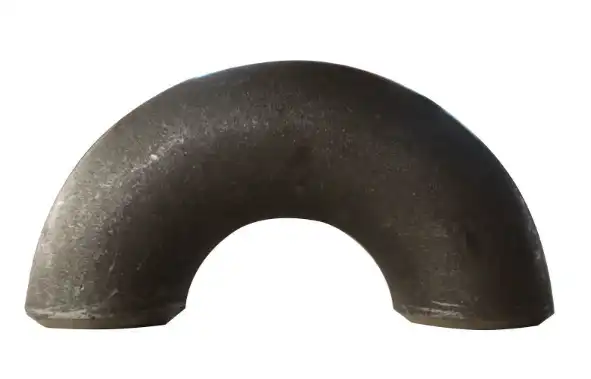
The main difference between long radius and short radius 45-degree elbows is their radius-to-diameter ratio, which has an effect on how the flow works and how they need to be installed. This description tells you where each type of bend works best in complicated pipe networks.
Defining Long Radius and Short Radius Configurations
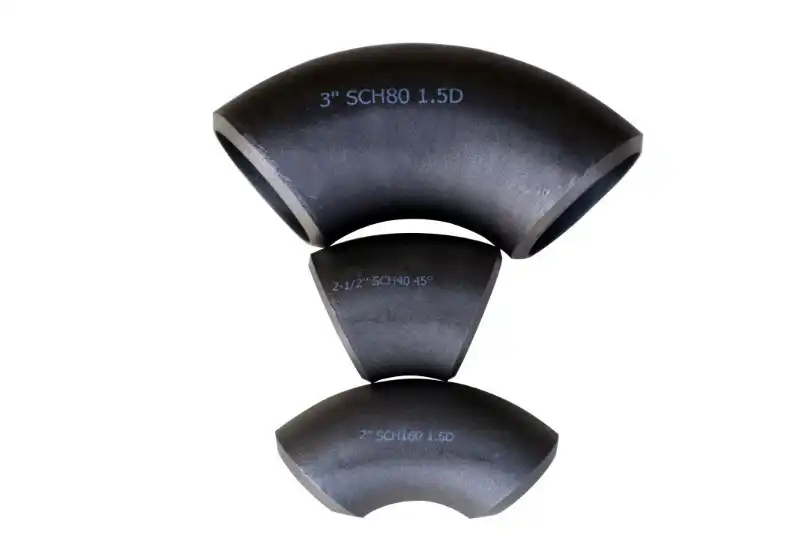
The centerline radius of a long-radius elbow is always 1.5 times the standard pipe width. LR elbows are good for high-flow uses because their gradual curve reduces turbulence and pressure drop. Short-radius elbows have a central radius that is the same size as the pipe diameter. This makes the fitting smaller, which is helpful in tight spaces. Because the bend angle is tighter in SR designs compared to their long radius versions, there is more friction and pressure loss.
Material Specifications for Industrial Applications
Due to its excellent mix of strength, weldability, and cost-effectiveness, carbon steel is still the most common material used for industrial piping elbows. Grades like A234 WPB meet ASME B16.9 standards and can work in places where the temperature is up to 427°C, like in chemical and oil processing. Different types of stainless steel, like 304 and 316L, are better at resisting rust in environments that are acidic or high in chlorine. Chromium and molybdenum are added to alloy steel elbows so they can handle the high temperatures and high pressures that are common in power generation and industrial activities.
Critical Dimensional Standards and Pressure Ratings
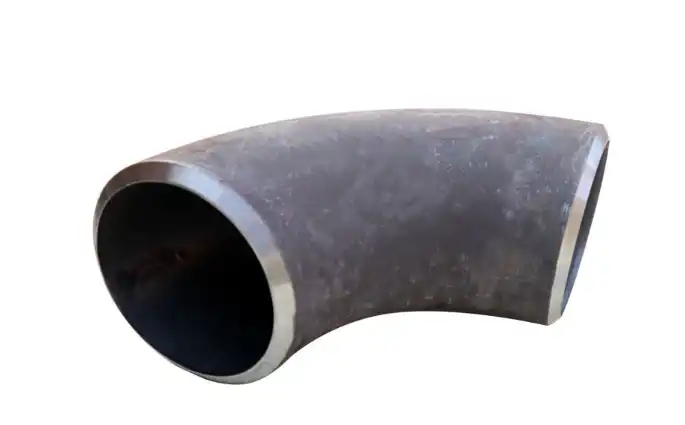
Specifications for manufacturing are based on standards that are known all over the world and make sure that products can be used in all kinds of supply lines. ASME B16.9 sets the sizes for butt-welding fittings made in a workshop from cast steel, and ANSI B16.28 sets the sizes for short-radius elbows. Line pipe used in oil and gas transportation systems must meet the API 5L standards. Pressure rates depend on the type of material, the thickness of the wall, and the temperature at which it will be used. Walls with labels Schedule 40 and Schedule 80 are thicker and can handle higher pressures.
Core Applications of 45-Degree Long Radius and Short Radius Elbows in Industrial Piping
To choose between long radius and short radius configurations, you need to carefully look at system factors like the amount of room you have, the pressure that you need, and the properties of the fluid. Each design has its own benefits that are best suited to certain operating situations.
Long Radius Elbows in High-Pressure Systems
A lot of oil and gas transport pipes use long radius 45-degree elbows to keep the flow going smoothly over long distances. The slow curve lessens speed changes that cause erosion forces and pressure changes. LR elbows are used in material transfer systems in chemical processing plants to keep flow rates steady, which has a direct effect on the quality of the products and the safety of the process. Power plants use these fittings in networks that distribute high-temperature steam. Keeping the pressure drop as low as possible protects thermal efficiency and lowers energy use.
Short Radius Elbows for Space-Constrained Installations
Platforms in the ocean and at sea have very limited space, so they need pipe systems that are very small. Short-radius elbows let you set up tight wiring arrangements in engine rooms and processing units without affecting the strength of the structure. When moving around structural parts and mechanical equipment, SR elbows help HVAC systems in business buildings. These fittings are used in filter and pumping stations in water treatment plants where equipment density needs to make good use of floor space.
Impact on System Efficiency and Maintenance Cycles
The choice of radius affects long-term operating costs by changing the way flow works and how long parts last. Long-radius elbows create less noise, which slows down the wear and tear on internal surfaces and increases the time between service checks. It is especially useful for this trait in slurry transport situations, where rough bits speed up wear. There are more localized stress concentrations in short radius designs, so they need more non-destructive tests to find fatigue cracks and corrosion pits. LR elbows are often specified by plants that deal with acidic media to reduce the amount of speed-accelerated rusting at bends.
Comparative Analysis: Selecting Between Long Radius and Short Radius 45-Degree Elbows
When making a procurement choice, you have to look at a lot of technical and business factors that affect both the initial costs of the project and the costs over its lifetime. Teams can find the best answer for their needs with the help of a structured comparison approach.
Performance Characteristics and Material Considerations
Corrosion protection is very different depending on the type of material and how it was made. Stainless steel elbows are better at withstanding salt exposure in coastal and marine settings than carbon steel elbows, but they cost a lot more at first. Seamless elbows have consistent metal qualities because they don't have any weld seams that could rust. This makes them better for important services that handle sour gas or high-purity chemicals. Because they are made from rolled plate and are welded, elbows with bigger diameters are cheaper and can meet pressure standards thanks to careful heat treatment and inspection after welding. Long radius designs naturally spread stress more evenly across the fitting's shape. This lowers the risk of wear failure in systems that are loaded and unloaded over and over or that expand and contract with temperature changes. A finite element study shows that SR elbows focus stress at a level that is about 1.8 times higher than what is seen in similar LR fittings when the pressure is the same.
Pressure and Temperature Service Limits
Long-radius elbows are usually better for high-pressure situations above 600 psi because they lower system losses and pumping costs. Short radius fittings can be used in chemical pumping systems and hydraulic circuits where pressures stay low, and a compact route is the most important thing. Changing the temperature adds another level of difficulty because thermal growth causes mechanical stress when the direction of the stress changes. Alloy steel LR elbows are used in hydrocracking units and delayed coker operations where temperatures are higher than 450°C and process upsets cause pressure spikes.
Procurement Considerations and Lead Times
Set prices based on how hard something is to make, how much the materials cost, and how many people are in the market. Standard carbon steel LR elbows in standard sizes keep their prices low because they are made in large quantities and have a lot of suppliers. Custom fabrication is often needed for non-standard sizes and specialty alloys, and the wait time is longer, running from 8 to 16 weeks. Minimum order amounts depend on the maker and the grade of the material. For example, some suppliers will accept smaller quantities of stainless steel goods but need bigger pledges for exotic alloys. Building partnerships with licensed makers who keep a wide range of products in stock helps keep projects on schedule and lowers the risk of buying things.
Installation Best Practices for 45-Degree Industrial Piping Elbows
The installation of industrial piping elbows directly impacts the stability of a system and the service life of its parts. Following set processes stops mistakes before they happen and expensive unplanned shutdowns.
Pre-Installation Verification and Documentation Review
When elbows are delivered, they are inspected to make sure they meet the standards for material grade, size, and pressure ratings. Mill test papers show chemical composition along with mechanical qualities and can be linked to heat numbers. The requirements for the welding process in ASME Section IX must match the properties of the base metal and the conditions of service. Having ISO 9001 certification shows that a company has quality management methods that can regularly make products that meet standards.
Welding Techniques and Joint Preparation
To make full-penetration welds, butt-welding elbows need to be perfectly fitted with even gap spacing and the right amount of root opening. According to ASME B16.25, beveling angles should be 37.5 degrees, and the root sides should be 1/16 inch. When you join stainless steel or reactive metals, purge gas protection keeps the internal weld surface from rusting. Post-weld heat treatment lowers leftover stresses in carbon steel units with walls thicker than what is required. This makes them less likely to crack from stress corrosion and hydrogen embrittlement.
Alignment Protocols and Stress Management
Maintaining proper alignment during assembly stops rotational misalignment that builds up stress and speeds up the start of fatigue cracks. When pipe supports are placed close to elbows, they need to be able to move with temperature expansion without putting too much stress on the fitting. In places where the temperature is high, spring hangers and constant-support devices can handle vertical movement. During construction, cold-spring methods apply controlled stress to counteract thermal growth trends and even out loads across the piping system.
Ongoing Maintenance and Inspection Schedules
Risk-based inspection programs set the frequency of checks based on how important the service is and what would happen if it broke down. Ultrasonic thickness testing finds wall loss from wear and tear or rust before it becomes too thin and makes pressure control less effective. An X-ray shows that the soldered parts are internally cracked and haven't fused. When planned breaks are used for visual inspection, surface rust, coating degradation, and support degradation can be seen. Keeping track of past repairs helps with trend analysis, which figures out how much longer something will last and when it should be replaced.
Future Trends and Innovations in Industrial Piping Elbows
The elbow's performance is getting better, and its uses are growing thanks to new technologies. New developments solve problems that have been around for a long time and add new features that change how systems are designed.
Advanced Materials and Surface Treatments
Duplex and super duplex stainless steels have the corrosion protection of austenitic grades and strengths that are close to those of carbon steel. This makes it possible to have smaller walls, which saves money on weight and materials. In turbine exhaust systems and thermal oxidation uses, nickel-based superalloys can be used at temperatures higher than 700°C. Thermal spray methods are used to apply ceramic-reinforced coatings that protect interior surfaces from slurries and flows that wear them down. Surface flaws that can cause corrosion in pharmacy and food processing equipment are removed by electropolishing.
Digital Monitoring and Predictive Analytics
Embedded sensor technology turns idle pipe fittings into smart system parts that report performance in real time. Ultrasonic sensors on the outside of the elbows track changes in wall thickness to within a millimeter, sending repair alerts before critical thinning happens. Acoustic emission monitors find cracks and leaks early on, when they are still small enough to be fixed before they break completely. Machine learning systems look at patterns of sound and changes in pressure to find flow problems and guess how parts will break down.
Sustainable Manufacturing and Circular Economy Initiatives
More and more manufacturers are using electric arc furnaces to make steel, which use recycled scrap as the main material and have less embodied carbon than standard blast furnace methods. Precision forging methods reduce the amount of waste material that is created when making elbows, and controlled grain flow improves their mechanical qualities. End-of-life recycling programs get back valuable alloys from pipe systems that have been taken out of service. This closes material loops and lowers the need for mining. Environmental product statements make lifetime impact estimates clear, which helps people make choices about sustainable buying.
Conclusion
Choosing between 45-degree long-radius and short-radius Industrial piping elbows has a big effect on how well an industrial pipe system works, how much upkeep it needs, and how much the job costs overall. Long radius configurations offer better flow characteristics and longer service life in high-pressure settings, while short radius configurations allow for compact plans in setups with limited room. The choice of material, the way it is made, and agreement with international standards are still very important factors that determine how reliable a component is in a variety of working conditions. The best way to get the most out of your purchase is to use the right installation methods and schedule regular repair checks. As more and more businesses use high-tech materials and digital tracking tools, the design of piping systems is changing to keep up with performance standards and environmental goals.
FAQ
What determines whether to use long-radius or short-radius 45-degree elbows?
The decision is mostly based on the amount of room available, the pressure needs, and the flow characteristics. Long radius elbows work best in high-pressure systems where the bigger area is needed to keep turbulence and pressure drop to a minimum. When room is limited and pressure is modest, short-radius bends work well where compact routing is more important than flow efficiency.
How do material grades affect elbow performance in corrosive environments?
When it comes to chlorides and acidic media, stainless steel types like 316L are better than carbon steel. For tough chemical handling jobs, duplex stainless steels are better because they are stronger and don't rust. Choosing the right material based on the properties of the media stops failure before it happens and increases service life.
What certifications should buyers verify when sourcing industrial piping elbows?
Manufacturers with a good reputation have ISO 9001 quality management certification and licenses to make special tools. Products should be sized according to ASME B16.9 standards and come with mill test papers that show what the materials are made of and how they work. Third-party inspection records from reputable organizations give extra proof that the requirements are met.
Partner with Oudi for Reliable Industrial Piping Elbow Solutions
Since 1998, Oudi has been making precision-engineered pipe parts for over 300 customers in 40 countries, providing them with approved quality and technical knowledge. With a production capacity of 16,000 tons per year, we keep a large stock of carbon steel, stainless steel, and alloy steel elbows that meet ANSI, JIS, DIN, and BS standards. As a well-known company that supplies industrial piping elbows, we keep our ISO 9001 certification and special equipment manufacturing licenses up-to-date to make sure that every part meets strict quality standards. Email our technical team at oudi-04@oudiguandao.com to talk about the details of your project and get reasonable quotes on bulk orders with lead times that work with your building plans.
References
1. American Society of Mechanical Engineers. (2020). ASME B16.9: Factory-Made Wrought Buttwelding Fittings. New York: ASME Press.
2. Nayyar, M.L. (2019). Piping Handbook, 8th Edition. New York: McGraw-Hill Education.
3. Escoe, A.K. (2021). Piping and Pipeline Assessment Guide, Volume 2. Oxford: Gulf Professional Publishing.
4. Mohitpour, M., Golshan, H., & Murray, A. (2018). Pipeline Design and Construction: A Practical Approach, 4th Edition. Reston: American Society of Civil Engineers.
5. British Standards Institution. (2019). BS EN 10253: Butt-welding Pipe Fittings - Part 2: Non-alloy and Ferritic Alloy Steels with Specific Inspection Requirements. London: BSI Standards Limited.
6. Liu, H. (2020). "Performance Analysis of Pipeline Elbows Under High-Pressure Conditions." Journal of Pressure Vessel Technology, 142(4), 041502-1-041502-9.

Need help finding the right solution with our experts. Please contact us.

SINCE 1998 Your Reliable Pipeline Manufacturer



