High-Strength Industrial Pipe Tee for Chemical Processing Plants
Pumps, reactors, and control systems are often the first things that come to mind when we think of the important parts of chemical processing plants that keep them safe and running smoothly. The simple industrial pipe tee, on the other hand, does an important job that can make or break your whole business. An industrial pipe tee is an important part of complex pipe networks because it lets fluids break off or join together at exact points. Choosing high-strength industrial pipe tees is important for operating integrity and plant safety in places where toxic chemicals, high pressures, and sudden changes in temperature are common. This detailed guide tells you everything you need to know about picking out, fitting, and taking care of industrial pipe tees that are made to work in harsh chemical processing environments.
Understanding Industrial Pipe Tees for Chemical Processing
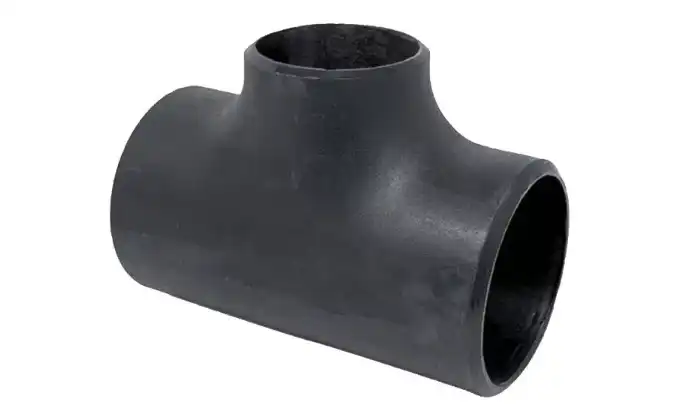
As junction places in plumbing systems, industrial pipe tees let fluid flows that are going in different directions be combined or diverted. Industrial pipe tees make branch connections that are necessary in complex chemical plant plans. Elbows and couplings change the flow direction, but industrial pipe tees link straight parts. The shape looks like the capital letter "T," which explains both the name and what it does.
Types of Pipe Tee Fittings Available
Chemical processing relies on a number of different industrial pipe tee designs, each of which meets specific operating needs. Equal tees, which are also called straight tees, have the same width in all three holes. This makes them perfect for situations where the flow needs to stay even. Reducing tees have one or more outputs that are smaller in diameter than the main run. This lets you control the flow reduction without having to use extra reducer fittings. This design makes fitting easier and cuts down on places where leaks could happen.
Material Selection for Corrosive Environments
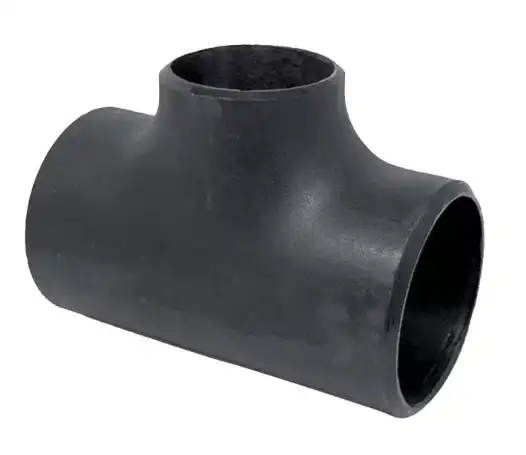
The type of material used directly affects how well an industrial pipe tee can handle the harsh chemicals that are common in industrial companies. Carbon steel tees are useful in oil and gas uses because they are strong and don't cost too much for moderate service conditions. Different types of stainless steel are better at resisting rust, which is important when working with acidic or basic substances. Adding elements like chromium, molybdenum, or nickel to alloy steel tees makes them work better in harsh environments with high temperatures and a lot of corrosion. Our factory in Cangzhou makes all three types of materials, and we follow strict quality standards throughout the whole process.
Connection Methods and Their Applications
The method of making connections significantly influences the difficulty of installation and the system's reliability. Welded industrial pipe tees make solid links that don't leak and work great in high-pressure situations, but they need to be put together by skilled workers and are difficult to take apart. Threaded industrial pipe tees are good for smaller diameter lines and lower-pressure systems because they make installation and upkeep easier to get to. Flanged industrial pipe tees make it easy to separate for repair and work well in large-diameter situations where they need to be inspected often.
Selecting the Right High-Strength Industrial Pipe Tee for Chemical Plants
There's more to picking the right industrial pipe tee than just making sure the pipe sizes match. Chemical processing settings have their own problems that need to be carefully looked at in terms of many performance factors before a purchase choice is made.
Pressure and Temperature Ratings
Normal parts would break in weeks or even days in chemical plants because of the conditions they work in. Not only do pressure rates have to take into account regular working conditions, but they also have to take into account possible surge pressures and system upsets. In addition to normal temperature ranges, we also consider process temperatures that can reach several hundred degrees. Our industrial pipe tees go through a lot of tests to make sure they meet ANSI, ASME, and other foreign standards for how pressure and temperature should relate to each other. Our ISO 9001 certification and this testing process give buying teams faith that the parts will work as expected for as long as they are in use.
Chemical Compatibility Assessment
There are different ways that chemicals break down things. Different chemicals react in different ways, like sulfuric acid and sodium hydroxide; also, cleaning hydrocarbons is not the same as treating water. Knowing the chemicals your system will encounter allows you to select materials that have demonstrated resistance to those substances. Some types of stainless steel, like 316L, are excellent at resisting chlorides and acidic conditions. Other types of steel can handle even more harmful substances. Our expert team has worked with over 300 companies in the chemical, oil, and natural gas industries and can give you material compatibility data that is specific to your processing needs.
Compliance with Industry Standards
In chemical production, following the rules is not a choice. If your industrial pipe tees are made of wrought steel, they must meet ASME B16.9 standards for butt-welding fittings and ASME B16.11 standards for threaded fittings. They must also meet any other foreign standards that apply, such as DIN, JIS, and BS. These guidelines specify the acceptable ranges of dimensions, the required materials, the testing procedures, and the labeling methods. We have had our special equipment production license from the People's Republic of China since 1998. This demonstrates our commitment to producing parts that adhere to these stringent standards. Together, this approval and our quality management system make sure that every industrial pipe tee that leaves our building meets the needs of your project.
Balancing Cost and Reliability
When making purchases in chemical processing, we always consider costs, but the lowest price isn't always the best deal. When you add up the costs of downtime, labor, and possible safety issues, a high-quality industrial pipe tee that doesn't break for fifteen years costs a lot more than a cheaper one that needs to be replaced every three years. Our image depends on being able to find this mix between reliability and low cost. We can produce 16,000 tons of goods every year and make sure the quality is perfect at every step, from inspecting the raw materials to testing the finished goods. This gives you peace of mind about your supply chain and keeps your business running smoothly.
Installation and Maintenance Guide for Industrial Pipe Tees
If fitted or kept incorrectly, even the best industrial pipe tee will not work as well as it should. In locations where chemicals are processed, it is crucial to strictly adhere to installation instructions and routine maintenance.
Installation Best Practices
For a proper installation to start, the part must be carefully checked before it is welded or put together. Check for visible flaws, ensure material approvals match requirements, and verify that the measurements match your pipes. Installations that are welded need extra care. Beveled edges need to be properly prepared, gaps should be kept to a minimum, and welding must be done according to approved methods that are made for the materials being joined. For some grades of alloy steel, we suggest preheating to keep them from cracking. Depending on the working conditions and code standards, post-weld heat treatment may also be needed. Maintain precise alignment during installation to avoid stress build-ups that could cause the part to fail early. Don't put too much stress on the industrial pipe tee itself; instead, use the right support devices.
Routine Inspection Protocols
It is recommended that chemical processing plants have regular inspections that include looking for signs of rust, erosion, or mechanical damage. Inspect the layer for staining, pitting, or wear and tear, which could indicate chemical attacks. Ultrasonic thickness testing can find wall loss inside the building before it shows up on the outside. Depending on the level of service, we suggest inspections every three months for highly corrosive environments and once a year for modest service. Keeping records of these checks produces a historical record that helps figure out how much longer something will last and plan for replacement before it breaks down unexpectedly.
Maintenance Strategies for Extended Service Life
Industrial pipe tees in chemical service last a lot longer when they get regular preventative repair. Cleaning procedures should get rid of chemical layers that speed up rust while staying away from cleaners that could damage the fitting material. Protective coverings or linings, applied during installation or routine upkeep, prove beneficial for certain applications. Small problems don't escalate into major failures once we identify and rectify leaks. We can find possible problems before they damage the system because we can do nondestructive testing and have advanced monitoring tools at our Cangzhou site.
Procurement Insights and Market Trends for Industrial Pipe Tees
Knowing how markets work helps people who work in buying get better deals and make supply chains that are more reliable. In the last few decades, the market for pipe fittings has changed a lot. Several trends have changed how chemical plants get these important parts.
Pricing Dynamics and Material Costs
The prices of raw materials have a big effect on how much an industrial pipe tee costs. The cost of carbon steel changes with the world steel market. The cost of stainless steel and alloy steel changes with the price of nickel, chromium, and other alloying elements. We keep good ties with reliable raw material sources that protect us from big changes in prices, which we then pass on to our customers as a benefit of stability. Size and complexity also influence the price. Because they are made in more steps, reducing industrial pipe tee costs more than a similar industrial pipe tee. Larger sizes cost more because they use more material and have more difficult production methods.
Lead Times for Standard and Custom Orders
Standard Industrial Pipe Tees in popular sizes and materials usually ship within a few weeks from well-known companies. In our 66,600-square-meter warehouse, we keep a stock of items in commonly requested sizes so we can quickly meet pressing needs. Lead times are usually longer for custom specs that need special materials, non-standard sizes, or more testing. When planning projects, we suggest getting sources involved early in the design phase so that you can understand how lead times will affect the schedule and avoid delays. We've gotten better at logistics by shipping to more than 40 countries, so we can guarantee reliable service whether you're in North America, Europe, or somewhere else.
Selecting a Reliable Supplier
When choosing a supplier, you should look at more than just price. You should also look at quality processes, professional skills, and how reliable the service is. Look for makers that have the right licenses and certifications, such as ISO 9001 quality management and licenses to make special tools. These licenses have been kept up by our plant, which has also spent money on new production and inspection tools that guarantee uniform quality. Customer examples from similar projects can tell you a lot about how well a seller really does their job. We have worked in a wide range of fields, such as oil and gas, chemical processing, natural gas, water conservation, construction, ships, and electric power, so we can understand the problems you're facing.
Bulk Ordering and Supply Chain Optimization
A lot of the time, promises to buy in bulk lead to better prices and guaranteed supply. Chemical plants that want to grow or do major repair turnarounds can benefit from making yearly supply deals that set prices and give production times higher priority. Distributors, EPC workers, and end users can work with us to set up supply plans that are perfect for them. With a capacity of 16,000 tons per year, we can handle large orders while still meeting quality standards. When you build relationships based on mutual gain, you make your supply chain strong, which protects your operations from market shocks.
Case Studies and Future Outlook
Real-life examples show how choosing the right industrial pipe tee can solve practical problems and provide measured benefits. In an acidic service application, carbon steel industrial pipe tees kept breaking at a petroleum plant in the southeast of the United States. We suggested switching to a stainless steel 316L industrial pipe tee with a certain heat treatment after looking at the chemical environment and working conditions. After being put in place, the new parts have been used without any problems for over eight years, which has cut down on the need for expensive emergency fixes and production stops. Using the right products can pay off in the long run by lowering the costs over the course of their life.
In a different case, a company that makes specialty chemicals had trouble with quality problems that came from different sources. Getting all of their pipe fittings from one trusted source made it easier to keep an eye on quality and made delivery more predictable. They were able to get bends, flanges, industrial pipe tees, and reducing pipes from just one company because we had a wide range of products made from carbon steel, stainless steel, and alloy steel in different shapes and sizes. This combination cut down on management costs and set up a partnership model to meet their changing needs.
The market for industrial pipe fittings will be shaped by a number of trends in the coming years. New, advanced materials keep coming out that have better dynamic qualities and resistance to corrosion. Specifications, buying, and quality documents are all being changed by digital tools. We've put money into systems that let customers get full certifications, test results, and information on how to track materials online. Sustainability factors are becoming more important in purchasing choices, and companies are expected to be environmentally responsible in how they run their businesses. These changing standards are reflected in our commitment to running a building that is efficient and has the right environmental controls. The rules are getting stricter, especially when it comes to paperwork and tracking. If you work with sellers who have strong quality systems, your company will be able to meet these needs without any problems.
Conclusion
When chemical processing plants choose high-strength industrial pipe tees, they have to weigh a lot of technical, economic, and operational factors. It's important to know about the different types of tees and materials, as well as the skills of suppliers and the best ways to install them. Each choice you make affects the safety, dependability, and cost-effectiveness of your plant. To get the best industrial pipe tee fittings, ensure they're made of the right materials and by suppliers who understand your business. Since 1998, we've improved our skills to serve the oil, gas, chemical processing, and other linked businesses around the world. We now have over 300 customers in more than 40 countries. Our ISO 9001 certification, special equipment production license, and full quality control from raw materials to finished products make sure that our products will work reliably in your toughest situations.
FAQ
What factors determine the pressure rating of an industrial pipe tee?
Ratings for pressure depend on the strength of the material, the width of the wall, the temperature, and the shape of the fitting. Based on these factors, standards like ASME B16.9 give values for pressure and temperature. Allowable pressures depend a lot on the type of material used. In general, alloy steels accept higher values than carbon steel. Since temperature makes materials weaker, pressure values go down as working temperatures rise. Always make sure that the grade of the industrial pipe tee you choose is higher than the system's highest working pressure at the hottest temperature you expect.
Can stainless steel pipe tees handle highly corrosive chemical environments?
When used with certain chemicals, stainless steel industrial pipe tees are very resistant to rust. However, the exact chemicals that will not react with the steel depend on the grade that is chosen. Type 316L works well with chlorides and acidic solutions. Specialized types, like duplex stainless steels, offer better protection in especially harsh environments. We can give you rust data that is specific to your chemicals and suggest the right materials based on our decades of experience in a wide range of chemical handling tasks.
Are threaded pipe tees interchangeable with welded tees in chemical plants?
Threaded and welded industrial pipe tees are not interchangeable. Welded industrial pipe tees make links that are solid and won't leak. They are good for high pressures and important services. Threaded connections make it possible to take parts apart, but they may not be able to handle as much pressure and could leak. When it comes to chemical handling, welded construction is usually best for the main process pipes. Threaded fittings are saved for extra systems, monitoring links, and times when the pipes need to be taken apart later.
Partner with Oudi for Reliable Industrial Pipe Tee Solutions
Reliability is important in chemical handling, and picking the right industrial pipe tee provider is the first step toward that. At Oudi, we've spent more than 20 years improving the way we make pipe fittings so that they meet the exact requirements of your activities. We have a wide selection of industrial pipe tees made from carbon steel, stainless steel, alloy steel, and other metals. These industrial pipe tees come in equal and reducing sizes and are made to meet ANSI, JIS, DIN, and BS standards. We can give your projects the quality assurance paperwork they need because we are ISO 9001 certified, have licenses to make special tools, and can do advanced inspections. Our global logistics knowledge and yearly capacity of 16,000 tons make sure that your supply chain stays uninterrupted, whether you need standard sizes supplied quickly or custom specs for specific uses. You can email our team at oudi-04@oudiguandao.com to discuss your unique needs, ask for material certifications, or get a full quote from a reliable industrial pipe tee manufacturer that wants you to succeed.
References
1. American Society of Mechanical Engineers. "ASME B16.9: Factory-Made Wrought Buttwelding Fittings." New York: ASME Standards, 2018.
2. Davis, J.R. "Corrosion of Weldments." Materials Park: ASM International, 2006.
3. Ellenberger, J.P. "Piping and Pipeline Calculations Manual: Construction, Design, Fabrication, and Examination." Oxford: Butterworth-Heinemann, 2014.
4. Schweitzer, Philip A. "Metallic Materials: Physical, Mechanical, and Corrosion Properties." New York: Marcel Dekker, 2003.
5. Smith, Peter R. "The Fundamentals of Piping Design: Drafting and Design Methods for Process Applications." Houston: Gulf Publishing Company, 2007.
6. Winkel, Paul D. "Chemical Processing Piping Systems: A Guide to Materials, Design, and Installation." Chicago: Industrial Press, 2015.

Need help finding the right solution with our experts. Please contact us.

SINCE 1998 Your Reliable Pipeline Manufacturer



