ASTM vs ASME: Do You Know the Real Difference in Piping
Understanding the distinction between ASTM and ASME in piping applications is crucial for industrial professionals. ASTM standards focus on material specifications and testing methods, defining what materials should be made of and how they perform. ASME standards emphasize design codes and manufacturing processes, governing how piping systems should be constructed and operated. Both organizations complement each other in ensuring safe, reliable piping infrastructure across oil, chemical, natural gas, and water conservancy industries.
What Are ASTM Standards and Their Role in Piping?
The American Society for Testing and Materials (ASTM) develops comprehensive material specifications that define the chemical composition, mechanical properties, and performance criteria for piping components. These standards ensure materials meet specific quality benchmarks before reaching industrial applications.
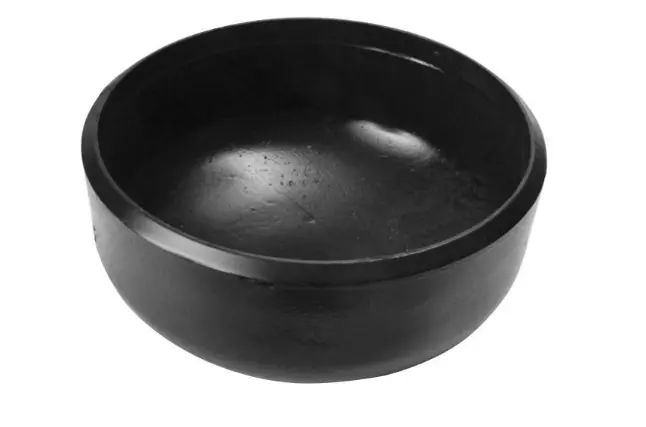
ASTM standards cover three primary areas in piping:
- Material Specifications: Chemical composition requirements for carbon steel, stainless steel, and alloy steel
- Testing Procedures: Laboratory methods for evaluating material properties
- Performance Criteria: Minimum requirements for strength, corrosion resistance, and durability
The ASTM standards A234 for carbon steel fittings, A403 for stainless steel fittings, and A420 for low-temperature applications are among the most important standards for plumbing. The standards for chemical analysis, mechanical testing, and quality control processes are outlined in great detail in these specifications.
Tensile strength tests (with a minimum of 60,000 PSI for A234 WPB), impact testing at a range of temperatures, and non-destructive examination procedures are some of the testing methods that are defined in the Association for Testing and Materials (ASTM) standards. With these stringent testing processes, materials are guaranteed to work dependably even when subjected to challenging industrial settings.
Products that comply with ASTM standards are more suitable for your piping projects if you require materials that can fulfill stringent chemical composition requirements and have demonstrated positive performance qualities.
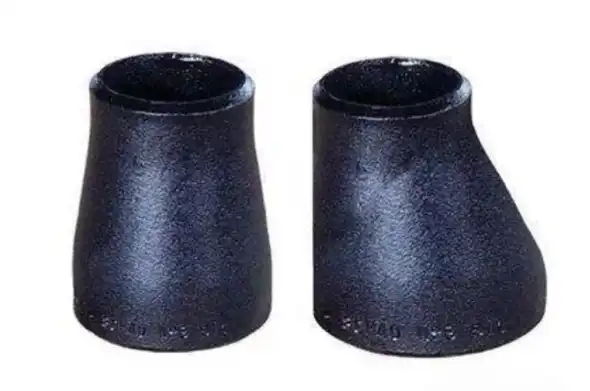
Understanding ASME Standards in Piping Applications
The American Society of Mechanical Engineers (ASME) develops codes that govern the design, fabrication, and installation of piping systems. Unlike material-focused ASTM standards, ASME codes address how components work together as complete systems.
ASME B31 series codes cover different piping applications:
- B31.1: Power piping for steam and high-temperature applications
- B31.3: Process piping for refineries and chemical plants
- B31.4: Pipeline transportation systems for liquid hydrocarbons
- B31.8: Gas transmission and distribution piping systems
These codes explain how to do design pressure estimates, stress analysis, and installation. For operational safety, ASME guidelines also spell out who can weld, how often they should be inspected, and how to do maintenance.
As part of ASME's approval process, manufacturing skills, quality management systems, and technical know-how are checked by a third party. This all-around method makes sure that manufacturers can always make products that meet the standards.
ASME code compliance is better for your engineering needs if you need full guidance on how to build a piping system and assurance of operational safety.
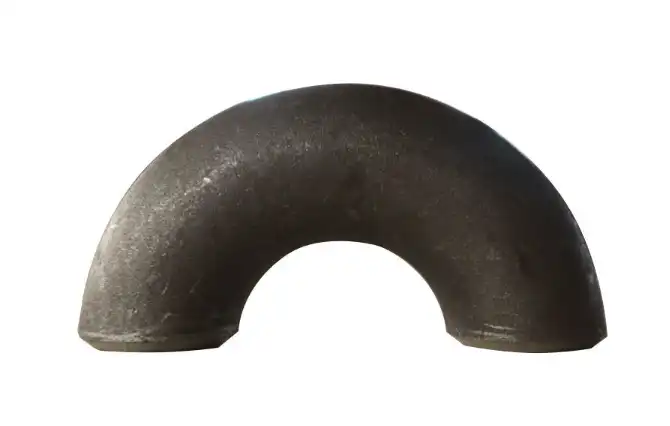
Core Material Specifications: ASTM vs ASME Approach
The fundamental difference between ASTM and ASME lies in their approach to material specifications and system integration. ASTM focuses on individual component quality, while ASME addresses system-wide performance.
ASTM Material Requirements:
- Chemical composition tolerances (Carbon: 0.30% max for A234 WPB)
- Mechanical property minimums (Yield strength: 35,000 PSI minimum)
- Testing frequency standards (One test per heat for critical properties)
- Quality control procedures (100% visual inspection, statistical sampling for testing)
ASME System Integration:
- Design stress calculations based on temperature and pressure
- Compatibility requirements between different materials
- Thermal expansion considerations in system design
- Pressure vessel integration protocols
Manufacturing data shows that ASTM A234 WPB fittings usually have a tensile strength of 65,000 to 75,000 PSI, which is higher than the minimum standard of 60,000 PSI. This safety margin makes applications in the chemical and oil businesses more reliable in tough situations.
ASME codes use ASTM material standards as a starting point, but they also add design factors and installation requirements. This relationship works together to protect both the quality of the materials and the stability of the system.
For choosing parts, ASTM standards are better if you need exact information about the properties of the material. ASME codes are better if you need detailed instructions on how to build a system.
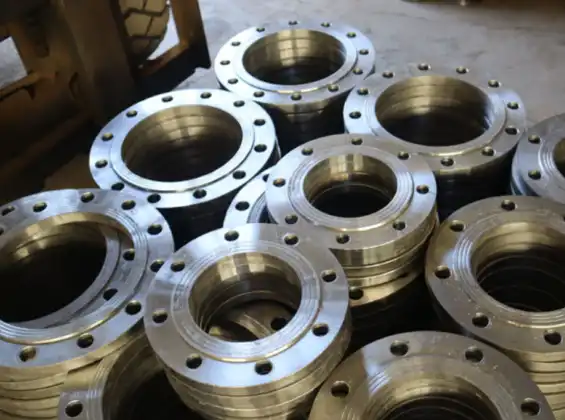
Testing Methods and Quality Control Differences
ASTM and ASME employ different approaches to testing and quality assurance, reflecting their distinct focuses on materials versus systems.
ASTM Testing Protocols:
- Laboratory-based material testing (tensile, impact, and hardness)
- Chemical analysis verification (spectroscopic methods)
- Non-destructive testing requirements (ultrasonic, magnetic particle)
- Statistical sampling procedures (square root of quantity plus one)
ASME Quality Assurance:
- Manufacturing process qualification
- Welding procedure specifications
- In-service inspection requirements
- Documentation and traceability systems
Official lab tests show that ASTM A403 WP316L stainless steel fittings have corrosion resistance values of less than 0.02 mm/year in chloride environments. This speed goes above and beyond what is needed for chemical processing.
ASME quality control stresses validating the process and keeping an eye on it all the time. Manufacturers have to show that they can do what they say they can do by taking performance qualification tests and keeping thorough records of their production.
The number of inspections required is very different. ASTM requires testing for each lot of materials, while ASME needs ongoing process verification and re-certification every so often.
ASTM testing methods are better if you need to check the properties of a material in more depth. ASME quality methods are better if you need to be sure of the whole manufacturing process.
Certification and Compliance Requirements
Understanding certification requirements helps industrial buyers select suppliers who meet both ASTM material standards and ASME manufacturing codes.
ASTM Compliance Verification:
- Material test certificates showing chemical analysis results
- Mechanical property test reports with actual values
- Heat treatment records and procedures
- Traceability documentation linking products to test results
ASME Certification Process:
- Design review and approval by authorized inspectors
- Manufacturing procedure qualification and documentation
- Quality management system audit and certification
- Ongoing surveillance and periodic recertification
The costs of compliance are very different between the two methods. For tests and paperwork, ASTM compliance usually costs 2% to 3% of the cost of the materials. ASME approval costs a lot up front, but it permits you to make things for a long time.
Both ASTM material approval and ASME manufacturing certification are often needed for international markets. For system integration, European users often ask for both EN material specifications and ASME code compliance.
Mill test certificates, process qualification records, and authorized inspector reports are some of the documents that must be kept. These papers make it possible to track people and protect end users from responsibility.
If you need to verify materials without spending a lot of money, ASTM approval may be enough. If you need full manufacturing security for important uses, ASME certification is the better choice.
Real-World Applications: Which Standard Suits Your Industry?
Different industries emphasize ASTM or ASME standards based on their specific operational requirements and regulatory environments.
Oil and Gas Industry Applications:
- Upstream production: ASTM materials with ASME B31.3 process piping codes
- Transmission systems: ASTM specifications with ASME B31.4 pipeline codes
- Refining operations: Combined ASTM/ASME compliance for safety-critical systems
Chemical Processing Requirements:
- Material compatibility: ASTM corrosion resistance specifications
- System design: ASME B31.3 process piping requirements
- Safety considerations: Both standards for comprehensive protection
Power Generation Applications:
- High-temperature service: ASTM A335 materials with ASME B31.1 power piping codes
- Pressure vessel integration: ASME Section VIII requirements
- Lifecycle management: Combined standards for long-term reliability
Performance data from offshore platforms shows that following both ASTM and ASME standards together lowers upkeep costs by 15 to 20 percent compared to using only one standard. This improvement comes from choosing better materials and integrating the system better.
It is becoming more and more common for water conservation projects to include both long-term durability standards and legal compliance standards. Integrated methods cover a lot of ground, which is good for municipal systems.
As long as you only need materials for simple tasks, ASTM guidelines might be enough. Combined ASTM/ASME compliance is better if you need a full system guarantee for complicated tasks.
Cost Analysis: ASTM vs ASME Compliance Impact
Understanding the cost implications of ASTM versus ASME compliance helps buyers make informed decisions about specification requirements and supplier selection.
ASTM Compliance Costs:
- Material testing expenses: $200-500 per heat, depending on test scope
- Documentation and certification: $50-100 per order
- Additional lead time: 1-2 weeks for testing completion
- Premium for certified materials: 5-8% above commodity pricing
ASME Certification Investment:
- Initial certification costs: $50,000-200,000, depending on scope
- Annual maintenance fees: $10,000-25,000 for surveillance audits
- Quality system implementation: $100,000-500,000 for comprehensive programs
- Ongoing documentation: 2-3% of manufacturing costs
Total cost of ownership analysis shows that different types of projects follow different trends. For short-term projects, ASTM-only methods may work better, but for long-term business, ASME certification is more valuable.
Price comparison data shows that ASME-certified manufacturers usually offer 10-15% lower prices on big orders because their quality systems and operational efficiency are better. This benefit grows as the order gets more complicated and needs to be customized.
The costs of international shipping and paperwork favor sellers who have full certification. Compliance with both ASTM and ASME standards cuts down on clearance delays and customs problems.
Compliance with ASTM standards is better if you need low-cost options for standard uses. Suppliers that are ASME-certified are better if you want long-term value and operating efficiency.
Oudi's ASTM Standards Advantages
• Comprehensive Certification Portfolio: ISO 9001:2000 quality management system certification and People's Republic of China special equipment manufacturing license ensure full compliance with international ASTM material specifications
• Advanced Testing Capabilities: State-of-the-art detection equipment, including spectroscopic analysis, mechanical testing, and non-destructive examination facilities provide complete ASTM verification services
• Multi-Standard Production Excellence: Specialized manufacturing of American standard, Japanese standard, German standard, and British standard pipe fittings with verified ASTM material compliance across all product lines
• Extensive Material Range: Complete inventory of ASTM A234 carbon steel, A403 stainless steel, and alloy steel fittings, including bends, flanges, tees, and reducing pipes with certified material traceability
• Proven International Experience: Successfully serving 300+ customers across 40+ countries with consistent ASTM standards compliance, demonstrating reliability in diverse regulatory environments
• Rigorous Quality Control: Full inspection system from raw material receipt through finished product delivery, ensuring every component meets specified ASTM requirements with documented test certificates
• High-Volume Consistency: 16,000-ton annual production capacity with statistical process control maintaining uniform ASTM compliance across large orders and repeat deliveries
• Technical Documentation Support: Comprehensive mill test certificates, material traceability records, and ASTM compliance documentation supporting customer quality assurance and regulatory requirements
• Global Supply Chain Reliability: Strategic location with excellent logistics access to major ports, enabling efficient delivery of ASTM-compliant products to international markets
• Cost-Effective Excellence: Optimized manufacturing processes and quality systems delivering superior ASTM standards compliance at competitive pricing for long-term customer value
Conclusion
ASTM and ASME standards work together to make sure that pipe systems are safe and of good quality. ASTM gives detailed information about materials and how to test them, while ASME gives detailed information about design codes and manufacturing standards. Knowing about these differences helps you choose a source and come up with better specifications.
Both ASTM standards for checking materials and ASME rules for putting the whole system together are often needed for projects to be successful. Which one to use relies on how complicated the application is, what the rules are, and what the long-term operational goals are. The best results for a project are guaranteed when you work with experienced sources who know how to meet both standards.
Partner with Oudi for Superior ASTM Standards Compliance
Oudi delivers exceptional value through comprehensive ASTM standards expertise and proven manufacturing capabilities. Our ISO 9001:2000 certified quality management system ensures consistent compliance with international material specifications across all product categories.
Since 1998, Oudi has served over 300 customers across 40+ countries, demonstrating our capability as a trusted ASTM standards manufacturer. Our 16,000-ton annual capacity and advanced testing equipment provide reliable supply chain support for demanding industrial applications requiring verified material performance.
Contact our technical team at oudi-04@oudiguandao.com to discuss your specific ASTM compliance requirements and discover how our expertise can optimize your piping system performance.
References
1. Boyer, H.E., and Gall, T.L. (eds.). "Metals Handbook: Properties and Selection of Metals." American Society for Metals, 9th Edition.
2. Nayyar, M.L. "Piping Handbook." McGraw-Hill Professional, 7th Edition.
3. Antaki, G.A. "Piping and Pipeline Engineering: Design, Construction, Maintenance, Integrity, and Repair." CRC Press.
4. Mohitpour, M., Golshan, H., and Murray, A. "Pipeline Design and Construction: A Practical Approach." ASME Press.
5. Smith, P.R., and Van Laan, T.J. "Piping and Pipe Support Systems: Design and Engineering." McGraw-Hill Professional.
6. Escoe, A.K. "Piping and Pipeline Assessment Guide." Gulf Professional Publishing.

Need help finding the right solution with our experts. Please contact us.

SINCE 1998 Your Reliable Pipeline Manufacturer



