BW Carbon Steel Cap API 5L & ASME Standards Compliance Guide
Understanding compliance standards is not a choice when choosing pipe fittings for important business uses; it's a must. In the oil, gas, chemical, and power production industries, BW Carbon Steel Cap fittings are used to permanently close off pipeline lines. These BW-welded parts have to meet strict API 5L and ASME standards to make sure that the seals don't break even when the pressure and temperature are very high. By picking caps that meet these standards, you can keep your business safe and avoid costly fails, safety risks, and legal violations. We've worked with buying teams all over the world that know that meeting specifications correctly cuts down on rework and makes systems last a lot longer.
Understanding BW Carbon Steel Caps and Their Standards
What BW Carbon Steel Caps Are and How They Function
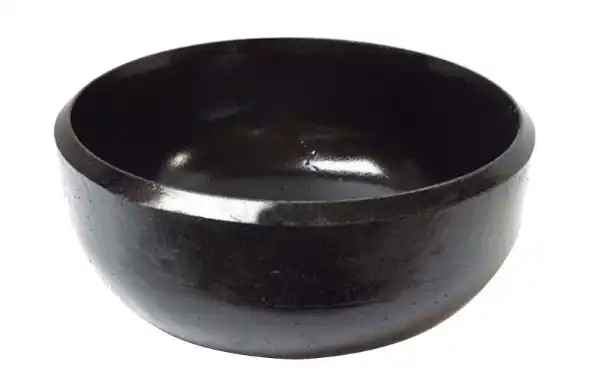
BW Carbon Steel Caps are pipe fittings that are made to keep the open end of a pipeline system closed forever. Instead of threaded or socket welds, these caps connect directly to the ends of the pipes with full-penetration welds, making strong seals that keep air in. The "BW" name stands for the butt-welding joining method, which is stronger than mechanical joints. These fittings stop the flow of fluids or gases at end spots or places that will be expanded in the future. Depending on the size and pressure needs, manufacturing processes include manufactured, ERW (electric resistance welded), and seamless.
Key Standards: API 5L and ASME B16.9 Specifications
API 5L sets the standards for line pipes used in the natural gas and oil businesses. It tells pipe materials what they need to be made of to carry these resources. ASME B16.9 talks about factory-made wrought BW-welding parts, like caps, and spells out testing procedures, pressure-temperature rates, and limits for sizes. Together, these guidelines make sure that all pipe systems around the world can work with each other. For short radius elbows and certain fitting uses, ASME B16.28 and MSS-SP-43 give extra advice. When these standards are followed, products are put through a lot of tests, such as hydrostatic pressure tests, dimensional verification, and material approval.
The sizes usually range from 1/2″ (15 NB) to 48″ (1200 NB), and the width ranges from Schedule 5S to XXS. BW Carbon Steel Caps can be made from ASTM A234 WPB, WPHY 42, WPHY 46, WPHY 52, and stronger types. Each grade has its own set of mechanical qualities that make it suitable for a range of pressure classes and working conditions.
Comparing Cap Connection Types
Which of the BW, threaded, or socket weld caps to use depends on the needs of the product and the way it will be used. BW Carbon Steel Caps work great in high-pressure situations where strength and leak safety are very important. Threaded caps are useful for low-pressure systems that need to be accessed only sometimes, but they can cause leaks at the thread surfaces. Socket weld caps are a good compromise for pipes with a smaller diameter that are used in moderate-pressure situations. BW designs get rid of the stress concentrations that come with threaded links and make the flow inside the joint smoother than socket welds.
Material Selection: Carbon Steel Versus Stainless Steel
For most industry uses, BW Carbon Steel Caps (ASTM A234 WPB and metal variations) are very strong and don't cost a lot of money. Depending on the grade, they work consistently in temperatures from -29°C to 400°C. ASTM A420 WPL3 and WPL6 are low-temperature versions that are used in cryogenics. ASTM A403 WP316/316L and WP304/304L stainless steels can be used in toxic conditions where carbon steel would break down quickly. The choice of material affects not only the original costs but also the reliability of the system and the costs of upkeep over time. For non-corrosive uses in oil, gas, and water systems, carbon steel is still the most cost-effective option. However, chemical handling often needs stainless or alloy steel instead.
Compliance and Quality Considerations
Why API 5L and ASME Certifications Matter
Certifications show that BW Carbon Steel Caps meet basic standards for safety and efficiency that have been set by decades of experience in the field. API 5L approval makes sure that the composition, mechanical qualities, and production methods of a material meet the needs of the oil business. The ASME approval shows that the system meets important standards for pressure and size limits. These certificates are more than just pieces of paper; they show that testing, quality control, and tracking can be done from the raw materials all the way through to the final review. When projects in regulated industries use non-certified parts, they face major problems, such as delays, higher costs to repair equipment, and increased liability.
Material Grades and Pressure Ratings
Different types of materials in the ASTM A234 family have different levels of strength. There must be a minimum tensile strength of 60,000 psi for WPB to be used for general purposes. The different WPHY grades (42, 46, 52, 60, 65, and 70) are based on yield strengths in thousands of pounds per square inch. This lets engineers perfectly fit the features of a material to the pressures it will be used at. Pressure values change depending on the schedule thickness. For example, a Schedule 40 BW Carbon Steel Cap made of WPB material can handle different pressures than a Schedule 160 or XXS thickness cap of the same size.
Coatings can make things last longer in settings that are acidic or prone to wear. Black oxide coatings protect against rust in a basic way, while galvanized finishes offer better protection for outdoor systems. Coatings made of epoxy or polyethylene work well for underground pipes because the soil's chemistry speeds up rusting.
Verifying Supplier Certifications
Every package should come with an original material test report (MTR), which lists the chemical makeup using spectrographic analysis and the mechanical qualities using standard testing. ISO 9001:2000 approval means that quality control systems have been in place for a while, but it doesn't mean that the product is compliant by itself. Special equipment manufacturing licenses, especially those given by national regulatory bodies, show that it is allowed to make parts that hold pressure. We keep a lot of records at Oudi, like inspection reports from a third party and full tracking from steel mill certificates to final dimensional proof. By asking for heat number tracking, you can connect each BW Carbon Steel Cap to the material it came from.
Common Quality Challenges and Inspection Checkpoints
Dimensional errors are a common cause of quality problems. For example, walls that are too thick, out of round, or at the wrong angle can make welding more difficult and weaken the joint. A visual check should find surface flaws like cracks, laminations, or too many holes. Ultrasonic testing finds internal breaks that can't be seen by looking at the surface. Before construction, hydrostatic testing makes sure that the pressure control works. Testing for hardness makes sure that the heat treatment was done right, since too much hardness means that the material is weak and likely to crack. Reputable makers use multi-stage checking processes that find flaws before they are shipped, instead of when they are being installed in the field.
Installation Best Practices for BW Carbon Steel Caps
Pre-Installation Preparation
80% of installation mistakes can be avoided with the right planning. Make sure that the outside width of the BW Carbon Steel Cap fits the thickness of the schedule. If they don't, holes will form that lower the quality of the weld. Check that the ends of both the cap and the pipe are clean by wiping off mill scale, oil, moisture, or other contaminants that could cause weld flaws. Make sure the bevel angles follow the rules for the welding process. Usually, a 30° angle with a 1/16-inch root face is required. Check that the material standards fit the project requirements so that you don't mix alloys that don't work well together. Stage parts in a way that makes sense, close to where they will be installed. This will protect them from damage and contamination.
Welding Techniques and Standards Compliance
Joints that are consistent and meet building codes are made by qualified welders who follow accepted welding procedure standards (WPS). ASME Section IX controls who can be a welder and how procedures are made. How much preheating is needed depends on the chemistry of the material, its thickness, and the temperature of the work area. For larger sections, BW Carbon Steel Caps usually need 150–400°F of preheating. Keep the temperature of the interpass within certain ranges to control how fast it cools and keep microstructures from becoming rigid. Use products (like wires or wire) that are the same as the base material. In stainless steel and alloy steel uses, back purging with inert gas stops internal rusting. Multi-pass welding methods build up the weld metal piece by piece, controlling the amount of heat used and reducing warping.
Post-Installation Testing
Non-destructive examination (NDE) checks the soundness of a weld without hurting the finished joint. Radiographic testing creates lasting film records that show where organ breaks happen. Instead of worrying about nuclear safety, ultrasonic testing is a good way to find defects. Visual inspection can miss surface-breaking flaws that can be found with liquid penetrant tests. Hydrostatic testing shows that pressure is contained at 150% of the design pressure, which finds leaks before the system is put into service. Completely write down all test results, as this information will help with future maintenance choices and show that you follow the rules.
Comparing BW Carbon Steel Caps with Other Pipe End Caps
Mechanical Strength and Durability Analysis
When done right, BW Carbon Steel Cap joints become as strong as or stronger than the base pipe material because full-penetration welds put weld metal through the whole wall thickness. Threaded connections put stress on the thread roots, which makes the link 20–30% less strong than the pipe body itself. When you socket weld, you leave cracks open to rust and make stress risers where the socket meets the pipe. When there is cyclic stress or a lot of shaking, BW Carbon Steel Caps show better wear resistance. Since there are no mechanical threads, there are no worries about galling during fitting, and there are no possible leak paths that come with threaded designs.
Cost-Benefit Analysis for Bulk Procurement
BW Carbon Steel Caps have higher initial unit costs than threaded options by 15 to 25 percent. This is because they need more cutting to prepare the bevel properly. Different types of installation labour cost different amounts. For example, BW welding takes more time and trained welders than putting pipe and spinning on a cap. When lifetime costs are taken into account, the formula changes a lot. BW Carbon Steel Cap installations don't need much upkeep or replacement over the life of the system. Threaded connections, on the other hand, may need to be re-torqued or have their seals replaced from time to time. Leaks have big costs, like lost production, cleaning up the surroundings, and fines from the government. When you buy standardized BW Carbon Steel Caps in bulk, the cost per unit goes down because the making process is more efficient. This is especially helpful for big projects that need hundreds of the same parts.
Application Suitability Across Industries
BW Carbon Steel Caps are always used on high-pressure oil and gas transport pipes because they can handle pressures of more than 2,000 psi. BW setups are preferred in chemical processing plants where process fluid compatibility and zero-leak standards drive design decisions. BW Carbon Steel Caps are used on boiler feedwater and steam systems that work at high temperatures in power plants. For important process lines, water treatment plants may only accept threaded caps, but they may ask for BW Carbon Steel Caps for other, less important systems. The choice grid looks at things like working pressure, temperature, fluid properties, accessibility needs, and government rules.
Procurement Guide for BW Carbon Steel Caps
Selecting Reputable Suppliers
Checking the supplier's certifications is the first step in evaluating them. Make sure that their ISO 9001 registration is still valid and that their scope of work includes making BW Carbon Steel Caps. Special equipment production licenses show that you follow the rules and can make things. Production capacity is important for keeping to project deadlines; sellers who don't have enough capacity put schedules at risk. Shipping prices and lead times are affected by geography, but quality worries shouldn't be put aside for reasons of closeness. Different sources offer different levels of technical support. Being able to access metallurgical knowledge and application engineering helps keep design mistakes to a minimum. Checking with current customers for references shows how quick the seller is, how consistent the quality is, and how they solve problems.
Since 1998, we've worked with over 300 customers in more than 40 countries, building connections with them through reliable quality and technical help. Our yearly production ability of 16,000 tonnes can handle projects ranging from small maintenance jobs to large plant building plans.
Logistics and Inventory Management
Lead times depend on the size, amount, and grade of the material. Standard sizes made of common materials ship in two to four weeks, but large-diameter or unusual metal caps may take eight to twelve weeks. Small buyers are affected by minimum order amounts, but reputable distributors keep popular configurations in stock so they can be sent right away. Good packaging keeps things from getting damaged during foreign shipping. For example, wooden boxes with moisture barriers keep the BW Carbon Steel Caps from rusting and getting damaged physically. When buyers order more than one type of part at the same time, a container combination lowers their freight costs. Just-in-time delivery programs cut down on the amount of storage space needed on-site for big projects, but they require suppliers to be very reliable.
Customization and Special Requirements
Standard sizes work for most uses, but some projects need answers that are made just for them. Requests for thicknesses that aren't normal can be met by special pressure needs. Certain welding processes or joint setups are easier to do with special bevels for BW Carbon Steel Caps. Material certifications that go beyond normal MTRs, like impact testing, spectrographic analysis, or third-party review, meet the strict requirements of the project. For nuclear or aerospace uses that need to be able to track things back, better documentation methods are needed. Field labour costs are lower when coating or painting services are done before shipping. Talking about these needs early on keeps everyone on the same page about prices and plans and avoids confusion.
Conclusion
By choosing appropriate BW Carbon Steel Caps, you can protect your pipeline investments and keep your operations safe. API 5L and ASME standards are tried-and-true ways to make sure that different business uses will work together and be reliable. The long-term stability of a system depends on the materials used, how they are installed, and how the seller is checked. As part of the buying process, you have to pay close attention to certification details, the accuracy of measurements, and the supplier's abilities. Knowing the benefits of BW Carbon Steel Caps compared to threaded or socket weld options helps you choose the right one for the job. Lifecycle costs are lower for quality parts from well-known makers because they last longer and need less upkeep.
FAQ
What distinguishes API 5L from ASME B16.9 standards?
API 5L specifies the grades of steel, their mechanical properties, and the testing standards for line pipes that are used to move oil and natural gas. ASME B16.9 sets standards for dimensions, tolerances, and pressure-temperature values for factory-made BW-welding parts like caps, elbows, and tees. In pipeline systems, API 5L makes sure that the pipes are of good quality, and ASME B16.9 makes sure that the fittings work well together and are compatible.
Can BW Carbon Steel Caps handle high-temperature applications?
BW Carbon Steel Caps made to ASTM A234 WPB standards work well in temperatures up to 400°C (750°F). For better creep protection at higher temperatures, alloy steel types like WP11 or WP22 with chromium and molybdenum are needed. The choice of material depends on both the temperature and the length of time it will be exposed to it. This is because ongoing high-temperature work needs different specs than heating cycles that happen every so often.
How can I be sure that the supplier's licenses are real?
Ask for original material test results that show heat numbers that can be linked to steel mill certificates. Instead of taking papers at face value, check ISO 9001 registration through databases maintained by the granting body. To find out if a maker is registered, contact the people in charge of licensing unique tools. Use third-party inspection services for important jobs to make sure the measurements, materials, and mechanical qualities are correct before the goods are shipped.
Partner with Oudi for Certified BW Carbon Steel Cap Solutions
Since 1998, Oudi has been making precise pipe fittings for the oil, chemical, natural gas, and power production businesses around the world. Our factory is ISO 9001-certified and makes BW Carbon Steel Caps that meet API 5L and ASME B16.9 standards. The sizes range from 1/2″ to 48″, and there are schedules 5S through XXS. High-tech checking tools, like ultrasound testing and spectroscopic analysis, make sure that every cap meets the requirements. As a seller of BW Carbon Steel Caps with a lot of experience, we keep full track of all of our materials from the steel mill to the final shipping. For expert help choosing the right materials, grades, and sizes for your unique needs, our engineering team is here for you. You can email us at oudi-04@oudiguandao.com to talk about your project needs and get full details on our entire fitting range.
References
1. American Society of Mechanical Engineers. (2018). ASME B16.9: Factory-Made Wrought Buttwelding Fittings. New York: ASME Press.
2. American Petroleum Institute. (2019). API Specification 5L: Line Pipe (Forty-Sixth Edition). Washington, DC: API Publishing Services.
3. American Society for Testing and Materials. (2021). ASTM A234/A234M: Standard Specification for Piping Fittings of Wrought Carbon Steel and Alloy Steel for Moderate and High Temperature Service. West Conshohocken, PA: ASTM International.
4. Mohitpour, M., Golshan, H., and Murray, A. (2007). Pipeline Design and Construction: A Practical Approach (Third Edition). New York: ASME Press.
5. Nayyar, M. L. (2000). Piping Handbook (Seventh Edition). New York: McGraw-Hill Professional.
6. Singh, R. (2017). Applied Welding Engineering: Processes, Codes, and Standards (Second Edition). Oxford: Butterworth-Heinemann.

Need help finding the right solution with our experts. Please contact us.

SINCE 1998 Your Reliable Pipeline Manufacturer



