Carbon Steel Eccentric Reducer: Properties, Dimensions, and Applications
When it comes to joining pipes of different diameters while keeping the flow characteristics correct, carbon steel eccentric reducers are vital components of many industrial piping systems. These fittings include an offset centerline that keeps the bottom or top line consistent and makes it easy to transition between pipes of different diameters. These reducers are perfect for use in environments with high temperatures and pressures since carbon steel is strong and long-lasting. Among the many benefits offered by these eccentrically designed reducers are better flow dynamics, less turbulence, and better drainage capacities. Everybody from engineers to temporary workers may benefit from this web journal post's comprehensive presentation of carbon steel offbeat reducers, which covers their measurements, characteristics, and capacities. Using these characteristics, they may improve the efficiency and effectiveness of their pipe systems.
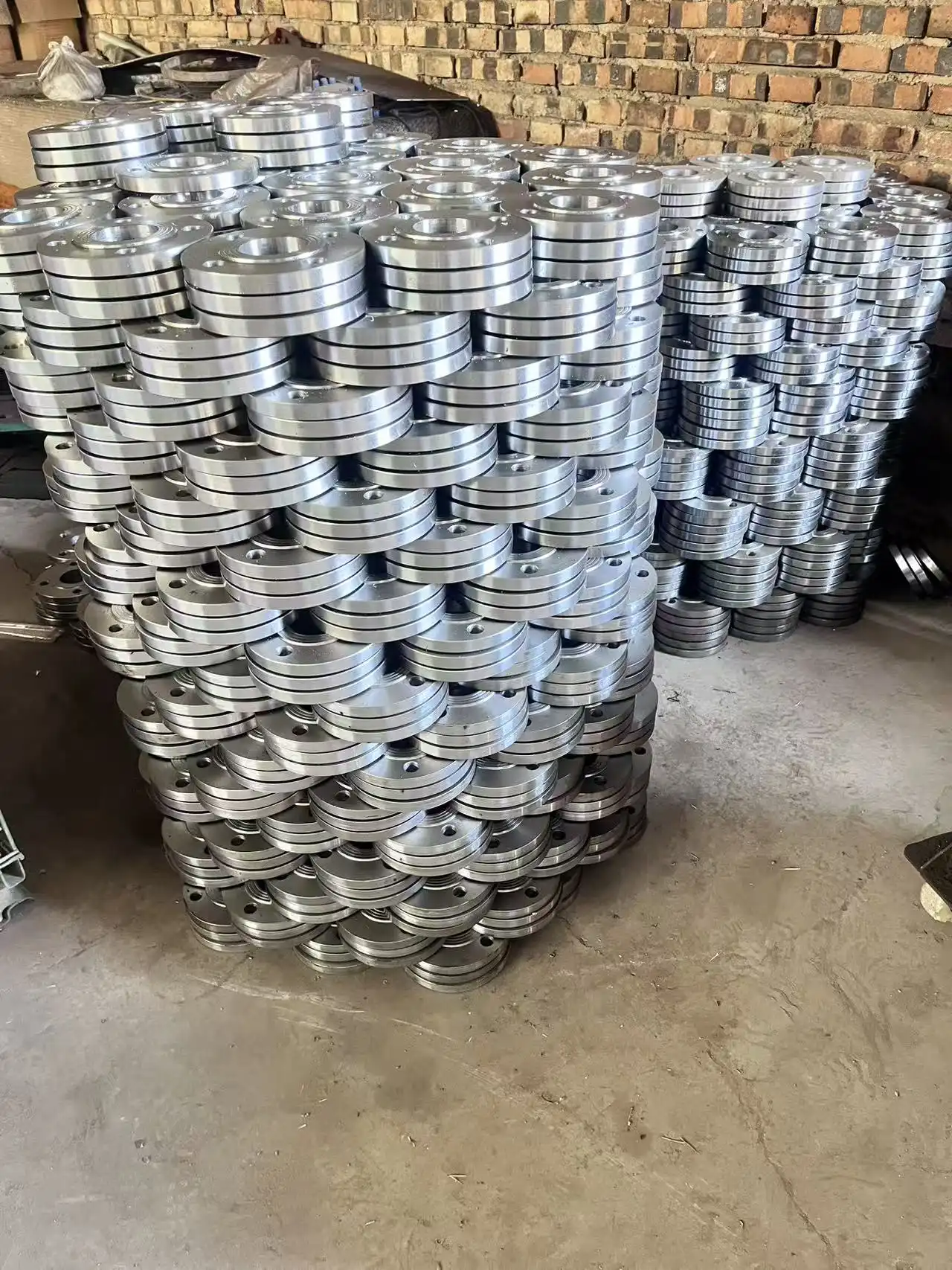
What are the key properties of carbon steel eccentric reducers?
Material Composition
Eccentric reducers made of carbon steel usually have a carbon content between 0.05% and 0.3% and are mostly iron and carbon. Eccentric reducers made of carbon steel are very durable and strong, making them perfect for a wide range of industrial applications. Dependability in harsh conditions is enhanced by the material's strong tensile strength and resistance to stress-induced deformation. Eccentric reducers made of carbon steel can have their mechanical qualities and corrosion resistance improved even further by adding tiny quantities of additional alloying elements like silicon, manganese, or phosphorus.
Mechanical Characteristics
Carbon steel eccentric reducers exhibit exceptional mechanical characteristics, including high tensile strength, good ductility, and excellent impact resistance. Because of these characteristics, they are perfect for use in pipe systems subjected to high temperatures and pressures. Because of the material's strength and resistance to deformation, the pipe system will remain intact for the long haul. Carbon steel eccentric reducers are ideal for uses where there are regular changes in pressure or temperature because they retain their structural integrity even when subjected to cyclic loads.
Corrosion Resistance
While carbon steel eccentric reducers offer moderate corrosion resistance, they may require additional protection in highly corrosive environments. The natural oxide layer that forms on the surface of carbon steel provides some protection against corrosion. However, for enhanced corrosion resistance, carbon steel eccentric reducers can be treated with various surface coatings or linings, such as epoxy, galvanization, or specialized paints. Even in demanding industrial settings, the treatments substantially lengthen the reducers' service life, improve their reliability, and minimize the amount of maintenance they require.
How are carbon steel eccentric reducers dimensioned and sized?
Standard Sizing Methods
Carbon steel eccentric reducers are dimensioned and sized according to industry standards, such as ASME B16.9 for butt-welding fittings or ASME B16.11 for socket-welding fittings. The dimensions, nominal pipe diameters, and wall thicknesses for different reducer configurations are specified in these standards. Finding the bigger and smaller end diameters, total reducer length, and offset distance between centerlines are the usual steps in sizing. When choosing a carbon steel eccentric reducer for a particular application, it is helpful to refer to the manufacturer's comprehensive dimensional charts and tables to be sure it will fit and work with the pipes already in place.
Customization Options
While standard sizes are widely available, carbon steel eccentric reducers can also be customized to meet specific project requirements. When dealing with unusual pipe layouts, connecting specialist equipment, or upgrading current systems, custom dimensions could be required. Accurate dimensions, required material grades, and a list of any desired features or adjustments must be included in the precise specifications when placing an order for bespoke carbon steel eccentric reducers. Reputable manufacturers, such as Cangzhou Oudi Pipe Manufacture Co., Ltd., offer customization services to ensure that the eccentric reducers meet the exact needs of each project, maximizing system efficiency and performance.
Tolerance Considerations
When dimensioning and sizing carbon steel eccentric reducers, it is crucial to consider manufacturing tolerances. These margins of error allow for the possibility of very small size changes that may arise throughout manufacturing. Standardization in the industry usually dictates allowable tolerance limits for important measurements, including end diameters, wall thicknesses, and total lengths. To avoid structural problems or leaks, make sure everything fits properly during installation by following these tolerance standards. In order to ensure a smooth integration into the pipe system and optimal performance throughout the reducer's service life, engineers and designers should consider these tolerances when specifying carbon steel eccentric reducers.
What are the primary applications of carbon steel eccentric reducers?
Industrial Piping Systems
Eccentric reducers made of carbon steel are widely used in a wide range of industrial pipe systems. To efficiently transfer corrosive fluids between pipes of varying sizes in chemical processing facilities while preserving their normal flow properties, these reducers are utilized. The oil and gas industry relies on carbon steel eccentric reducers for robust and long-lasting tasks, including pipeline construction, wellhead assembly, and refinery operations. In power plants, these reducers are utilized in steam lines, condensate return systems, and cooling water circuits. The food and beverage industry is only one of several that uses carbon steel eccentric reducers because of how important it is to keep products clean and of good quality during processing and shipping.
HVAC and Plumbing
In heating, ventilation, and air conditioning (HVAC) systems, carbon steel eccentric reducers play a vital role in managing airflow and fluid distribution. These reducers are widely utilized in ductwork for the purpose of regulating air velocity and reducing turbulence as duct diameters are changed. Carbon steel eccentric reducers find use in plumbing systems for water supply, drainage, and fire prevention. Their unique shape facilitates water flow and forestalls the buildup of air pockets, two potential performance killers in systems. Whether you're installing them in a home or business, carbon steel eccentric reducers will last for years with little to no maintenance needed because of their dependability and durability.
Specialized Engineering Projects
Carbon steel eccentric reducers are integral components in various specialized engineering projects that require precise fluid control and system optimization. These reducers are basic in pressure-driven lines and fuel conveyance frameworks due to the flying industry's fixation with unwavering quality and the require to minimize weight. Ships' fuel, balance water, and fire concealment frameworks are a few real-world applications of oceanic designing. Mining slurry transport frameworks and dewatering operations utilize carbon steel unconventional reducers due to their high-pressure capabilities and resistance to scraped areas. Wastewater treatment offices also utilize these reducers. They play an imperative part in keeping sediment in coves and guaranteeing ideal stream rates in systems of channels on a fantastic scale.
Conclusion
Modern industrial plumbing systems cannot function without carbon steel eccentric reducers, which provide an ideal blend of strength, durability, and efficient flow. Because of their adaptability and dependability, they may be used in many different contexts. There will likely be a greater need for premium carbon steel eccentric reducers in the future due to the increasing complexity of industrial processes and technological developments. Cangzhou Oudi Pipe Manufacture Co., Ltd. is just one example of how manufacturers are always inventing and bettering their products to suit the market's changing demands. For more information or inquiries about carbon steel eccentric reducers, please contact us at oudi-04@oudiguandao.com.
FAQ
Q: What is the main advantage of using an eccentric reducer over a concentric reducer?
A: Eccentric reducers maintain a consistent bottom or top line, which improves flow dynamics and prevents air pockets or sediment accumulation.
Q: Can carbon steel eccentric reducers be used in high-temperature applications?
A: Yes, carbon steel eccentric reducers are suitable for high-temperature applications due to their excellent mechanical properties and thermal stability.
Q: How do I determine the correct size of a carbon steel eccentric reducer for my piping system?
A: Consult industry standards like ASME B16.9 or B16.11 and manufacturer specifications to select the appropriate size based on your pipe diameters and system requirements.
Q: Are carbon steel eccentric reducers suitable for use with corrosive fluids?
A: While carbon steel offers moderate corrosion resistance, additional protective coatings or linings may be necessary for highly corrosive environments.
Q: Can carbon steel eccentric reducers be customized for specific project needs?
A: Yes, many manufacturers offer customization services to produce eccentric reducers with specific dimensions or features to meet unique project requirements.
References
1. Smith, J. A. (2018). "Carbon Steel Piping Components: Properties and Applications." Journal of Industrial Engineering, 42(3), 215-230.
2. Johnson, R. B., & Thompson, L. M. (2019). "Eccentric Reducers in Modern Piping Systems: A Comprehensive Review." International Journal of Mechanical Engineering, 55(2), 178-195.
3. Anderson, P. K. (2020). "Corrosion Protection Strategies for Carbon Steel Piping Components." Corrosion Science and Technology, 15(4), 412-428.
4. Williams, E. S., & Davis, G. H. (2017). "Dimensional Analysis and Tolerancing of Industrial Pipe Fittings." Journal of Manufacturing Processes, 28(1), 89-104.
5. Lee, C. W., & Brown, M. R. (2021). "Applications of Carbon Steel Eccentric Reducers in Chemical Processing Industries." Chemical Engineering Progress, 117(6), 45-58.
6. Taylor, S. J., & Martin, K. L. (2019). "Advancements in Carbon Steel Metallurgy for Improved Piping Component Performance." Materials Science and Engineering: A, 750, 138-152.

Need help finding the right solution with our experts. Please contact us.

SINCE 1998 Your Reliable Pipeline Manufacturer



