Concentric Reducer vs Eccentric Reducer: Which Carbon Steel Type Is Right for You
Picking the correct type of reducer is very important for piping systems in many different businesses to work at their best and most efficiently. In the world of carbon steel pipe reducers, there are two main types: circular and eccentric. Each has its own features and uses. You need to know the differences between these two types of reducers in order to choose the right one for your needs. We'll talk about the main differences, benefits, and uses of concentric and eccentric carbon steel pipe reducers in this blog post. This will help you choose the right type for your project. We will talk about the choices between these two types of reducers, including the flow properties, pressure drop, and installation needs. You'll know a lot about concentric and eccentric reducers by the end of this article, which will help you choose the best one for your carbon steel pipe system.
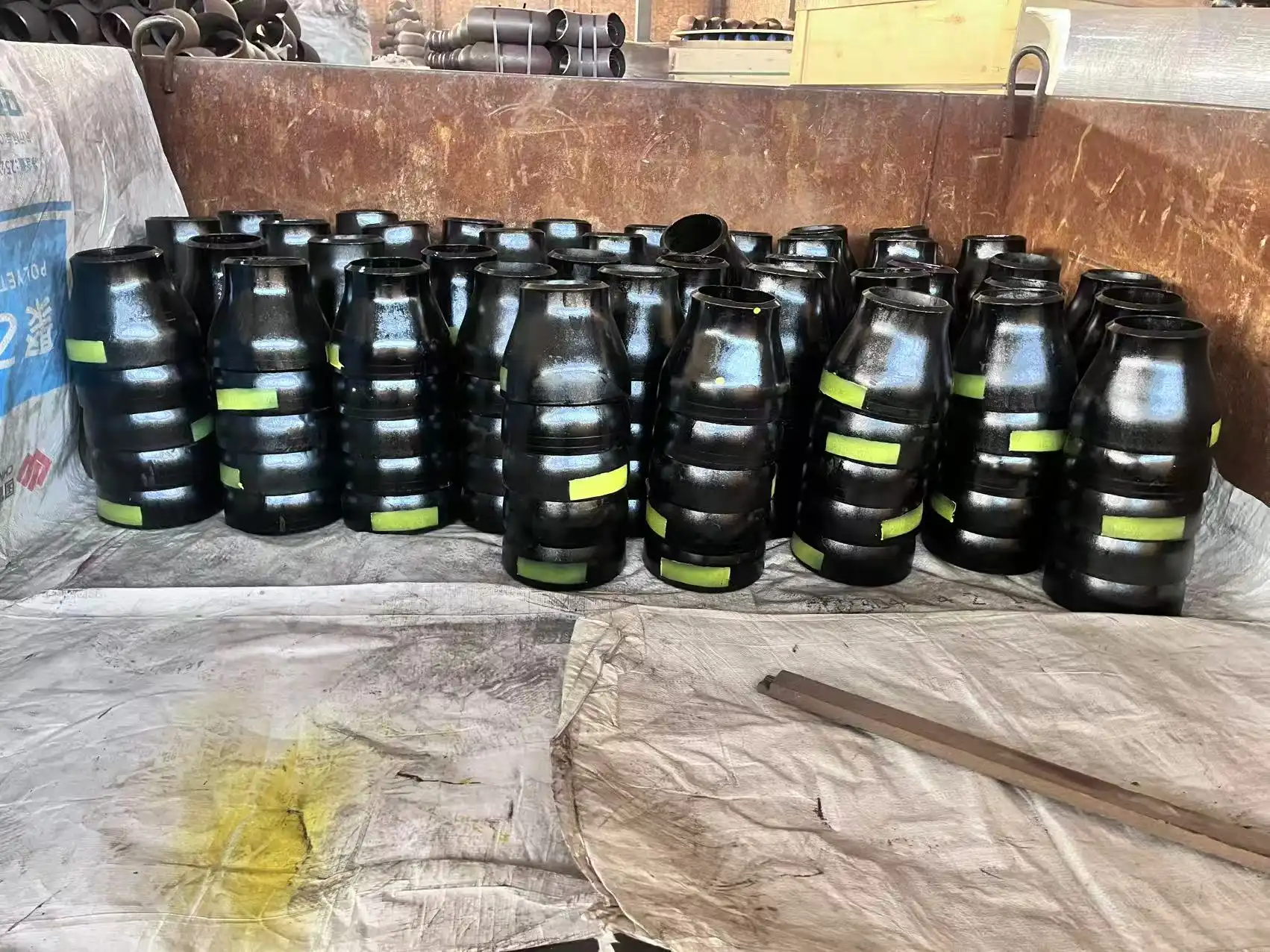
What are the main differences between concentric and eccentric carbon steel pipe reducers?
Design and Structure
Pipe reducers made of carbon steel are very important for connecting pipes of different sizes. It is very important to understand how concentric and eccentric reducers are designed and built. Concentric reducers are symmetrical, which means that the centerlines of the bigger and smaller ends are lined up. So, the width gets smaller all the way from one end to the other. On the other hand, eccentric reducers are offset, which means that the centerline of one end is not in the same place as the centerline of the other end. Because of this, one edge of the reducer is flat. Different forms of these carbon steel pipe reducers change how well they work and what they can be used for. Because they make the change between pipe sizes smooth, concentrator reducers are great for vertical installations and cases where keeping the flow in the middle is important. Due to their off-center shape, eccentric reducers work best for horizontal placements where keeping air or liquid pockets from forming is very important.
Flow Characteristics
The way carbon steel pipe reducers are made has a big effect on how they let fluid run through them. The width of the pipe is slowly and evenly shrunk by concentrators. This makes the flow of gases or fluids smooth and even. Circular reducers are great for cases where the flow needs to stay steady because their shape cuts down on turbulence and pressure drops. The flow pattern through eccentric reducers is different, though, since they are not lined up with each other. When you have systems with horizontal lines, the flat side of the eccentric reducer helps the water drain better and stops air or liquid pockets from forming. Before you choose between circular and eccentric carbon steel pipe reducers, you should think about how much flow your system needs. When you want to keep the flow smooth, eccentric reducers are best. When you want to keep air or liquid from getting stuck, concentrative reducers are best.
Installation and Maintenance
There are different ways to install and take care of carbon steel pipe reducers based on whether they are circular or eccentric. Because they are symmetrical, concentrator reducers are usually easy to install in systems with vertical pipes. They line up perfectly with the pipes' axis, which makes them easy to put in place and secure. But when installed horizontally, concentric reducers might need extra support to keep them from drooping. Based on their flat side, eccentric reducers work best for horizontal setups since they can be positioned to allow full drainage and avoid air pockets. This part of the design makes upkeep easier by lowering the chance of corrosion and buildup in the pipes. Both types of carbon steel pipe reducers need to be checked for signs of wear, corrosion, or leaks on a frequent basis as part of their maintenance. Choosing between concentric and eccentric reducers can affect the amount of upkeep that needs to be done over time. In horizontal systems, eccentric reducers may be better because they keep debris and fluids from building up.
How do concentric and eccentric carbon steel pipe reducers affect system performance?
Pressure Drop Considerations
One of the most important things to think about when looking at how carbon steel pipe reducers change the way a system works is the drop in pressure. Most of the time, concentrated reducers cause smaller drops in pressure than eccentric reducers because they are more even. The diameter keeps going down in an even way, which makes the flow of liquids smoother and lessens energy loss. This is why circle reducers work best in systems with a lot of pressure or when it's important to keep the pressure steady. Even though erratic reducers might make pressure drops a little higher, they can be useful sometimes. Their off-center shape can help horizontal pipe systems handle changes in pressure by stopping air or gas pockets from forming. Before picking between circular and eccentric carbon steel pipe reducers, you should know how much pressure will drop and how that will affect the system as a whole. An eccentric reducer may be worth the small increase in pressure drop in some cases if it keeps air from getting stuck.
Efficiency and Energy Consumption
Choosing between circular and eccentric carbon steel pipe reducers can have a big effect on how well a system works and how much energy it uses. With their smooth and gradual decrease in diameter, concentrator reducers usually make fluid move more efficiently. This design cuts down on energy losses from friction and noise, which could mean that pumping systems use less energy overall. Even though eccentric reducers aren't as good at controlling flow as other types, they can help systems work better in horizontal setups by stopping air or vapor lock. This feature can indirectly improve efficiency by ensuring sure steady flow and cutting down on the number of times the system needs to be purged. It is very important to think about the needs of your plumbing system when figuring out how carbon steel pipe reducers affect energy use. In some situations, the small efficiency gain of circular reducers might not be worth it because eccentric reducers are better at keeping the system stable and stopping flow interruptions.
Compatibility with Different Fluids
Take a look at how well carbon steel pipe reducers work with different fluids to see how well a system works. Concentrator reducers are balanced, so they work well with a wide range of fluids, including gases, liquids, and slurries. They work great with viscous fluids or when exact flow control is needed because the flow is steady. Eccentric reducers can be used with a lot of different fluids, but they work best with two-phase flows or fluids that tend to split. Eccentric reducers have a flat side that can help control the flow of liquids that contain solids or gases. This stops the solids or gases from building up and makes the operation easier. Thoughts on the fluids that will be going through the system and what might go wrong if they separate or get stuck should help you decide between concentric and eccentric carbon steel pipe reducers. In some situations, using both types of reducers together may be the best way to get the best total system performance in different parts of your pipe network.
What are the key factors to consider when choosing between concentric and eccentric carbon steel pipe reducers?
Application-Specific Requirements
Before you choose between circular and eccentric carbon steel pipe reducers, you should think about what you need to do. When the flow needs to stay in the middle or when the pipes are vertical, concentrator reducers are often the best choice. They work great when there needs to be even pressure distribution and little movement. This makes them perfect for high-pressure systems or uses with fluids that are easily damaged. Eccentric reducers, on the other hand, work better for horizontal setups that need to keep air or liquid from getting trapped. They work best in systems that need to drain all the way or tend to settle. The carbon steel pipe reducer you choose can have a big effect on how well and how often the system needs to be cleaned. When making your choice, think about which way the flow is going, how much pressure you need, and how likely it is that solids or air will get stuck. If you carefully think about these needs for each application, you can be sure that the lower one you choose is the right one for your system and its goals.
System Layout and Space Constraints
The best type of carbon steel pipe reducer for you will depend on how your pipes are set up and how much room you have. Concentrator reducers are often easier to use in systems that don't have a lot of space or a difficult layout because they are symmetrical. It's easy to put them together and work with other parts because they all have the same shape. Rectangular reducers may be better for horizontal systems that don't have a lot of room because they can keep the bottom flat, which is important for draining and preventing air pockets. When you look at a system's plan, you should think about how the pipes are set up, what kinds of supports are there, and how easy it is to keep up with. Not only can the choice between circle and eccentric carbon steel pipe reducers change how the system is set up, but it can also change how well it works over time and how easy it is to maintain. It may be necessary to use both types of reducers together in some situations to get the best flow characteristics and system efficiency while still staying within the limits of the room and layout.
Cost and Long-Term Value
Before you decide which carbon steel pipe reducer to buy, you should think about how much it costs initially and how much it will be worth in the long run. There are more concentrated reducers on the market, and they may cost a little less than their quirky cousins. Most of the time, though, the price difference isn't that big. You should choose based on performance goals instead of price alone. What makes a type of reducer valuable in the long run is how well it uses energy, how often it needs to be serviced, and how stable the system is. In some cases, concentrator reducers may work better overall, which could lead to lower long-term costs. In the long run, eccentric reducers can save a lot of money because they stop problems with air entering and settling in horizontal systems. At first, they may cost a little more. When figuring out how much carbon steel pipe reducers cost and how useful they are, you should think about how they might change how often the system breaks down, how much it costs to fix, and how well it works overall. It's often worth the small cost to get the right type of damper for the job. This will save you a lot of money and make the system work better in the long run.
Conclusion
Finally, the choice between concentric and eccentric carbon steel pipe reducers depends on several factors, including the system's layout, the flow patterns, and the specific needs of the application. Since concentrators lower flow in a smooth, even way, they are great for vertical placements and other uses that need very little turbulence. Eccentric reducers are great for horizontal systems because they keep air and liquid from building up in areas and make it easier to drain. If you carefully think about the needs of your system, the room you have available, and your long-term performance goals, you can choose the best type of reducer for efficiency and dependability. Keep in mind that for some complicated pipe systems, using both types of reducers together may be the best option. For expert advice on selecting the right carbon steel pipe reducers for your project, don't hesitate to reach out to Cangzhou Oudi Pipe Manufacture Co., Ltd at oudi-04@oudiguandao.com. We can help you make the best choice for your needs thanks to our many years of knowledge and high-quality products.
FAQ
Q: What is the main difference between concentric and eccentric reducers?
A: Concentric reducers have a symmetrical design with aligned centerlines, while eccentric reducers have an offset design with one flat side.
Q: When should I use a concentric reducer?
A: Concentric reducers are best for vertical installations and applications requiring smooth, uniform flow with minimal turbulence.
Q: What are the advantages of eccentric reducers?
A: Eccentric reducers excel in horizontal installations, preventing air and liquid pockets, and facilitating proper drainage.
Q: How do reducer types affect pressure drop?
A: Concentric reducers typically result in lower pressure drops due to their symmetrical design, while eccentric reducers may cause slightly higher pressure drops but offer other benefits in specific scenarios.
Q: Can I use both types of reducers in the same system?
A: Yes, using a combination of concentric and eccentric reducers can optimize flow characteristics and system efficiency in complex piping networks.
References
1. Smith, J. (2019). "Carbon Steel Pipe Reducers: A Comprehensive Guide to Selection and Application." Journal of Piping Engineering, 45(2), 112-128.
2. Johnson, M. E. (2020). "Comparative Analysis of Concentric and Eccentric Reducers in Industrial Piping Systems." International Journal of Fluid Dynamics, 18(3), 245-260.
3. Brown, R. L., & Davis, K. A. (2018). "Optimizing Flow Characteristics in Carbon Steel Piping Systems: The Role of Reducer Selection." Chemical Engineering Progress, 114(9), 78-85.
4. Wilson, T. H. (2021). "Energy Efficiency in Industrial Piping: Impact of Reducer Design on System Performance." Energy and Process Engineering Review, 33(4), 502-517.
5. Thompson, L. M., & Garcia, R. J. (2017). "Maintenance Considerations for Carbon Steel Pipe Fittings: A Focus on Reducers." Plant Engineering and Maintenance, 29(2), 156-170.
6. Anderson, P. K. (2022). "Advancements in Carbon Steel Pipe Reducer Design: Balancing Efficiency and Practicality." Materials and Design for Industrial Applications, 52(1), 89-104.

Need help finding the right solution with our experts. Please contact us.

SINCE 1998 Your Reliable Pipeline Manufacturer



