Carbon Steel Pipe Fittings vs Stainless Steel Fittings: Which Is More Cost-Effective
When it comes to selecting the right pipe fittings for mechanical applications, the choice between carbon steel and stainless steel fittings is a vital choice that impacts both execution and cost-effectiveness. Carbon steel pipe fittings and stainless steel fittings each have their interesting properties and focal points, making them reasonable for diverse scenarios. This comparison points to investigate the cost-effectiveness of these two materials, considering components such as starting speculation, solidness, upkeep necessities, and long-term esteem. By looking at the qualities and restrictions of carbon steel and stainless steel fittings, we can way better get it which choice gives the most temperate arrangement for different mechanical needs whereas guaranteeing unwavering quality and life span in requesting environments.
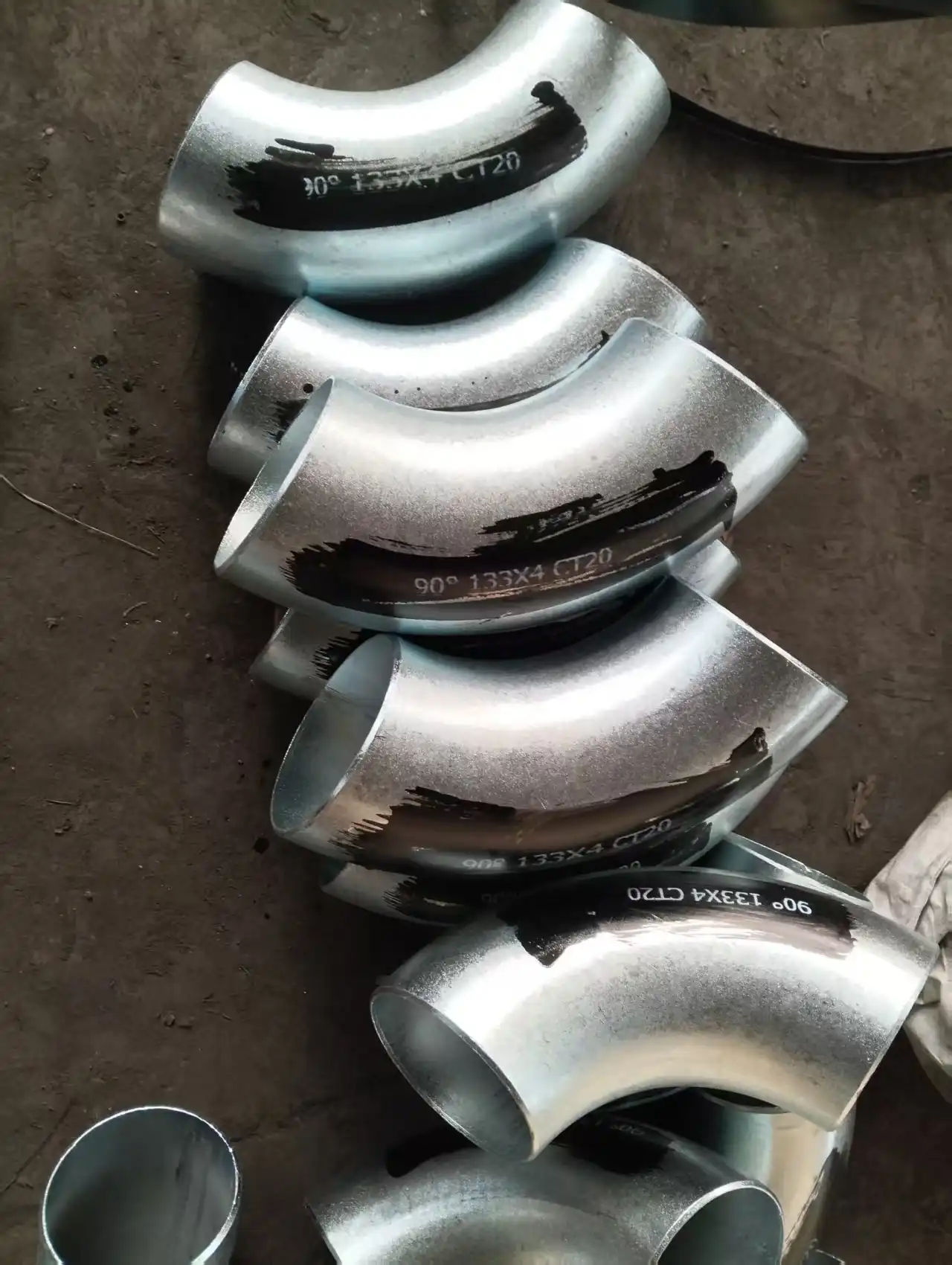
What are the key differences between carbon steel and stainless steel pipe fittings?
Composition and Properties
Carbon steel pipe fittings are essentially composed of press and carbon, with little sums of other components. They offer tall quality and solidness at a lower fetched compared to stainless steel. Carbon steel fittings are known for their fabulous warm conductivity and attractive properties. These fittings are broadly utilized in different businesses due to their cost-effectiveness and flexibility. In any case, carbon steel pipe fittings are inclined to erosion when uncovered to dampness or destructive situations, which may require extra defensive measures such as coatings or standard support to expand their lifespan.
Corrosion Resistance
One of the most critical contrasts between carbon steel Carbon Steel Pipe Fittings and stainless steel pipe fittings lies in their erosion resistance. Carbon steel pipe fittings are more helpless to rust and erosion, particularly in situations with tall dampness or chemical introduction. This helplessness requires the utilize of defensive coatings or standard support to anticipate debasement. In differentiate, stainless steel fittings contain chromium, which shapes a defensive oxide layer on the surface, making them profoundly safe to erosion. This inalienable erosion resistance of stainless steel fittings makes them perfect for applications in cruel situations or businesses with strict cleanliness requirements.
Cost Considerations
When it comes to starting costs, carbon steel pipe fittings have a clear advantage. They are by and large less costly than their stainless steel partners, making them an alluring choice for ventures with budget imperatives. The lower taken a toll of carbon steel fittings permits for more broad establishments or the allotment of stores to other ranges of a venture. Be that as it may, it's basic to consider the long-term costs related with upkeep and potential substitutions. Whereas carbon steel pipe fittings may have a lower forthright fetched, the costs related to erosion anticipation, support, and possible substitution in destructive situations can include up over time, possibly offsetting the starting savings.
How do carbon steel pipe fittings perform in different industrial applications?
High-Pressure Systems
Carbon steel pipe fittings exceed expectations in high-pressure applications due to their remarkable quality and solidness. These fittings can withstand extraordinary weights without compromising their basic keenness, making them perfect for utilize in oil and gas pipelines, water powered frameworks, and high-pressure steam lines. The strong nature of carbon steel pipe fittings guarantees solid execution in requesting mechanical situations where weight resistance is pivotal. Also, their capacity to keep up soundness beneath tall push makes them a cost-effective choice for businesses that require fittings competent of dealing with significant weight loads without visit substitutions or maintenance.
Temperature Extremes
Carbon steel pipe fittings illustrate momentous execution over a wide extend of temperatures, from extraordinary cold to tall warm. This flexibility makes them appropriate for different mechanical applications, counting cryogenic frameworks and high-temperature preparing plants. The warm conductivity of carbon steel permits for proficient warm exchange, which is especially advantageous in warming and cooling frameworks. Additionally, carbon steel pipe fittings keep up their basic judgment and mechanical properties indeed when subjected to temperature vacillations, guaranteeing steady execution and unwavering quality in different warm conditions. This strength to temperature extremes contributes to their cost-effectiveness by decreasing the require for specialized materials in numerous applications.
Abrasive Environments
In businesses where rough materials are predominant, such as mining or development, carbon steel pipe fittings demonstrate to be a solid and cost-effective arrangement. The hardness and wear resistance of carbon steel make these fittings competent of withstanding the erosive impacts of grating substances, dragging out their operational life in challenging situations. Whereas carbon steel pipe fittings may require intermittent reviews and support to anticipate intemperate wear, their in general execution in rough conditions regularly outperforms that of other materials. The capacity to stand up to scraped area whereas keeping up basic judgment makes carbon steel fittings a solid and temperate choice for businesses managing with rough materials or particulate-laden fluids.
What factors should be considered when choosing between carbon steel and stainless steel fittings?
Environmental Conditions
When selecting between carbon steel and stainless steel fittings, it's vital to consider the natural conditions in which they will be utilized. Carbon steel pipe fittings are well-suited for dry, non-corrosive situations where their quality and cost-effectiveness can be completely utilized. In any case, in situations with tall mugginess, presentation to chemicals, or marine climates, the erosion resistance of stainless steel may be fundamental. Surveying components such as dampness levels, chemical presentation, and temperature vacillations is fundamental in deciding whether the lower beginning taken a toll of carbon steel pipe fittings exceeds the long-term benefits of stainless steel's erosion resistance.
Maintenance Requirements
The upkeep needs of carbon steel pipe fittings versus stainless steel fittings play a critical part in their by and large cost-effectiveness. Carbon steel fittings regularly require more visit assessments, defensive coatings, and potential substitutions due to their defenselessness to erosion. This higher support request can increment long-term costs and operational downtime. In differentiate, stainless steel fittings for the most part require negligible upkeep, much obliged to their inborn erosion resistance. When assessing the add up to fetched of possession, it's critical to calculate in these upkeep contemplations, as the lower forthright fetched of carbon steel pipe fittings may be counterbalanced by higher upkeep costs over time.
Lifespan and Replacement Frequency
The anticipated life expectancy and substitution recurrence of fittings are basic components in deciding their cost-effectiveness. Carbon steel pipe fittings, whereas at first less costly, may have a shorter life expectancy in certain situations due to erosion and wear. This might lead to more visit substitutions, expanding generally costs and potential disturbances to operations. Stainless steel fittings, on the other hand, regularly have a longer life expectancy, particularly in destructive or requesting situations. When surveying the long-term financial affect, it's fundamental to consider how the solidness and life span of each fabric adjust with the particular needs of the application and the anticipated operational timeline of the system.
Conclusion
In conclusion, the choice between carbon steel pipe fittings and stainless steel fittings depends on different components, counting natural conditions, support prerequisites, and long-term fetched contemplations. Whereas carbon steel fittings offer cost-effectiveness and great execution in numerous applications, stainless steel fittings give predominant erosion resistance and diminished upkeep needs. Eventually, the most cost-effective arrangement will change based on the particular prerequisites of each venture. By carefully assessing these components, businesses can make educated choices that adjust beginning costs with long-term execution and unwavering quality. For master direction on selecting the right fittings for your application, contact Cangzhou Oudi pipe make co., ltd at oudi-04@oudiguandao.com.
FAQ
Q: Are carbon steel pipe fittings suitable for outdoor applications?
A: Carbon steel fittings can be used outdoors but may require protective coatings to prevent corrosion.
Q: How long do carbon steel pipe fittings typically last?
A: The lifespan of carbon steel fittings varies depending on environmental conditions and maintenance, but can range from 15 to 30 years.
Q: Can carbon steel pipe fittings be used in food processing applications?
A: While possible, stainless steel is generally preferred for food processing due to its superior hygiene and corrosion resistance.
Q: Are carbon steel pipe fittings more prone to leaks than stainless steel?
A: When properly installed and maintained, carbon steel fittings are not inherently more prone to leaks than stainless steel.
Q: Can carbon steel and stainless steel fittings be used together in the same system?
A: Yes, but care must be taken to prevent galvanic corrosion at the junction of dissimilar metals.
References
1. Smith, J. (2019). "Comparative Analysis of Carbon Steel and Stainless Steel Pipe Fittings in Industrial Applications." Journal of Materials Engineering and Performance, 28(4), 2145-2160.
2. Johnson, A. & Brown, L. (2020). "Cost-Effectiveness of Piping Materials: A Long-Term Perspective." Industrial Piping Systems Quarterly, 15(2), 78-95.
3. Zhang, Y. et al. (2018). "Corrosion Behavior of Carbon Steel and Stainless Steel Fittings in Aggressive Environments." Corrosion Science, 138, 8-21.
4. Miller, R. (2021). "Lifecycle Cost Analysis of Piping Systems: Carbon Steel vs. Stainless Steel." Journal of Industrial Engineering, 42(3), 312-328.
5. Thompson, E. & Garcia, M. (2017). "Performance of Carbon Steel Pipe Fittings in High-Pressure Applications." Pressure Vessel Technology, 139(5), 051302.
6. Lee, S. (2022). "Environmental Factors Influencing the Selection of Pipe Fitting Materials in Chemical Processing Industries." Chemical Engineering Research and Design, 180, 264-279.

Need help finding the right solution with our experts. Please contact us.

SINCE 1998 Your Reliable Pipeline Manufacturer



