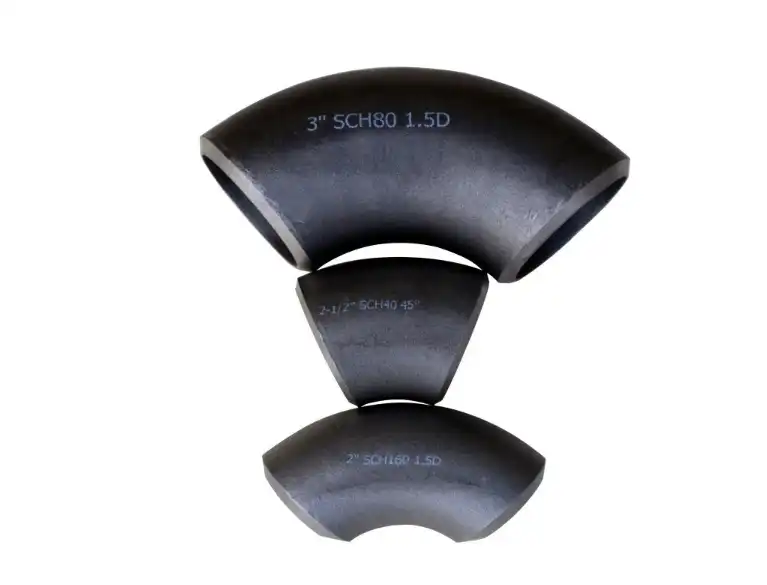
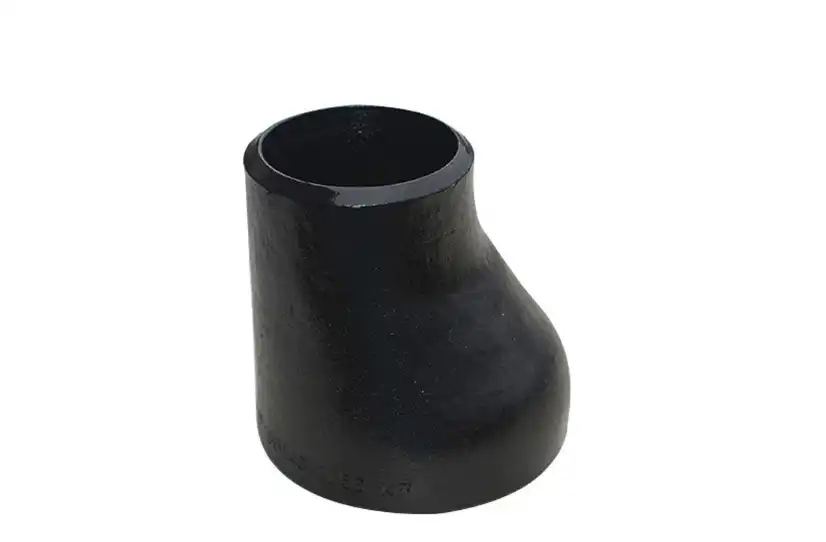
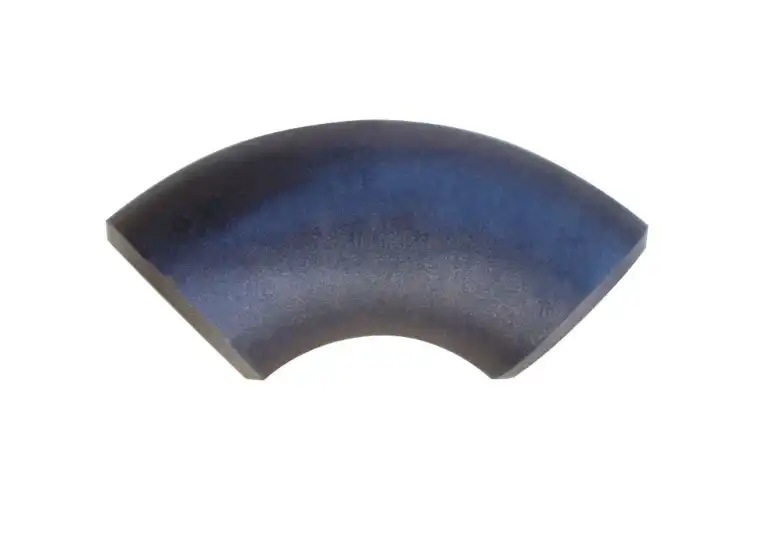
How to Select the Best Carbon Steel Pipe Cap for Your Industrial Needs?
Selecting the right carbon steel pipe cap is crucial for ensuring the efficiency, safety, and longevity of your industrial piping systems. Carbon steel pipe caps play a vital role in sealing the ends of pipes, preventing leaks, and protecting the internal components from contamination and damage. With numerous options available in the market, choosing the best carbon steel pipe cap for your specific industrial needs can be a challenging task. This comprehensive guide will walk you through the essential factors to consider when selecting carbon steel pipe caps, including material quality, size specifications, pressure ratings, and compatibility with your existing piping system. By understanding these key aspects, you'll be better equipped to make an informed decision that meets your project requirements and ensures optimal performance in your industrial applications. Whether you're working in the oil and gas, chemical, or construction industry, this article will provide valuable insights to help you select the most suitable carbon steel pipe cap for your unique industrial needs.
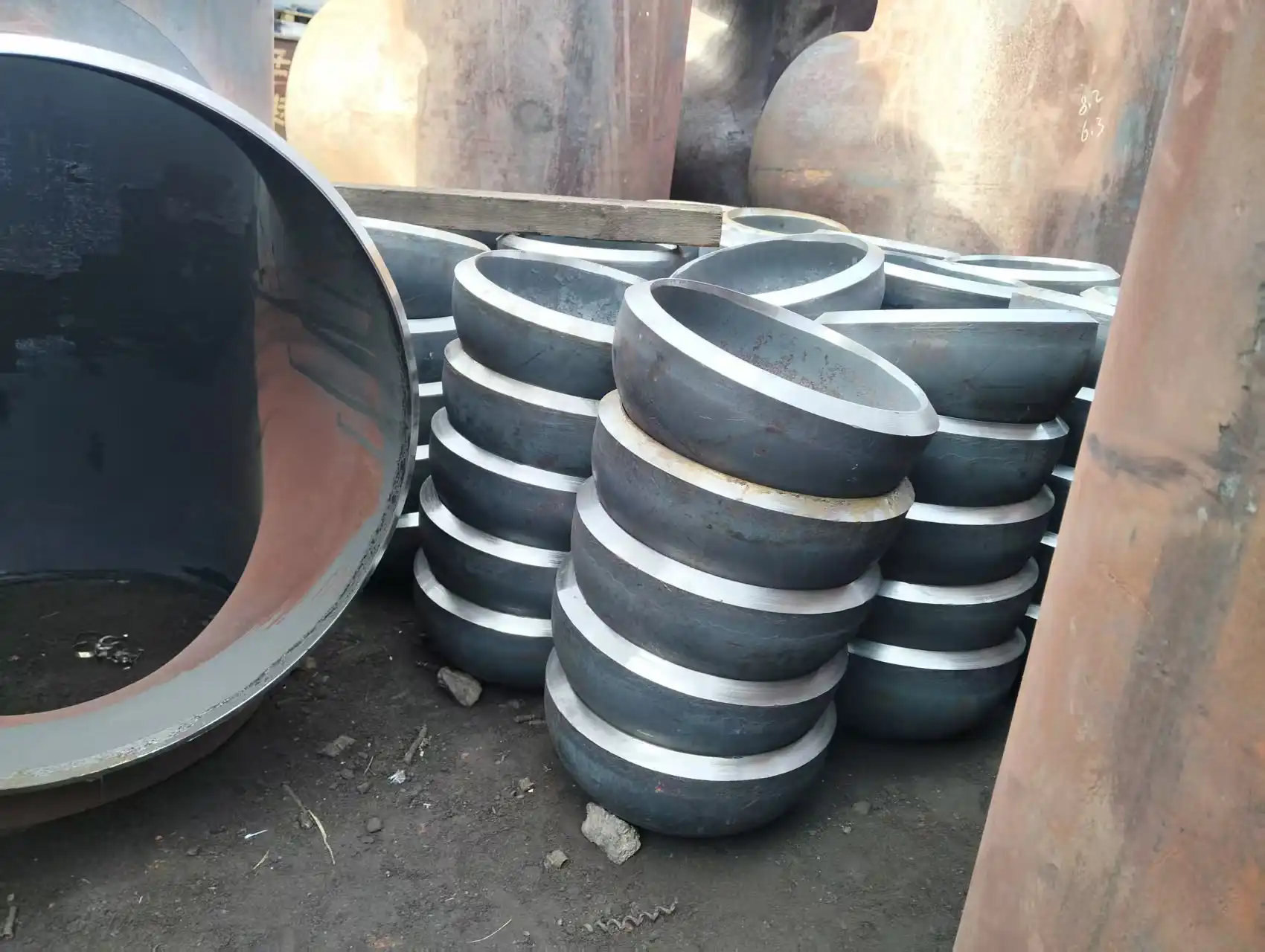
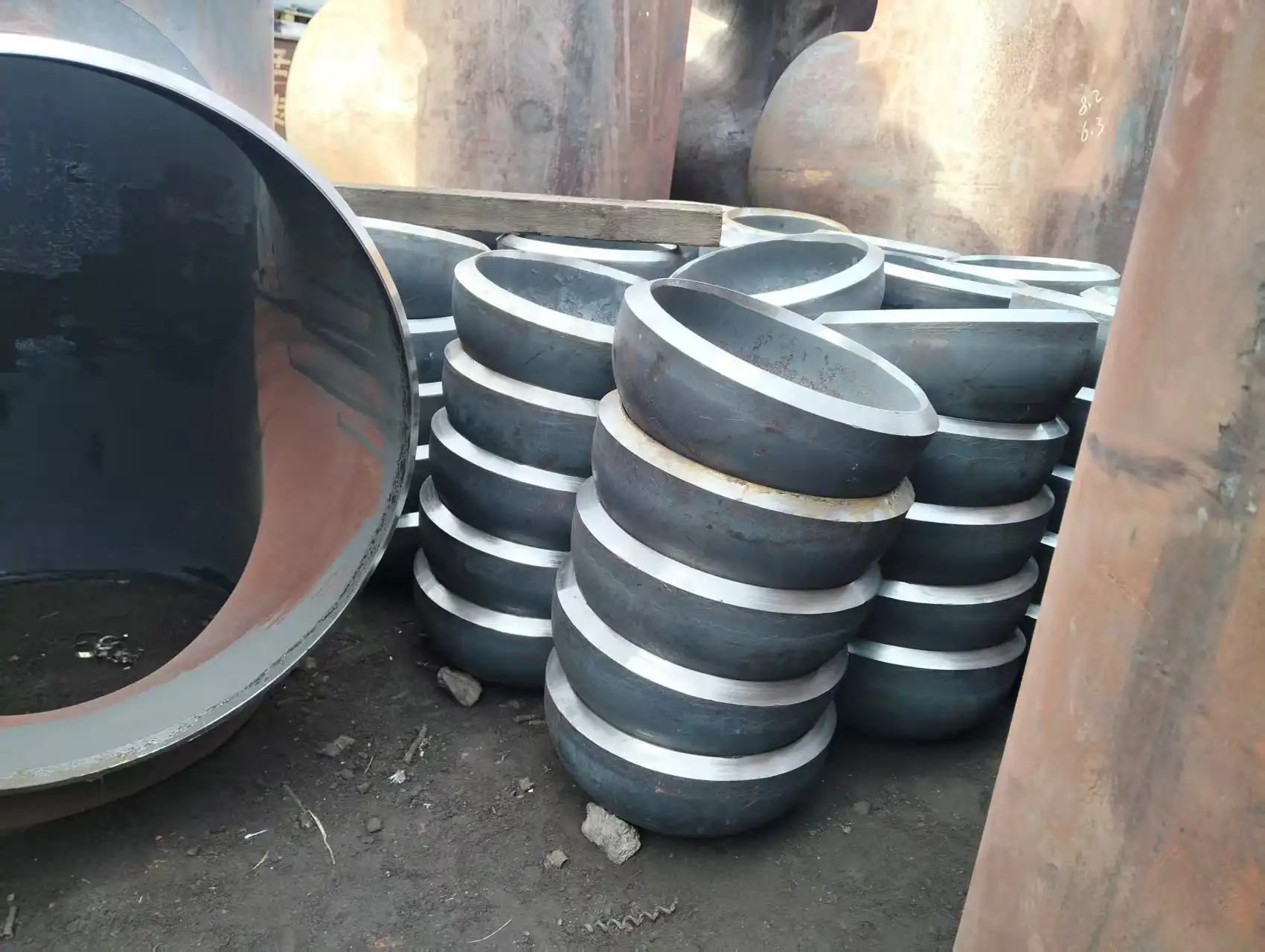
What are the Key Factors to Consider When Choosing Carbon Steel Pipe Caps?
Material Quality and Composition
When selecting carbon steel pipe caps, it's fundamental to consider the fabric quality and composition. Carbon steel pipe caps are known for their toughness, quality, and resistance to erosion, making them perfect for different mechanical applications. The carbon substance in these caps can change, influencing their properties and execution. For occurrence, low-carbon steel caps are more pliable and simpler to weld, whereas high-carbon steel caps offer more prominent quality and hardness. It's pivotal to select a carbon steel pipe cap that matches the fabric details of your channeling framework to guarantee compatibility and life span. Moreover, consider any particular natural variables or chemical exposures that may affect the cap's execution and select a review of carbon steel that can withstand these conditions.
Size and Dimensional Accuracy
Accurate measuring is basic when selecting carbon steel pipe caps. The cap must fit cozily over the pipe conclusion to give an compelling seal and anticipate spills. Carbon steel pipe caps are accessible in different sizes to oblige distinctive pipe distances across and divider thicknesses. It's vital to degree your pipe's external breadth and divider thickness absolutely to guarantee a legitimate fit. Numerous producers give point by point measuring charts and details for their carbon steel pipe caps, which can offer assistance you select the right measure for your application. Keep in intellect that larger than usual or undersized caps can lead to establishment challenges, destitute fixing, and potential security risks. Continuously double-check the measurements and counsel with the producer or provider if you're uncertain around the redress estimate for your carbon steel pipe cap.
Pressure and Temperature Ratings
Carbon steel pipe caps must be able to withstand the weight and temperature conditions of your mechanical framework. Distinctive grades and thicknesses of carbon steel pipe caps have shifting weight and temperature appraisals. It's vital to select a cap that meets or surpasses the greatest working weight and temperature of your channeling framework. Consider both the typical working conditions and any potential surge weights or temperature changes that may happen. High-pressure applications may require thicker-walled carbon steel pipe caps or caps made from higher-grade materials. Essentially, high-temperature situations may require caps with uncommon heat-resistant properties. Continuously survey the manufacturer's determinations and guarantee that the chosen carbon steel pipe cap is evaluated for your particular working conditions to ensure security and unwavering quality in your mechanical processes.
How Do You Ensure Proper Installation of Carbon Steel Pipe Caps?
Surface Preparation and Cleaning
Proper establishment of carbon steel pipe caps starts with exhaustive surface arrangement and cleaning. Some time recently introducing the cap, guarantee that the pipe conclusion and the internal surface of the cap are free from earth, flotsam and jetsam, rust, and any other contaminants. Utilize suitable cleaning solvents or mechanical strategies to accomplish a clean surface. For carbon steel pipe caps, it's especially imperative to evacuate any scale or oxidation that may have shaped on the metal surfaces. A clean surface guarantees superior contact between the pipe and the cap, driving to a more secure seal. In a few cases, you may require to utilize a wire brush or sandpaper to accomplish the wanted level of cleanliness. Keep in mind that appropriate surface arrangement not as it were moves forward the seal but too expands the life expectancy of your carbon steel pipe cap by avoiding untimely erosion or failure.
Proper Alignment and Fitting
Achieving appropriate arrangement and fitting is pivotal when introducing carbon steel pipe caps. Begin by outwardly reviewing the cap and the pipe conclusion to guarantee they are congruous in estimate and shape. When fitting the carbon steel pipe cap, make beyond any doubt it sits unequivocally on the pipe conclusion without any tilting or misalignment. Utilize a level or arrangement instrument if essential to confirm that the cap is superbly opposite to the pipe hub. In a few cases, you may require to utilize a hammer or press to completely situate the cap, but be cautious not to apply intemperate constrain that may harm the cap or pipe. For strung carbon steel pipe caps, guarantee that the strings are clean and undamaged some time recently establishment. Utilize an suitable string sealant or tape to anticipate spills and ease the establishment prepare. Legitimate arrangement and fitting not as it were guarantee a secure seal but too offer assistance disseminate stretch equitably, avoiding untimely wear or disappointment of the carbon steel pipe cap.
Welding and Sealing Techniques
When it comes to for all time introducing carbon steel pipe caps, welding is frequently the favored strategy for making a solid, leak-proof seal. The welding handle for carbon steel pipe caps requires aptitude and accuracy to guarantee a high-quality, tough association. Some time recently welding, make beyond any doubt the cap and pipe are appropriately adjusted and that the surfaces to be welded are clean and free from contaminants. Select the fitting welding method based on the thickness of the carbon steel and the particular necessities of your application. Common welding strategies for carbon steel pipe caps incorporate protected metal bend welding (SMAW) and gas tungsten bend welding (GTAW). After welding, permit the joint to cool actually and assess the weld for any abandons or irregularities. For applications where welding is not attainable or alluring, other fixing strategies such as utilizing gaskets or string sealants may be utilized. In any case of the fixing strategy chosen, continuously take after industry guidelines and producer proposals to guarantee the keenness and life span of your carbon steel pipe cap installation.
What Are the Maintenance Requirements for Carbon Steel Pipe Caps?
Regular Inspection and Cleaning
Regular review and cleaning are fundamental for keeping up the execution and life span of carbon steel pipe caps. Build up a schedule review plan based on your system's working conditions and the cap's presentation to possibly destructive situations. Amid reviews, check for signs of wear, erosion, or harm to the carbon steel pipe cap. See for any discoloration, setting, or scaling on the surface that may demonstrate the onset of erosion. Pay extraordinary consideration to the regions around welds or seals, as these are regularly the most defenseless to corruption. Clean the carbon steel pipe cap frequently to evacuate any collected soil, flotsam and jetsam, or destructive substances. Utilize fitting cleaning operators that are congruous with carbon steel and won't cause advance harm. In a few cases, you may require to expel the cap for a more careful cleaning and assessment. By keeping up a standard review and cleaning schedule, you can recognize and address potential issues early, anticipating exorbitant disappointments and expanding the benefit life of your carbon steel pipe caps.
Corrosion Protection Measures
Implementing compelling erosion security measures is significant for protecting the judgment of carbon steel pipe caps in mechanical situations. Whereas carbon steel is known for its quality, it is helpless to erosion when uncovered to dampness, chemicals, or other destructive specialists. One common strategy of ensuring carbon steel pipe caps is through the application of defensive coatings. These coatings make a boundary between the metal surface and the environment, anticipating or abating down the erosion handle. Select coatings that are congruous with your particular working conditions and the sort of carbon steel utilized in your pipe caps. In expansion to coatings, cathodic security frameworks can be utilized to secure carbon steel pipe caps in underground or submerged applications. Standard checking of the erosion assurance measures is fundamental to guarantee their proceeded adequacy. In a few cases, conciliatory anodes may be utilized to secure the carbon steel pipe caps by eroding specially, hence protecting the judgment of the cap itself. By actualizing and keeping up fitting erosion assurance measures, you can essentially expand the benefit life of your carbon steel pipe caps and diminish the require for visit replacements.
Replacement and Upgrade Considerations
Despite legitimate support and security measures, carbon steel pipe caps may in the long run require substitution or overhauls. It's critical to recognize the signs that demonstrate when a substitution is essential. See for serious erosion, unmistakable breaks, or distortion in the cap structure. If you take note visit spills or trouble in keeping up appropriate fixing, it may be time to consider supplanting the carbon steel pipe cap. When supplanting caps, take the opportunity to reassess your framework necessities and consider if any updates are justified. Progresses in materials and fabricating procedures may offer progressed execution or life span compared to your existing caps. For occasion, you might consider updating to a higher review of carbon steel or a cap with improved erosion resistance for challenging situations. Continuously guarantee that any substitution or update is congruous with your existing channeling framework and meets or surpasses the unique determinations. Keep exact records of substitutions and updates to offer assistance advise future upkeep choices and make strides the in general unwavering quality of your mechanical channeling framework.
Conclusion
Selecting the best carbon steel pipe cap for your industrial needs requires careful consideration of various factors, including material quality, size specifications, pressure ratings, and installation methods. By understanding these key aspects and following proper maintenance practices, you can ensure optimal performance and longevity of your piping systems. Remember to regularly inspect and clean your carbon steel pipe caps, implement effective corrosion protection measures, and stay informed about potential upgrades or replacements. For expert advice and high-quality carbon steel pipe caps, contact Cangzhou Oudi Pipe Manufacture Co., Ltd. at oudi-04@oudiguandao.com. With our extensive experience since 1998 and commitment to quality, we can help you find the perfect solution for your industrial piping needs.
FAQ
Q: What is the typical lifespan of a carbon steel pipe cap?
A: The lifespan of a carbon steel pipe cap can vary depending on operating conditions and maintenance, but with proper care, it can last 15-20 years or more.
Q: Can carbon steel pipe caps be used in high-temperature applications?
A: Yes, carbon steel pipe caps can be used in high-temperature applications, but it's crucial to select caps rated for the specific temperature range of your system.
Q: How often should carbon steel pipe caps be inspected?
A: It's recommended to inspect carbon steel pipe caps at least annually, or more frequently in harsh environments or critical applications.
Q: Are carbon steel pipe caps suitable for use with corrosive chemicals?
A: Carbon steel pipe caps may not be suitable for highly corrosive chemicals. In such cases, consider alternative materials or protective coatings.
Q: Can I paint carbon steel pipe caps to improve corrosion resistance?
A: Yes, painting carbon steel pipe caps with appropriate protective coatings can significantly improve their corrosion resistance.
References
1. Smith, J. (2019). "Carbon Steel Pipe Fittings: A Comprehensive Guide for Industrial Applications." Industrial Engineering Journal, 45(3), 78-92.
2. Johnson, R., & Brown, L. (2020). "Corrosion Protection Strategies for Carbon Steel Piping Systems." Materials Performance, 59(8), 32-39.
3. Zhang, Y., et al. (2018). "Comparative Study of Carbon Steel and Stainless Steel Pipe Caps in High-Pressure Systems." Journal of Pressure Vessel Technology, 140(5), 051203.
4. Miller, A. (2021). "Best Practices for Installing and Maintaining Carbon Steel Pipe Caps." Plant Engineering, 75(4), 45-51.
5. Thompson, K., & Davis, M. (2017). "Selection Criteria for Industrial Pipe Fittings: A Focus on Carbon Steel Components." Chemical Engineering Progress, 113(9), 38-45.
6. Wilson, E. (2022). "Advances in Carbon Steel Metallurgy for Improved Pipe Cap Performance." Materials Science and Engineering: A, 832, 142385.

Need help finding the right solution with our experts. Please contact us.

SINCE 1998 Your Reliable Pipeline Manufacturer