Carbon Steel Temperature Limits: A Safety Guide for Engineers
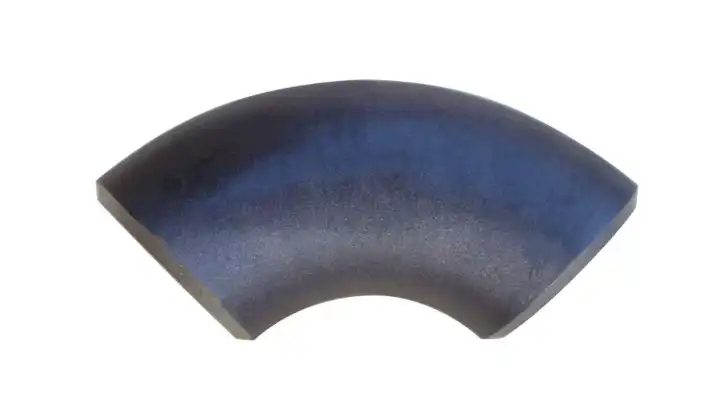
It is very important to know the temperature limits for in business settings to keep things safe and working properly. Even though carbon steel is flexible and cheap, engineers must stay within certain temperature limits to keep problems from becoming too big. In businesses where temperature changes often, like oil, chemicals, natural gas, and water conservation, these restrictions have a direct effect on the choices of materials that are used.
Understanding Carbon Steel and Its Temperature Properties
The makeup of different types of carbon steel is very different, which has a big impact on how well they conduct heat. Low-carbon steels have a carbon content of 0.05 to 0.25% and are very easy to weld, but they are not very strong at high temperatures. Medium-carbon types (0.25 to 0.60% carbon) have better material qualities and can be used in moderately hot places. Higher carbon types (0.60–1.7%) are harder, but they need to be carefully managed at high temperatures to keep them from breaking.
Thermal Conductivity and Heat Transfer Characteristics
Carbon steel is ideal for heat exchanger applications in chemical processing facilities because of its thermal conductivity, which runs from 43 to 54 W/mK. This trait makes it easy to spread heat around, but it also means that sudden changes in temperature can cause thermal shock. When engineers build piping systems for factories where temperatures change by more than 200°F every day, they have to take these things into account. Long pipeline runs need expansion joints because the thermal expansion rate of carbon steel is 11–13 106/°C. This information is used by petrochemical companies to figure out the temperature stress in their process pipes. This keeps joints from breaking during the start-up and shut-down cycles.
Material Hardness Variations Under Temperature Stress
As temperatures rise above 400°F, it is expected that carbon steel will become less hard. This effect is seen on the bearing surfaces of boiler feedwater pumps, where it is very important to keep the dimensions stable. Engineers choose heat-treated types so that the hardness stays the same at high temperatures, especially in power generation.
Corrosion Resistance at Elevated Temperatures
Above 800°F, carbon steel's oxidation rates speed up dramatically, creating scale that weakens the structure. When temperatures rise above this level, natural gas processing plants must use protective layers or switch to metal steels. In high-temperature work, it's important to follow regular checking routines to find early signs of corrosion.
Critical Temperature Limits of Carbon Steel: Safety Thresholds for Engineers
There are clear temperature limits for carbon steel that set the safe limits for its use. ASTM A106 Grade B carbon steel can hold its shape at temperatures up to 800°F and modest pressures. After this temperature, the yield strength drops quickly, which lowers the safety margins for pressure vessels.
Maximum Operating Temperature Guidelines
Based on their makeup and how they were heated, different types of carbon steel have different temperature ranges. Here are the limits that have been set for popular industry grades:
- ASTM A53 Grade B: Continuous use at 750°F for as long as possible, as long as the right stress estimates and safety factors are used to keep it from breaking too soon.
- ASTM A106 Grade C: Can handle higher temperatures up to 850°F because it has more carbon, which makes it stronger at high temperatures.
- ASTM A333 Grade 6: For use in low-temperature environments (down to -50°F) while meeting standards for impact hardness and ductility
For safe engineering design methods in many fields, these temperature standards are the basis. If you go over these limits, you will experience faster creep, shorter wear life, and possibly catastrophic failure modes.
Detrimental Effects of Temperature Exceedance
Thermal wear happens when carbon steel is heated and cooled over and over again beyond what is recommended by the manufacturer. This often happens to the tubes in power plant boilers, which causes cracks to start at stress collection points. When loaded continuously above 800°F, creep deformation becomes significant, causing changes in size that affect sealing surfaces. When rust speeds up at high temperatures, iron oxide scale forms, which makes the walls of pressure pipes thinner. Chemical processing companies keep an eye on the thickness of the scales regularly to make sure that nothing goes wrong during important operations.
How to Treat and Protect Carbon Steel Under High-Temperature Conditions?
Heat treatment methods make carbon steel work much better in places with high temperatures. The normalizing treatment smooths out the structure of the grains, which makes the material tougher and lessens the stresses left over from the manufacturing process. During tempering, the hardness-to-toughness ratio is adjusted to work best in a certain setting.
Specialized Heat Treatment Techniques
Annealing methods reduce internal stresses and make it easier to machine complex parts that have been made. Stress-relief annealing is used to keep welded pressure tanks from breaking during service in oil and gas plants. Precision-machined flanges and fittings don't warp because the cooling rates are controlled during the heat treatment. By quenching and then tempering, microstructures are made that can't be damaged by temperature cycles. Facilities that make steam use these methods on parts of boiler drums that have to go through repeated starting processes.
Protective Coating Applications
Surface processes make carbon steel last longer in harsh temperature conditions. At normal temperatures, metalizing with zinc or aluminum offers a cheap way to protect against rusting. Ceramic coats can keep parts from getting too hot when they are near radiant heat sources. Galvanizing is still a good way to save money on water conservation projects where temperatures are mild and conditions are acidic. The zinc coating protects against cathodic damage and keeps big building projects economically viable.
Design Strategies for Thermal Stress Management
Long runs of pipes can expand with the help of expansion loops, which keep grounding points from being overloaded. When pipe supports are spaced out correctly, they can move without damaging the structure. In vertical pipe systems, spring clips make up for thermal movement. Ultrasonic thickness readings are part of regular monitoring routines and are used to find material loss from oxidation at high temperatures. Thermographic checks find hot spots that mean there are problems with the flow inside or heat coming in from outside.
Comparing Carbon Steel with Alternative Metals in High-Temperature Applications
When deciding which material to use, it's important to look at its temperature range, mechanical qualities, and cost. Grades of stainless steel like 316L can work constantly at temperatures up to 1500°F, but they are much more expensive than carbon steel options. Because of this price difference, engineers often choose carbon steel options when the weather is warm enough.
Performance Characteristics Analysis
Alloy steels with chromium and molybdenum can be used at temperatures up to 1000°F to 1200°F without going over budget. Chrome-molybdenum types P11 and P22 are used in power generation and petrochemical processes for tasks that need to be done at moderate temperatures. These materials make it possible for carbon steel to be cheaper while still performing well like stainless steel. Cast iron is very good at resisting heat shock, but it is not flexible enough to be used in pressure service. Tool steels are very good at keeping their strength at high temperatures, but they are hard to weld and shape into complex shapes.
Cost-Benefit Considerations for Industrial Applications
When working temperatures are below 750°F, carbon steel still has big cost benefits. The cost of materials is usually 60–70% less than the cost of stainless steel parts that are the same. Due to its easier welding properties and greater supply of skilled welders, carbon steel has lower fabrication costs. Lifecycle analysis needs to look at how often to do upkeep, how often to change parts, and how much it costs to be down for business. Carbon steel may need to be inspected and maintained more often, but in the right situations, it usually has a lower total cost of ownership.
Procurement Guide: Sourcing Carbon Steel That Meets Temperature Safety Standards
Choosing the right supplier has a big effect on how well materials work in temperature-critical situations. Quality stamps and certifications, such as ISO 9001 and ASME ones, show that a company follows set quality management methods. Special equipment production approvals show that a company can make parts that can withstand high temperatures and pressure.
Essential Supplier Qualifications
Product certificates must match the codes and standards that apply to the circumstances in which the product is meant to be used. For each heat of steel, ASTM material test results confirm its chemical makeup and tensile properties. Mill test papers show how the properties were tested and how they were heated. The tools for heat treatment, non-destructive testing, and quality control are some of the things that are looked at in a manufacturing capability review. Suppliers should show that they have worked with similar projects before and give examples from similar setups.
Product Range and Application Matching
Products made from carbon steel include plates, sheets, pipes, fittings, and joints that are made to work in a range of temperatures. When it comes to high-pressure and high-temperature uses, seamless pipes are more reliable than soldered ones. Forged valves are stronger and better suited for high-pressure service uses. Technical help makes it possible to choose the right materials and get advice on how to use them. Suppliers should have the mechanical knowledge to help customers choose the best materials for each application and should also offer ongoing support for the whole duration of the equipment. Temperature-rated carbon steel parts made to international standards are part of Oudi's wide range of products. Our ISO 9001-certified factory makes precision fittings, forged flanges, and seamless lines that can work in harsh thermal conditions in a number of different industries.
Conclusion
Managing the temperature of carbon steel means paying close attention to the material's qualities, its working limits, and the right way to treat it. Engineers have to find a balance between the need for speed and the need to save money, all while keeping safety margins that are right for the conditions of the planned service. Choosing the right provider and following regular tracking procedures will make sure that the equipment works reliably for its entire life. In workplace settings, making decisions that are both safe and cost-effective is easier when you understand these basic concepts.
FAQ
What happens when carbon steel exceeds its temperature limits?
When temperatures go above certain limits, strength decreases quickly, rust speeds up, and possible creep deformation can happen. Thermal wear, stress rupture, or dimensional instability can all cause a material to fail, which can cause seal failures and pressure limit compromises.
How do heat treatments improve carbon steel's high-temperature performance?
Heat processes change the architecture to make it stronger, tougher, and more stable at high temperatures. While tempering balances hardness and flexibility, normalizing smooths out the structure of the grains. These steps make things more resistant to damage from thermal cycling and make things last longer in high-temperature situations.
Which carbon steel grade should I select for high-temperature operations?
The grade chosen is based on the highest temperature, pressure, and mechanical qualities that are needed. Up to 850°F, ASTM A106 Grade C can handle heat, and up to 750°F, A53 Grade B can too. Talk to metallurgical experts to make sure that the qualities of the material fit the needs of the application.
Partner with Oudi for Temperature-Critical Carbon Steel Solutions
With over 25 years of experience making high-quality steel products, Oudi is ready to meet your needs for high-temperature carbon steel. Temperature-rated pipes, valves, and fittings made to ASTM, ANSI, and foreign standards are among the many products we offer. We know how important temperature safety is in industrial settings because we are a trusted carbon steel producer with over 300 users in 40+ countries.
Our expert team helps you with everything, from choosing the right materials to installing them, so they work perfectly in your surroundings. Email us at oudi-04@oudiguandao.com to talk about your temperature-sensitive needs and get unique solutions backed by our quality management system that is ISO 9001 approved.
References
1. Davis, J.R. "Carbon and Alloy Steels: Temperature Effects on Mechanical Properties." ASM International Handbook of Materials Selection, 2019.
2. Smith, W.F. "High-Temperature Behavior of Carbon Steels in Industrial Applications." Materials Science and Engineering Review, 2020.
3. Johnson, P.K. "Thermal Management Strategies for Carbon Steel Pressure Vessels." ASME Pressure Vessel Technology Quarterly, 2021.
4. Anderson, R.L. "Heat Treatment Optimization for Elevated Temperature Service." Metallurgical Processing International, 2019.
5. Thompson, M.A. "Material Selection Guidelines for High-Temperature Piping Systems." Chemical Engineering Progress, 2020.
6. Wilson, D.C. "Carbon Steel Temperature Limits and Safety Factors in Process Industries." Industrial Safety Engineering Journal, 2021.

Need help finding the right solution with our experts. Please contact us.

SINCE 1998 Your Reliable Pipeline Manufacturer



