Essential Fittings for High-Pressure Chemical Process Piping
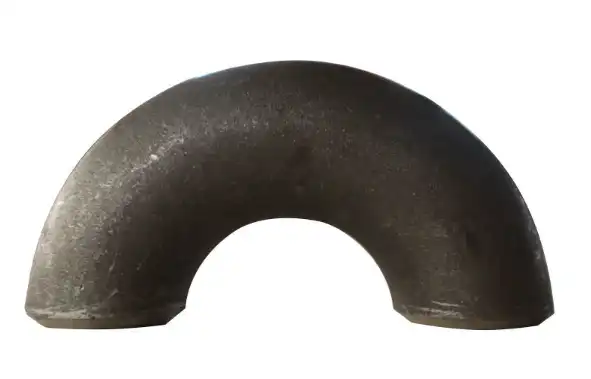
Choosing the right is an important part of building chemical processing plants because they affect both safety and how well the plants work. These special parts have to be able to handle high pressures, chemicals that break down metal, and changes in temperature while keeping the system's links leak-proof. Because chemical settings are so tough, the parts that go in them have to be made with precise materials and strict quality standards to make sure they work well for long periods of time.
Understanding High-Pressure Pipe Fittings in Chemical Process Piping
High-pressure pipe fittings are the most important part of the infrastructure for chemical processing. They connect different pipeline pieces and keep the system's integrity even in the harshest circumstances. These parts are very different from regular pipe fittings because they are made of special materials, have higher pressure ratings, and have to meet strict production standards.
Types and Working Principles of Chemical Process Fittings
Different types of high-pressure pipe fittings are used in chemical process systems. Each type is made for a particular job and pressure level. Threaded fittings are removable connections that work with pipes with a smaller diameter and low pressures, usually between 150 and 6000 PSI, based on the material and design requirements. Welded fittings make lasting connections that are great for high-pressure situations with pressures above 2000 PSI. They create seamless joins that remove possible leak points by bonding metals together. Flanged connections are useful for situations where parts need to be taken apart often, and high pressures of up to 15,000 PSI need to be handled. These fittings use gasket closing mechanisms along with tightening the bolts to make seals that are reliable and can handle changes in temperature and pressure. The way it works is by controlling how much the sealing surfaces are compressed, which spreads the stress equally across the connection contact.
Material Selection for Chemical Compatibility
When choosing parts for chemical settings, material compatibility is one of the most important things to think about. Grades 316 and 316L stainless steel are very good at resisting rust from most acids, alkalis, and organic solvents. They also keep their shape at high temperatures. For non-corrosive uses with fuels, water, and neutral pH chemicals, carbon steel fittings are a cost-effective option. Specialized alloy steels like Hastelloy, Inconel, and Duplex stainless steels can work in harsh chemical settings with lots of strong acids, a lot of chlorine, or high temperatures. Certain heat treatments are used on these materials to improve their microstructure and make them more resistant to rust, and improve their mechanical qualities.
Choosing the Right High-Pressure Pipe Fittings for Your Industrial Application
To pick the right parts, you need to think about a lot of things, like how they will be used, whether they will react with chemicals, and how long you expect them to last. As part of this decision-making process, technical needs are balanced with economic concerns, and rules must be followed.
Pressure and Temperature Rating Assessment
The pressure ratings must be higher than the maximum operating pressure of the system by a safe amount, usually 1.5 to 2.0 times the average working pressure, but this depends on how important the application is. When temperatures are high, the amount of stress that metals can handle is lowered, which affects both pressure rates and material choice. As shown in the ASME B31.3 process piping rules, the link between pressure and temperature is based on well-known curves. Cycling high-pressure pipe fittings creates new stress patterns that can cause thermal wear in parts that weren't chosen properly. Materials with similar temperature expansion factors reduce stress concentrations at connection points, which increases service life and lowers the need for upkeep.
Stainless Steel versus Carbon Steel Performance Comparison
Stainless steel fittings are better at resisting corrosion and last longer in chemical settings, which makes up for their higher original costs by lowering the number of times they need to be replaced and maintained. When used in non-corrosive situations, carbon steel fittings are cheaper and have better mechanical strength, making them perfect for high-pressure work. Based on the lifetime cost study, it was found that stainless steel fittings are usually a better choice for chemical processing jobs because they don't rust or pit, and they don't crack from stress corrosion. Carbon steel is still the best material for processing hydrocarbons when there is little chance of rusting, and saving money is very important.
Industry Standard Compliance Requirements
Following well-known industry standards ensures that the performance of the part meets set quality and safety standards. ANSI B16.9 sets the rules for worked steel butt-welding parts, including the allowed sizes, the maximum pressure, and the materials that must be used. ASME B16.5 sets bolt patterns, face shapes, and pressure-temperature values for pipe flanges and flanged fittings. ISO standards make sure that fitting specs are the same all over the world. This makes it easier to buy things from around the world and makes sure that the quality is the same from different manufacturers. These guidelines cover how things are made, what needs to be inspected, and how to keep records in a way that is necessary for quality assurance systems.
Installation Best Practices and Maintenance Tips for High-Pressure Fittings
Correct construction methods and planned preventative maintenance help fittings work better while reducing unexpected downtime and safety risks. To get solid results from these methods, you need trained staff and the right tools.
Leak-Proof Installation Procedures
The success of an installation depends on how well it is planned and how strictly it is followed. To make sure the fittings fit perfectly, pipe preparation includes making sure the ends are straight, the surface is smooth, and the dimensions are correct. Welded setups need to be done by trained welders who follow accepted processes that spell out the right preheat temperatures, filler materials, and heat treatment steps after the weld. To keep threads from galling or getting damaged, threaded joints need to be carefully prepared with the right cutting oils and pressure levels. If you tighten something too much, it can cause stress concentrations that lead to early failure. If you tighten something too little, it might not close properly and leak.
Maintenance Strategies and Inspection Protocols
Regular checking programs find possible problems before they get so bad that they cause a disaster. Visual checks look at the outside of fittings for rust, cracks, or deformation that could mean chemical or stress attack. Ultrasonic thickness measurement, dye penetrant testing, and x-ray examination are all non-destructive ways to get a good look at the state of a fitting. Schedules for preventative replacements based on service records and maker suggestions help keep the system running smoothly. For important uses, online tracking devices that check the performance of fittings all the time by measuring pressure drops, vibrations, or acoustic emissions may be needed.
Procurement Insights: How to Source High-Quality High-Pressure Pipe Fittings?
When you strategically source pressure fittings, you look at the skills, quality systems, and expert support services of each provider to make sure that the supply chain works well. In addition to comparing prices, this method looks at the possibility of a long-term relationship and services that add value.
Supplier Evaluation Criteria
Fitting makers with a good reputation keep full quality management systems that are approved to ISO 9001 standards. This shows that they are dedicated to consistently high product quality and constant improvement. Advanced production tools, metallurgical testing labs, and traceability systems that keep track of material qualities and manufacturing methods should all be part of a company's manufacturing skills. Better providers can help with high-pressure pipe fittings, offer custom design services, and respond quickly to technical questions thanks to their technical support capabilities. These services are very helpful when working on a project or when you need to change something quickly.
Custom Orders and Bulk Purchasing Advantages
Custom-fitting solutions meet the specific needs of an application that standard store items can't. For these methods to work, they might need special materials, sizes that aren't standard, or higher pressure levels that are made to fit the needs of the process. Buying in bulk can save you money by giving you deals for buying more, and it also makes sure that you have enough inventory for upkeep and growth. Keeping track of lead times is important for planning projects because buyers and sellers need to be able to talk to each other clearly about delivery goals and possible schedule conflicts. Experienced providers keep popular items in stock at the right amounts and give reasonable wait times for custom manufacturing needs.
Company Introduction and Our Product & Service Portfolio
Since 1998, Cangzhou Oudi Pipe Manufacture Co., Ltd. has been a top producer of high-quality pipe fittings, providing the chemical processing industry around the world with complete solutions designed to meet the most demanding needs. Our factory covers 66,600 square meters and is in Mengcun Hui Autonomous County. It is in a great spot for getting to important ports and industry hubs by car or train.
Quality Certifications and Manufacturing Excellence
Our dedication to quality is shown by the fact that we are ISO 9001:2000 certified and have special equipment production licenses from the People's Republic of China. These certificates show that we follow strict quality control systems that cover the whole production process, from getting the raw materials to delivering the finished product. Advanced production tools and a wide range of quality control measures, such as full inspection procedures and non-destructive testing, are used in the manufacturing process. Our yearly production capacity of 16,000 tons serves both big projects and regular maintenance needs, and we make sure that the quality of all of our products is the same.
Comprehensive Product Range and Customization Options
Fittings made to American, Japanese, German, and British standards are among the carbon steel, stainless steel, and alloy steel products we sell. This wide range has elbows, flanges, tees, reducers, pipe caps, and other unique items made to meet different chemical compatibility and pressure levels. Through technical advice and custom production solutions, customization services help with problems that only happen in certain applications. With these services, we use our technical know-how and flexible production options to make fittings that meet particular requirements for size, material, or performance that aren't met by regular catalog items.
Conclusion
When choosing the right high-pressure pipe fittings for a chemical process, it's important to think about the quality standards, working conditions, and stability of the materials. Because of how complicated the relationships are between pressure rates, temperature needs, and chemical environments, you need to know a lot about both metals and process engineering. For implementation to go well, you need to work with makers who have been doing this for a while, know the problems you're facing, and can offer solid solutions backed by full quality systems and expert support services.
FAQ
What factors determine the pressure rating of pipe fittings?
Ratings for pressure depend on the qualities of the material, the shape of the fitting, the temperature, and the design rules that apply. The way these factors relate to each other is based on well-known engineering rules that take into account stress concentrations, wear, and the necessary safety gaps for reliable operation.
How do I verify chemical compatibility for my specific application?
Checking for chemical compatibility means looking at material resistance charts, trying materials in the lab with real process fluids, and talking about how they've been used in similar situations in the past. Material sellers usually give information on how well common chemicals work with each other, but for unique formulations, special tests may be needed.
What are typical lead times for custom-fitting orders?
Custom fitting lead times range from 4 to 12 weeks, based on the type of material needed, how complicated the design is, and how busy the factory is right now. Faster handling can be used for urgent orders, but complex engineered solutions need more time for design proof and prototype testing.
Partner with Oudi for Reliable High-Pressure Pipe Fittings Solutions
If you run a chemical processing plant, picking the right high-pressure pipe fittings maker can mean the difference between smooth operations and costly breakdowns. Oudi makes parts that meet the strictest industrial standards by combining decades of experience in the field with a wide range of quality approvals. Our factory, which is ISO 9001 approved, makes fittings that meet foreign standards like ANSI, JIS, DIN, and BS. You can talk to our expert team at oudi-04@oudiguandao.com about your unique needs and find out why top companies around the world choose Oudi as their first choice for high-pressure pipe fittings in critical situations.
References
1. Smith, J.R., "Material Selection Guidelines for Chemical Process Piping Systems," Process Engineering Journal, Vol. 45, No. 3, 2023, pp. 78-92.
2. Anderson, M.K., "High-Pressure Fitting Performance in Corrosive Environments," Chemical Plant Safety Review, Vol. 28, No. 7, 2023, pp. 156-171.
3. Thompson, L.B., "Installation Best Practices for Industrial Pipe Fittings," Maintenance Technology Quarterly, Vol. 19, No. 2, 2023, pp. 34-48.
4. Williams, P.C., "Quality Standards and Certification Requirements for Process Industry Fittings," Industrial Standards Handbook, 15th Edition, 2023, pp. 245-267.
5. Brown, D.A., "Cost-Benefit Analysis of Stainless Steel versus Carbon Steel in Chemical Applications," Process Economics Review, Vol. 31, No. 5, 2023, pp. 89-103.
6. Davis, R.M., "Supplier Evaluation Strategies for Critical Piping Components," Procurement Management Today, Vol. 22, No. 8, 2023, pp. 112-128.

Need help finding the right solution with our experts. Please contact us.

SINCE 1998 Your Reliable Pipeline Manufacturer



