Choosing the Right Pipe Reducer for Water Treatment Plants
Choosing the right pipe reducer for water treatment plants is a very important choice that has a direct effect on how well the system works, how reliable it is, and how long it lasts. These important parts make it easy to switch between pipes of different sizes, which improves flow patterns during the treatment process. There are some unique problems that come up when treating water in industrial settings, such as changing flow rates and pressures, and making sure that materials can handle harsh chemicals. You can't say enough about how important it is to choose the right pipe reducers for your needs. These parts have a big impact on the overall performance of your plant and help keep long-term repair costs low in tough operating conditions.
Understanding Pipe Reducers and Their Role in Water Treatment Systems
Pipe reducers are very important for connecting lines with different sizes so that fluid can keep flowing through water treatment systems. These fittings keep the hydraulic system working well and stop turbulence that could hurt cleaning processes or further damage equipment downstream.
Types of Pipe Reducers in Water Treatment Applications
To make the best choice, you need to know the basic differences between the different types of reducers. Concentric reducers are made like cones, and their centerlines stay straight. This makes them perfect for vertical pipe runs or pump output situations where keeping the flow direction constant is very important. These reducers work well in situations with high pressure and make sure that the flow is spread out evenly in water treatment systems.
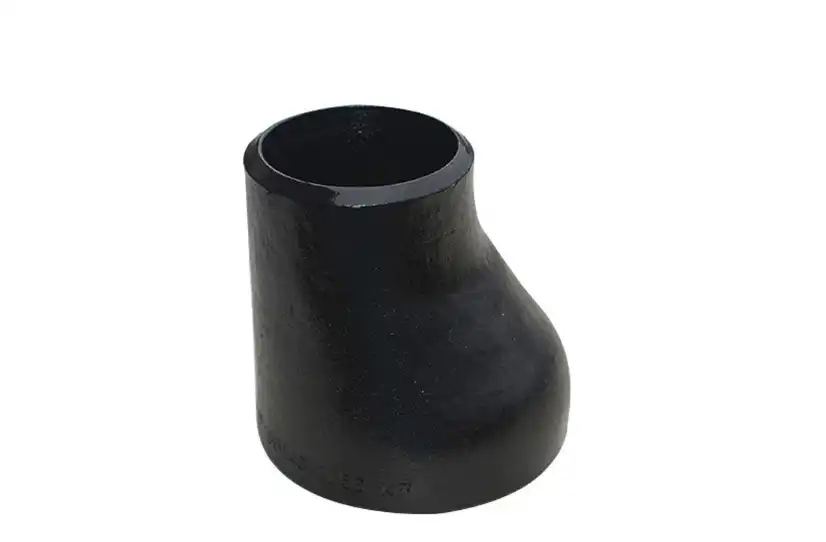
When you place an eccentric reducer horizontally, the gap between the centerlines makes a flat side that is very useful. The flat side keeps air pockets from forming and lets all the water drain away. This makes them very useful in water treatment plants where managing sediment and cleaning the system are very important tasks.
Material Selection and Standards Compliance
The choice of material is very important for how well and how long a reducer works in water treatment settings. For general use, carbon steel reducers are strong and affordable, while stainless steel choices are better at resisting rust when working with chemical or treated water solutions. Different types of alloy steel are more durable in high-temperature or high-pressure settings, like those found in industrial water treatment plants.
Following industry standards like ASTM, ANSI, DIN, and JIS makes sure that the product works with current systems and meets government standards. These guidelines set the limits for sizes, the qualities of materials, and how well they work. They have a direct effect on the safety and dependability of water treatment systems.
Key Criteria for Choosing the Right Pipe Reducer
To choose the best pipe reducer, you need to carefully consider a lot of practical factors that affect how well and reliably the system works. By knowing these factors, you can make smart decisions that balance short-term wants with long-term operational goals.
Flow Rate and Pressure Considerations
When figuring out flow speed, you have to take into account the change in width that the reducer makes so that you don't lose too much pressure or mess up the flow. Different stages of water treatment use different flow rates, so reducers are needed to keep the hydraulic efficiency high in all kinds of working situations. When multiple reducers are put in series, it's especially important to figure out the pressure drop because the total losses can have a big effect on how well the pump works and how much energy it uses.
Infrastructure Compatibility Assessment
Existing plumbing infrastructure sets basic criteria for choosing a reducer. These include pipe schedule compatibility, joining methods, and installation room limitations. Water treatment plants often use old systems that need to be carefully thought out in terms of fitting, flanging, or welding standards to make sure they fit together without any system changes.
Durability and Lifecycle Cost Analysis
Because water treatment plants are very harsh places, they need reducers that can handle constant use, chemical contact, and changes in temperature. The initial buy price, installation fees, maintenance needs, and estimated service life are all parts of the total cost of ownership. High-quality reducers made with better materials and design often offer better value because they need less upkeep and last longer.
Comparison of Different Pipe Reducer Solutions for Water Treatment
To compare reducer options effectively, you need to know how different styles and materials work in different water treatment situations. This study helps people who work in procurement make smart choices based on the needs of the application and the most important business objectives.
Concentric vs. Eccentric Reducer Applications
Concentric reducers work best in vertical situations where keeping the axis straight is important for the flow to move properly. These units work well in vertical shafts, pump discharge lines, and other places where room is limited and small installations are needed. The symmetrical design makes the flow features constant, which is good for delicate treatment processes that need stable hydraulic conditions.
When straight pipe runs need to drain and get rid of air, eccentric reducers are very helpful. The flat side can be put in different positions to help the system drain completely during maintenance or to stop air pockets from forming that could block flow or cause cavitation problems. This design is good for water treatment plants because it works well for settling tanks, clarifier pipes, and any other horizontal use where sediment buildup could affect performance.
Material Performance Comparison
When it comes to general water treatment uses, carbon steel reducers work well and are cheaper for large-scale setups. These units do a good job of treating city wastewater, but they might need coats to protect them in places where the water is corrosive. Carbon steel reducers are easy to get and work with current equipment because they are widely available and standardized.
Stainless steel reducers last longer and are better at resisting rust in harsh chemical conditions. Even though they cost more at first, these units usually give better long-term value in situations with polluted water, acidic solutions, or high-temperature processes. The smooth inside surface of stainless steel also keeps dirt from sticking and makes cleaning easier in safe settings.
Standard vs. Custom Solutions
Standard off-the-shelf reducers work well in most situations and are easy to find, cheap, and have been tested and proven to work. These units meet set standards in the business and work reliably in most water treatment situations. Standard goods also make maintenance easier because replacement parts and specialized information are easy to find.
Reducers that are made to order are needed when normal sizes, materials, or connection methods don't work for a certain purpose. Custom solutions that improve system integration and performance are helpful for water treatment plants that have special material needs, limited space, or pipes that are set up in a certain way.
Practical Considerations and Case Studies
The right product choice is only half of the puzzle when it comes to installing pipe reducers correctly. You also need to know how to keep them in good shape so they work well and last as long as possible.
Installation Best Practices
Stress concentrations that could cause early failure or performance loss can be avoided by making sure the installation is aligned correctly. The weight and thermal growth of the reducer and the pipes that are attached to it must be taken into account by the support structures. To make sure that the joints are strong and the system works well, welding processes need to be done by qualified people who follow set rules.
When it comes to eccentric reducers, flow direction is especially important because the wrong angle can ruin the drainage benefits or make flow patterns that aren't what you want. For best performance, installation instructions should make it clear how the reducer should be positioned and if there are any other needs.
Performance Optimization Case Studies
A local water treatment plant replaced old reducer installations with new ones made of stainless steel. This cut down on upkeep needs by 40% and got rid of corrosion-related failures over the course of five years. The higher dependability cuts down on unexpected downtime and the treatment capacity losses that come with it during times of high demand.
An industrial facility put eccentric reducers in the horizontal clarifier pipes. This allowed full draining during maintenance cycles and got rid of the sediment buildup problems that needed cleaning every three months. The change cut the cost of upkeep work by 60% and made the treatment more effective by making the flow more consistent.
Maintenance and Monitoring Protocols
Visual checks for rust, erosion, or deformation that could mean performance loss or failure should be part of regular inspection plans. Ultrasonic thickness testing gives a numerical value to the state of a material in serious situations where failure could affect treatment processes.
Flow tracking can find changes in performance that point to a clogged reducer, damage, or problems with the fitting. Setting up standard performance measures during commissioning lets problems be found quickly, before they affect how the system works or need to be fixed right away.
Company Introduction and Product Offering
Since 1998, Oudi has been a known leader in industrial plumbing solutions. They specialize in high-quality pipe reducers that are designed to work in water treatment plants. We have decades of experience making things and a deep knowledge of what water treatment systems need. This lets us provide solutions that improve performance and guarantee long-term dependability.
Our range of products includes circular and eccentric reducers made from carbon steel, stainless steel, and alloy steel to meet a wide range of customer requirements. Our ISO 9001:2000-certified quality management system makes sure that every reducer goes through strict quality control steps. This makes sure that they all work the same way and meet foreign standards like ANSI, DIN, JIS, and BS.
There is state-of-the-art production equipment and a full testing infrastructure at our 66,600-square-meter facility for advanced manufacturing. This helps us keep strict quality standards while meeting the 16,000-ton annual capacity needs of our global customer base. Our expert team offers a wide range of engineering services to help customers choose the best reducer designs and materials for their water treatment needs.
In addition to selling standard products, Oudi specializes in making custom products that meet the specific needs of projects with non-standard measurements and special materials. These needs are often seen in new buildings and upgrades to water treatment plants. Our tech team works closely with customers to create unique solutions that make system integration better while still following all relevant codes and standards.
Conclusion
For water treatment plants to choose the right pipe reducer, they need to carefully think about the working factors, material properties, and long-term performance needs. Depending on the application, you can choose between concentric and eccentric forms. When choosing a material, you need to think about both performance goals and lifecycle costs. The best performance and longest service life are achieved through proper installation and upkeep, which helps the water treatment system work reliably. Working with experienced suppliers who know how to treat water and can provide full technical help makes the decision process easier and guarantees that the project will be a success.
FAQ
What is the difference between concentric and eccentric pipe reducers in water treatment applications?
Concentric reducers keep the centerlines of the pipes they join in line, which makes them perfect for vertical installations and pump discharge situations where the flow direction needs to stay the same. When it comes to horizontal pipe runs in water treatment systems where sediment control is important, eccentric reducers are the best choice because they have off-center centerlines and a flat side that keeps air pockets from forming and lets all the water drain away.
How do I determine the appropriate material for pipe reducers in my water treatment plant?
Choosing the right material relies on a number of things, such as the chemistry of the water, the working temperature and pressure, and the cost over its entire life. For general uses, carbon steel works well and doesn't cost much, but stainless steel is better at resisting rust in chemical or chlorinated water settings. You might want to talk to expert suppliers. They can look at your unique needs and suggest the best materials based on past performance data.
Can custom pipe reducers be manufactured for non-standard dimensions or special materials?
Yes, reliable companies like Oudi do offer custom manufacturing services that can fit pipes of different sizes, materials, or connection needs that aren't standard. Custom solutions are often needed when water treatment plants need to be updated or when there isn't enough room to use standard reducer designs. When you work with experienced providers, you can be sure that your custom goods will meet all the necessary standards and work well with other systems.
Partner with Oudi for Your Water Treatment Pipe Reducer Needs
Oudi has been making high-quality products for more than 25 years and has a lot of experience with water treatment uses. They can help you find pipe reducer options that will make your system work better. Our factory is ISO 9001 qualified and makes ANSI, DIN, and JIS-compliant reducers out of high-quality carbon steel, stainless steel, and alloy steel. Our tech team can help you with everything from specifying the needs to installing the solution, whether you need standard settings or custom solutions. Contact our experts at oudi-04@oudiguandao.com to talk about your project needs and find out why top water treatment plants around the world choose Oudi as their pipe reducer provider of choice.
References
1. American Water Works Association. "Guidelines for Pipe Fitting Selection in Municipal Water Treatment Facilities." Journal of Water Treatment Engineering, 2023.
2. Smith, Robert J. and Chen, Wei Ming. "Hydraulic Efficiency of Pipe Reducers in Industrial Water Systems." International Conference on Water Treatment Technology Proceedings, 2022.
3. Water Environment Federation. "Material Selection Criteria for Pipe Fittings in Water Treatment Applications." Technical Standards Manual, 2023.
4. Johnson, Mark A. "Maintenance Strategies for Pipe Fittings in Municipal Water Treatment Plants." Water Treatment Plant Operations Quarterly, 2022.
5. International Association of Water Treatment Engineers. "Comparative Analysis of Reducer Designs in Water Treatment Systems." Annual Technical Report, 2023.
6. Thompson, Sarah L. et al. "Lifecycle Cost Analysis of Pipe Fitting Materials in Water Treatment Facilities." Water Infrastructure Economics Review, 2022.

Need help finding the right solution with our experts. Please contact us.
SINCE 1998 Your Reliable Pipeline Manufacturer