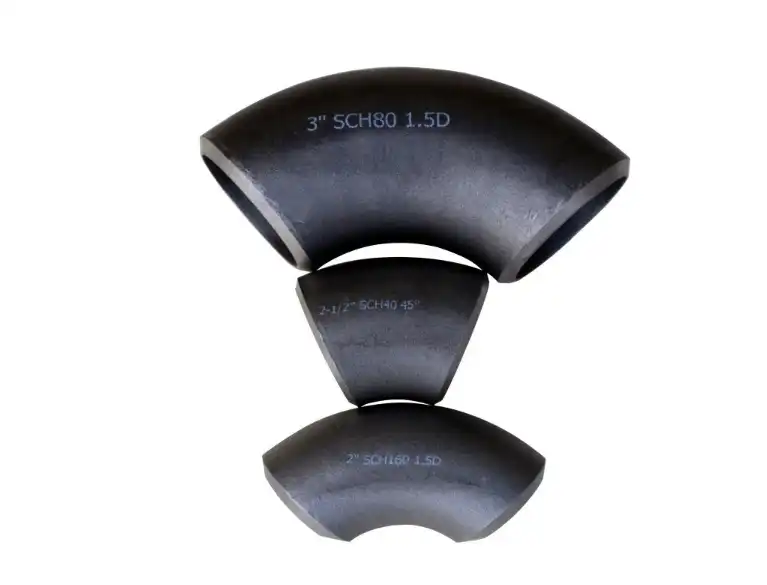
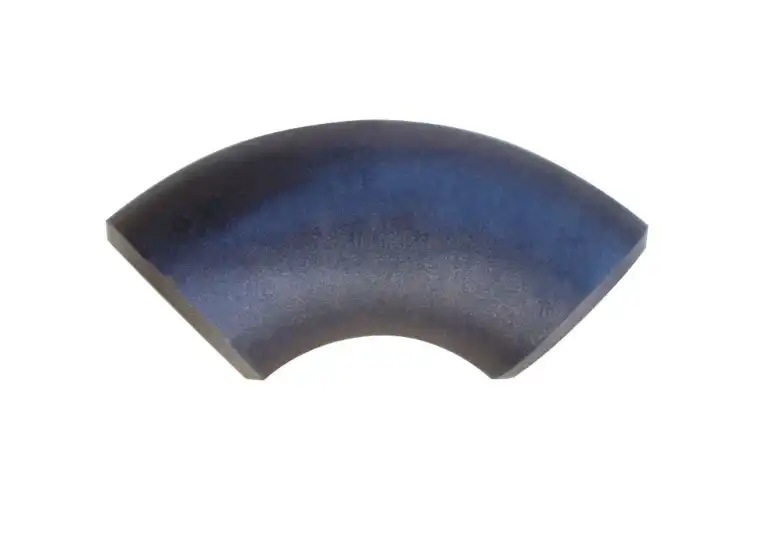
Troubleshooting Common Issues in Pipe Reducer Installations
Installing

can be very difficult and have a big effect on the performance of industrial plumbing systems in places like power plants, oil refineries, and chemical plants. When installed correctly, pipe reducers make sure that width changes are smooth, that flow rates stay at their best, and that the integrity of the system is maintained. But mistakes in installation can cause expensive downtime, safety risks, and device failure before it should. By learning about common installation issues and using effective troubleshooting methods, procurement professionals and engineers can keep risks to a minimum and improve the working efficiency of their pipe systems.
Understanding Common Installation Problems with Pipe Reducers
When installing industrial pipe reducers, certain problems often come up that make the system less safe and less effective. Early detection of these problems allows repair teams to take corrective action before small issues become major failures.
Leakage and Joint Failure Issues
One of the most common problems with pipe reducer installs is the formation of leaks. Joint breakdowns usually happen when welding methods don't follow set standards or when gasket materials don't work with the working conditions. Chemical processing settings are very hard on sealing systems because strong media can quickly break down materials that aren't right for the job. When fitting isn't done right, stress clusters form that weaken the joint over time. These stress points become places where failures start, especially in systems that are vibrating or going through temperature cycles. The quality of the making of the reducer is very important, since differences in size can make it impossible for it to fit properly with other parts of the pipe.
Misalignment-Induced Stress Concentrations
When pipes aren't lined up right, they create large areas of stress that can cause both the reducer and the pipes around it to fail early. When there is an angular error, the reducer has to bend to fit the different dimensions. This causes internal pressures that are higher than what was intended. Axial imbalance is just as dangerous, especially when heat expansion is involved. Pipe systems that aren't lined up correctly can't handle changes in size when temperatures rise and fall. This is because they are under too much stress. When these things happen, they're especially bad in power plants where the heat cycle happens all the time.
Material Compatibility and Selection Errors
Material selection mistakes can lead to long-term stability problems that might not show up right away after installation. Carbon steel reducers work great in normal situations, but they don't work well in corrosive conditions without the right protection systems. Stainless steels are better at resisting rust, but you need to be very careful when choosing a grade based on how it will be used. Galvanic corrosion happens when metals that are not compatible join without the right safety steps. This electrochemical process speeds up the breakdown of materials, especially in places with water or conductive solutions. When choosing a reducer, not only must the material be considered, but also how well it works with nearby pipe parts and support structures.
Systematic Troubleshooting Approach for Pipe Reducer Issues
To effectively fix, you need a structured approach that blends advanced diagnostic tools with methods for eye inspection. With this methodical approach, maintenance teams can correctly find the root causes and take the right steps to fix them.
Diagnostic Inspection Procedures
Troubleshooting methods that work are built around visual inspection. Trained techs look at reducer systems for clear signs of trouble, such as cracks in the surface, rust patterns, and deformation. Discoloration is often a sign of burning or chemical attack, while layers on the surface could mean that the material is wearing away or becoming contaminated. Non-destructive testing methods give detailed information about how things work inside without taking the system apart. Ultrasonic thickness readings show wall loss from wear and tear or rust, while X-rays can show internal flaws or the buildup of foreign matter. These methods work especially well in serious situations where failure would have bad results. Keeping records is an important part of medical processes. By keeping careful records of inspection results, working conditions, and upkeep tasks, you can look for patterns that can help you predict future issues. This past information is very helpful for figuring out when to change reducers and judging how well they're working.
Root Cause Analysis Methodology
For root cause analysis to work, all the things that cause reducer problems have to be looked at in a planned way. Human factors often play a big part. For example, not getting enough training, deviating from the procedure, or not checking the quality enough during installation are all examples of human factors. Vibrations, changes in temperature, or toxic atmospheres in the environment can speed up degradation beyond what is normally expected. Problems with the design could include choosing the wrong reducer for the job or not thinking about the working settings enough. Concentric reducers work well in vertical situations, but they might mess up the flow in horizontal runs, where eccentric designs would work better. Understanding these application-specific needs stops problems from happening again and again. Installation problems can be caused by flaws in the manufacturing process, which shows how important it is for suppliers to have quality assurance programs. Differences in size, inconsistent materials, or flaws in the surface finish can make fitting less successful, even if the right steps are taken. Setting standards for suppliers to meet helps keep these problems from happening on job sites.
Corrective Action Implementation
Corrective steps that work get to the root causes of problems instead of just treating the symptoms. Temporary fixes may get things working again right away, but they often don't stop problems from happening again if the real problems aren't fixed. For permanent solutions to work, engineers need to fully understand how failures happen and how to fix them. All correction actions must be accompanied by quality control processes to make sure they work. Following repairs, checks are made to ensure that the right steps were taken to fix the problem and that the system's stability has been restored. Performance monitoring during the first few hours of use makes sure that the answer solves the problem at hand without creating any new ones.
Comparing Pipe Reducer Solutions: Selecting the Right Type for Your Application
To choose the right reducer, you need to carefully think about the needs of the application, the working conditions, and the system design factors. Knowing how different types of reducers work lets you make smart choices that improve system speed while lowering costs over their lifetime.
Concentric vs. Eccentric Reducer Applications
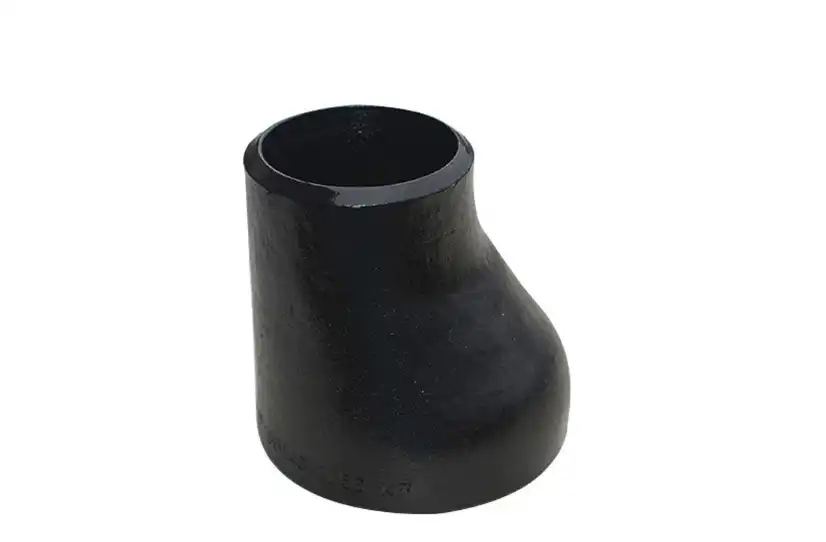
Concentric reducers keep the centerlines of the pipes they join in line, which makes them perfect for vertical uses where gravity doesn't play a big role. Their balanced design makes sure that flow is spread out evenly and that pressure drops are kept to a minimum in systems that are properly built. In power plants, circular reducers are often used in steam lines where the flow direction changes a lot. Eccentric reducers move the centerlines of pipes that are linked away from each other. This makes a flat side that makes installation and draining easier on the ground. Depending on the needs of the application, the flat side can be turned downward to keep liquid from building up or upward to get rid of gas pockets. Eccentric reducers are often used in chemical processing systems to keep the draining system working properly and stop contamination from building up. The choice between circular and eccentric designs has a big effect on how well the system works and how often it needs to be maintained. In horizontal runs, eccentric reducers make it easier to build support structures and lower stress concentrations. In vertical uses, however, concentric types offer better flow characteristics. By understanding these trade-offs, you can make the best choice for your project.
Material Selection Considerations
Reducers made of carbon steel have great mechanical qualities and are a good value for normal uses. Because they are easy to find and can be made in a standard way, they are good choices for general industry use. But carbon steel needs protective coats or cathodic protection in places where it will rust in order to have a good service life. Stainless steel is very good at resisting rust and keeping its mechanical qualities at high temperatures. Grade 304 stainless steel is good for slightly acidic or corrosive settings, while grade 316 is better at withstanding chlorides and other acids. These materials cost more at first, but they often provide better long-term value in tough situations. Alloy steel products are between carbon steel and stainless steel. They have better mechanical qualities than carbon steel but are still affordable. When used in power plants, chrome-molybdenum alloys work very well at high temperatures, and nickel alloys are great for chemical processing conditions because they don't rust.
Performance Evaluation Criteria
Flow efficiency is an important performance factor that impacts both the amount of energy used and the system's ability. The shape of the reducer affects the velocity profiles and pressure drop features. Smooth changes that are well-designed reduce energy loss and turbulence. Computational fluid dynamics analysis can help designers of reducers make the best ones for each job, which makes the whole system work better. Pressure grade compatibility makes sure that the system works safely under planned conditions and leaves enough room for error. Reducers need to be able to handle both normal working loads and short-term problems like water hammer or thermal shock. Knowing the different types of pressure and how they relate to working conditions can help you avoid dangerous overpressure situations. Service life and repair needs are directly affected by corrosion resistance. Rates of material decay are affected by things in the environment like temperature, pH, salt content, and oxygen levels. By choosing materials with the right resistance traits, you can keep things from breaking down too soon and lower the costs over their entire life.
Optimizing Installation Processes to Prevent Future Issues
Prevention-focused installation methods make the system much more reliable generally and greatly lower the chance of future problems. Putting in place a wide range of quality control measures during installation sets the stage for long-term operating success.
Pre-Installation Planning and Preparation
An in-depth study of the system is the first step in comprehensive planning. This helps you understand the working requirements, the surroundings, and the interface specs. This research finds possible problems before they affect quality or installation plans. Material suitability testing makes sure that all of the parts will work well together in real-world situations. The steps for installation must include details about how to balance things, how to support them, and how to check for quality. Technicians can follow clear directions and be held responsible for important tasks when they have detailed work instructions. These steps should include what was learned from previous setups, as well as the best practices in the business right now. During the installation process, quality control planning sets up inspection spots, acceptance standards, and paperwork needs. Before installing something, the material is inspected to make sure it is the right size and in good condition. There are also checks along the way to make sure everything fits and aligns correctly before the final welding or mechanical connection.
Advanced Installation Tools and Techniques
Laser alignment systems allow for exact settings, which means that people can't make mistakes when doing important alignment tasks. With these tools, techs can get alignment tolerances that would be impossible with other methods, which greatly improves the quality of the job. Buying precise alignment tools is a good idea because they cut down on rework and make things more reliable in the long run. During installation, non-destructive testing checks the quality of the joint without having to wait for the system to be fully operational. A x-ray of a welded seam can show flaws that can be fixed right away, stopping leaks or failures from happening in the future. Ultrasonic testing lets you know quickly about the quality of the weld penetration and melting. Torque control systems make sure that bolt preloading is always the same in flanged joints. This stops both under-tightening, which can cause leaks, and over-tightening, which can damage seals or flanges. Digital torque tracking records the exact values that were reached during installation, which helps meet quality assurance standards.
Training and Certification Programs
Installation staff must go through thorough training programs to make sure they understand both general principles and the unique needs of their job. These classes should go over the properties of the materials, how to put them together, how to check for quality, and how to fix problems. Updates on a regular basis cover new technologies and changing standards in the business. Certification standards set base levels of skill for doing important installation tasks. Welding certification programs make sure that techs can make good joints in real-life job situations. Documenting training and licensing status gives you peace of mind that only trained people are doing important work.
Company Introduction and Product Solutions
From 1998 to now, Oudi has been known as the best company to make high-quality pipe reducers and other plumbing parts. Our wide range of production skills includes making goods out of carbon steel, stainless steel, and alloy steel that meet the strict needs of the oil, gas, chemical, and power generation industries around the world.
Our factory is spread out over 66,600 square meters and has high-tech tools that can make 16,000 tons of goods every year. Our customers in over 40 countries depend on our supply chain to work reliably because of its large capacity. Being in a strategic position close to major transportation networks makes logistics easier and speeds up delivery to foreign markets.
Quality control is very important to us. Our ISO 9001:2000 certification and People's Republic of China special equipment manufacturing licensing show that we are dedicated to doing our best. Our complete quality management system includes checking the raw materials, keeping an eye on the work in progress, and using modern non-destructive testing methods to check the final product.
Because we know a lot about technology, we can make personalized solutions that meet the needs of each application. Our engineering team works with customers to create efficient reducer designs that raise the performance of the system and lower its overall costs over its lifetime. A lot of big industrial customers in a lot of different market groups accept this way of working together.
Conclusion
To install a pipe reducer correctly, you need to pay close attention to the materials you choose, the right way to install them, and a lot of quality control measures. By learning about common issues and using organized methods for fixing them, maintenance teams can keep systems from breaking down and make them run more efficiently. Selecting the right reducer, installing it correctly, and keeping an eye on it all the time are the building blocks for long-term reliability in harsh industrial settings.
FAQ
What causes most pipe reducer installation failures?
Installation problems are usually caused by bad alignment, choosing the wrong materials, or not following the right welding steps. Environmental factors like temperature changes, vibrations, and acidic conditions can speed up wear and tear if they are not properly considered during the planning and building stages.
How do I select between concentric and eccentric reducer types?
When centerline alignment is important, eccentric reducers work best in horizontal runs that need to drain or get rid of gas. Concentric reducers work best in vertical runs that need to align the midline. When making this choice, think about the flow direction, the support needs, and the ease of upkeep.
What inspection methods verify reducer installation quality?
Visual inspection and non-destructive tests work together to give a full picture of quality. Ultrasonic testing counts wall thickness and finds surface flaws, while X-rays show problems with the weld itself. Pressure checking makes sure that the whole system is working right.
When should I consider replacing existing reducers?
When measuring the wall thickness shows a lot of material loss, when leaks happen and can't be fixed forever, or when changes to the system need different pressure grades or materials, the reducers need to be replaced. Regular check programs help figure out what needs to be replaced before it breaks.
Partner with Oudi for Superior Pipe Reducer Solutions
Oudi makes great pipe reducers and has done so for decades, thanks to its extensive quality assurance programs and years of experience in the field. We have a huge selection of circular and eccentric reducers made of carbon steel, stainless steel, and alloys that are made to meet foreign standards like ANSI, JIS, DIN, and BS. Email our technical team at oudi-04@oudiguandao.com to talk about your unique needs and find out how our services as a pipe reducer provider can help you get the most out of your industrial piping systems.
References
1. American Society of Mechanical Engineers. "Guidelines for Pipe Reducer Installation in Industrial Applications." ASME Standards Publication, 2019.
2. Peterson, J.M. "Troubleshooting Common Piping System Failures: A Comprehensive Analysis." Industrial Engineering Journal, Vol. 45, 2020.
3. International Association of Plumbing Engineers. "Best Practices for Pipe Fitting Installation and Maintenance." Technical Manual Series, 2021.
4. Williams, R.K. and Chen, L. "Material Selection Criteria for Industrial Pipe Reducers." Materials Engineering Quarterly, Vol. 38, 2019.
5. Industrial Piping Systems Institute. "Quality Assurance Protocols for Critical Piping Components." Professional Development Series, 2020.
6. Thompson, M.A. "Non-Destructive Testing Methods for Pipeline Component Evaluation." NDT International Conference Proceedings, 2021.

Need help finding the right solution with our experts. Please contact us.
SINCE 1998 Your Reliable Pipeline Manufacturer