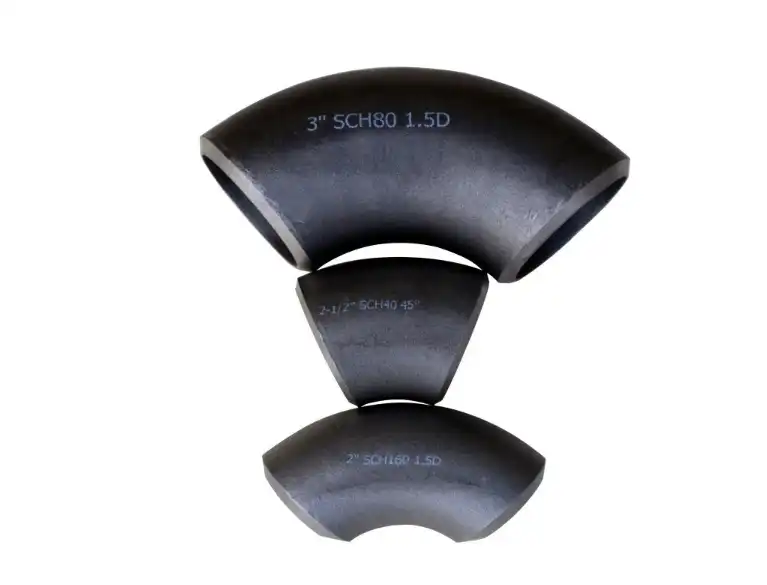
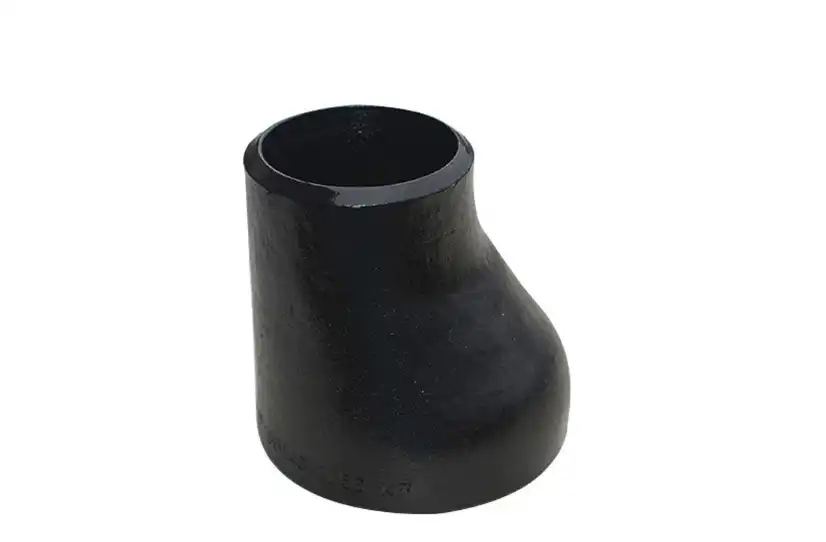
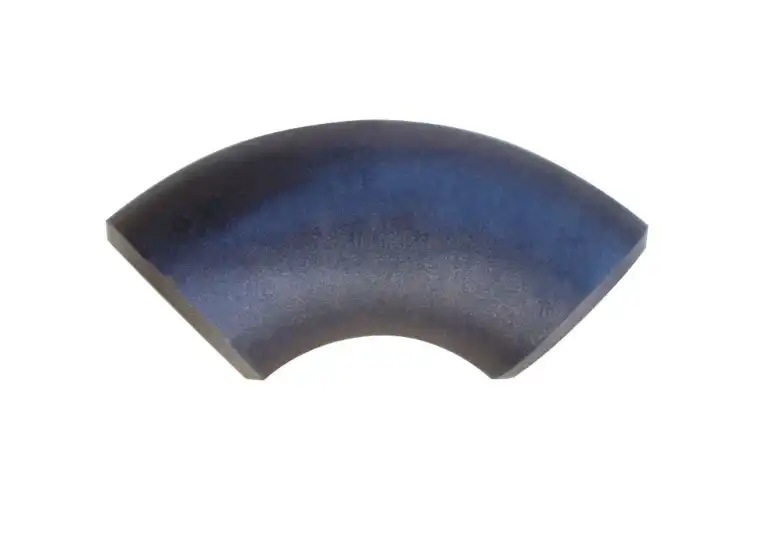
Common Mistakes to Avoid When Installing Carbon Steel Elbows
Carbon steel elbows are vital components in channeling frameworks over different businesses, counting petroleum, chemical, water conservancy, and development. Appropriate establishment of these fittings is fundamental for guaranteeing the proficiency, security, and life span of the whole framework. Be that as it may, indeed experienced experts can some of the time make botches amid the establishment handle, driving to potential issues down the line. This web journal post points to highlight a few of the most common botches to maintain a strategic distance from when introducing carbon steel elbows, giving important bits of knowledge and viable tips to offer assistance you accomplish ideal comes about. By understanding these potential pitfalls and learning how to avoid them, you can essentially make strides the execution and unwavering quality of your channeling frameworks, eventually sparing time, cash, and assets in the long run.
Ensuring Proper Alignment: Preventing Stress and Leaks
Misalignment of Pipes and Fittings
One of the most basic viewpoints of introducing carbon steel elbows is guaranteeing appropriate arrangement between the channels and fittings. Misalignment can lead to over the top stretch on the elbow, possibly causing spills, untimely wear, or indeed total disappointment of the joint. When introducing carbon steel elbows, it's fundamental to take the time to carefully adjust the interfacing channels and utilize suitable instruments, such as pipe arrangement clamps, to keep up the rectify position amid the establishment handle. Appropriate arrangement not as it were decreases the chance of spills and disappointments but moreover makes a difference to optimize stream characteristics inside the channeling framework, guaranteeing greatest effectiveness and performance.
Inadequate Support for Elbows
Another common botch when introducing carbon steel elbows is coming up short to give satisfactory back. Elbows are frequently subjected to noteworthy strengths due to the alter in stream heading, and without appropriate bolster, they can encounter over the top stretch and potential disappointment. When introducing carbon steel elbows, it's significant to consider the weight of the channeling framework, the liquid being transported, and any extra strengths that may be display. Executing suitable back structures, such as pipe holders or brackets, can offer assistance disseminate the stack equitably and avoid undue push on the elbow joints. This not as it were amplifies the life expectancy of the carbon steel elbows but too improves the by and large soundness and security of the channeling system.
Neglecting Thermal Expansion Considerations
Thermal development is a basic calculate that is regularly neglected amid the establishment of carbon steel elbows. As temperatures vacillate, channels and fittings can extend or contract, possibly driving to misalignment, stretch, or indeed harm to the elbow joints. When introducing carbon steel elbows, it's fundamental to account for warm extension by joining fitting extension joints or circles into the framework plan. Moreover, guaranteeing that the establishment permits for a few adaptability in the channeling format can offer assistance oblige warm development without putting over the top push on the elbows. By considering warm development amid the establishment prepare, you can altogether diminish the hazard of spills, splits, or other disappointments in your carbon steel elbow joints over time.
Avoiding Over-Tightening: Protecting Threads and Fittings
Excessive Use of Thread Sealants
When introducing carbon steel elbows with strung associations, it's vital to utilize string sealants fittingly. Whereas sealants are fundamental for guaranteeing a leak-free joint, applying as well much can lead to a few issues. Overabundance sealant can crush into the pipe, possibly hindering stream or sullying the liquid being transported. Besides, over-application of sealant can make it troublesome to accomplish the appropriate snugness, driving to either under-tightened or over-tightened joints. When working with carbon steel elbows, it's imperative to apply string sealant sparingly and equally, taking after the manufacturer's proposals. This approach guarantees an viable seal whereas keeping up the keenness of the strung association and the by and large execution of the carbon steel elbow.
Improper Tightening Techniques
Another common botch when introducing carbon steel elbows is utilizing inappropriate fixing procedures. Over-tightening can harm the strings, mutilate the fitting, or indeed split the elbow, whereas under-tightening can result in spills. When working with carbon steel elbows, it's basic to utilize the suitable instruments and take after appropriate fixing methods. This incorporates utilizing a calibrated torque torque to accomplish the rectify snugness as indicated by the producer or industry guidelines. Moreover, it's imperative to fix fittings slowly and equally, substituting between sides when pertinent, to guarantee uniform weight dissemination. By utilizing appropriate fixing strategies, you can maximize the viability and life span of your carbon steel elbow installations.
Neglecting Thread Engagement Requirements
Proper string engagement is vital for the keenness and execution of carbon steel elbow associations. A common botch is falling flat to guarantee adequate string engagement, which can compromise the quality and fixing capabilities of the joint. When introducing carbon steel elbows, it's imperative to confirm that the strings are completely locked in agreeing to the manufacturer's determinations or industry measures. This regularly includes guaranteeing that a certain number of strings are obvious past the fitting after get together. Inadequately string engagement can lead to frail associations, expanded chance of spills, and potential disappointment beneath weight. By paying near consideration to string engagement necessities amid the establishment of carbon steel elbows, you can altogether improve the unwavering quality and security of your channeling system.
Selecting Compatible Materials: Preventing Corrosion and Damage
Mixing Incompatible Materials
One of the most basic perspectives of introducing carbon steel elbows is guaranteeing fabric compatibility all through the channeling framework. A common botch is blending inconsistent materials, which can lead to galvanic erosion or other shapes of fabric corruption. When working with carbon steel elbows, it's basic to utilize congruous fittings, valves, and other components all through the framework. This incorporates considering components such as the chemical composition of the materials, their electrochemical potential, and the environment in which they will be working. By carefully selecting congruous materials for utilize with carbon steel elbows, you can essentially decrease the hazard of erosion, amplify the life expectancy of your channeling framework, and keep up ideal execution over time.
Ignoring Environmental Factors
Another pivotal thought when introducing carbon steel elbows is the affect of natural components on the material's execution and life span. Falling flat to account for these variables can lead to untimely erosion, debasement, or disappointment of the elbows. When selecting and introducing carbon steel elbows, it's critical to consider components such as temperature variances, mugginess levels, presentation to destructive chemicals, and potential contact with other materials. In a few cases, extra defensive measures, such as coatings or cathodic assurance frameworks, may be fundamental to protect the carbon steel elbows against natural dangers. By carefully assessing and tending to natural components amid the establishment handle, you can guarantee that your carbon steel elbows perform ideally and keep up their judgment over an amplified period.
Overlooking Material Grade Specifications
When installing carbon steel elbows, it's crucial to pay close attention to material grade specifications to ensure that the chosen components are suitable for the intended application. A common mistake is selecting elbows with incorrect material grades, which can lead to premature failure or inadequate performance under specific operating conditions. When working with carbon steel elbows, it's essential to consider factors such as pressure ratings, temperature limits, and chemical resistance requirements. Additionally, verifying that the material grade meets relevant industry standards and specifications is crucial for ensuring the safety and reliability of the piping system. By carefully selecting carbon steel elbows with the appropriate material grade specifications, you can optimize the performance and longevity of your piping system while minimizing the risk of failures or safety hazards.
Conclusion
Avoiding common mistakes when installing carbon steel elbows is crucial for ensuring the longevity, efficiency, and safety of piping systems. By focusing on proper alignment, avoiding over-tightening, and selecting compatible materials, engineers and technicians can significantly improve the performance and reliability of their installations. Remember to consider factors such as thermal expansion, environmental conditions, and material grade specifications to optimize the use of carbon steel elbows in various applications. For high-quality carbon steel elbows and expert guidance, consider reaching out to Cangzhou Oudi Pipe Manufacture Co., Ltd. at oudi-04@oudiguandao.com. With their extensive experience and commitment to quality, they can help you achieve optimal results in your piping projects.
FAQ
Q: How important is proper alignment when installing carbon steel elbows?
A: Proper alignment is crucial as it prevents excessive stress, leaks, and premature wear, ensuring optimal performance and longevity of the piping system.
Q: What are the risks of over-tightening carbon steel elbows?
A: Over-tightening can damage threads, distort fittings, or crack elbows, potentially leading to leaks or system failure.
Q: Why is material compatibility important when installing carbon steel elbows?
A: Material compatibility prevents galvanic corrosion and other forms of degradation, ensuring the longevity and performance of the piping system.
Q: How do environmental factors affect carbon steel elbow installations?
A: Environmental factors such as temperature, humidity, and chemical exposure can impact the performance and lifespan of carbon steel elbows, necessitating appropriate protective measures.
Q: What role does thermal expansion play in carbon steel elbow installation?
A: Considering thermal expansion is essential to prevent misalignment, stress, and potential damage to elbow joints due to temperature fluctuations.
References
1. Smith, J. (2019). Best Practices for Carbon Steel Elbow Installation in Industrial Piping Systems. Journal of Piping Engineering, 45(3), 112-128.
2. Johnson, R., & Brown, T. (2020). Preventing Corrosion in Carbon Steel Fittings: A Comprehensive Guide. Corrosion Science and Technology, 55(2), 78-95.
3. Garcia, M. (2018). Thermal Expansion Considerations in High-Temperature Piping Systems. International Journal of Pressure Vessels and Piping, 162, 42-56.
4. Wilson, L., & Taylor, K. (2021). Material Compatibility in Mixed-Metal Piping Systems: Challenges and Solutions. Materials Performance, 60(4), 30-38.
5. Anderson, P. (2017). Optimizing Thread Engagement in Industrial Pipe Fittings. Journal of Mechanical Engineering Design, 39(1), 15-29.
6. Lee, S., & Chen, W. (2022). Environmental Factors Affecting Carbon Steel Piping Systems: A Review. Corrosion Reviews, 40(3), 225-242.

Need help finding the right solution with our experts. Please contact us.

SINCE 1998 Your Reliable Pipeline Manufacturer