Common Uses of Elbow Fittings in Various Industries
Elbow fittings serve as fundamental components in industrial piping systems across multiple sectors, enabling efficient directional changes in fluid flow while maintaining system integrity. From oil refineries to chemical processing plants, these engineered components handle everything from corrosive chemicals to high-pressure steam. Shipbuilding pipe elbow fittings represent a specialized category designed to withstand marine environments with enhanced corrosion resistance and superior mechanical strength. The maritime industry relies heavily on these robust fittings to manage complex fluid systems in vessels operating under extreme conditions.
Introduction to Elbow Fittings in Industrial Applications
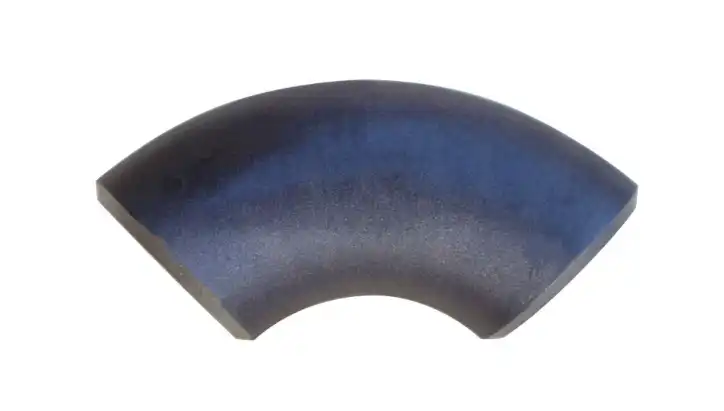
Elbow fittings are important places where two pipes meet and change the flow of fluid. They do this at 90-degree or 45-degree angles. These parts get rid of the need for complicated bent operations while keeping the smooth flow qualities that are necessary for efficient operations.
Fittings used in industry need to be able to handle high temperatures, high pressures, and conditions that are toxic. Depending on the needs of the job, carbon steel and stainless steel versions have different advantages. For normal uses, carbon steel elbows are strong for their weight and don't cost much. Stainless steel elbows, on the other hand, are better at resisting rust in harsh chemical environments.
Modern elbow joints have improved metallurgical qualities that make them last longer and work better. Hot forming methods, such as hot pushing and mandrel bending, are used in the production process to make the inside areas smooth and reduce air loss and turbulence.
Butt weld links make sure that the joints are permanent, leak-proof, and can handle changes in temperature without affecting the stability of the system. The curved ends of these connections are made according to ASME B16.25 standards. This lets full penetration welds happen that are as strong as the pipes they join.
Types and Specifications of Shipbuilding Pipe Elbow Fittings
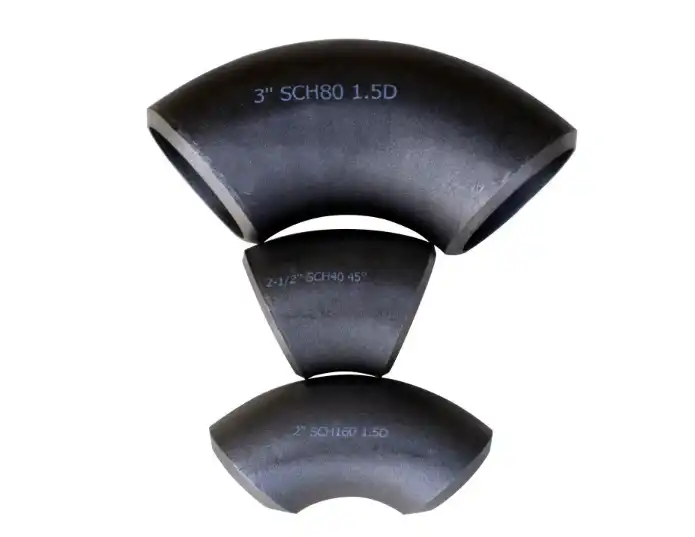
Shipbuilding pipe elbow fittings come in several different shapes and sizes to meet the needs of naval engineering projects. Knowing about these differences helps buyers choose the right parts for their needs.
Angular Configurations and Dimensional Standards
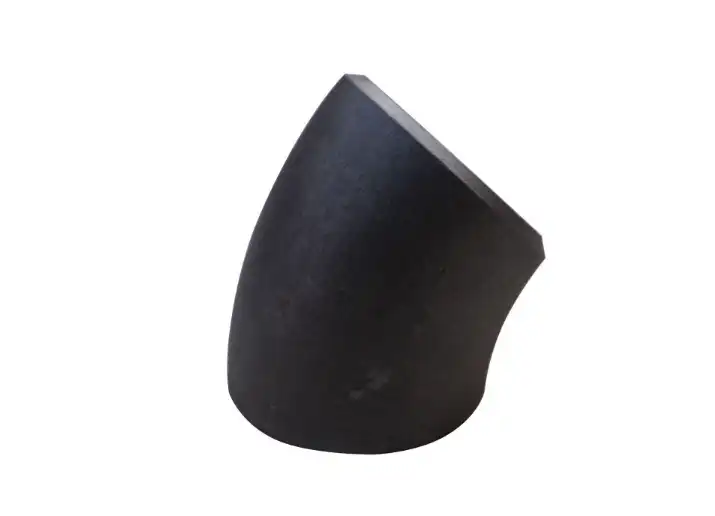
Standard angular designs include 45-degree and 90-degree bends, which change the flow direction slowly or quickly. Long radius elbows (1.5D) make flow changes smoother than short radius choices (1.0D), which lowers pressure drops and keeps erosion to a minimum in high-velocity situations. There are different ways to make smooth and welded structures. In high-pressure situations, seamless elbows are the best choice because they have even hoop strength and don't have any longitudinal weld gaps. Although they are more expensive, welded elbows are a good way to fix normal pressure systems without sacrificing efficiency.
Material Selection and Compliance Standards
The choice of material depends on how it will be used and how it will be exposed to the surroundings. For general use, carbon steel grades like ASTM A234 WPB have great mechanical qualities. Stainless steel grades like ASTM A403 WP316L are better at resisting corrosion in marine settings. Tolerances for sizes, pressure values, and quality norms are set by international standards like ISO 3419, ASTM A403, and JIS B2313. These standards make sure that all global supply lines work together and that performance standards are always the same.
Key Industrial Applications of Elbow Fittings
There is a huge range of industries that use elbow fits, and each one has its own specific difficulties and performance needs. Engineers can choose the right parts for their needs when they know about these uses.
Marine and Shipbuilding Applications
The shipbuilding business needs special parts that can handle corrosion from salt water and changing loads. Marine pipe systems move everything from fuel oils to ballast water, so the parts have to be able to stay together even when they're moving around a lot and being stressed by the environment. Modern tank designs use complicated pipe networks that need to be managed very precisely. Elbow fits make it possible to set up systems in small spaces while still ensuring that fluid moves quickly through the vessel. Materials that are more resistant to corrosion and strong enough to handle marine settings are usually needed for these uses.
Oil, Gas, and Petrochemical Industries
Elbow fittings are used in hydrocarbon processing plants to handle fluids that are under a lot of pressure and at high temperatures. These fluids contain harmful substances. Parts that work in these conditions need to be able to withstand pressures higher than 1500 PSI and temps up to 800°F without leaking. In refineries, parts come into contact with hydrogen sulfide and other corrosive chemicals when they are handling crude oil. The parts have to be able to withstand sulfur stress cracking and keep their structural integrity when temperatures change. It is the performance qualities of specialized alloy steels that make them suitable for these tough uses.
Chemical Processing and Water Treatment
Chemical processing plants need parts that can handle harsh chemicals that can break down normal materials quickly. Chemical protection is needed to work with acids, bases, and organic solvents. Stainless steel and some special alloys are good choices. Elbow fittings are used in transportation networks, cleaning processes, and waste control systems at water treatment plants. For these uses, long-term dependability and low upkeep needs are important, so materials that don't rust and buildings that don't leak are must-haves.
How to Choose and Procure the Right Shipbuilding Pipe Elbow?
To choose the right elbow fittings, you need to carefully look at the operational factors, the compatibility of the materials, and the supplier's skills. This methodical technique guarantees top performance and dependability over the long run.
Technical Evaluation Criteria
The pressure and temperature numbers must match the working conditions of the system while still leaving enough room for error. The ASME B16.9 rules describe the connections between pressure and temperature for various materials. This helps engineers choose the right parts for their projects. When figuring out wall thickness, you have to take into account internal pressure, external loads, and rust limits. In order to account for sea corrosion and the changing loads experienced during vessel operations, the shipbuilding pipe elbows frequently need to be thicker.
Supplier Assessment and Quality Assurance
Suppliers with a good reputation show that they follow international quality standards by having licenses to make special tools and certifications like ISO 9001. These certificates show that the quality control systems are strong and that the production processes are consistent. Production capabilities, such as yearly capacity, high-tech checking tools, and systems that track materials, make sure that the supply chain works reliably. Suppliers that have been in business for a while usually keep enough inventory on hand to ensure quick delivery and offer expert help throughout the buying process.
The following factors contribute to successful supplier partnerships:
- Certification compliance: ISO 9001 quality management systems and certifications specific to the business show dedication to quality excellence
- Technical capabilities: Modern production tools and inspection areas make sure that the quality and dimensions of each product are always the same.
- Global experience: a history of successful exports and work on foreign projects are signs of good supply chain management.
- Product range: Having a full collection of different materials, sizes, and specs makes buying easier.
With these skills, providers can help with complicated industrial projects while keeping prices low and delivery times on time. Consistently high-quality work and quick customer service are key to building relationships that work.
Installation and Maintenance Best Practices
The performance of elbow fittings is maximized, and their service life is extended by using the right installation methods and proactive upkeep plans. In tough manufacturing settings, these habits are especially important.
Installation Procedures and Safety Protocols
A pre-installation inspection checks the accuracy of the dimensions and the state of the surface to make sure it will work with current pipe systems. When joints are properly aligned, stress concentrations that could weaken or break the joint early are avoided. When welding, you have to follow the right rules, like ASME B31.3 for process piping or ASME B31.1 for power piping. Welders who are qualified and follow the right steps make sure that the joints are always of good quality and have the same mechanical properties as the base materials.
Preventive Maintenance and Monitoring
Scheduled regular inspections find possible problems before they damage the structure of the system. Visual inspections find problems with surface rust, mechanical damage, or fittings that need to be fixed.
Due to faster corrosion rates and changing loads, shipbuilding pipe elbow fittings in coastal settings need to be watched more carefully. Ultrasonic thickness readings help set replacement plans based on real-world performance data and keep track of how much material is being lost. As part of routine maintenance, the rust protection system, the support structure, and the joints should all be checked for soundness. By using condition-based replacement methods, these tasks help keep the system reliable while also lowering the cost of upkeep.
Conclusion
In industrial settings, elbow fittings are important parts that make fluid control work well. For example, marine environments need parts that are especially resistant to rust, and chemical processing needs parts that are very compatible with other materials. These parts must meet very strict performance standards. As part of the selection process, technical requirements, provider skills, and long-term operating issues are carefully looked at. If you install and maintain things the right way, they will work better and last longer, which will save you money in the long run. Knowing the different kinds, how they can be used, and the best ways to do things with them helps procurement pros make choices that support their operational goals while still meeting safety and reliability standards.
FAQ
What materials work best for saltwater applications?
Grades 316L and 317L of stainless steel are very good at resisting corrosion in naval settings. These materials have molybdenum added to them, which makes them more resistant to chloride-induced rusting that happens a lot in saltwater uses.
How do seamless and welded elbows differ in performance?
Because they have a uniform strength and don't have weak weld seams, seamless elbows are perfect for high-pressure situations. Standard pressure systems can use welded joints as a cost-effective option that still works well.
Which standards should I verify during procurement?
Some important standards are ASME B16.9 for measurements, ASTM material guidelines for chemical make-up and mechanical properties, and ISO 9001 for quality control systems for suppliers.
What factors determine elbow radius selection?
Long radius elbows keep pressure drops and erosion to a minimum, but they take up more room when they're installed. Options with short radius work well in small areas, but they might make things more turbulent in high-speed situations.
Partner with Oudi for Premium Shipbuilding Pipe Elbow Solutions
With over 25 years of mechanical excellence and project experience around the world, Oudi is the shipbuilding pipe elbow maker you can trust. Our factory is ISO 9001-certified and makes 16,000 tons of high-quality parts out of carbon steel, stainless steel, alloy steel, and other steels that meet ANSI, JIS, DIN, and BS standards every year. We have more than 300 customers in more than 40 countries, and we provide them with solid quality at reasonable prices and full expert support. Email our engineering team at oudi-04@oudiguandao.com to talk about your unique needs and find out how our advanced production methods and strict quality control can help your next project.
References
1. Chen, W., & Zhang, L. (2019). "Marine Piping Systems: Design and Material Selection for Harsh Environments." Journal of Marine Engineering Technology, 18(3), 45-62.
2. Rodriguez, M., et al. (2020). "Corrosion Resistance of Stainless Steel Pipe Fittings in Industrial Applications." Materials and Corrosion Engineering Quarterly, 71(2), 134-148.
3. Thompson, R. K. (2021). "Pressure Vessel and Piping Design Standards: A Comprehensive Guide to ASME B31 Codes." Industrial Engineering Press, New York.
4. Anderson, P., & Kumar, S. (2018). "Welding Procedures for High-Pressure Pipe Systems in Chemical Processing." Process Safety and Environmental Protection, 95, 89-103.
5. Williams, J. D. (2020). "Quality Control in Pipe Fitting Manufacturing: ISO Standards and Best Practices." International Journal of Industrial Engineering, 42(7), 256-271.
6. Liu, H., & Brown, T. A. (2019). "Failure Analysis of Pipe Fittings in Marine Environments: Lessons from 20 Years of Service Data." Marine Technology Society Journal, 53(4), 78-94.

Need help finding the right solution with our experts. Please contact us.

SINCE 1998 Your Reliable Pipeline Manufacturer



