Compare different grades of carbon steel for elbows
When buying carbon steel elbows wholesale, it's important to know the differences between grades so that they work well in all kinds of industrial settings. The tensile strength, flexibility, and temperature tolerance of different grades, such as ASTM A234 WPB, A105, and A420 WPL6, are very different. Choosing the right grade affects how reliable the system is, how much it costs, and how well it meets foreign standards. This complete comparison guide helps people who are in charge of buying things figure out technical details. This lets them make smart choices that meet the needs of operations in infrastructure for oil and gas, chemicals, moving natural gas, and treating water.
Understanding Carbon Steel Grades for Elbows
Carbon steel elbows wholesale are important parts of industrial pipe networks because they allow for changes in direction while keeping the structure strong under tough conditions. How these parts react to changes in pressure, temperature, and corrosive conditions depends on the grade of the material used.
ASTM A234 WPB: The Industry Standard
For moderate-service uses, ASTM A234 WPB is the type that is most often used. It is easy to weld and shape this worked carbon steel material, which makes it good for general-purpose pipe systems that work at temperatures from -29°C to 400°C. The letters "WPB" stand for "wrought pipe, grade B," which shows that its mechanical features are equal. The chemical makeup has a carbon content of less than 0.30%, manganese levels between 0.29 and 1.06%, and very low sulfur and phosphorus levels to keep the material from breaking easily. Tensile strength is usually between 415 and 585 MPa, and yield strength is at least 240 MPa. This grade is popular in building and water conservation because it is reliable and doesn't cost too much for normal pressure ratings up to Class 300.
ASTM A105: Forged Carbon Steel Solution
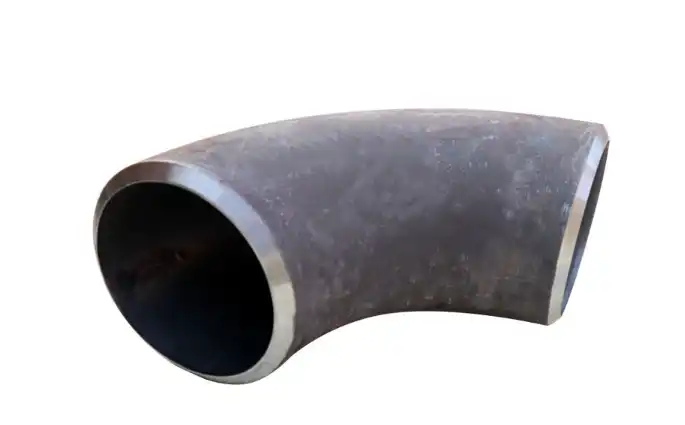
ASTM A105 is made using forged methods instead of worked methods like A234 WPB. This gives it better mechanical qualities and a better grain structure. This grade works great in situations where higher pressure rates and better impact protection are needed. Chemically, it is very similar to A234 WPB, but when it is forged, it goes through different heat treatment procedures. Forging gets rid of any holes inside the fitting and makes the density the same all over, which is important for harsh places like oil factories and natural gas processing plants. A105 elbows are often used in socket welding and threaded joints where strong performance is needed in small spaces.
Low-Temperature Service Grades: A350 LF2 and A420 WPL6
In some industrial settings, pipe systems are exposed to very low temperatures, so they need materials that are very tough at those temperatures. As low as -46°C, ASTM A350 LF2 keeps its flexibility and resistance to impact, which makes it essential for cryogenic uses and setups in cold climates. The metal has nickel added to it, which keeps it from breaking easily when heated. The ASTM A420 WPL6 standard, which includes changes to manganese and silicon, takes this ability to even lower temperatures (-59°C). These special types cost more, but they are worth it because they are so useful in places where regular carbon steel would fail horribly, like in LNG shipping, arctic pipeline systems, and cooling facilities.
Key Dimensions and Specifications Across Carbon Steel Grades
Dimensions have a direct effect on hydraulic efficiency, the ease of fitting, and the long-term dependability. When making decisions about what to buy, you need to look at more than just the grade of the material.
Angle Configurations and Flow Dynamics
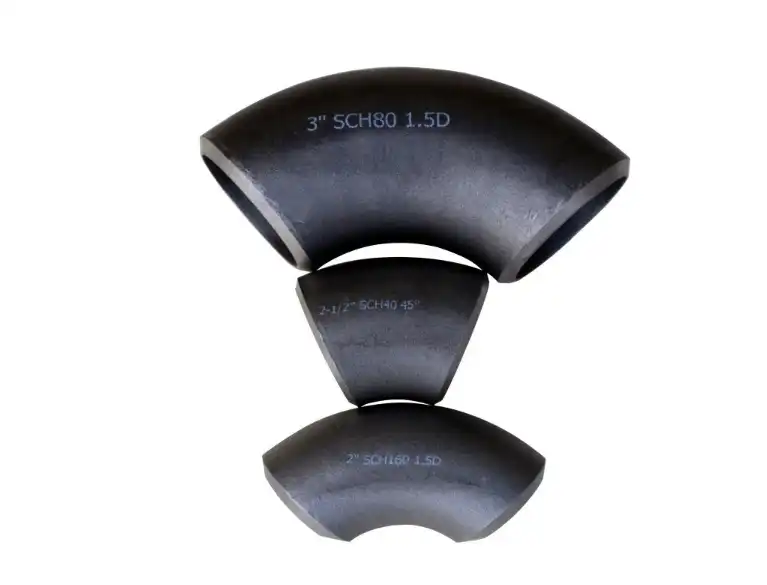
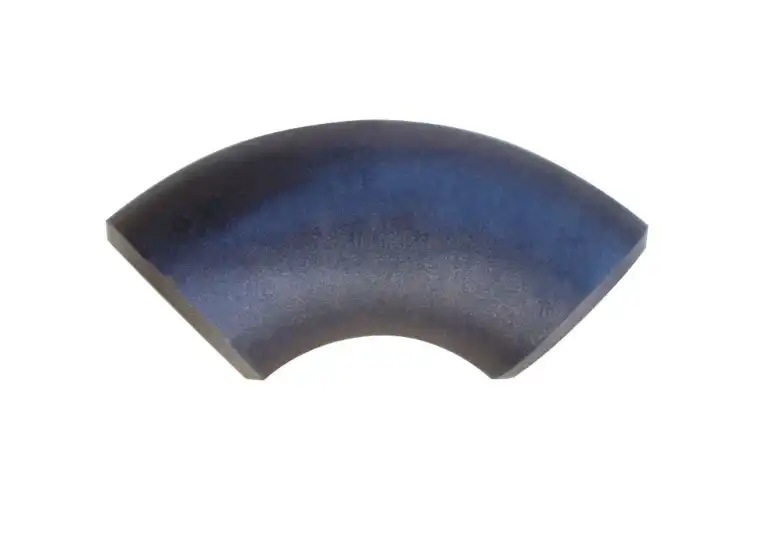
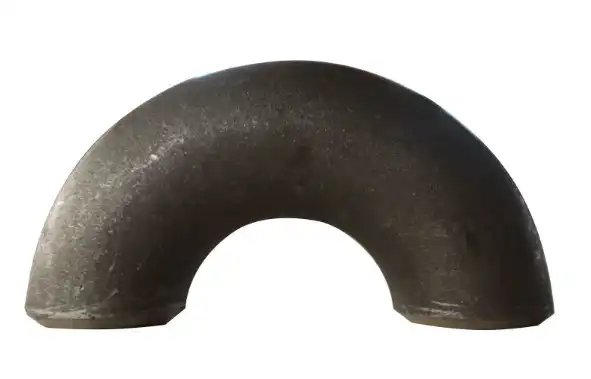
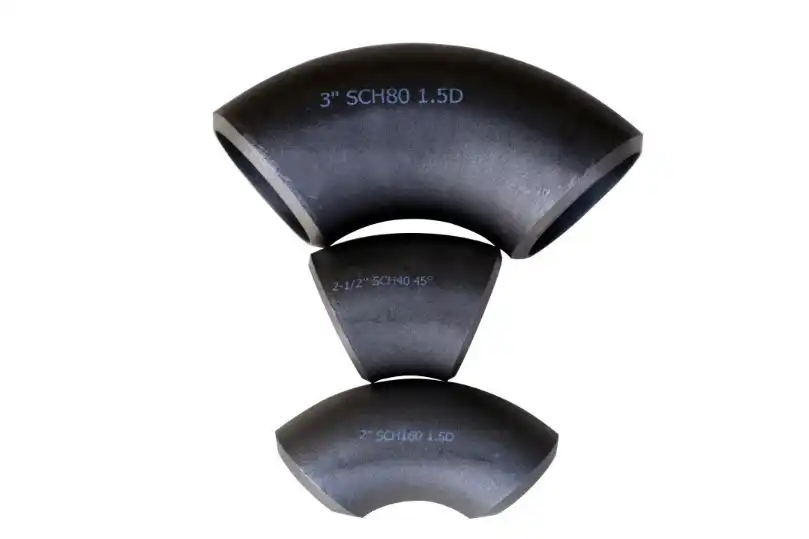
The elbow angle determines how pipe systems work within a limited space while keeping the pressure drop to a minimum. The most common elbow angle is still 90 degrees, which makes straight direction changes in small tracks. Its short-radius version has a centerline radius that is the same as the standard pipe diameter, which is useful when room constraints are more important than hydraulic efficiency. Long radius 90-degree elbows have a centerline radius that is 1.5 times the width. This makes them 30% less likely to cause turbulence and air loss than short-radius designs. When there is a lot of flow, like when oil is being distributed or chemicals are being processed, this difference becomes important. When compared to 90-degree fits, the 45-degree elbow makes changes in direction more gentle and reduces pressure drop by about 60%. Industries that care about saving energy are asking for 45-degree layouts more and more for uses that can handle the extra horizontal installation room. The 180-degree return elbow completely changes the flow direction and is often found in heat exchangers and boiler pipes.
Wall Thickness and Pressure Ratings
The width of the wall is directly related to how much it costs and how much pressure it can hold. Standard schedules are set by ASME B16.9. They go from Schedule 10 (thin-walled) to Schedule XXS. Standard weight Schedule 40 is good for most moderate-pressure services up to 20 bar, matching cost-effective materials with structural strength. Schedule 80 increases the wall thickness by about twice as much, so it can handle pressures of up to 50 bar in systems like hydraulic and steam distribution. Thickness and pressure capacity are related in a complicated way that takes into account weather, safety factors, and the type of material used. For city water systems, A234 WPB elbows in Schedule 40 might be enough. But chemical plants that work with acidic fluids at high pressure need elbows in Schedule 80 or higher that are resistant to rust. Each inch of width adds about 40 to 60 percent to the cost of the material, so exact measurements are needed to keep costs as low as possible.
Nominal Pipe Size Standards
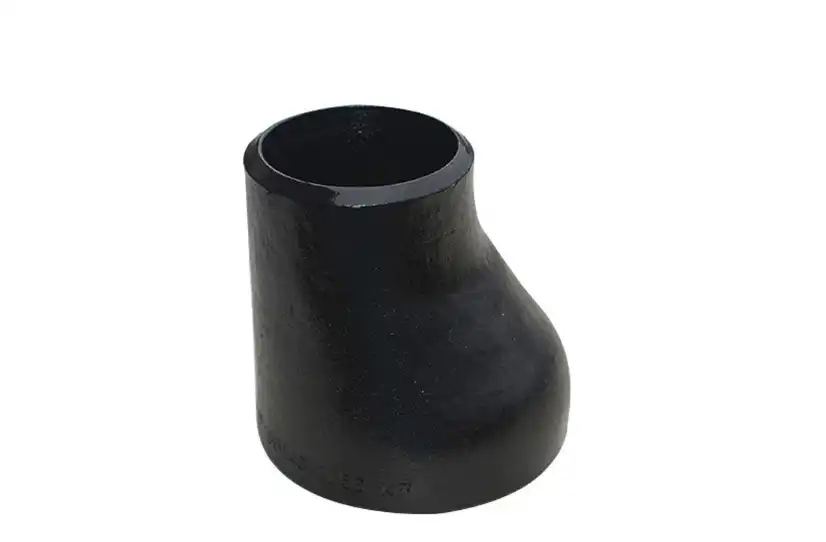
Standardizing Nominal Pipe Size (NPS) makes sure that products from different makers work together and makes managing inventory easier. Sizes commonly used run from NPS 1/2" to NPS 48", but for certain uses, sizes outside of these ranges are also useful. Small-bore elbows are used for monitoring and other systems, while mid-range sizes (NPS 3" to 12") are used for chemical plants and refineries' main process flows. Elbows with a width of 14 inches or more are used for trunk lines in oil pipes and water treatment plants. At Cangzhou Oudi, we can make all kinds of NPS products because we have modern forming tools that can handle both seamless and welded building methods in all size ranges.
Performance Comparison: Carbon Steel Grades vs Other Materials
When choosing a material, you have to weigh several performance factors against the needs of the product and your budget. Carbon steel elbows wholesale are at the top of the material scale because they have benefits that other materials can't match in some situations.
Carbon Steel Strength-to-Cost Advantages
Carbon steel is very strong mechanically, and it costs a lot less than stainless steel and other unusual metals. Most of the time, ASTM A234 WPB elbows are 60–70% less expensive than parts made of 304 stainless steel, but they can still withstand tensile stresses of up to 100 bar at normal temperatures. When thousands of fittings are needed for big infrastructure projects, this cost edge becomes very important. This can be seen in the building of oil pipelines, where a single processing center might put in several thousand elbows across its network. By choosing carbon steel when rust conditions allow it, purchase budgets can be cut by hundreds of thousands of dollars without affecting safety or durability. The fact that it is stronger than plastic options is even more impressive. PVC and CPVC joints work well for distributing low-pressure water, but they aren't as good as carbon steel when it comes to high-temperature steam service or moving hydrocarbons.
Corrosion Resistance Considerations
The main problem with carbon steel is that it is easily damaged by rust and chemicals. Carbon steel elbows wholesale that aren't covered rust quickly when they come into contact with water, acidic condensates, or places that contain chloride. Because of this vulnerability, apps that are exposed need to take precautions. Galvanized coatings protect against rust in water service for a low cost, and in normal situations, they add 15 to 20 years to the service life. Epoxy and polyethylene coatings work well for underground pipelines because they keep the steel from reacting with the chemicals in the dirt. Process fluid compatibility is taken care of by internal layers, which keep food-grade and medicinal systems from getting contaminated. Stainless steel elbows don't rust, but they cost three to four times as much at first. The choice calculus looks at how long stainless steel lasts and how much it costs to coat and repair things over time. Coated carbon steel is often used for non-critical lines in water treatment plants, while stainless steel is used for handling chlorinated water and clean zones.
Seamless vs Welded Manufacturing Impact
The way elbows are made has a big impact on how well they work and how much they cost. Seamless elbows start as solid pipe pieces that are heated and shaped in ways that keep the material's continuity without joints. Because this construction gets rid of the weaker link in pressure control, seamless designs are better for high-pressure uses above 60 bar or uses that involve pressure cycling, which could wear out parts that are welded together. The lack of weld joints is also good for acidic services, where attack could speed up failure along heat-affected areas. Welded elbows are made from rolled plates that are shaped with longitudinal or spiral welds. Modern welding techniques and X-ray checks make sure that the weld is strong enough to be as strong as the base material. Welded construction uses less energy and wastes less material than smooth building, which means it costs 20 to 30 percent less. Our factory in Oudi can make both seamless and straight-seam welded elbows, so we can make the best specifications for each project based on its technical and cost needs.
Procurement Considerations for Wholesale Buyers
To get the best total cost and supply chain efficiency from strategic buying, you need to look at more than just unit price.
Certification and Quality Assurance
International approval verifies the quality of the production process and the conformity of the materials, which lowers the risk in serious situations. Getting ISO 9001:2000 approval shows that you have a method for managing quality that includes checking the quality of the raw materials, inspecting the work in progress, and testing the finished product. Since 1998, Oudi has kept this approval along with the People's Republic of China Special Equipment Manufacturing License. This license lets them make pressure-bearing parts for businesses that are regulated. With these qualifications, you can be sure that the manufacturing process follows the right steps for heat treatment, controlling dimensions, and mechanical testing. Each shipment comes with a material test report (MTR), which lists the chemical makeup and mechanical qualities of the goods and can be linked to specific production runs. Inspecting services from third parties, like TUV, SGS, or Bureau Veritas, offers extra proof for buyers who need independent confirmation. Pressure equipment directive (PED) approval is important for European markets because it shows that pressure-bearing systems meet safety standards.
Volume Economics and Lead Times
Through economies of scale in buying materials, setting up production, and moving goods, the number of orders has a big effect on the unit price. Minimum order numbers depend on how complicated the specification is. For example, standard designs like 90-degree ASTM A234 WPB elbows in common sizes might need 100 pieces as a minimum, while specialized grades or dimensions might need 500 to 1000 pieces to justify production runs. Volume discounts usually start at 1000 pieces, and savings keep going up until they hit 15-20% at 5000 pieces. With a yearly production capacity of 16,000 tons, we can guarantee a steady supply without the long lead times that smaller manufacturers have to deal with. Standard-grade elbows usually ship 15 to 20 days after an order is confirmed. However, for specialty grades that need special heat processes, the time frame could be 25 to 30 days. Setting up blanket purchase orders with planned releases helps wholesalers get good deals on prices and keep inventory costs low.
Geographic and Logistics Factors
A big part of the landing price is the cost of transportation, especially for heavy carbon steel fittings. Optimizing containers has an impact on the total economy. For example, mixing elbow sizes and angles within shipments makes the best use of weight while staying below the highest container capacity limits. Our central position in Cangzhou makes it easy to get to Tianjin Port, which is only 120 kilometers away. This makes it easier to ship goods to markets in North America, Europe, Southeast Asia, and the Middle East. Damage and corrosion that happen during shipping abroad can be avoided with the right packing. Elbows are packed in wooden boxes with coatings that keep them from rusting and desiccant bags that keep things dry on long ocean trips. Different countries have different import taxes and trade rules, which makes it hard to compare prices from different suppliers. When you know the total landed cost, which includes freight, insurance, taxes, and customs clearing, you can accurately compare vendors beyond FOB quotes.
Installation, Maintenance, and Longevity of Carbon Steel Elbows
By extending service life and stopping earlier breakdowns, proper installation and maintenance methods maximize return on investment.
Welding and Fitting Best Practices
In industrial pipe systems, butt-welding is the most common way to put carbon steel elbows together. If you prepare the bevel correctly, it will ensure full entry and fusion throughout the length of the joint. The ASME B31.3 process piping code specifies bevel angles typically between 30 and 37.5 degrees with a 1/16" root face. Pre-weld cleaning removes mill scale, oil, and contaminants that could compromise weld quality. Preheating proves necessary for thick-walled elbows and low-temperature service grades, preventing hydrogen cracking and reducing thermal shock. A234 WPB typically requires a 150°C preheat for thicknesses exceeding 25 mm. Post-weld heat treatment relieves residual stresses in critical services, particularly high-pressure steam systems and services subject to stress corrosion cracking. Socket welding installation suits smaller diameter connections where space constraints favor compact joint designs. Proper gap maintenance between the elbow socket and pipe end ensures adequate weld penetration without burn-through. Threaded connections appear primarily in low-pressure auxiliary systems below NPS 2", requiring proper thread compound application and torque control to prevent galling and ensure leak-tight assembly.
Corrosion Protection Strategies
In corrosive conditions, protective coats make carbon steel elbows last a lot longer. Choosing the right external finish depends on how it will be exposed. For example, in dry areas, atmospheric service might only need a primer and an enamel topcoat, but underground installations need fusion-bonded epoxy or tape-wrap systems. Process fluid compatibility is taken care of by internal coats. Linings made of cement mortar keep water systems from tuberculating and keep the hydraulic efficiency high. Chemical services may need phenolic or glass flake epoxy linings that are resistant to certain process chemicals. Using sacrificial anodes or impressed current devices to stop electrochemical corrosion, cathodic protection is added to coatings in underground and submerged uses. Regular inspections find flaws in the covering before they damage the steel underneath. Ultrasonic thickness measurement finds wall loss in hard-to-reach places, which lets care plan and repair elbows before dangerous thinning happens.
Temperature and Pressure Service Life
Working situations have a direct effect on how long an elbow lasts in several ways. Through mechanical changes, high temperatures speed up rust and weaken materials. ASTM A234 WPB keeps its full rated strength up to 400°C, but as the temperature rises, it loses strength more and more, so materials need to be de-rated or improved. Thermal cycling causes wear by repeatedly expanding and contracting. This is especially bad at welded joints, where changes in shape create load concentrations. This problem is shown by steam systems that start up and shut down a lot. In the same way, changes in pressure can lead to wear, and cracks usually start to appear after thousands of pressure cycles. Failures before they happen can be avoided by choosing the right materials based on how hard the service will be. Our expert team helps buyers compare service conditions to the material's capabilities, making sure that standards match the needs of the application without going overboard and driving up costs.
Conclusion
When choosing the right carbon steel types for elbows, you have to weigh the technical performance against the cost. ASTM A234 WPB is a reliable and cost-effective grade that can be used in most moderate-service uses. Other grades, like A350 LF2 and A420 WPL6, are designed for situations with very high or very low temperatures. Dimensional standards, such as angle configuration, wall thickness, and minimum size, must match the needs of hydraulics and available room. For vital services, seamless construction is the most reliable option, while welded elbows are a cheaper option for common uses. Getting things in a way that takes into account transportation, certification needs, and order numbers will lead to the lowest total cost of ownership. The right way to put something and keep it from corrosion will make it last as long as possible, so it will work reliably for decades in the chemical, water treatment, power generation, and petroleum businesses.
FAQ
What distinguishes ASTM A234 WPB from A105 elbows?
The main difference is how they are made and the mechanical qualities that come from that. ASTM A234 WPB is made using worked (formed) methods that are good for butt welding, while A105 is made using forging methods that make the grain structure thicker. Forged A105 elbows are better at withstanding force and pressure, which makes them better for socket-welding and threaded joints in high-pressure settings. The chemicals are still the same, but the ways they are heated are different. Most of the time, ASTM A234 WPB costs 15 to 20 percent less than similar A105 fits, which makes it a good choice for everyday use. Critical process services and high-pressure steam systems are worth the extra cost of A105 because it is more reliable and safer.
Can carbon steel elbows handle high-temperature applications?
ASTM A234 WPB keeps its rated strength up to 400°C, which means it can be used in most industrial processes, such as those that use hot water, steam at mild temperatures, or oil. For uses above 400°C, better materials are needed, such as A335 P11 or P22 alloy steel elbows that contain chromium and molybdenum to make them stronger at high temperatures. For uses below -29°C, grades like A350 LF2 or A420 WPL6 that have been checked for impact and don't break easily are needed. To ensure safe operation within design limits, you should always look at pressure-temperature rate charts that are specific to the material grade, wall thickness, and pressure class.
How do I verify quality and certification compliance?
Ask for material test records (MTRs) that list the chemical makeup and mechanical qualities of each production lot. Check to see if the seller has the right licenses and certifications, such as ISO 9001 quality management and any necessary pressure equipment licenses. Independent checks of measurements, markings, and material qualities are done by third-party testing services. Check that each elbow has the correct ASTM markings on it, which should include the grade, schedule, and manufacturer's name. Our manufacturing process includes full inspection routines and records that can be linked to the heat numbers of the raw materials. This gives customers a full quality guarantee for important uses.
Partner with Oudi for Your Carbon Steel Elbow Wholesale Needs
Cangzhou Oudi Pipe Manufacture Co., Ltd. has been making carbon steel pipe fittings for more than 25 years and is very good at what they do. Our 66,600-square-meter factory makes 16,000 tons of approved ASTM A234 WPB, A105, and special low-temperature grade elbows that meet ANSI, JIS, DIN, and BS standards every year. Our production skills cover all sizes of elbows, from NPS 1/2" to NPS 48". These include both seamless and soldered elbows. ISO 9001 approval and special equipment manufacturing licenses support our quality control systems. Ultrasonic and radiographic testing, along with other advanced inspection tools, make sure that every part meets the standards set by the specifications. Our track record of exporting to over 300 customers in 40 countries shows that we can be trusted with foreign paperwork and logistics. Our engineering team can help you choose the right grade, whether you need normal 90-degree elbows for water treatment infrastructure or specialized low-temperature fittings for cold service. Because Oudi is a competitive carbon steel elbow wholesale provider and always delivers high-quality products, you should work with them to buy pipe fittings. You can email our export team at oudi-04@oudiguandao.com to talk about your unique needs and get thorough quotes with material certifications.
References
1. American Society of Mechanical Engineers. ASME B16.9-2018: Factory-Made Wrought Buttwelding Fittings. New York: ASME Press, 2018.
2. ASTM International. ASTM A234/A234M-20: Standard Specification for Piping Fittings of Wrought Carbon Steel and Alloy Steel for Moderate and High-Temperature Service. West Conshohocken: ASTM International, 2020.
3. Mohitpour, M., Golshan, H., and Murray, A. Pipeline Design & Construction: A Practical Approach, 3rd Edition. New York: American Society of Mechanical Engineers, 2007.
4. Nayyar, M.L. Piping Handbook, 8th Edition. New York: McGraw-Hill Education, 2016.
5. American Society of Mechanical Engineers. ASME B31.3-2020: Process Piping. New York: ASME Press, 2020.
6. Davis, J.R. Corrosion: Understanding the Basics. Materials Park: ASM International, 2000.

Need help finding the right solution with our experts. Please contact us.
SINCE 1998 Your Reliable Pipeline Manufacturer