How to choose the right pipe elbow for high-pressure systems?
Choosing the right pipe elbow for high-pressure uses is a big choice that has a big effect on system safety, operating efficiency, and the overall cost-effectiveness of the project over time. The best high-pressure carbon steel elbow should meet certain pressure ratings, work with the fluids in your system, and be in line with industry standards like ANSI/ASME B16.9 or API 5L. The type of material used, the way it's made (seamless vs. welded), and the elbow's shape (90-degree, 45-degree, or custom angles) are all very important for making sure it works well in harsh environments like petrochemical plants, power plants, and natural gas transmission networks.
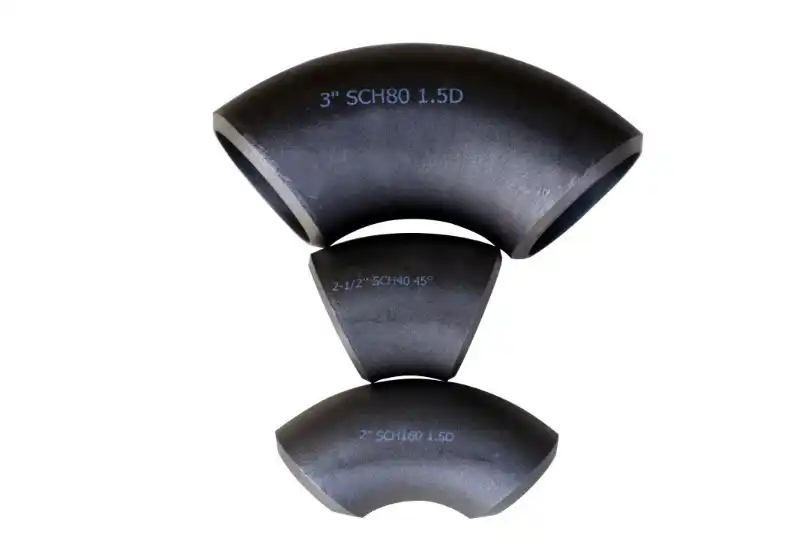
Understanding High-Pressure Carbon Steel Elbows
In pipe systems where gases or fluids must go around turns without stopping the flow, high-pressure carbon steel elbow components play a crucial role as directional components. These fits change the flow paths while keeping the structure strong under tough conditions. This makes them essential in fields where system failure has big safety and financial effects.
Manufacturing Methods and Their Impact on Performance
The way an elbow is made has a big effect on how well it works in high-pressure situations and how strong it is. Seamless carbon steel elbows are made using hot forming methods that get rid of all weld gaps, making the material properties the same all the way through the part. This way of making elbows is better at stopping stress concentration and fatigue cracking, which is especially useful in systems that have to deal with sudden changes in temperature or pressure. Welded elbows, which are made by joining two or more plate pieces together, are cheaper and come in a wider range of sizes, but they need more quality checks at the weld areas. Forged elbows go through controlled mechanical deformation. This creates fine-grained structures that give the joints great strength-to-weight ratios suitable for use with pressures topping 10,000 PSI.
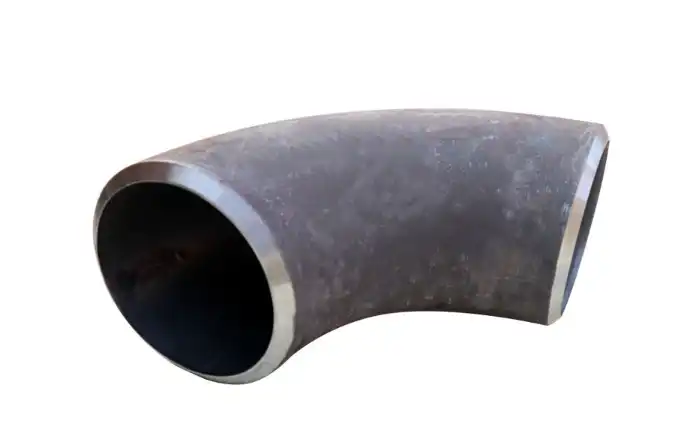
Material Grades and Standards Compliance
Since it has a yield strength of about 35,000 PSI and is easy to weld, ASTM A234 WPB is the most common specification for carbon steel grades used in pressure pipe elbows. This grade of material works effectively in temperatures ranging from -20°F to 650°F, which is enough for most commercial uses. Systems that work at temperatures higher than these may need better materials, like ASTM A860 WPHY grades for better hardness at low temperatures or chromium-molybdenum alloys for use at high temperatures. As long as it meets ANSI/ASME B16.9 standards for dimensions, it's good for hydrocarbon transportation lines, and API 5L approval proves it. Manufacturers with ISO 9001 certification, such as Oudi, make sure that quality is controlled in a planned way throughout the whole production process, from checking the raw materials to doing the final hydraulic testing.
Corrosion Resistance Considerations
When covered or cathodically protected properly, carbon steel elbows are resistant enough to rust for use with non-aggressive fluids and dry gases. When you compare the costs of carbon steel to stainless steel options (usually 40–60% less at first), it makes economic sense to use it in systems where rust rates stay within acceptable limits. Austenitic stainless steel types like 304L and 316L may be worth the extra cost, though, for uses with sour gas, fluids that contain chloride, or coastal settings. By using metallurgical analysis and past performance data to figure out how corrosive your process media are, you can choose materials that are both durable and affordable.
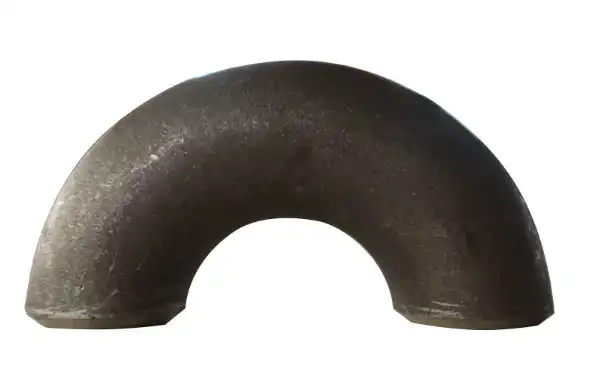
Key Factors to Consider When Choosing a High-Pressure Pipe Elbow
When buying high-pressure elbows, it's important to think about a lot of different technical and practical factors. Engineers and buyers have to look at a lot of different factors that all affect each other to see if a certain elbow design will work safely and effectively for the whole time it's supposed to.
Pressure Rating Assessment
The basic selection factor is to match the elbow pressure class to the design conditions of the system. ASME B16.9 elbows have pressure-temperature ratings that depend on the type of pipe and the grade of the material used. Schedule 80 and Schedule 160 elbows can handle higher pressures. At room temperature, a 6-inch Schedule 80 ASTM A234 WPB elbow can usually handle working pressures of around 2,500 PSI. Schedule 160 models can handle pressures higher than 4,000 PSI. There are safety margins of 25–40% above standard working pressure to account for short-term pressure spikes that can happen during starting, shutdown, or emergencies. Systems that move flexible fluids need to have very low scores because they could release a lot of energy when they fail.
Material Selection Strategy
When deciding between carbon steel, stainless steel, and specialty metals, you have to weigh the costs and efficiency of each. When used in dry, non-corrosive situations, high-pressure carbon steel elbow variants are the best because of their strength and ability to be welded. The material has a coefficient of thermal expansion that is very close to that of carbon steel pipe. This means that there is less thermal stress at the joints. Carbon steel can't handle certain types of fluids, high temperatures, or cleanliness standards. That's when stainless steel is needed. Duplex stainless grades are resistant to rust and have strengths that are close to those of carbon steel. This could allow pressure class decreases that balance out the higher costs of the materials. Ductile iron elbows are used in certain water distribution systems, but they can't be used in industrial high-pressure lines because they can't handle as much pressure and don't last as long.
Manufacturing Process Implications
Whether something is smooth or bonded has a direct effect on how reliable it is and how often it needs to be maintained. Seamless carbon steel elbows get rid of the structural gaps that come with bonded parts, spreading load evenly around the bend radius. This uniform design works especially well in systems with changing pressure, like rotary compressor discharge lines or positive displacement pump circuits. Because seamless elbows have a smooth internal tube, they lower turbulence and keep particles from building up, which could lead to erosion or rust. In steady-state flow situations, welded elbows work well as long as they are made to strict standards and go through a post-weld heat process to relieve stress. Knowing how your system handles dynamic loading will help you choose the right process.
Installation and Maintenance Factors
The type of elbow you choose affects both how hard it is to install and how much it costs to maintain over time. Long-radius elbows (radius equals 1.5 times standard diameter) create less noise and lower pressure drops than short-radius versions. This means that less energy is used for pumping, and the parts last longer. Long-radius configurations, on the other hand, take up more installation room and can make it harder to lay out pipes in crowded places. Preparing for welding depends on the thickness of the wall and the grade of the material. For example, heavy schedules need preheat processes and controlled cooling rates to keep the metal from cracking. When deciding where to put an elbow, it's important to think about how easy it will be for maintenance workers to get to inspection ports and instrument connections. Choosing elbows with the same material grades throughout the system makes it easier to keep track of extra parts and cuts down on the time it takes to get replacements in an emergency.
Comparative Analysis to Support Procurement Decisions
To find your way around a market with lots of competitors, you need fair comparison tools that show you the differences in performance and value that matter. Structured research that shows the trade-offs between different choices on a technical, economic, and supply chain level is helpful for procurement teams.
Carbon Steel Versus Stainless Steel Economics
The biggest difference can be seen in the price. Depending on the grade and the market, stainless steel elbows can fetch prices of 200 to 400%. When lifetime analysis takes into account how often upkeep is done, how much corrosion is allowed, and how often replacements are needed, this cost gap gets smaller. In slightly corrosive settings, carbon steel installations may need to be replaced every 15 to 20 years. Stainless steel parts, on the other hand, usually last longer than 30 years if they are properly maintained. Industries that have to follow strict rules about contamination, like pharmaceutical manufacturing or food processing, can explain the higher cost of stainless steel because it doesn't need to be coated and is easy to validate. In contrast, hydrocarbon processing plants that work with sweet crude oil or dry natural gas have a lower total cost of ownership when they use carbon steel and have the right corrosion tracking tools in place.
Seamless Versus Welded Structural Integrity
In important service applications, seamless building gives you measurable benefits in terms of reliability. Lack of longitudinal weld gaps gets rid of possible metallurgical flaws like lack of fusion, slag inclusions, or heat-affected zone embrittlement that can get missed during factory inspection. A statistical study of failures in petrochemical plants shows that in cyclic pressure service, seamless elbows have failure rates that are about 60% lower than welded peers. This higher level of stability makes seamless specification a good choice for uses where unplanned shutdowns could have serious safety or cost effects. Welded elbows are still a good value for money in circuits that aren't very important, for bigger sizes where seamless manufacturing isn't possible, and for uses with steady operation that don't put too much stress on the parts.
Supplier Credibility and Certification Verification
Picking the right manufacturer is just as important as choosing the right product when it comes to making sure the quality meets the standards of the buyer. ISO 9001 approval is a basic guarantee of systematic quality management, but it doesn't tell you much about a company's technical production skills on its own. The People's Republic of China special equipment manufacturing license shows that pressure vessel rules are being followed and that production processes are being watched over by the government. Suppliers who keep full material traceability—tying finished elbows to specific heat numbers with recorded chemical makeup and mechanical properties—make it possible to check that the products meet the requirements of the standard. Companies like Oudi, which have been making things for 20 years and have export relationships with more than 40 countries, have shown that they can regularly meet foreign quality standards.
Procurement Guide for High-Pressure Carbon Steel Elbows
To be successful at sourcing, you need to find a mix between following technical specifications and business concerns like price, delivery reliability, and after-sales support. Strategic methods for buying minimize supply chain risks that could throw off project plans while maximizing the total cost of acquisition.
Strategic Sourcing Approaches
Global supplier networks give companies access to low prices and specialized manufacturing skills, but they also make quality control and shipping planning more difficult because they are spread out in different places. When you work directly with makers, you don't have to pay markups to distributors, which are usually between 15% and 25% of the cost of the part. You can also get expert advice when writing specifications. Established companies that can make more than 16,000 tons of goods a year can offer economies of scale that lead to better prices on large orders. Online business-to-business (B2B) sites make it easier to find suppliers and compare prices, but for big purchases, factories should be inspected to make sure they have advanced equipment and strict quality control.
Logistics and Delivery Optimization
In project-driven procurement, managing lead times is very important because late deliveries of parts can mess up building plans and cause penalty terms to be activated. Standard-sized elbows made of popular materials usually ship within 4 to 6 weeks. However, custom orders or alloys that aren't used very often may take 12 to 16 weeks, based on the supply of raw materials. Shipping containers from Asian makers to North American destinations takes three to four weeks. Customs clearance can add extra time, depending on how full the paperwork is and how many inspections are needed. Setting up a framework that deals with pre-qualified sellers cuts down on procurement cycles by getting rid of the need to evaluate bids over and over again for the same needs.
Pricing Strategy and Quality Assurance
Volume-based price levels encourage consolidated purchases, which could make it worth it to buy parts for more than one step of a job at the same time. When you buy 50 to 100 pieces, based on the size and complexity of the specifications, you can usually get a 10 to 20 percent discount. But aggressively lowering costs shouldn't mean sacrificing quality control—saved money quickly disappears when bad parts need to be replaced too soon or cause the system to fail. Material test results approved by third-party labs, dimensional inspection records, and hydrostatic test certificates are all concrete proof that the specifications have been met. Payment terms that protect buyers until quality is confirmed, like documentary credits with inspection clauses, lower the risks that come with buying things from other countries.
Custom Manufacturing and OEM Collaboration
Direct communication with makers who have the engineering tools to create custom solutions is helpful for non-standard uses. Custom bend angles, reinforced designs for erosive service, or built-in monitoring ports are all changes that can be easily made by skilled sources like Oudi by working together closely on technology. By sharing specific system working factors like pressure profiles, temperature cycling, fluid makeup, and flow speeds, makers can suggest better designs that might work better than stock goods. When standardizing parts across building portfolios, OEM partnerships are especially helpful because makers can keep specialized tooling and inventory spots that make sure certain combinations will always be available.
Conclusion
To pick the best high-pressure carbon steel elbow, you need to carefully compare the pressure ratings, material qualities, production methods, and supplier skills with the needs of your particular application. In serious, cyclic-loading situations, seamless construction is more reliable, while properly made welded elbows work well in steady-state systems. When you compare the original cost of a component to its lifetime costs for upkeep and replacement, you can see how material and specification choices really affect the economy. Working with well-known companies that have strict quality control systems and full certifications lowers the risk of buying things and ensures that products work the same way over the course of multiple years of projects.
FAQ
What pressure rating should I specify for carbon steel elbows in natural gas transmission?
Depending on the pipeline class and region, natural gas transmission lines usually work at 600 to 1,200 PSI. For most gathering and distribution tasks, Schedule 80 ASTM A234 WPB elbows are enough to handle the pressure with enough room to spare. For trunk lines with a pressure greater than 1,000 PSI, Schedule 160 configurations or higher types of material may be needed. By looking at the API 5L and ASME B31.8 rules, you can make sure that your gas pipeline designs meet the standards for surge pressure during emergency shutdowns.
How do I verify the quality of elbows from international suppliers?
Ask for full paperwork packages that include test reports on the material's chemical makeup, results from tests on its mechanical properties, records of measurements and inspections, and certificates for hydraulic pressure tests. Third-party inspection companies can do pre-shipment checking at the factory, making sure that the product meets all the requirements before it is shipped. Systematic quality control is shown by ISO 9001 certification and special equipment manufacturing licenses. However, plant audits give more information about production skills and quality culture.
Can carbon steel elbows handle sour gas service?
Standard carbon steel can crack under sulfide stress when it comes into contact with hydrogen sulfide. For uses where H₂S levels are higher than 50 ppm, sour service-qualified products that meet NACE MR0175/ISO 15156 norms are usually needed. Better types of carbon steel with controlled hardness or metals that don't rust, like 316 stainless steel or duplex grades, give the needed strength. The right material is chosen with the help of metallurgical advice based on the specific gas makeup, pressure, and temperature conditions.
Partner With Oudi for Your High-Pressure Carbon Steel Elbow Requirements
Since 1998, Oudi has been making precision-engineered pipe fittings for over 300 users in 40 countries. They offer full solutions in carbon steel, stainless steel, and alloy steel. Our factory is ISO 9001-certified and can make up to 16,000 tons of high-pressure carbon steel elbow products every year. They use high-tech testing tools to make sure that every elbow meets ANSI, JIS, DIN, and BS standards. As a verified maker of high-pressure carbon steel elbows with licenses to make unique tools, we can track all of our materials, make changes to your order, and offer expert advice throughout the whole process. Contact our engineering team at oudi-04@oudiguandao.com to talk about your unique system needs and get full quotes based on our decades of experience in oil, chemical, natural gas, and power generation applications.
References
1. American Society of Mechanical Engineers. (2020). ASME B16.9: Factory-Made Wrought Buttwelding Fittings. New York: ASME Press.
2. American Petroleum Institute. (2019). API Specification 5L: Specification for Line Pipe (46th ed.). Washington, DC: American Petroleum Institute.
3. ASTM International. (2021). ASTM A234/A234M: Standard Specification for Piping Fittings of Wrought Carbon Steel and Alloy Steel for Moderate and High Temperature Service. West Conshohocken, PA: ASTM International.
4. Nayyar, M. L. (2019). Piping Handbook (8th ed.). New York: McGraw-Hill Education.
5. Peng, L. C., & Peng, T. L. (2021). Pipe Stress Engineering. Houston: ASME Press.
6. Singh, R., & Solanki, K. (2018). Materials Selection for Corrosion Control in Oil and Gas Production. Houston: NACE International.

Need help finding the right solution with our experts. Please contact us.

SINCE 1998 Your Reliable Pipeline Manufacturer



