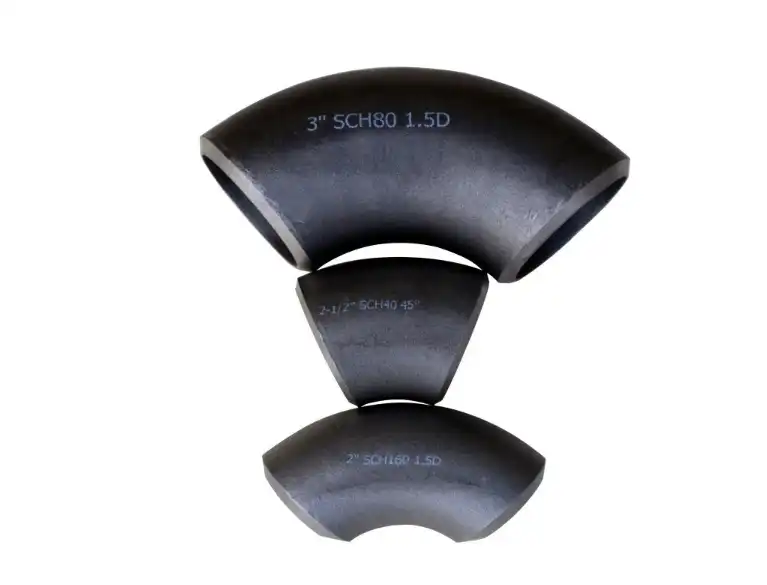
Corrosion Resistance: Long Radius Elbows vs. Standard Fittings
Corrosion control is an important part of industrial piping design, but corrosion performance cannot be judged by fitting geometry alone. The fluid being transported, material grade, temperature, pressure, flow velocity, surface condition, and fabrication quality all affect how quickly a piping component may deteriorate. This becomes especially important in chemical processing, water treatment, oil and gas, power generation, and other systems where piping is exposed to aggressive media or continuous operation.
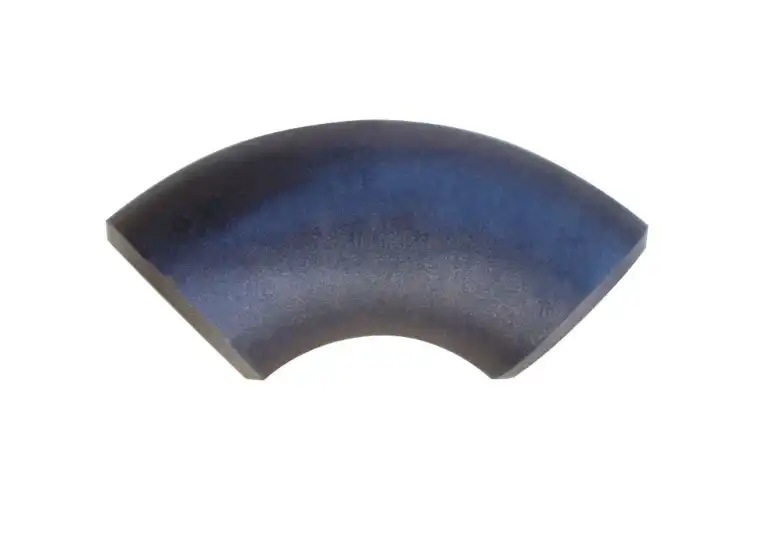
Within this broader design picture, long radius elbows can offer a useful advantage when flow behavior is an important consideration. Their larger centerline radius allows the fluid to change direction more gradually than it would through a tighter bend. Geometry may help avoid abrupt flow direction changes, restrict certain regions of high turbulence and wall impact, and help manage erosion-corrosion or deposit-related issues in appropriate applications. But it is necessary to separate these advantages linked to flow from the underlying corrosion resistance of the material. A long-radius elbow manufactured from a poor material will still corrode quickly, while a correctly chosen material will operate well even in a more compact fitting.
So for engineers and buying teams, the key issue is not merely whether one elbow form is “more corrosion resistant.” The practical question is whether the combination of bend radius, material, wall thickness, surface condition, and operating environment provides enough margin for the required service. Long radius elbows may help reduce corrosion in the cases below; in others, material selection or other design considerations are more significant.
How Elbow Geometry Influences Corrosion Behavior?
A Larger Bend Radius Creates a More Gradual Flow Path
When the fluid within a pipe changes direction, the flow does not instantaneously follow the new direction in a totally uniform way. In the bend, secondary flow, velocity differences, and local turbulence might arise. These effects are more apparent if the change of direction is particularly rapid or if there are abrasive particles in the fluid.
The transition from the incoming to the outgoing pipe portions of a large-radius elbow is more gradual. The broader curve does not eliminate turbulence, but it may provide a less abrupt shift in flow than a narrower radius fitting. This difference is important for services where erosion-corrosion might be caused by high velocity, suspended materials, or aggressive fluids.
The advantage is of particular interest if corrosion and mechanical wear occur at the same time. For example, a fluid containing sand or other solid particles may slowly erode protective surface layers and expose new metal to the process fluid. Under such situations, the reduction of significant variations in flow direction might aid in reducing localized wall assault. The elbow shape is therefore best seen as part of an overall corrosion management plan and not as a standalone corrosion-resistant characteristic.
Flow Conditions Can Affect Localized Surface Attack
Corrosion in a pipe system is seldom consistent throughout. Degradation may be quicker in certain places due to deposits, sluggish flow, high velocity, entrained particles, or changes in the chemistry of the fluid. Special attention should be paid to elbows, as they modify the direction and distribution of flow.
A tighter fit may cause larger local flow disruptions. A long radius arrangement often allows the fluid more room to change direction. Under suitable operating circumstances this may lessen the intensity of localized wall impact and aid in limiting erosion-corrosion processes. But the impact is strongly dependent on the actual flow velocity and process parameters.
Therefore, the engineer should not assume that the installation of a large-radius elbow would instantly cure an interior corrosion issue. If the fluid is very hostile, includes large concentrations of chlorides, works at high temperatures, or has a chemistry incompatible with the specified alloy, the material itself might still be the primary factor. Geometry may affect the environment the metal is in, but it cannot fix problems caused by bad material choices.
Pressure Loss and Corrosion Should Be Considered Together
Bend geometry also influences pressure loss. A more gradual elbow typically has less flow resistance than a tighter elbow of the same nominal size, but the actual pressure-loss difference is dependent on the fitting design and the operating circumstances. Less resistance may be helpful in systems where energy efficiency and consistent flow are crucial.
From a corrosion standpoint, the link is indirect. Changes in pressure loss do not always imply changes in corrosion rates, although unstable flow, high velocity, and local turbulence may cause mechanical damage to interior surfaces. When erosion and corrosion happen at the same time, it is even more critical to maintain a proper flow regime.
In this regard, the choice of elbows must be assessed along with the velocity restrictions of the system, the fluid properties, and the hydraulic needs. A large-radius elbow may provide a smoother flow channel, but the overall corrosion performance is still dependent on the complete piping system operating under suitable design conditions.
Material Selection Still Determines Fundamental Corrosion Resistance
Carbon Steel and Stainless Steel Serve Different Conditions
The most crucial difference between fitting geometry and corrosion resistance is the compatibility of the material. Long radius elbows may be made of carbon steel, stainless steel, alloy steel, and other materials. The chemical resistance of the material does not alter only because an elbow has a big radius.
Carbon steel is commonly utilized in industrial plumbing applications due to its mechanical qualities, availability, and cost efficiency. However, in corrosive settings, carbon steel may need coatings, lining systems, corrosion inhibitors, regulated operating conditions, or a suitable corrosion allowance. The suitability of these measures will be dependent on the unique process environment.
Stainless steel has better corrosion resistance to various types of corrosion due to its alloy composition and passive surface layer. However, various stainless grades will respond differently, and no one grade can be considered universally resistant to all chemical environments. Aggressive media such as chloride-containing fluids, high temperatures, and acidic environments may necessitate cautious grade selection.
So for an engineer comparing large-radius elbows with tighter fits, the material consideration should come first. If corrosion is the major issue, a long-radius carbon steel elbow and a short-radius stainless steel elbow are not comparable without taking the geometry into account. Their chemical resistance, mechanical qualities, manufacturing requirements, and projected service conditions might be highly diverse.
Temperature and Fluid Chemistry Change the Corrosion Picture
With rising operating temperature or changing fluid chemistry, the corrosion behavior might alter dramatically. A material that works well at moderate temperatures may not do so at higher temperatures, especially if acids, chlorides, dissolved gases, or other hostile ingredients are present.
Flow is the same. Increasing the velocity might improve erosion potential. Very low velocity may induce sedimentation or stagnant regions. You shouldn’t judge the extreme in isolation from the fluid mix.
Therefore, while choosing long-radius elbows, engineers should examine the whole working environment and not depend on a blanket assumption that one material or elbow form is corrosion resistant. The selection is based on the kind of fluid, its concentration, the temperature range, the pressure, the flow velocity, the presence of particulates, and the projected period of operation.
Wall Thickness and Corrosion Allowance Matter as Much as Geometry
Wall thickness also has a role in how long a fitting may be used. If corrosion is anticipated throughout the design life of a system, engineers may include a suitable corrosion allowance in the pipe design. The actual need is dependent on the process circumstances, material, relevant design code, and project requirements.
This is also another reason why large-radius elbows are falsely referred to as “more durable.” A fitting that has good geometry but does not have appropriate wall thickness for its environment may not achieve its expected service life. On the other side, a well-designed fitting may operate dependably, provided that material and thickness are sufficient for the expected deterioration processes.
For procurement teams, material certifications, dimensional records, wall-thickness requirements, and related specifications should be evaluated simultaneously. This gives a better foundation for the evaluation of corrosion performance than the bend radius alone.
Manufacturing Quality Can Influence Long-Term Performance
Dimensional Accuracy Supports Predictable Installation
Long radius elbows are commonly manufactured to recognized piping standards, depending on the project and fitting type. ASME B16.9, for example, covers factory-made wrought butt-welding fittings and provides requirements relating to dimensions and related characteristics. Material specifications such as ASTM A234 and ASTM A403 address particular categories of alloy and stainless steel pipe fittings.
Compliance with the relevant standard helps establish a consistent manufacturing baseline, but it should not be confused with a guarantee of corrosion resistance. A standard can define dimensions, material requirements, and manufacturing expectations, while the actual corrosion performance still depends on whether the selected material is appropriate for the service environment.
Accurate dimensions are nevertheless important because poor fit-up can create additional fabrication problems. Misalignment, excessive welding stress, or an inconsistent transition between the pipe and elbow can affect the finished piping system. Proper dimensional control therefore contributes to predictable installation and helps prevent avoidable mechanical issues.
Welding and Surface Condition Deserve Attention
Because many industrial elbows are installed through butt welding, fabrication quality can influence the final condition of the piping system. Welding introduces localized heating and may alter the microstructure or surface condition of the material. Depending on the alloy and service environment, post-weld treatment or appropriate surface restoration may be required.
For stainless steel, surface contamination or poor post-weld cleaning can compromise the condition of the passive surface. In other materials, weld-related changes can also influence susceptibility to certain degradation mechanisms. These issues are not solved by increasing the elbow radius.
A corrosion-conscious procurement process should therefore consider how the fitting is manufactured, finished, inspected, and prepared for installation. Where the application is demanding, documentation such as material certificates, inspection records, dimensional reports, and relevant test documentation can provide more useful evidence of product quality than marketing claims about durability.
Surface Protection Can Strengthen Corrosion Control
Coatings and Finishing Methods Have Specific Roles
Surface treatment can provide an additional layer of protection when the base material and process conditions call for it. Carbon steel fittings, for example, may be supplied with coatings intended to separate the metal from moisture or corrosive environments. Stainless steel components may undergo cleaning or passivation processes designed to support the condition of the protective passive surface.
The appropriate treatment depends on both the substrate and the application. A coating selected for an external atmospheric environment may not be suitable for direct exposure to an aggressive process fluid. Similarly, a surface treatment appropriate for stainless steel cannot simply be transferred to carbon steel without considering the material and service conditions.
For this reason, surface treatment should be considered as part of a complete corrosion-control system rather than as an independent feature of long radius elbows. Material compatibility, coating compatibility, preparation quality, application conditions, and inspection all influence the result.
Clean Internal Surfaces Can Reduce Deposit-Related Problems
Deposits can create localized chemical environments that differ from the main process fluid. Once particles accumulate on an internal surface, they may retain moisture or corrosive constituents against the metal and contribute to localized attack.
The gradual flow path associated with long-radius elbows may help reduce the tendency for certain solids to collect compared with tighter changes in direction, particularly when the system is properly sized and operated. However, deposit behavior is strongly dependent on fluid properties, particle size, density, velocity, and piping orientation.
This distinction is important because it prevents overstatement. Long radius geometry can support favorable flow behavior, but it cannot guarantee a clean internal surface in a process that naturally produces heavy deposits. In such systems, operating conditions, flushing arrangements, filtration, cleaning procedures, and material selection may have a greater effect on corrosion control.
Long Radius Elbows and Tighter Fittings: Which Should You Choose?
Long Radius Designs Are Valuable When Flow Conditions Matter
A long-radius elbow is often a practical choice when the piping layout has sufficient space and the process places a premium on smoother directional changes. Chemical processing lines, utility systems, water systems, and applications involving suspended particles may benefit from the hydraulic characteristics of a gradual bend.
The main value is not that the elbow material suddenly becomes more resistant to chemical attack. Instead, the geometry can help reduce some flow-related contributors to erosion, turbulence, and deposit accumulation. When combined with a compatible material and suitable operating conditions, that can support a more robust piping design.
For systems that operate continuously, these factors can matter because even relatively small areas of localized damage may become important over a long service period. Reducing unnecessary mechanical interaction between the fluid and pipe wall is therefore a sensible design objective.
Compact Fittings Can Still Be Appropriate
A tighter fitting should not automatically be considered a poor choice. Space constraints, equipment connections, routing requirements, installation access, and project cost can all influence fitting selection. In some systems, a compact elbow may be the only practical way to achieve the required layout.
If the process fluid is relatively clean, the velocity is controlled, and the selected material is compatible with the service environment, a tighter fitting may perform satisfactorily. The key is to understand what is driving the corrosion risk before choosing the component.
For example, if the primary concern is chemical attack from an aggressive fluid, changing from a tighter elbow to a long-radius elbow may provide only limited improvement if the underlying material remains unsuitable. In that situation, selecting a more compatible alloy, improving surface protection, or changing the corrosion-control strategy may be more effective.
Conclusion
Corrosion performance in industrial piping is influenced by material compatibility, process chemistry, temperature, flow conditions, wall thickness, manufacturing quality, and surface condition. Elbow geometry is another important consideration, particularly when erosion, turbulence, or deposit accumulation may contribute to localized damage.
With their gradual directional change, long radius elbows can provide more favorable flow characteristics than tighter fittings in suitable applications. Their larger bend radius may reduce abrupt flow disturbances and help limit certain flow-related forms of erosion-corrosion, but these benefits should not be mistaken for inherent chemical corrosion resistance. The selected material remains fundamental to how the fitting responds to the process environment.
For engineers and procurement teams, the most reliable approach is to evaluate the elbow as part of the complete piping system. Reviewing the fluid, temperature, pressure, velocity, material grade, wall thickness, applicable standards, surface treatment, and fabrication requirements provides a stronger basis for selection than comparing bend radius alone. When these factors are matched correctly to the operating conditions, long-radius elbows can contribute to a more reliable and maintainable piping design while helping reduce avoidable flow-related damage.
For more information on how our long-radius elbows can benefit your piping systems, please contact us at oudi-04@oudiguandao.com.
References
1. Smith, J.R. and Johnson, A.B. (2019). "Corrosion Resistance in Industrial Piping Systems: A Comparative Study of Elbow Designs." Journal of Materials Engineering and Performance, 28(4), pp. 2145-2160.
2. Chen, X., et al. (2020). "Flow Characteristics and Corrosion Behavior in Long Radius Elbows vs. Standard Fittings." Corrosion Science, 164, 108342.
3. Williams, P.D. and Thompson, R.C. (2018). "Material Selection for Corrosion-Resistant Piping Components in Chemical Processing Industries." Materials and Corrosion, 69(11), pp. 1528-1542.
4. Gonzalez, M.A., et al. (2021). "Impact of Bend Radius on Fluid Dynamics and Corrosion in Industrial Piping Systems." International Journal of Pressure Vessels and Piping, 192, 104364.
5. Lee, K.S. and Park, J.H. (2017). "Stress Distribution Analysis in Long Radius Elbows and Its Implications for Corrosion Susceptibility." Engineering Failure Analysis, 82, pp. 818-830.
6. Rodriguez, E.F. and Martinez, L.A. (2022). "Advanced Surface Treatments for Enhanced Corrosion Resistance in Long Radius Elbows." Surface and Coatings Technology, 429, 127943.

Need help finding the right solution with our experts. Please contact us.
SINCE 1998 Your Reliable Pipeline Manufacturer