Differences Between Seamless and Welded Reducer Fittings
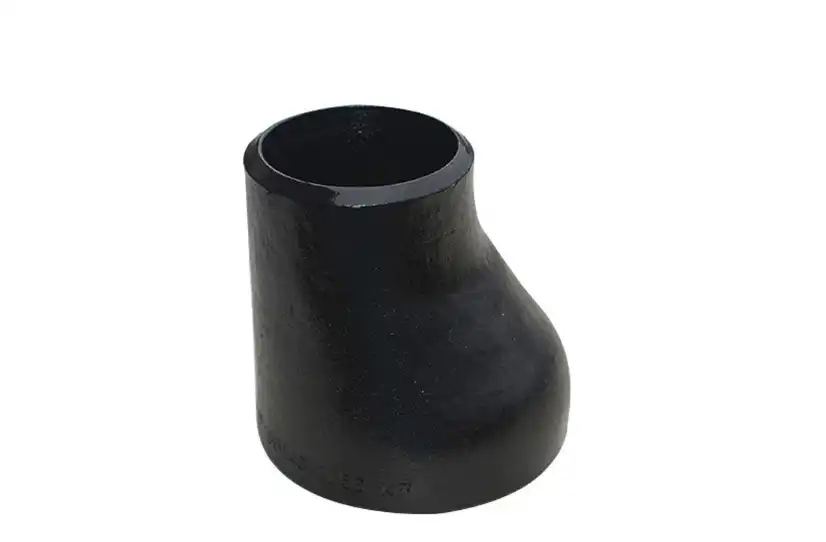
A reducer fitting connects pipes of different diameters while providing a controlled transition between them. This change in pipe size is important for maintaining the required flow characteristics and connecting equipment with different inlet or outlet dimensions. Among the options available for industrial piping, seamless and welded reducer fittings are two common constructions that engineers and buyers may need to compare. The main difference is how the fitting is manufactured. A seamless reducer fitting is produced without a longitudinal welded seam in the fitting body, while a welded reducer is manufactured by forming material and joining it through welding. This variation may influence production procedures, inspection requirements, cost, and appropriateness for certain operating situations. However, this does not imply that one kind is inevitably acceptable for every application. It’s not just a matter of whether you have a weld or not. You need to combine the pressure and temperature requirements, material grade, wall thickness, appropriate standards, pipe size, service medium, installation circumstances, and project budget. Knowing these things helps you choose a reducer that will provide you the performance needed without adding excessive expenditure.
Understanding Seamless and Welded Reducer Construction
How Seamless Reducer Fittings Are Manufactured?
Seamless reducer fittings are usually manufactured from seamless pipe or tube material and then shaped into the desired reducer shape. The forming process may entail heating and mechanical deformation followed by sizing, heat treatment, machining, and inspection, depending on the material, size, and production specification.
The significant feature is that there is no longitudinal welded seam in the body of the reducer. This offers a continuous metal framework around the perimeter of the fitting and removes the weld zone associated with a welded design.
But the seamlessness does not imply the fitting may be regarded as defect-free or automatically stronger under all conditions. Final performance is directly affected by material quality, forming method, heat treatment, wall thickness, dimensional correctness, and conformity with the appropriate specification.
This is a key difference for purchasers since the word “seamless” refers to the process of construction and not a particular pressure grade. Always verify the actual rating against the standard applicable, the material of the fitting, and the dimensions.
How Welded Reducer Fittings Are Produced?
Welded reducer fittings are created by shaping plate, sheet, or welded pipe to the appropriate shape and welding the shaped portions. Depending on the design and the technique of manufacture, the fitting may have one or more weld seams.
Modern welding technologies are capable of producing reliable junctions if adequate protocols are followed, trained workers are utilized, acceptable filler materials are used, and thorough inspection is made. Therefore, welded construction is not just an inferior option to seamless construction. Welded fittings are often adopted in many industrial pipe systems because they provide practical production and economic benefits over the necessary criteria.
Another area that has to be managed is the weld itself. Depending on the material and service circumstances, welding may influence the local microstructure and need preheating, post-weld heat treatment, or extra non-destructive inspection.
This is one reason why purchasers should check beyond the phrase “welded” and inquire how the fitting was made, what standard it satisfies, and what inspection records are available.

Where the Two Types Differ in Actual Service?
Pressure Capability Depends on More Than Seamless Construction
As a general rule, it is assumed that a seamless reducer will always take a greater pressure than a welded reducer. The truth is more complex.
The seamless design of a seamless reducer fitting eliminates the longitudinal weld seam of the fitting body, which might be helpful in situations where pressure integrity and resistance to cyclic stress are critical. However, the maximum pressure of a reducer is limited by the strength of the material, wall thickness, diameter, temperature, geometry, and requirements of the applicable pipe code or fitting standard.
A welded reducer constructed to the correct standard may also be used for difficult pressure applications if its design and manufacturing quality comply with the relevant criteria. The weld should be made and examined correctly and any necessary heat treatment or testing carried out.
Thus, engineers should not choose a reducer just because it’s called seamless. The right way is to check the real design circumstances and compare the product documentation with the project requirements.
Temperature and Thermal Cycling Considerations
Temperature is particularly significant for pipe systems that are subject to recurrent heating and cooling. Thermal expansion and contraction may induce strains that can increase with time, especially at geometric discontinuities or within regions with dissimilar material characteristics.
The reduction body is made using a seamless reducer, eliminating the welded seam, which may make weld quality concerns easier. But it does not relieve thermal stress and does not itself provide improved fatigue life. The whole plumbing design comprising supports, expansion, wall thickness, material grade, and operation cycle has a much higher effect on long-term behavior.
Welded reducers may also be utilized in high-temperature service if the material and welding technique are compatible with the service environment. Engineers may need more weld scrutiny and stricter controls on production for sensitive applications.
Thus, when temperature is a primary issue, the best question is not only “seamless or welded?” but rather whether or not the full fitting specification and production procedures are acceptable for the predicted service.
Corrosion Resistance Is Primarily a Material Issue
The original text fails to mention that seamless reducers are more corrosion-resistant than welded reducers. This is overly general.
The corrosion resistance is governed mostly by the material and the environment in which the fitting will be used. The corrosion behavior of stainless steel, nickel alloys, carbon steel, and other materials is highly different whether it is a seamless fitting or a welded fitting.
Welding may produce a local heat-affected zone. In certain materials this may need to be carefully controlled. The microstructure of the heat-affected zone may be different from the base material. So surface condition, heat treatment, welding process, and post-fabrication treatment may matter in corrosive service.
A seamless reducer does not have a longitudinal weld seam but may still be affected by general corrosion, pitting, erosion, or other kinds of material deterioration if the material is not appropriate for the process medium.
Material compatibility should thus be considered before building type, which is the decisive factor for chemical processing, offshore service, water treatment, and other corrosive situations.
Cost, Availability, and Manufacturing Considerations
Why Welded Reducers Can Be More Economical?
Cost is often one of the strongest reasons for choosing welded construction. Manufacturing from plate or other suitable material can provide greater flexibility, particularly for larger diameters or certain customized dimensions. Depending on the material and production volume, welded fabrication may also reduce material and manufacturing costs.
This can make welded reducers attractive for projects where operating conditions are moderate and the applicable specifications permit their use. Lower purchase cost can be particularly important on large piping projects where hundreds or thousands of fittings may be required.
However, the purchase price of a Seamless Reducer Fitting should not be considered in isolation. If a welded fitting requires additional inspection, heat treatment, special welding procedures, or more complex documentation, the final project cost may be higher than the initial quotation suggests.
When Seamless Construction Can Justify a Higher Price?
Seamless reducers can cost more because their manufacturing process and available size range may involve more specialized production. Material utilization, forming requirements, heat treatment, and availability can all affect the final price.
The additional cost can nevertheless make sense when the application places greater emphasis on pressure integrity, demanding service conditions, or reduced reliance on weld quality in the fitting body. In critical systems, avoiding a potentially vulnerable longitudinal weld may also simplify certain design and inspection considerations.
The key is to connect the additional purchase cost with an actual engineering requirement. If the system does not benefit from seamless construction, paying a premium simply for the word “seamless” may not provide meaningful value.
Availability Can Influence the Final Decision
Availability is another practical consideration that is sometimes overlooked during design. Standard carbon steel welded and seamless reducers may both be readily available in common sizes, while less common dimensions, wall thicknesses, or alloy grades can have different lead times.
A project with a strict installation schedule may therefore need to consider supplier inventory and manufacturing capacity as early as possible. If a particular seamless size requires a long production period, a compliant welded alternative may be worth evaluating. Conversely, if the project specification requires seamless construction, substituting a welded product simply because it is easier to obtain may not be acceptable.
Early communication with the supplier can help clarify available sizes, material grades, wall thicknesses, test requirements, and expected delivery schedules before the purchase order is finalized.
Selecting the Right Reducer for an Industrial Piping System
Start With Pressure, Temperature, and Fluid Conditions
The first step is to establish the actual service conditions. The design pressure, operating temperature, pressure fluctuations, flow medium, and expected service life should be clearly defined before comparing reducer constructions.
For high-pressure oil and gas systems, chemical processing lines, power-generation piping, and other critical services, seamless construction may be preferred when it aligns with the applicable engineering specification. In less demanding systems, a properly manufactured welded reducer may provide the required performance at a lower cost.
The important point is that the construction type should follow the engineering requirements rather than replace them.
Confirm Material Grade and Compatibility
Material selection is equally important. Carbon steel may be suitable for many general industrial applications, while stainless steel or alloy materials may be required for elevated temperatures or corrosive media.
The reducer material should be compatible with the connected pipe and the process conditions. Differences in material grade can affect welding procedures, thermal expansion, corrosion behavior, and long-term service performance.
Buyers should also confirm the material certificates and product documentation supplied with the fittings. For critical applications, traceability from raw material through manufacturing and final inspection can provide additional assurance.
Check Dimensions and Applicable Standards
A reducer is not simply a component that changes pipe diameter. A seamless reducer fitting must have outside dimensions, wall thickness, end preparation, overall length, and material specifications that are compatible with the rest of the piping system.
For butt-weld fittings, standards such as ASME B16.9 may define dimensional and manufacturing requirements for factory-made wrought fittings. Other standards and project specifications may apply depending on the material, application, country, and piping code.
Before ordering, the engineering team should confirm the required nominal pipe sizes, reducer configuration, wall thickness or schedule, material grade, end preparation, and applicable standard. This helps prevent problems such as dimensional mismatch, unsuitable material, or additional fabrication work during installation.
Consider Inspection and Documentation Requirements
Inspection requirements can differ according to the application and the construction method. Welded reducers may require examination of weld seams using appropriate non-destructive testing methods when required by the specification or project quality plan.
Seamless reducers also require inspection. Dimensional checks, visual examination, material verification, mechanical testing, and other tests may be required depending on the applicable standard and purchase specification.
For critical projects, buyers should ask the manufacturer what inspection documents are available and whether the supplied fittings can be traced to their material certificates and production records. A reliable supplier should be able to explain its quality-control process rather than simply state that the product is “high quality.”
Seamless vs. Welded Reducers: Which One Should You Choose?
There is no universal answer that makes seamless reducers better for every project. A seamless reducer can be a strong choice when the application places particular demands on pressure integrity, material continuity, or service reliability, especially when the project specification calls for seamless construction.
Welded reducers can be a practical alternative when the operating conditions are suitable and the product is manufactured, welded, inspected, and documented according to the required standards. Their cost and manufacturing flexibility can be valuable for large projects and applications where extreme service conditions are not present.
The decision should therefore be based on the complete operating picture rather than on construction type alone. Pressure and temperature, material compatibility, pipe dimensions, inspection requirements, availability, installation conditions, and total project cost should all be considered before placing an order.
For procurement teams, this approach also makes supplier comparison easier. Instead of comparing quotations only by unit price, it is better to compare material grade, applicable standard, manufacturing method, testing scope, documentation, lead time, and technical support. This provides a clearer picture of the actual value of each reducer fitting.
Conclusion
When comparing seamless and welded reducer fittings, the main difference lies in their construction and manufacturing method, but that difference should not be treated as the only measure of performance. A seamless reducer fitting eliminates the longitudinal weld seam from the fitting body and can be well suited to demanding piping applications where seamless construction is specified or provides a practical engineering advantage. Welded reducers, meanwhile, can offer useful cost and manufacturing flexibility when their design and weld quality meet the requirements of the intended service.
The best choice depends on the actual piping system. Pressure, temperature, material compatibility, dimensional requirements, applicable standards, inspection procedures, availability, and long-term operating conditions should all be evaluated together. By considering these factors before purchasing, engineers and buyers can select reducer fittings that provide the required reliability while avoiding unnecessary material or manufacturing costs. For expert guidance on selecting the right reducer fittings for your needs, contact Cangzhou Oudi Pipe Manufacture Co., Ltd. at oudi-04@oudiguandao.com.
FAQ
1. What is the main difference between seamless and welded reducer fittings?
Seamless reducer fittings are made from a single piece of metal without welded seams, while welded reducer fittings are formed from metal sheets or plates welded together.
2. Which type of reducer fitting is better for high-pressure applications?
Seamless reducer fittings are generally preferred for high-pressure applications due to their superior strength and lack of potential weak points at weld seams.
3. Are welded reducer fittings less expensive than seamless ones?
Yes, welded reducer fittings are typically less expensive due to simpler manufacturing processes and lower material costs.
4. How do seamless and welded reducer fittings compare in terms of corrosion resistance?
Seamless reducer fittings often offer better corrosion resistance due to their uniform material composition and lack of weld seams that could be vulnerable to localized corrosion.
References
1. Smith, J. D. (2018). "Comparative Analysis of Seamless and Welded Pipe Fittings in Industrial Applications." Journal of Pressure Vessel Technology, 140(3), 031301.
2. Johnson, R. M., & Thompson, L. K. (2019). "Performance Evaluation of Reducer Fittings in High-Pressure Piping Systems." International Journal of Pressure Vessels and Piping, 172, 220-228.
3. Brown, A. C. (2020). "Materials Selection for Seamless and Welded Reducer Fittings in Corrosive Environments." Corrosion Science, 165, 108412.
4. Davis, E. F., & Wilson, G. H. (2017). "Cost-Benefit Analysis of Seamless vs. Welded Fittings in Industrial Piping Design." Journal of Manufacturing Processes, 30, 495-503.
5. Lee, S. Y., & Park, H. J. (2021). "Fatigue Life Assessment of Seamless and Welded Reducer Fittings Under Cyclic Loading." Engineering Failure Analysis, 120, 105105.
6. Martinez, C. R., & Rodriguez, N. E. (2019). "Quality Control Methods for Seamless and Welded Reducer Fittings: A Comparative Study." NDT & E International, 102, 175-183.

Need help finding the right solution with our experts. Please contact us.
SINCE 1998 Your Reliable Pipeline Manufacturer