Durable CS Elbows for Corrosive Applications
Corrosion-resistant carbon steel elbows are reliable options for tough industrial settings where harsh chemicals, high temperatures, Corrosion-resistant carbon steel elbow and lots of water can damage pipelines. These custom-made butt-welding fittings change the direction of fluid flow at pipeline turns and can withstand toxic forces that would destroy regular parts very quickly. Corrosion-resistant carbon steel elbows last a long time in oil refineries, chemical processing plants, and offshore sites where downtime costs thousands of dollars per hour. This is possible by carefully choosing the materials, coatings, and manufacturing methods that are used.
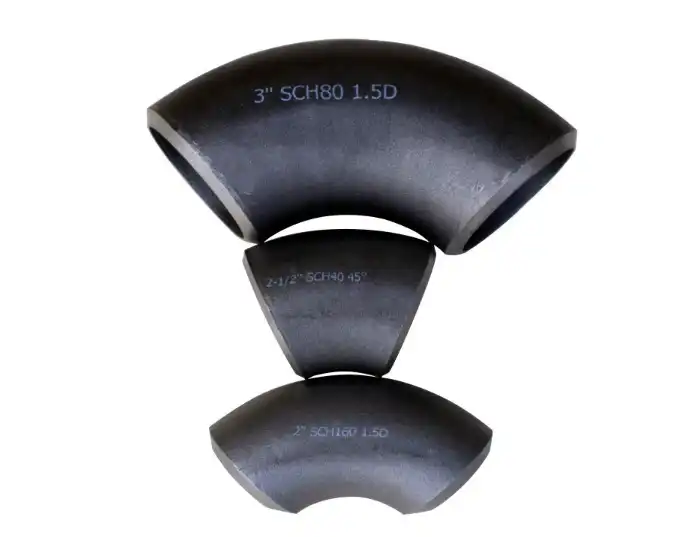
Understanding Corrosion-Resistant Carbon Steel Elbows
Carbon steel pipe elbows serve as directional connectors in piping systems, redirecting fluid or gas flow without compromising structural integrity. At pipeline turns where flow direction changes, these fittings accommodate angles typically ranging from 45 to 90 degrees. Unlike standard carbon steel components, corrosion-resistant variants incorporate enhanced material properties and protective treatments designed specifically for hostile operating conditions.
Material Composition and Enhancement Methods
Choosing the right base material is the first step in making something resistant to rust. ASTM A234 WPB is the most common grade for carbon steel elbows used in corrosive environments because it has good mechanical qualities and can be welded. This grade has the right amount of carbon, manganese, phosphorus, and sulphur to make it strong while still being flexible. Manufacturing methods have a big effect on how well something resists corrosion. For example, elbows made by hot forming are more resistant than welded ones because they don't have a seam line where galvanic corrosion can start. Surface treatments make the base metal even more resistant. High-quality industrial black lacquer makes a barrier against moisture that works well in moderate settings. Specialised anti-rust oils go deep into surface irregularities to stop oxidation while the item is being stored or shipped. Hot-Dip Galvanising that meets ASTM A153 standards is good for projects that will be exposed to harsh corrosives because it bonds a zinc covering to the steel surface through a metallurgical reaction. Another layer of protection is epoxy coatings, which work especially well against chemical attacks in processing plants.
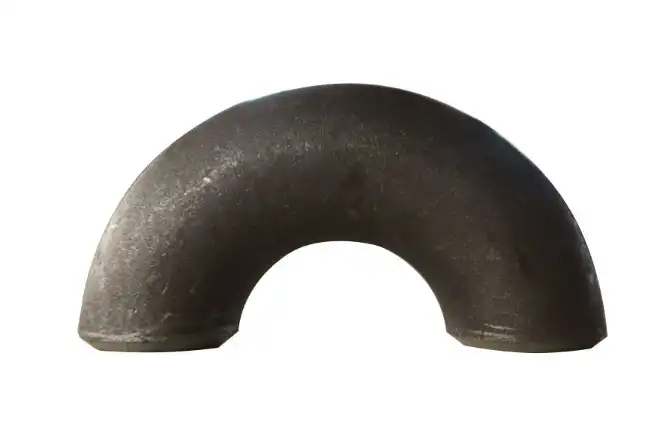
Corrosion Mechanisms and Operating Parameters
Knowing how corrosion attacks carbon steel helps procurement teams choose the right safety steps. When oxygen and water react with iron, uniform corrosion slowly wears away the material across the exposed areas. Pitting corrosion is an electrochemical attack that causes localised failures. In chemical or marine settings, chloride ions often speed up the process. Galvanic corrosion happens when two different metals come into contact with each other in conductive solutions. This creates an electrical current flow that breaks down the anodic material. Corrosion rates and material choice are directly affected by temperature. Carbon steel elbows usually work well up to 400°C in environments that don't oxidise, but when air and moisture are present, corrosion starts to speed up around 250°C. When using chemicals in plants, you need to think about both the ambient temperature and the temperature of the process fluid. This is especially important when thermal cycling causes stress cracks to form at the coating surfaces.
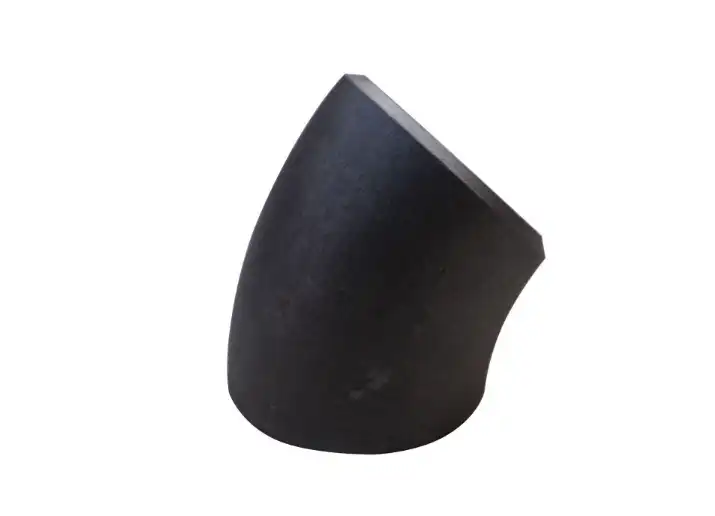
Benefits and Applications of Corrosion-Resistant Carbon Steel Elbows
Corrosion-resistant carbon steel bends have strategic benefits that Corrosion-resistant carbon steel elbow go beyond just lasting a long time. Cost-effectiveness is very important. Carbon steel parts are strong mechanically and cost about 40% less than similar stainless steel parts. This makes them economically possible for large-scale projects that involve kilometres of pipeline. When proper corrosion protection is used, maintenance intervals are greatly increased. This reduces operating interruptions and inspection costs throughout the lifecycles of facilities.
In tough situations, carbon steel stands out because it can withstand pressure and still work well. The material can bear pressures of more than 3,000 psi and keeps its shape even when the temperature changes. In oil and gas gearboxes, where pressure surges happen during startup processes or emergency shutdowns, this toughness is very important.
In a lot of industrial places, the conditions are so bad that equipment doesn't work right. In chemical plants, acids, alkalis, and liquids are moved around by pipes. Bends made of carbon steel keep the lines safe from damage from the process fluids. In oil plants, these valves are used in units for crude distillation, catalytic crackers, and hydrotreating. These methods are corrosive because they use hydrogen sulphide and naphthenic acids. In plants that handle natural gas, carbon steel elbows are used in amine treating units and dehydration systems. These are used in places where acidic air and water would quickly rust metals that aren't protected.
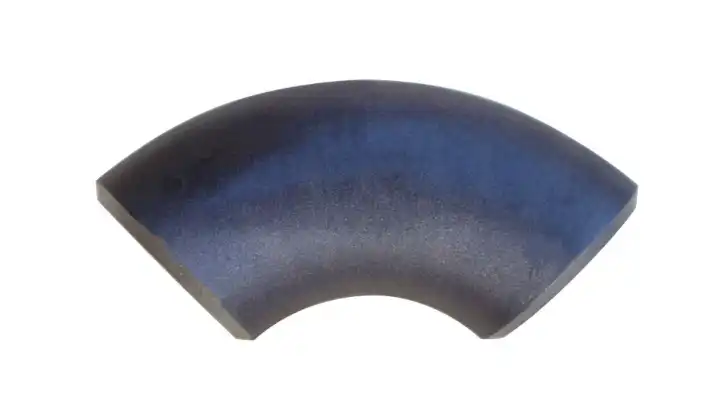
These parts are used in water treatment buildings like sewer networks, desalination plants, and water delivery networks. They make corrosion happen because they have bacteria, chlorine, and dissolved oxygen in them. Carbon steel elbows are used in boiler feed systems, condensate return lines and tools for desulfurising flue gas in power plants. These elbows have to be able to handle both chemical and temperature stress.
Strategies for maintenance have a direct effect on how long an object lasts and how much money it makes back. Visual inspections done on a regular basis can find coating degradation before it affects the substrate. This lets the coating be applied again in time, which avoids having to repair the expensive part. Ultrasonic thickness readings keep track of how much material is being lost, which is useful for planning preventative maintenance. In buried or submerged uses, cathodic protection systems work with coatings to keep things safe. They do this by using sacrificial anodes or impressed current to move electrochemical potentials out of ranges that are good for corrosion.
Comparing Corrosion-Resistant Carbon Steel Elbows with Alternative Materials
Material selection fundamentally shapes project economics and operational reliability. Stainless steel offers superior inherent corrosion resistance through chromium oxide surface films that self-heal when damaged. However, this performance advantage carries a 150-300% cost premium over carbon steel, making it prohibitive for large-diameter, extensive piping networks. Carbon steel with appropriate coatings delivers adequate protection at substantially lower initial investment, particularly attractive for budget-conscious projects in moderately corrosive environments.
Alloy steels containing chromium, molybdenum, and nickel provide intermediate performance and cost positioning. These materials suit applications where carbon steel proves inadequate but full stainless steel specification exceeds budgetary constraints. Plastic piping systems such as HDPE or CPVC eliminate metallic corrosion but impose severe pressure and temperature limitations—typically below 150 psi and 90°C—that restrict applicability to low-energy fluid systems.
Pressure rating comparisons reveal carbon steel's mechanical advantages. ASME B16.9 seamless carbon steel elbows accommodate Class 150 through Class 2500 pressure ratings, supporting applications from low-pressure drainage to high-pressure steam systems. Stainless steel matches these ratings but at higher cost, while plastic alternatives rarely exceed Class 150 equivalents.
Manufacturing method profoundly impacts corrosion vulnerability and pressure capacity. Seamless elbows formed from Corrosion-resistant carbon steel elbow solid pipe without longitudinal welds eliminate the metallurgical discontinuity where preferential corrosion attacks. The continuous grain structure throughout the wall thickness provides uniform corrosion resistance and superior mechanical strength, particularly valuable in pulsating pressure services.
Welded elbows constructed from formed and joined plate offer cost advantages in larger diameters where seamless manufacturing becomes impractical. However, the weld seam introduces heat-affected zones with altered microstructure and potential residual stresses that accelerate localised corrosion. Quality welded construction with proper heat treatment and nondestructive examination mitigates these concerns but cannot fully eliminate the inherent vulnerability. Procurement specifications for highly corrosive applications increasingly mandate seamless construction despite the cost differential, recognising the long-term reliability benefits.
How to Choose and Procure the Best Corrosion-Resistant Carbon Steel Elbow
A thorough study of all applications is the first step in strategic procurement. Choosing the right material grade depends on how acidic the environment is. ASTM A234 WPB is good for most uses, while higher-alloy versions are better for certain chemical compatibilities. Pressure ratings must be higher than the maximum working pressures by the right amount, usually 1.5 to 2.0, but this depends on the rules and the dangers of the fluid. Temperature factors include both regular and abnormal conditions, making sure that the material's properties stay good even when things go wrong.
Specifications are made based on industry-specific guidelines. As a guide, oil and gas projects use ASME B16.9 for measurements and limits, API 5L for material needs, and NACE MR0175 for sour service use. Chemical plants follow the rules in ASME B31.3 for process piping, and power plants follow the rules in ASME B31.1 for power piping. Depending on where the job is located and what the client wants, it may have to follow DIN, JIS, or BS standards.
Certification verification proves the reliability of the seller and makes it possible to track the product. ISO 9001 approval shows that quality management is organised, but this basic standard isn't enough for some important uses. National authorities give special equipment manufacturing licenses that prove compliance with regulations for parts that contain pressure. Material test records that list the chemical make-up and mechanical properties of an item make it possible to trace back to specific production heats. This makes failure analysis possible if problems happen during use.
Evaluation of a manufacturer goes beyond comparing prices; it also looks at the manufacturer's abilities and dependability. Delivery times are affected by production capacity. Suppliers whose annual output is more than 16,000 tonnes usually keep extra stock on hand and can meet immediate needs better than smaller businesses. Having inspection tools available shows that you care about quality. Advanced facilities use spectroscopy to check the composition, tensile testing machines to check the mechanical properties, and ultrasonic or radiographic systems to find internal defects.
Exporting shows that you are good at running a business and know how to follow foreign rules. Manufacturers with customers in Europe, the Americas, Africa, Southeast Asia, and the Middle East have learned how to deal with different shipping logistics and regulatory settings, which lowers project risk. Checking references with current clients in related fields can give you information about how well the delivery works, how consistent the quality is, and how quickly technical help responds.
Procurement factors find a balance between lowering costs and keeping the supply chain safe. Consolidated purchases are rewarded with volume discounts, but having too much merchandise ties up capital and costs money to store. Lead times include the time it takes to make the product, inspect it for quality, apply a protective coating, and ship it internationally. For normal specifications, lead times are 8 to 12 weeks, and for custom needs, they can be up to 16 weeks. Payment terms and currency provisions affect the cash flow of a project. This is especially true for building projects that last for many years and are subject to foreign exchange fluctuations, which pose a financial risk.
Ensuring Quality and Longevity: Installation and Maintenance Best Practices
A basis for longer service life is a properly installed system. Handling procedures keep coatings from Corrosion-resistant carbon steel elbows getting damaged while they are being moved and placed. For example, nylon slings spread lifting forces evenly so they don't damage protected surfaces, and padded supports keep points from being loaded during storage. To make sure the strength of the joint meets the strength of the base material, welding processes need qualified procedures and certified welders.
Multiple protective layers start to stop corrosion during installation. Touch-up coats that match the factory-applied system are put on cleaned and prepared weld areas. This keeps joints from showing bare metal. For long-term storage or shipping by sea, special anti-rust oils make temporary moisture barriers that keep the coating's integrity until it is put to use. Field-applied epoxy systems may be used over factory coatings on projects that will be used in offshore or chemical environments that are very corrosive. This gives the project two layers of defence against attack.
Early detection of damage by routine maintenance programs, when repair is still easy and cheap, is key to success. Visual checks done every three months find flaws in the coating, damage to the metal, and the start of corrosion. Coating thickness gauges measure how much the protective layer is wearing away, which starts maintenance before the base is exposed. Ultrasonic thickness measurements taken at set monitoring sites keep track of how fast materials are being lost, which is useful for figuring out how long something will last and deciding when to replace it.
Monitoring for cathodic protection makes sure that electrochemical systems work within their intended limits. Potential tests show that the voltages between the structure and the electrolyte stay in safe ranges, usually more negative than -850 mV compared to copper-copper sulphate reference electrodes for buried carbon steel. Inspections of the sacrificial anode measure how fast it is being used up and set replacement dates. On the other hand, rectifier outputs need to be adjusted on a regular basis to account for changes in soil resistance or coating degradation.
Fixing common issues cuts down on unplanned downtime and safety events. Localised coating cracking usually means that the surface wasn't prepared well or that moisture got trapped during application. To stop the problem from spreading, the affected areas need to be completely removed, the surface re-patched, and the coating put on again. Through-wall leaks need to be isolated and fixed right away. For permanent repair, hot-tapping techniques or shutting down the system may be needed, based on the operating pressures and fluid hazards. Systematic root cause analysis stops problems from happening again by fixing the design flaws, wrong material choices, or operating changes that sped up degradation.
Conclusion
Carbon steel elbows that don't rust offer cost-effective and long-lasting performance in harsh industrial settings where harsh chemicals, wetness, and temperature changes can damage pipelines. These important parts can last for decades in oil refineries, chemical plants, power plants, and building projects around the world thanks to smart material choices, protective coating systems, and high-quality manufacturing processes. A successful procurement rests on a thorough study of the application, a thorough evaluation of the supplier, and the specification of the right protective treatments that are matched to the severity of the corrosive exposure. The lifecycle costs and operating disruptions of an asset are kept to a minimum by using the right installation methods and proactive maintenance programs.
FAQ
1. What factors most influence corrosion resistance in carbon steel elbows?
Material grade, protective coating type, manufacturing method, and operating environment collectively determine corrosion resistance. ASTM A234 WPB provides baseline properties, while seamless construction eliminates vulnerable weld seams. Hot-dip galvanising per ASTM A153 or epoxy coatings significantly extend service life in aggressive environments.
2. Can carbon steel elbows withstand high-temperature corrosive conditions?
Carbon steel performs reliably up to 400°C in non-oxidising atmospheres, though corrosion rates accelerate above 250°C when moisture and oxygen are present. Temperature-resistant coatings and alloy upgrades extend capability in combined thermal and chemical stress applications.
3. How do I verify quality and certifications when procuring carbon steel elbows?
Request ISO 9001 certification, special equipment manufacturing licenses, and material test reports documenting chemical composition and mechanical properties. Third-party inspection agencies can verify compliance with ASTM, ASME, and industry-specific standards before shipment.
Partner with Oudi for Reliable Corrosion-Resistant Carbon Steel Elbow Supply
Cangzhou Oudi has manufactured premium carbon steel pipe fittings since 1998, serving over 300 customers across 40 countries with proven expertise in corrosive applications. Our ISO 9001-certified facility produces 16,000 tons annually of ASTM A234 WPB seamless and welded elbows meeting ANSI, JIS, DIN, Corrosion-resistant carbon steel elbow and BS standards. Advanced inspection equipment ensures every corrosion-resistant carbon steel elbow meets stringent quality requirements from raw material verification through final dimensional checks and nondestructive testing. We apply industrial-grade protective coatings including high-performance lacquers, anti-rust oils, hot-dip galvanising, and specialised epoxy systems tailored to your application severity. Whether you need a trusted corrosion-resistant carbon steel elbow manufacturer for petroleum pipelines, chemical processing equipment, or power generation infrastructure, our technical team provides specification guidance and competitive quotations. Contact our export specialists at oudi-04@oudiguandao.com to discuss your project requirements and receive detailed product documentation that supports confident procurement decisions.
References
1. American Society of Mechanical Engineers. (2020). ASME B16.9: Factory-Made Wrought Buttwelding Fittings. New York: ASME Press.
2. Davis, J.R. (2006). Corrosion of Carbon Steels in Industrial Environments. Materials Park, OH: ASM International.
3. European Federation of Corrosion. (2018). Guidelines for Selection of Carbon Steel Piping Materials in Corrosive Service. London: Maney Publishing.
4. National Association of Corrosion Engineers. (2019). Protective Coating Systems for Carbon Steel in Chemical Processing. Houston: NACE International.
5. Revie, R.W. & Uhlig, H.H. (2008). Corrosion and Corrosion Control: An Introduction to Corrosion Science and Engineering, Fourth Edition. Hoboken: John Wiley & Sons.
6. Schweitzer, P.A. (2010). Fundamentals of Corrosion: Mechanisms, Causes, and Preventative Methods. Boca Raton: CRC Press.

Need help finding the right solution with our experts. Please contact us.

SINCE 1998 Your Reliable Pipeline Manufacturer



