What Is a BW Carbon Steel Cap Used For?
When the ends of pipeline systems need to be securely sealed, experts trust BW carbon steel caps to do the job. A BW (butt weld) carbon steel cap is a special kind of pipe fitting that is used to firmly seal the end of piping systems by welding it together. This makes a barrier that doesn't leak and keeps the pressure steady and stops contamination. These round, dome-shaped parts cover the ends of pipelines in important fields like chemical processing, oil refining, natural gas distribution, and water infrastructure projects. When it comes to extreme conditions, butt weld caps are stronger and more reliable than threaded or slip-on options. This makes them essential for situations where safety and operational continuity cannot be compromised.
Understanding BW Carbon Steel Caps: Material, Dimensions, and Specifications
What Defines a BW Carbon Steel Cap
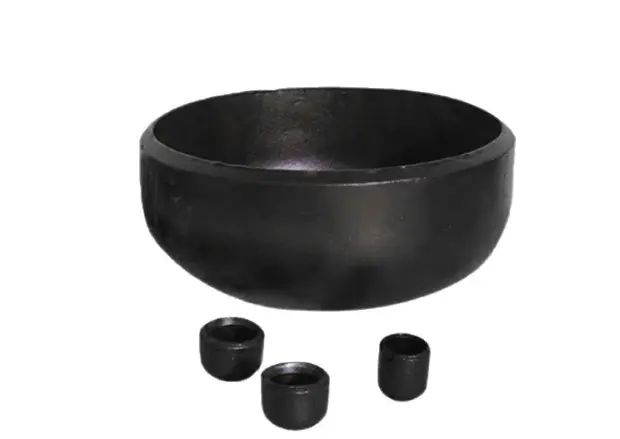
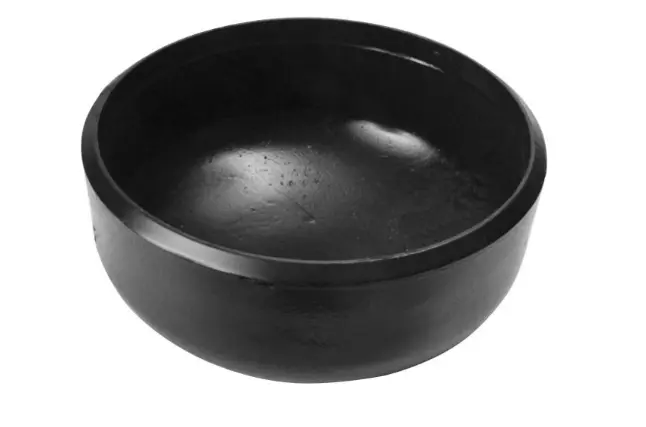
BW carbon steel caps function as terminal sealing devices in piping networks. The butt weld design requires beveling the cap edge to match the pipe end, allowing full-penetration welding that creates a homogeneous joint as strong as the pipe itself. This construction method eliminates the weak points associated with mechanical connections, addressing a fundamental concern in high-consequence piping systems.
Material Composition and Properties
Most caps are made from carbon steel grades, and ASTM A234 WPB is the standard for both seamless and welded fittings in the business. This standard describes materials that can be used in medium-temperature service and have up to 0.30% carbon, 0.29–1.06% manganese, and small amounts of phosphorus and sulphur. As long as the tensile strength stays between 60,000 and 85,000 psi, the chemical makeup makes it easy to weld. The ductility of the material lets caps handle mechanical stress without breaking, which is important in systems that are vibrating or going through thermal cycling. Different grades, such as A420 WPL6, are used for low-temperature tasks down to -50°F, while A234 WP11 and WP22 alloy variants can handle high temperatures over 800°F in power generation and petrochemical processing.
Dimensional Standards and Pressure Ratings
Manufacturers make caps that meet the dimensions required by ASME B16.9. These caps can fit pipes with standard sizes ranging from 1/2 inch to 48 inches. The wall thickness changes depending on the pipe schedule. The most common schedules are Schedule 40, Schedule 80, and Schedule 160. Heavier schedules can handle higher pressure ratings. Pressure class ratings, which show the highest pressures that can be used at certain temperatures, usually range from 150 to 2500. At room temperature, a Schedule 40 cap with a 4-inch diameter might be able to handle 1480 psi. A Schedule 160 cap of the same size, on the other hand, can handle pressures higher than 3000 psi. It's important to make sure that the temperature derating factors you use are in line with the system design parameters because they change as the service conditions get close to the material limits.
Carbon Steel Versus Stainless Steel Caps
While carbon steel caps excel in cost-effectiveness, BW carbon steel caps and availability, stainless steel alternatives offer superior corrosion resistance. Carbon steel requires protective coatings or cathodic protection in corrosive environments, whereas stainless grades like 304L or 316L resist oxidation naturally. The trade-off involves substantially higher material costs—stainless caps typically cost 3-5 times more than carbon steel equivalents. Carbon steel remains the economical choice for dry service, moderate corrosion environments, and applications where protective measures prove practical.
Applications and Benefits of BW Carbon Steel Caps in Industrial Piping
Core Industrial Applications
Most of the time, butt weld caps are used to protect pipeline terminations in many industries. Procurement teams can justify specifications better when they know where these parts offer the most value. In oil and gas production, caps cover temporary pipeline ends while they are being built. This keeps debris and water from getting on the inside surfaces until the links are ready to use. Refineries use them on manifold branches to separate links that aren't being used while keeping the system flexible for future growth. Chemical plants use welded caps to close the ports and pipes of reactor vessels instead of threaded connections, which could let dangerous materials leak out. A lot of caps are used by natural gas transmission networks at pipeline test sections and future tie-in places, where the safety of the public is directly affected by the integrity of the pressure. Caps are put on distribution mains during phased building in water conservation projects to keep them clean before they are put into service. Shipbuilders put caps on the fuel and hydraulic systems while the ship is being put together. The caps are only taken off during the final system integration. During repair breaks, power plants close off boiler feed lines and steam headers temporarily so that they can handle the remaining system pressure.
Key Performance Benefits
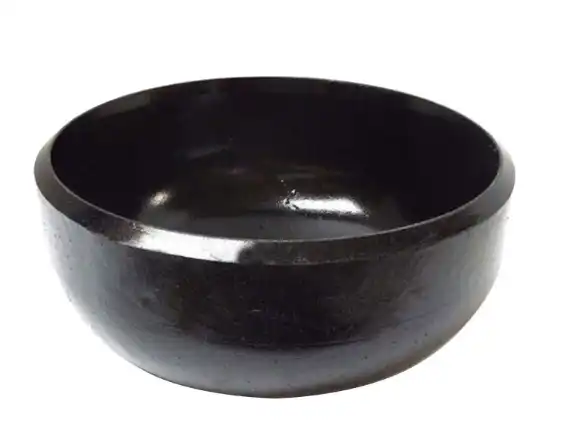
There are more benefits than just functionality to selecting butt weld carbon steel caps. These benefits directly address practical problems and cost management issues that purchasing managers deal with every day. For example, compatibility with welding makes installation easier. Carbon steel is good for welding, so experienced welders can make strong joints using standard SMAW, GTAW, or GMAW methods, without having to use strange filler materials or follow complicated preheat rules. This makes them easier to get to, which cuts down on labour costs and speeds up project plans compared to materials that need special welding techniques.
Installation Best Practices
The reliability of caps over their working life depends on how well they are welded. For full-penetration welds, the normal groove shape is made by beveling both the cap and pipe end to 37.5 degrees. Cleaning weld surfaces gets rid of mill scale, oil, and other impurities that cause holes and slag inclusions. Qualified welders follow the steps in an approved weld procedure, controlling the amount of heat used to keep the metal from warping and to ensure full fusion. Radiographic or ultrasound examination checks the quality of the weld in serious situations by finding flaws below the surface that can't be seen with the naked eye. Before the system is turned on, it is pressure tested to make sure it is leak-tight. During the test, pressures that are 1.5 times the design pressure are kept for certain amounts of time.
Maintenance and Longevity
To make a cap last longer, you need to keep it from rusting and check it on a regular basis. Coatings that protect, like epoxy or polyurethane systems, keep outside surfaces from rusting, which can happen in damp or salty places. When the materials of a pipeline are corrosive, internal coatings can help. However, the coatings must be able to withstand high temperatures without breaking down. In buried pipe applications, where soil conditions form electrochemical cells, cathodic protection systems stop galvanic corrosion. Ultrasonic thickness testing done on a regular basis can find material loss before it affects the wall's pressure integrity. Dealing with corrosion ahead of time keeps expensive failures and unplanned shutdowns from happening, which slows down operations and raises upkeep costs.
Comparing BW Carbon Steel Caps with Alternative End Caps
Threaded Caps Versus Butt Weld Caps
Threaded caps offer removable closures suitable for low-pressure applications BW carbon steel caps and situations requiring periodic access. The mechanical connection allows disassembly without cutting, providing convenience in maintenance scenarios. However, threaded connections introduce potential leak paths and stress concentration points that limit pressure ratings, typically below 3000 psi depending on size and thread type. Butt weld caps eliminate these vulnerabilities through homogeneous joints that match pipe strength. The permanent installation suits terminal closures with no anticipated access requirements, trading convenience for reliability and pressure capacity. Welded connections withstand vibration and thermal cycling better than threaded alternatives, which may loosen over time.
Slip-On Caps and Installation Differences
As you put the pipes together, slip-on caps make it easier to line them up. Fillet welds around the edge of the cap make the seal, and they don't need to be prepared as carefully as butt weld joints do. This easy operation cuts down on labour costs and lets welders with less experience get good results. The tradeoff in the design means that it is not as strong as full-penetration butt welds. About 70% of the strength of a buttweld joint is built into a slip-on connection, which means it can handle mild pressure. In some service situations, the overlapping geometry also makes cracks that trap corrosive fluids and speed up localised corrosion.
Material Alternatives: Stainless and Alloy Steel Caps
Stainless steel caps don't rust in places that are acidic, alkaline, or high in chlorine, where carbon steel breaks quickly. Grade 316L stainless is very resistant to pitting and crevice corrosion, which is why it costs more in chemical processes and marine uses. The material's ability to keep its strength at high temperatures means it can be used in settings where carbon steel would otherwise break. Alloy steel caps with chromium and molybdenum are used in power generation and petrochemical processes where high temperatures and pressures are needed. Some grades, like A234 WP11 (1.25Cr-0.5Mo) and WP22 (2.25Cr-1Mo), don't creep at temperatures above 900°F, while carbon steel would quickly bend at those temperatures.
Cost-Benefit Analysis
Depending on the size, carbon steel caps usually cost $5 to $50 per unit. Stainless steel caps cost $20 to $200 per unit, and alloy steel caps cost $15 to $150 per unit. When service conditions allow it, selecting carbon steel for projects with hundreds of caps saves a lot of money. When coating systems offer good corrosion protection at prices lower than the higher prices for stainless steel, the economic benefit becomes clear. To find the right balance between material prices and lifecycle costs, you have to look at how often things need to be replaced and what happens when they fail. If installation costs $200 per repair, a $20 carbon steel cap that lasts 15 years might be a better deal than a $80 stainless steel cap that lasts 25 years. On the other hand, premium materials should be used in important applications where failure could lead to lost production, environmental damage, or safety issues, even if they cost more up front.
Procurement Guide: How to Source Quality BW Carbon Steel Caps
Identifying Qualified Manufacturers
Sourcing pipeline components demands verification that suppliers maintain quality standards and manufacturing capabilities meeting project requirements. Established manufacturers demonstrate compliance through certifications and documented quality management systems.ISO 9001 certification indicates systematic quality control covering design, production, and inspection processes. Manufacturers holding special equipment manufacturing licenses meet regulatory requirements for pressure vessel and piping components in jurisdictions like China, Europe, and North America. ASME certification allows suppliers to mark products with code stamps, verifying conformance to ASME specifications. Production capacity matters when projects require large quantities within compressed schedules. Suppliers operating multiple production lines with annual outputs exceeding 10,000 tons handle bulk orders without compromising delivery timelines. Advanced manufacturing equipment, including CNC machining centres, automated welding stations, and heat treatment furnaces, indicates technical sophistication that translates to consistent product quality.
Certification Verification and Compliance
Every cap shipment should include material test reports documenting chemical composition and mechanical properties. These certified mill test reports (CMTRs) trace material back to heat numbers, enabling verification against purchase specifications. Third-party inspection services provide additional assurance through witnessed testing and dimensional verification before shipment.ASTM compliance requires caps meeting dimensional tolerances, surface finish requirements, and performance criteria detailed in specifications like A234. Manufacturers should provide certificates of compliance signed by quality managers, accepting responsibility for conformance. Documentation packages including PMI reports, hardness test results, and hydrostatic test records demonstrate thorough quality control.
Negotiating Custom Requirements and Bulk Orders
Most uses are covered by standard catalogue sizes, but sometimes projects need non-standard sizes or special materials. Custom orders can be filled by well-known makers, but the minimum order quantity depends on the number of tools needed and the cost of setting up the production line. Custom caps usually need 4–8 weeks longer than standard products, so you need to plan your purchase early. Buying in bulk can get you better prices through volume savings. When you buy more than 500 pieces, the price usually goes down by 10 to 20 per cent because the supplier can spread the fixed costs over a bigger amount. Long-term supply deals are good for both buyers and sellers. Buyers get stable pricing and availability, and sellers can plan their production more easily.
Lead Time Management and Supply Chain Reliability
Standard carbon steel caps are usually shipped within two to four weeks from sources who keep stock on hand. Delivery times can be extended by 6 to 12 weeks for custom specifications, based on how complicated the manufacturing is and how full the supplier's capacity is. International logistics add 3 to 6 weeks for ocean freight, so buyers need to plan their purchase dates so that they account for shipping and customs clearance. The reliability of the supply chain depends on how stable the supplier's finances are and how many factories they have. When suppliers have more than one facility, they lower the risk of interruptions caused by things like broken equipment, labour problems, or natural disasters. Clear communication about the state of BW carbon steel caps production and possible delays lets buyers make changes to project schedules before they become necessary, instead of finding out late at important stages.
Trusting Your BW Carbon Steel Cap Supplier: Brand and Support Considerations
Evaluating Supplier Reputation and Track Record
It's very important to do your research before signing any contracts because choosing the right supplier can make or break a project. A brand's image comes from what many customers have said about it. This tells us how consistent the quality is and how the business runs. Suppliers that do business in more than 40 countries have shown that they can adapt to different standards and customer needs. When you export to controlled areas like North America and Europe, it shows that you can follow strict rules. Referrals from customers in related industries show that the supplier has done well in similar situations in the past. This makes it easier to trust that the supplier's skills will meet the needs of the project. The provider has learned a lot over the years because they have been in business for a long time and have been stable. Manufacturers who have been in business since 1998 have learned a lot over the years, even as the economy and technology have changed. The fact that the business has been around for so long shows that it is well-run, has good finances, and can keep people for decades.
After-Sales Support and Technical Assistance
One thing that sets exceptional suppliers apart from commodity vendors is their ability to offer expert support. Engineers who react quickly can help you choose materials, ask questions about how they will be used, and fix issues that come up during installation. It lowers the risks of a project and speeds up the building plan when suppliers give detailed drawings, guidelines for welding, and installation instructions. Manufacturers who offer warranties believe in the quality of their goods. Standard guarantees protect buyers against problems that happen too soon for 12 to 24 months. They cover flaws in the materials and the work. By having clear claims processes and reasonable response times, warranties are more likely to live up to their promises when problems arise. Regionally present distribution networks make delivery faster and offer help that is more useful in the area. Shipping every order to another country costs more and takes longer, so sellers who keep inventory hubs in key markets save money on freight costs and transit times. Technical support staff in your area can help you in person, which is better for having difficult talks than talking to them from afar.
Communication and Partnership Building
For relationships with suppliers to work well, there must be clear ways to communicate and agreement on what is expected of both parties. When suppliers give customers specialised account managers, those people become their main point of contact and learn about the customer's needs and preferences. Support teams that speak more than one language help make sure that technical specifications and quality standards are understood correctly across cultures. Being proactive about communicating about production status, possible delays, and quality problems keeps project schedules from being thrown off by surprises. When suppliers are honest about problems and work together to find solutions, it builds trust, which helps relationships last through the inevitable problems that come up. Being clear about what can and can't be done helps buyers make smart choices, rather than finding out after the fact that promises weren't kept.
Conclusion
BW carbon steel caps deliver reliable pipeline termination sealing across demanding industrial applications where pressure integrity and durability prove non-negotiable. Understanding material specifications, application requirements, and supplier selection criteria empowers procurement professionals to make informed decisions balancing performance needs against budget constraints. The permanent, high-strength connection achieved through butt welding provides superior reliability compared to threaded or slip-on alternatives, justifying specification preference in critical systems. Strategic supplier partnerships with certified manufacturers offering comprehensive support and proven quality systems minimise procurement risks while ensuring consistent product performance throughout extended service life.
FAQ
1. What pressure ratings do BW carbon steel caps typically support?
BW carbon steel caps accommodate pressure classes from 150 to 2500, with specific ratings determined by wall thickness and material grade. Schedule 40 caps in ASTM A234 WPB material typically handle 1000-1500 psi at ambient temperature, while Schedule 160 versions withstand 2500-3000 psi. Temperature derating applies as service conditions approach material limits, reducing allowable pressure at elevated temperatures according to ASME B31.3 guidelines.
2. Can carbon steel caps function in high-temperature environments?
Carbon steel maintains mechanical properties up to approximately 750°F, suitable for many industrial applications. Beyond this threshold, alloy steel grades containing chromium and molybdenum provide better creep resistance and strength retention. Applications exceeding 900°F typically require A234 WP11 or WP22 alloy caps specifically designed for high-temperature service in power generation and petrochemical processing.
3. How do buyers verify ASTM compliance for purchased caps?
Verification begins with certified material test reports documenting chemical composition and mechanical properties traceable to specific heat numbers. Dimensional inspection confirms conformance to ASME B16.9 tolerances. Third-party inspection services provide independent verification through witnessed testing. Reputable suppliers provide complete documentation packages including PMI analysis, hardness testing results, and certificates of compliance signed by quality managers.
Connect with Oudi for Premium BW Carbon Steel Cap Solutions
Oudi has manufactured certified BW carbon steel caps and pipe fittings since 1998, delivering butt weld carbon steel caps that meet ASME B16.9 and ASTM A234 standards to over 300 customers across 40+ countries. Our 16,000-ton annual production capacity, ISO 9001-certified quality systems, and special equipment manufacturing licenses ensure consistent product reliability for your critical piping projects. Whether you need standard catalogue sizes or custom specifications, our engineering team provides technical support throughout procurement and installation. Contact our specialists today at oudi-04@oudiguandao.com to discuss your project requirements, request detailed quotations, and discover why industry leaders trust Oudi as their preferred BW carbon steel cap supplier for oil, chemical, natural gas, and infrastructure applications.
References
1. American Society of Mechanical Engineers. (2020). ASME B16.9: Factory-Made Wrought Buttwelding Fittings. New York: ASME Press.
2. ASTM International. (2021). ASTM A234/A234M: Standard Specification for Piping Fittings of Wrought Carbon Steel and Alloy Steel for Moderate and High Temperature Service. West Conshohocken: ASTM International.
3. Nayyar, M. L. (2019). Piping Handbook (8th ed.). New York: McGraw-Hill Education.
4. American Society of Mechanical Engineers. (2018). ASME B31.3: Process Piping. New York: ASME Press.
5. Bai, Y., & Bai, Q. (2022). Subsea Pipeline Design, Analysis, and Installation. Oxford: Gulf Professional Publishing.
6. Singh, R. (2017). Applied Welding Engineering: Processes, Codes, and Standards (2nd ed.). Burlington: Butterworth-Heinemann.

Need help finding the right solution with our experts. Please contact us.

SINCE 1998 Your Reliable Pipeline Manufacturer



