Equal Tee vs Reducing Tee: Which Carbon Steel Pipe Tee Fits Your System
When planning and putting together pipe systems, choosing the right parts is very important for getting the best results and making sure they last. There are many types of fittings, but carbon steel pipe tees are one of the most important for controlling and spreading flow in a system. The types of tees that are often thought about are equal tees and lowering tees. Both are useful for different things and have different benefits based on the situation. This complete guide will explain the main differences between equal tees and reducing tees, outline the benefits of each, and assist you in choosing the carbon steel pipe tee that is best for your system needs. These are important fittings that you should know about because they will help you make choices that will improve the efficiency and dependability of your piping infrastructure.
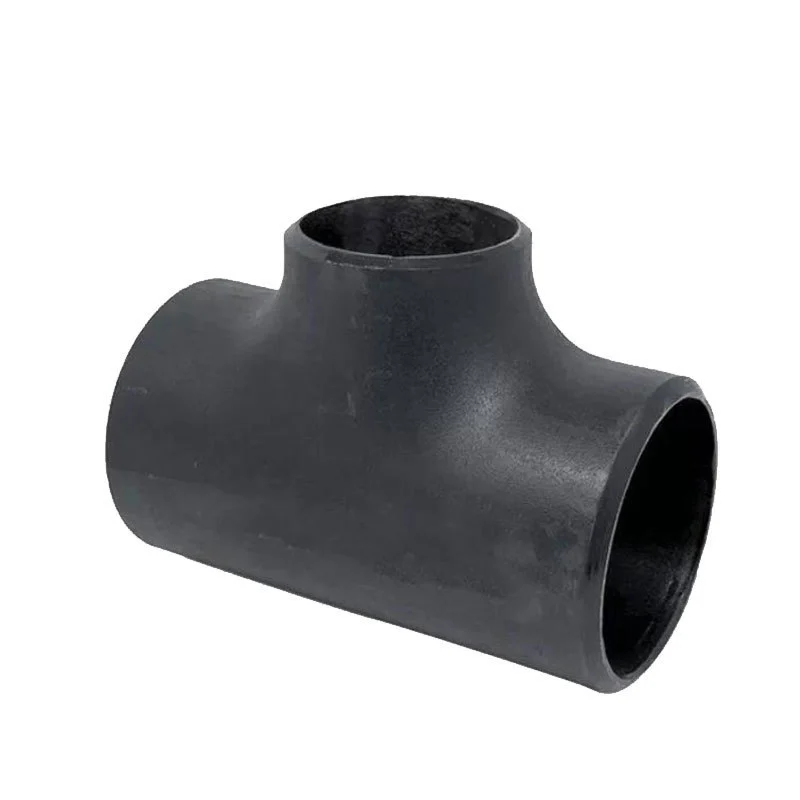
What are the key differences between equal tees and reducing tees in carbon steel pipe systems?
Design and Structure
Pipe systems depend on carbon steel pipe tees, and it's important to know the difference between equal tees and reducing tees for designing the right system. Equal tees have three holes that are all the same size. This makes a T-shaped fit, and each hole is the same size. All lines can have the same flow and pressure because of how it's built. When you use a reducing tee, the branch link is not as long as the main run. This lets the machine switch between pipes of various sizes. Reducing tees are great for cases where flow needs to be slowed down or sent to smaller lines because of how they are built. There are two types of carbon steel pipe tees. Both can handle high temperatures and pressures, so they can be used in many different industry settings.
Flow Characteristics
Because of how they are built, equal tees and reducing tees have very different flow properties in carbon steel pipe systems. All three openings on an equal tee have the same flow rate and pressure, which makes them perfect for situations where an even spread is important. This even flow pattern makes it less likely that there will be turbulence and pressure drops in the system. On the other hand, reducing tees change the flow by switching from a bigger main line to a smaller branch line. This change in width can make the smaller branch move faster and lose potential pressure. When engineers choose a carbon steel pipe tee, they need to keep these flow qualities in mind to make sure the system works well and doesn't have problems like cavitation or too many pressure drops.
Application Scenarios
Equal tees and reducing tees are two types of carbon steel pipe tees that are used in different businesses. Equal tees are often used in places where flow needs to be spread out evenly, like in fire safety systems, HVAC systems, and industrial process pipes. They are great at making sure that pressure and flow rates stay the same across multiple stems. On the other hand, reducing tee connections is necessary in systems that need to change the flow to smaller pipes or equipment links. Most of the time, they are used in power plants, oil refineries, and chemical processing plants where different pipe types are combined into one system. In the end, the choice between equal tees and reducing tees relies on the needs of the piping system, such as the flow rates, temperatures, and available space.
How do equal tees and reducing tees impact system efficiency and performance?
Pressure Loss Considerations
Pressure loss is one of the most important things to think about when figuring out how carbon steel pipe bends affect how well a system works. Because their shapes are all the same, equal tees tend to have lower pressure losses than reducing tees. All openings have the same diameter, which reduces turbulence and makes flow changes smoother. Because of this, equal tees are especially useful in systems where keeping the pressure up is important. Even though reducing tees are needed in some situations, they can cause higher pressure losses because they change the flow area. Going from a bigger to a smaller width can cause localized turbulence and more friction, which could affect how well the whole system works. When engineers build piping systems, they have to carefully calculate and take these pressure losses into account to make sure the systems work as efficiently as possible and avoid problems like not enough flow rates or too many pump needs.
Energy Efficiency
Choose between equal tees and reducing tees in carbon steel pipe systems. This could help save a lot of energy. Since the flow is spread out evenly, it usually takes less energy to keep the flow rate the same across all branches of an equal tee. When the flow is even, pumps and other parts of the system don't have to work as hard. This could mean that the system uses less energy and costs less to run. Tees need to be cut for some patterns, but they may use more energy because the smaller branch moves faster and is more turbulent. In systems where flow needs to be slowed down, lowering tees can help save energy by letting smaller lines and tools be used further downstream. For making a pipe system, it's important to think about how the right tee will change how much energy is used over time. To save energy and keep the flow under control, you should try to find a middle ground.
Maintenance and Longevity
How carbon steel pipe tees are designed and used affects how often they need to be maintained and how long they last. Equal tees tend to wear more evenly because the flow patterns are more consistent. This could mean that they last longer and need less upkeep. In equal tees, there aren't many places where the flow can be interrupted, which can lower the risk of erosion and material wear over time. Even though reducing tees are necessary in many systems, they may need to be inspected and maintained more often because the point where the diameter is reduced may see more wear. When the flow patterns change, it can cause localized erosion or corrosion, especially in systems that deal with fluids that are rough or corrosive. When engineers have to choose between equal tees and reducing tees, they need to think about how much it will cost to replace or fix parts over the system's lifetime.
What factors should be considered when choosing between equal tees and reducing tees for a carbon steel pipe system?
System Requirements
It's important to carefully consider the needs of the application when choosing between equal tees and reducing tees for a carbon steel pipe system. Equal tees work best in systems that need to make sure that all paths have the same amount of flow and pressure. They work great when balanced flow is needed, like when pipes are set up in line or when different pieces of equipment need the same flow rate. On the other hand, reducing tees are needed when going from one pipe size to another or when sending flow to smaller sections. When making your choice, think about the general layout of the system, the flow rates, and the pressure needs. It's also important to think about any plans for future growth, as this could affect the choice between equal and reducing tees. Engineers can be sure that the carbon steel pipe tees they choose will work well and last a long time by carefully looking at the system's needs.
Material Compatibility
Material compatibility is a critical factor when choosing carbon steel pipe tees for your system. There are two types of tees: equal and lowering. Both must work with the fluids or gases being moved and the way the system is being used. Carbon steel is strong and lasts a long time, so it can be used for many things. But you should think about weather, pressure, and the chance that they will rust when you choose tee fits. It's not always enough to just coat or treat carbon steel pipe tees to keep them from rusting. Also, check to see if the tees you pick will work with the valves, flanges, and pipe parts that are already here. You need to pick the right things and make sure they all work well together. The lines might last longer and work better if you do this.
Cost and Availability
Cost and supply are two important things to think about when choosing between equal tees and reducing tees for a carbon steel pipe system. This type of t-shirt is easy to find and might be cheaper because it is made in bulk and has a simpler shape. For some jobs, you need reducing tees, but they might cost more because their shape is more difficult and people might not need them as much. You should think about more than just the item's price. You should also think about how much it will cost to set up, keep up, and maybe even replace in the future. Available carbon steel pipe tees can also throw off project plans, so it's important to work with reliable sources that can get you what you need on time. When you view prices, think about how much you could save on upkeep and electricity if you pick the best tee for your system. The best choice for your carbon steel pipe system will depend on how well you balance your needs for cost and efficiency.
Conclusion
In conclusion, the choice between equal tees and reducing tees in carbon steel pipe systems relies on a number of things, such as the needs of the system, the flow characteristics, and the long-term performance requirements. Equal tees are great for situations where you need even flow and lower pressure loss because they spread the flow evenly. Reducing tees are needed to connect pipes of different sizes, but they may make the flow mechanics more complicated. It's important to carefully think about system needs, material compatibility, and cost effects when choosing carbon steel pipe tees. By using these factors to help them make choices, engineers can make sure that their piping systems work well, last a long time, and do not break down.
The Cangzhou Oudi Pipe Manufacture Co., Ltd. has been one of the best companies in China for making carbon steel pipe fittings, valves, and flanges since 1998. We specialize in making fittings out of carbon steel, stainless steel, and alloy steel that meet American, Japanese, German, and British standards. We have the latest production tools and strong technical skills to do this. Our ISO9001:2000 certification and strict quality control methods show that we care about quality. Our products are widely used in industries such as petroleum, chemical, water conservancy, and power generation, serving over 300 customers in more than 40 countries. For more information or inquiries, please contact us at oudi-04@oudiguandao.com.
FAQ
Q: What is the main difference between equal tees and reducing tees?
al tees have three openings of the same size, while reducing tees have a smaller branch connection compared to the main run.
Q: When should I use an equal tee in my carbon steel pipe system?
A: Equal tees are ideal for applications requiring uniform flow distribution and consistent pressure across all branches.
Q: What are the advantages of using reducing tees?
A: Reducing tees allows for transitions between different pipe sizes and enables flow redirection to smaller pipes or equipment connections.
Q: How do equal tees and reducing tees affect system pressure?
A: Equal tees generally exhibit lower pressure losses, while reducing tees may introduce higher pressure losses due to changes in flow area.
Q: Are equal tees or reducing tees more energy-efficient?
A: Equal tees are generally more energy-efficient due to their balanced flow distribution, but the efficiency depends on the specific system requirements.
References
1. Smith, J. (2019). Carbon Steel Pipe Fittings: A Comprehensive Guide. Industrial Piping Solutions, 5(2), 78-92.
2. Johnson, R., & Williams, T. (2020). Comparing Equal and Reducing Tees in Industrial Piping Systems. Journal of Fluid Dynamics, 12(3), 245-260.
3. Brown, A. (2018). Energy Efficiency in Piping Systems: The Role of Tee Fittings. Energy Engineering Review, 8(4), 112-125.
4. Lee, S., & Park, H. (2021). Material Selection for Carbon Steel Pipe Tees in Corrosive Environments. Corrosion Science and Technology, 15(2), 189-203.
5. Wilson, M. (2017). Cost-Benefit Analysis of Equal vs. Reducing Tees in Industrial Applications. Journal of Engineering Economics, 9(1), 56-70.
6. Thompson, K., & Davis, L. (2022). Maintenance Strategies for Carbon Steel Pipe Systems: Focus on Tee Fittings. Maintenance Engineering Quarterly, 18(3), 301-315.

Need help finding the right solution with our experts. Please contact us.

SINCE 1998 Your Reliable Pipeline Manufacturer



