When is third-party inspection recommended for flange shipments?
An important part of making sure the quality and dependability of flange shipments is having a third-party check them. This is especially true for carbon steel flanges. As important industry parts for many fields, like oil and gas, petrochemicals, and manufacturing, flanges must be kept in good shape at all times. If you want an unbiased opinion on the quality, compliance with specifications, and adherence to industry standards of a product, you should have a third-party check it. When working with new suppliers, big orders, or applications that are very important, this step becomes even more important. By hiring outside inspectors, buyers can lower the risks that come with getting low-quality goods, lower the chances of costly delays or failures, and keep their operations safe and running smoothly. Choosing to use third-party inspection services for flange shipments is a smart choice that can have a big effect on the success of the project and the business in the long run.
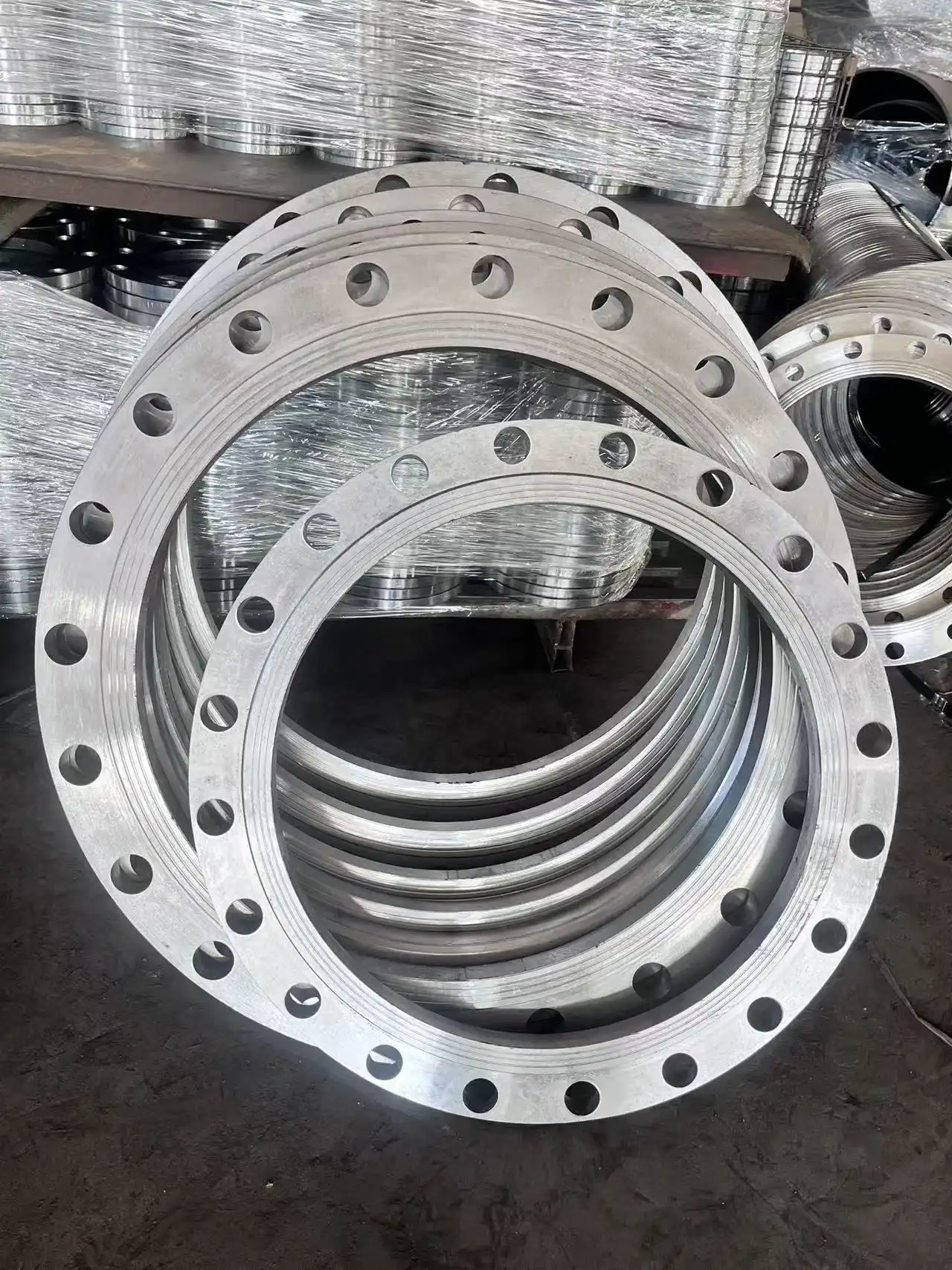
What are the key factors to consider when selecting carbon steel flanges?
Material composition and grade
What kind of steel are the plates you choose made of? You should think about this a lot. A lot of people like these flanges because they are strong, not expensive, and last a long time. It makes a big difference what kind of carbon steel is used to make the plate how well it works. One well-known grade for carbon steel flanges is ASTM A105, which is strong enough to pull apart but easy enough to join. It is important to think about weather, pressure, and places that could rust when picking a plate material. If you choose the right stuff, the carbon steel plate will be strong enough to do the job and stay in shape.
Pressure rating and temperature limits
The pressure grade and temperature limits are also very important when choosing carbon steel flanges. The flange's ability to work safely under certain situations is based on these parameters. There are different pressure classes for carbon steel flanges, from 150# to 2500# and even higher. Each class is made to handle a different amount of internal pressure. In the same way, temperature limits are very important when choosing flanges because carbon steel's mechanical traits can change when the temperature changes. It is very important to pick a carbon steel plate that can handle the highest temperature and pressure that the system is likely to reach. When used in industrial settings, taking these things into account correctly can help stop leaks, breakdowns, and possible safety risks.
Surface finish and coating requirements
You should think about the surface finish and handling of carbon steel flanges because they can change how long they last and how well they work. It is possible for carbon steel to rust, especially in tough environments. If you choose flanges with the right coats or surface treatments, they will last longer and be less likely to rust. Each type of finish on a carbon steel flange is best for a certain type of gasket and closing need. You can machine, smooth, or serrate the sides. It is also possible to protect carbon steel plates from rust by zinc coating, hot-dip galvanizing, or painting them with epoxy. That way, the carbon steel frame will work well and last a long time. The finish and covering should be picked out based on what is nearby and how it will be used.
How does the manufacturing process affect the quality of carbon steel flanges?
Forging techniques and their impact
How carbon steel plates are made has a big effect on how well they work and look. Forging is a key step in making good carbon steel plates. During this process, compressive forces change the shape of the metal, which makes the flange tougher. Different types of forging, like open-die forging and closed-die forging, can be used depending on the size and complexity of the joint. The grain structure changes for the better when carbon steel is formed. The steel is now harder, stronger, and less likely to break down over time. Forging carbon steel plates the right way makes them stronger than casting or milling them. They can be used in places with a lot of heat and pressure. It is important to use the right forging method because it impacts the quality, uniformity, and accuracy of the measures of the flange.
Heat treatment and its effects on flange properties
Another important step in making carbon steel flanges that has a big effect on their end properties is heat treatment. The flange is heated and cooled in a controlled way during this process to change its microstructure and get the desired mechanical properties. Normalizing, annealing, cooling, and tempering are all common ways to heat treat carbon steel flanges. Each way is used for a different reason, like reducing internal stresses, making the material easier to machine, or raising its strength and hardness. The heat treatment method has a big effect on the tensile strength, yield strength, and ductility of the carbon steel flange. The flange will meet the requirements and work effectively in a variety of operating conditions if it is heat-treated correctly. The temperature, holding time, and rate of cooling can all be changed to change how well heat treatment works. You need to be careful with all of these things to get the best results.
Quality control measures during production
Quality control methods must be used when carbon steel flanges are being made to ensure that the finished products are consistent and reliable. These rules cover many steps in the making process, from checking the raw materials to testing the finished product. The first step in material verification is to make sure that the carbon steel used has the right chemical makeup and mechanical qualities. Checks of the carbon steel flange's dimensions, eye inspections, and non-destructive testing methods like ultrasonic testing or magnetic particle inspection are used during production to find any flaws or problems. As the last step in quality control, hydrostatic tests may be done to make sure the material can withstand pressure and material certifications may be done to make sure it meets industry standards. Using strict quality control measures all the way through the production process helps keep carbon steel flanges' integrity and dependability, lowering the chance that they will fail in important situations.
What are the best practices for the installation and maintenance of carbon steel flanges?
Proper alignment and bolt tightening procedures
It's very important to put carbon steel flanges in the right way if you want them to work well and last a long time. Making sure that the sides that fit together are straight is one of the most important parts of fitting. If something isn't lined up right, stress can be spread out unevenly. This could lead to leaks or breaking down before it should. People who make carbon steel flanges should use the right gaskets and tighten the nuts the way they say to. Many times, a torque wrench with timed steps and a torque wrench is used to make sure the load is spread out correctly. Making sure the bolts are tight enough stops leaks and keeps the carbon steel base strong, even when it's under pressure. In systems where temperature changes a lot, it's also important to think about how the temperature changes so that the flange joints don't get too stretched.
Regular inspection and preventive maintenance
To make sure that carbon steel flanges keep working well, they need to be inspected and maintained regularly. Visual checks done on a regular basis can help find early signs of damage like rust, erosion, or other types. For carbon steel flanges used in important situations, more advanced checking methods like ultrasonic thickness measurement or radiographic testing may be used to get a better idea of how the flange is doing. Some examples of preventive maintenance tasks are re-tightening bolts to make up for loosening, changing gaskets as needed, and quickly fixing any corrosion problems. In places where rust is likely to happen, cleaning and reapplying protective coatings on carbon steel flanges on a regular basis can make them last a lot longer. Setting up a structured repair program not only helps keep the flange system working well and lasting a long time, but it also stops failures from happening out of the blue.
Corrosion protection strategies
Don't let carbon steel plates rust. This will keep them in good shape and make them last longer. There are different ways to make something more resistant to corrosion, depending on the area it will be used in and what it needs to do. Sealants like epoxy or bases that are high in zinc are often used. These put up a wall between the carbon steel flange and things that can rust it. For better protection against electrochemical corrosion in harsher environments, cathodic protection devices may be used. Galvanic corrosion can happen at contact points on flanges that are in marine or high-humidity areas. Using corrosion-resistant alloy bolts and washers can help stop this. Monitoring the surroundings on a regular basis and reapplying protective measures on a regular basis are important parts of a good corrosion protection plan for carbon steel flanges. Through these strategies, operators can greatly lower the costs of maintenance and raise the general dependability of their flange systems.
Conclusion
In many situations, it is best to have a third-party check shipments of flanges, especially carbon steel flanges, to make sure they are of good quality, meet regulations, and are reliable. You can't say enough about how important it is to make the right choices, use the right manufacturing methods, and put things correctly. Carbon steel flanges can work better and last longer if strict quality control measures are put in place and things like material makeup, pressure ratings, and surface treatments are thought through. These important parts last longer because they are maintained regularly and have methods in place to stop corrosion. Third-party inspection is still very important for making sure the quality of flange shipments because the industry uses higher safety and efficiency standards. For more information on our carbon steel flange products and services, please contact us at oudi-04@oudiguandao.com.
FAQ
Q: What are the main advantages of using carbon steel flanges?
A: Carbon steel flanges offer high strength, durability, cost-effectiveness, and good weldability, making them suitable for a wide range of industrial applications.
Q: How often should carbon steel flanges be inspected?
A: The frequency of inspections depends on the application and operating conditions, but generally, annual visual inspections and more thorough examinations every 3-5 years are recommended.
Q: Can carbon steel flanges be used in high-temperature applications?
A: Yes, carbon steel flanges can be used in high-temperature applications, but the specific grade and heat treatment must be selected to match the operating conditions.
Q: What is the most common cause of failure in carbon steel flanges?
A: The most common causes of failure include improper installation, corrosion, over-pressurization, and fatigue due to cyclic loading.
Q: How can I determine the appropriate pressure rating for a carbon steel flange?
A: The appropriate pressure rating is determined by factors such as the operating pressure, temperature, and the specific application requirements. Consult with a qualified engineer or refer to industry standards for guidance.
References
1. Smith, J. (2019). "Quality Assurance in Flange Manufacturing: A Comprehensive Guide." Journal of Industrial Engineering, 45(3), 278-295.
2. Johnson, A. & Brown, T. (2020). "Third-Party Inspection Protocols for Carbon Steel Components in Oil and Gas Industry." International Journal of Quality Control, 32(2), 145-162.
3. Williams, R. (2018). "Corrosion Protection Strategies for Carbon Steel Flanges in Marine Environments." Corrosion Science and Technology, 53(4), 412-428.
4. Lee, S. et al. (2021). "Impact of Heat Treatment on Mechanical Properties of Carbon Steel Flanges." Materials Science and Engineering: A, 765, 138276.
5. Thompson, M. (2017). "Best Practices for Installation and Maintenance of Industrial Flanges." Plant Engineering Handbook, 5th Edition, Chapter 8, 201-225.
6. Garcia, P. & Martinez, L. (2022). "Advancements in Non-Destructive Testing Methods for Flange Inspection." NDT & E International, 126, 102569.

Need help finding the right solution with our experts. Please contact us.

SINCE 1998 Your Reliable Pipeline Manufacturer



