Flanges for Oil and Gas: Meeting Harsh Environment Standards
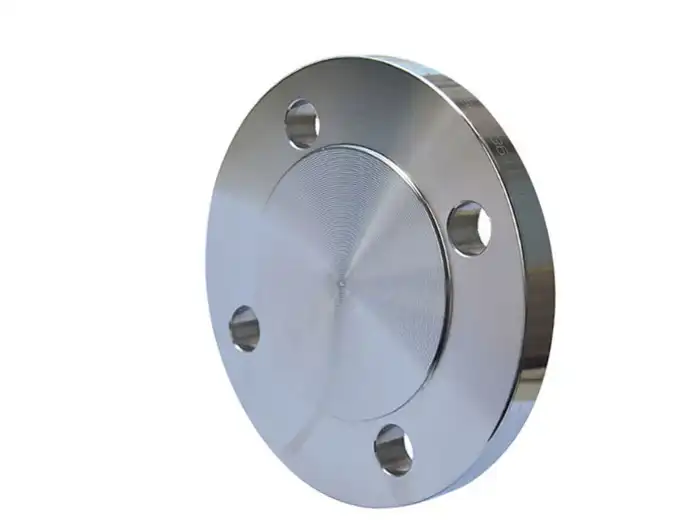
are important parts of pipeline structures that connect different sections. They are made to resist harsh working conditions like high pressures, corrosive environments, and changes in temperature. These special parts make sure that connections between lines, valves, and tools don't leak and that the structure stays strong throughout their useful life. In the tough oil and gas industry, it's important for pipeline safety, working efficiency, and regulatory compliance that they meet strict hard environment standards.
Understanding Oil and Gas Flanges: Types and Functionality
Oil and gas flanges are very important mechanical parts that connect pipe sections, valves, pumps, and other important tools in systems that process and move oil. It's important that these parts can work reliably in harsh operating circumstances and keep their structural integrity.
Primary Flange Types and Their Applications
In Oil and gas flanges, different types of flanges are used for different tasks. Because their hubs are curved, weld neck flanges are stronger for high-pressure situations because the stress is spread out evenly across the link. Slip-on flanges are easy to install and don't cost much for low-pressure systems. Blind flanges, on the other hand, completely close off pipeline ends and allow for pressure tests.
Because they have a recessed socket form, socket weld flanges make strong connections in smaller diameter uses where room is limited. Threaded flanges let you make quick connections in low-pressure systems without having to join, but they aren't very useful for important tasks. Lap joint flanges can handle pipe movement and thermal expansion, and their rotating flange face form makes upkeep easier.
Material Considerations for Harsh Environments
The choice of material has a direct effect on how well a flange works in oil and gas conditions that are acidic. When it comes to general uses, carbon steel flanges are strong and affordable, while stainless steel versions are better at resisting rust in sour gas and ocean settings. Alloy steel flanges have better mechanical qualities that allow them to work in high temperatures and high pressures. This makes them reliable over time in tough situations.
Standards and Pressure Ratings for Oil and Gas Flanges
Regulatory compliance makes sure that all oil and gas businesses around the world have safe and consistent flange performance. Industry standards set the rules for how to make things, how they must be tested, and how they must be certified so that parts are reliable.
Essential Industry Standards and Certifications
API standards control the design and production of flanges used in the oil and gas business. For example, API 6A covers wellhead and Christmas tree equipment, and API 605 covers large diameter carbon steel flanges. Specifications for pipe flanges and flanged fittings from NPS 1/2 to NPS 24 are set out in ASME B16.5; ASME B16.47 covers flanges with a bigger diameter.
ANSI standards go along with ASME guidelines because they give exact size and material requirements for different types of flanges. ISO 14692 talks about how the oil and gas businesses can use pipe systems made of glass-fiber-reinforced plastics. These standards make sure that products from different makers and uses work together and perform the same way around the world.
Pressure Rating Classifications
The pressure grades for flanges run from 150 to 2500, and each class is made for a certain range of temperatures and pressures. Class 150 flanges can handle up to 285 PSI at room temperature and are good for holding and low-pressure gathering systems. Class 300 flanges can handle pressures of up to 740 PSI and are often found in transportation networks and processing plants.
Higher pressure classes, like 600, 900#, 1500, and 2500, are used for high-pressure transmission lines, wellhead equipment, and important processing tasks that need pressures higher than 1480 PSI. As running temperatures rise, temperature derating factors must be taken into account, which lowers the allowed working pressures.
Corrosion Protection and Environmental Considerations
Specialized rust protection methods are needed for environments that are harsh. Protective coats, such as epoxy, polyurethane, and zinc-rich primers, keep rust from the outside world out. Electrochemical corrosion can be stopped with cathodic protection systems for underground and underwater flanges.
In harsh conditions with hydrogen sulfide, carbon dioxide, and chlorides, it is important to change the materials to metals that don't rust. In marine and sour gas uses, duplex and super duplex stainless steels are better at resisting stress corrosion cracking and pitting.
Selecting the Right Flange: Comparison and Decision-Making
For the best flange choice, you need to carefully think about operating needs, weather conditions, and cost. Each application has its own problems that must be solved, which affect the choice of material, the layout of the design, and the speed requirements.
Material Performance Comparison
Compared to Oil and gas flanges, stainless steel flanges are better at resisting rust, especially in places with water, acidic gases, and chlorides. Grade 316L stainless steel is very resistant to corrosion in general, while duplex grades are stronger and less likely to crack from stress corrosion.
For general service uses, carbon steel flanges are very strong for their weight and are also very cheap. When the temperature and pressure are low, ASTM A105 carbon steel works reliably. For refinery uses, alloy steel types like ASTM A182 F11 and F22 have better high-temperature properties.
Because they are cheaper, carbon steel flanges with protective coats are often better than stainless steel ones. This is especially true for large-diameter uses where the cost of materials has a big effect on the project's profitability. When considering material choices, a lifecycle cost study should look at how much maintenance is needed, how often parts need to be replaced, and how much downtime costs.
Forged versus Cast Flange Construction
Forged flanges have better mechanical qualities than cast ones because they have a more polished grain structure and no holes, which are common in cast parts. Forging gets rid of internal holes and raises the density of the material, which makes it more resistant to wear and better at holding pressure.
For big diameter uses and complicated geometries where forging isn't possible, cast flanges are a cheaper option. Modern casting methods, such as vacuum freezing and controlled solidification, make high-quality parts that can be used in a wide range of oil and gas situations.
Flange Face Type Selection
With their gasket retention slot and 1/16-inch raised sealing surface, raised face flanges can be used for most basic service tasks. This design lets for small flaws in the flange while still providing a solid seal with spiral wound or compressed fiber gaskets.
Flat face flanges spread bolt loads evenly across the whole face of the flange, which means they can be used with cast iron and other weak materials. Ring-type joint faces use octagonal or circular metallic covers to make metal-to-metal seals. This gives better sealing performance in high-pressure situations above 1500 PSI.
Procurement Guide for Oil and Gas Flanges
To buy flanges successfully, you need to find approved providers who can show they have the right technical knowledge, quality certifications, and reliable delivery options. Strategic buying methods find the best mix between lowering costs, meeting performance standards, and making sure the supply chain is reliable.
Supplier Qualification and Assessment
Reputable flange makers have full quality management systems that are approved to ISO 9001 standards. This makes sure that the production process and product quality are always the same. Special equipment manufacturing licenses show that you know how to follow the rules and are technically competent for parts that hold pressure.
Modern forging presses, machining centers, and heat treatment tools are used in modern production facilities that allow for exact control of dimensions and optimization of material properties. Non-destructive testing methods, such as ultrasound inspection, magnetic particle inspection, and pressure testing, make sure that parts are complete before they are shipped.
Pricing Strategies and Lead Time Management
Volume buying deals save a lot of money and make sure that groups can keep getting supplies. Suppliers can offer reasonable prices and the best production schedules thanks to annual contracts with guaranteed volumes.
Lead times depend on the type of material, the size needed, and how complicated the production process is. Standard carbon steel flanges usually take 4 to 6 weeks to make, but wait times for unusual metal materials can go up to 12 to 16 weeks because of the time it takes to get the materials.
Custom flange options are made to fit particular needs, like non-standard sizes, special materials, and stricter testing standards. Engineers can use engineering support services to make plans work better in certain situations while still meeting standards.
Oudi has been making things for more than 25 years, and we use that knowledge to provide complete flange solutions for oil and gas projects around the world. Our factory is ISO 9001 approved and makes more than 16,000 tons of flanges every year out of carbon steel, stainless steel, alloy steel, and steel that meets ANSI, JIS, DIN, and BS standards. Our expert team helps with application building to make sure that the right parts are chosen for your needs.
Installation and Maintenance Best Practices for Oil and Gas Flanges
Flanges will work reliably for as long as they are used if they are installed correctly and have regular preventative maintenance plans. By following set procedures, installation mistakes are kept to a minimum while operating safety and system integrity are maximized.
Installation Procedures and Safety Protocols
Before Oil and gas flanges, the flange's surface must be carefully checked for damage, rust, or changes in size that might affect how well it seals. Cleaning techniques use the right chemicals and mechanical methods to get rid of dirt, scale, and protective coatings on sealing surfaces.
When choosing and installing a gasket, it's important to pay close attention to how well the materials work together, how much force is needed, and the surroundings. Most oil and gas uses can be sealed reliably with spiral wound gaskets and the right filler materials. High-pressure and high-temperature situations are best handled by metallic gaskets.
To make sure that the seal is compressed and stressed evenly, the bolts must be installed in a certain way, using the right torque sequences and patterns. Before applying force in a planned way using measured tools, the bolts must first be tightened until they are finger-tight. The final torque numbers need to take into account the type of grease, the temperature, and the material of the bolts.
Preventive Maintenance and Inspection Programs
Visual checks done on a regular basis can find early signs of rust, mechanical damage, and gasket wear and tear before they become problems. The frequency of inspections depends on the harshness of the surroundings, the working conditions, and government rules. Usually, inspections happen once a month to once a year.
Bolt re-torquing plans make up for the effects of thermal cycling and gasket relaxing that weaken the gripping force over time. For critical uses, checking the torque may need to happen during planned repair breaks to stop leaks that come up out of the blue.
Corrosion tracking tools keep track of how much metal is being lost and find places that need better protection or new parts. Ultrasonic thickness readings give you numbers that you can use to figure out how much life something has left and how to plan for repair.
Conclusion
When it comes to pipeline equipment, oil and gas flanges are very important. They need to be carefully chosen, installed correctly, and regularly maintained to make sure they work safely and reliably. By learning about the different types of flanges, the qualities of the materials used, and industry standards, you can make smart purchasing choices that balance the need for performance with cost. For projects to be successful, they need to work with qualified suppliers who can provide certified goods, expert help, and reliable delivery dates. Oil and gas operators can make sure that the flanges last as long as possible while still meeting the greatest safety and environmental standards by following best practices and constant monitoring programs.
FAQ
What are the key differences between weld neck and slip-on flanges in oil and gas applications?
Weld neck flanges have a curved hub that makes them better at distributing stress and keeping the structure strong in high-pressure situations. The hub design keeps stress from building up at the point where the pipe meets the flange. This makes them perfect for oil and gas systems that need to work at above 600 PSI. Slip-on flanges are easier to install and cost less, but they can only be used in low- to moderate-pressure situations because they are not as strong.
How do I verify compliance with API and ASME standards when procuring flanges?
To make sure that something meets the standards, you have to look at the manufacturer's papers, which list the materials used, their mechanical qualities, and their sizes. Check for test results that show that they meet certain standard requirements, like API 6A or ASME B16.5. Inspection papers from third parties issued by well-known testing companies give extra proof that standards are being met and quality is being controlled.
What factors affect lead times for bulk flange orders?
Lead times depend on a number of factors, such as the supply of materials, the difficulty of the size, the amount needed, and the testing requirements. Standard carbon steel flanges usually ship within 4 to 6 weeks, but unusual metal materials take 12 to 16 weeks because they are harder to get. Custom standards and flanges with large diameters take more time to manufacture and inspect for quality.
Contact Oudi for Premium Oil and Gas Flanges Solutions
With over 25 years of experience making high-quality products and exporting them around the world, Oudi is ready to help you buy oil and gas flanges. Our wide range of products includes flanges made from carbon steel, stainless steel, alloy steel, and other metals that meet worldwide standards like ANSI, JIS, DIN, and BS. We make sure that the quality of your important applications stays high and follows the rules by having ISO 9001 certification and special equipment manufacturing licenses. Our advanced quality control methods and ability to produce 16,000 tons per year ensure that projects around the world are delivered on time. As a reliable company that makes oil and gas flanges, we offer expert advice, unique solutions, and full after-sales support to help you get the most out of your pipeline system. Email our technical team at oudi-04@oudiguandao.com to talk about your unique needs and get detailed quotes for the jobs you have coming up.
References
1. American Petroleum Institute. "Specification for Wellhead and Christmas Tree Equipment." API Specification 6A, 21st Edition, 2019.
2. American Society of Mechanical Engineers. "Pipe Flanges and Flanged Fittings: NPS 1/2 Through NPS 24 Metric/Inch Standard." ASME B16.5-2020.
3. NACE International. "Petroleum and Natural Gas Industries - Materials for Use in H2S-Containing Environments in Oil and Gas Production." NACE MR0175/ISO 15156, 2015.
4. Det Norske Veritas. "Recommended Practice for Design and Installation of Flange Connections for Offshore Applications." DNV-RP-F208, 2019.
5. International Organization for Standardization. "Petroleum and Natural Gas Industries - Glass-fiber-reinforced Plastics (GRP) Piping." ISO 14692 Parts 1-4, 2017.
6. Materials Technology Institute. "Guidelines for the Selection of Metallic Materials for Petroleum and Natural Gas Service." MTI Publication No. 47, 2018.

Need help finding the right solution with our experts. Please contact us.

SINCE 1998 Your Reliable Pipeline Manufacturer



