Why Humanized Design Matters for Stainless Steel Pipe Caps?
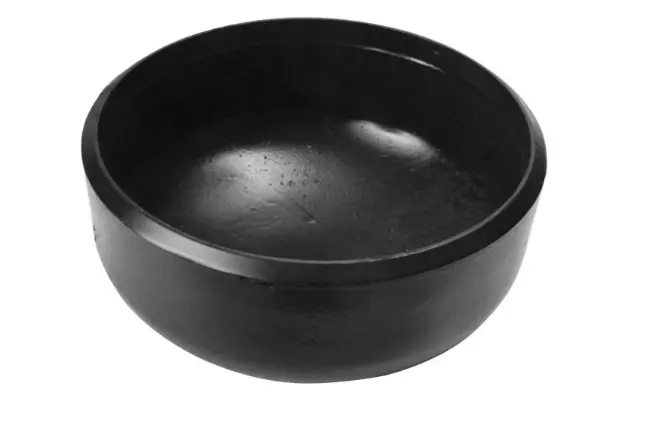
In today's industrial landscape, the represents far more than a simple sealing component. When we talk about humanized design in pipe fittings, we're addressing how thoughtful engineering can transform routine maintenance into safer, more efficient operations. Humanized design principles focus on user experience, incorporating ergonomic features that reduce installation time, minimize safety risks, and enhance long-term reliability. These design considerations become particularly crucial in demanding environments where workers must handle components quickly and safely under challenging conditions.
Understanding Stainless Steel Pipe Caps and Their Importance
Essential Protection for Industrial Piping Systems
Stainless steel pipe caps are very important as safe barriers in industrial plumbing networks. They seal the ends of pipes to keep them clean and the system's pressure stable. In many fields, like oil pipelines and chemical processing plants, these parts are essential. The dependability of the system has a direct effect on how safe and efficient it works.
The basic idea behind these caps is to make a seal that can last for a long time or a short time and can withstand changes in pressure and weather factors. Grades 304 and 316 are used to make modern stainless steel pipe caps. Each has its own benefits when it comes to resistance to rust and mechanical qualities. Choosing between these types often relies on where they will be used and whether or not there are any corrosive chemicals around.
Applications Across Critical Industries
There are many high-stakes industrial settings where failure is not a choice where these safety components are used. Pipe caps keep hydrocarbons from getting into oil processing plants and keep the system's pressure steady during repair work. Chemical plants depend on these parts to keep dangerous substances from moving around when equipment is turned off.
Stainless steel caps are used on water conservation systems to keep delivery networks clean. These parts are used in construction to make complicated pipe systems that can handle the rough conditions of the sea. Facilities that make electricity need reliable ways to seal steam and cooling systems, since changes in temperature put extra stress on the parts.
Material Standards and Specifications
International standards like ASTM A312, ASME B16.9, and different area standards must be met by high-quality stainless steel pipe caps. These guidelines make sure that the accuracy of the measurements, the makeup of the materials, and the performance characteristics meet the needs of the business. Precision forming methods are often used in the manufacturing process to make beveled edges for welding or threaded links for installations that can be taken off.
When thinking about long-term success, the makeup of the material becomes very important. Grade 304 stainless steel has a high level of protection against rust because it has about 18% chromium and 8% nickel. Molybdenum is added to Grade 316 to make it more resistant to chlorides and acidic environments. This makes it perfect for use in the sea environment and in chemical processes.
Core Principles of Humanized Design in Stainless Steel Pipe Caps
Addressing Traditional Design Limitations
Maintenance workers and repair teams often have a hard time with traditional pipe cap designs. When handling heavy, awkwardly shaped parts at work, they can cause accidents, and connection ports that aren't built well may need too much force to be installed. Dimensional differences between makers cause problems with connectivity that slow down projects and raise costs.
In traditional designs, corrosion tends to gather at stress points where workers have to use force to install or remove the part. These types of failure not only put the security of the system at risk, but they also make the repair work less safe. There aren't any visual cues to help with installation placement, which has caused many mistakes in the field that need expensive repairs.
Human-Centered Design Elements
Modern methods to humanized design try to lower physical stress while also making installation more accurate. For example, changes to the way weight is distributed can make parts easier to handle during installs above head. Texturing the surface makes it easier to hold on to things, even when workers are wearing safety gloves.
Visual alignment features help make sure that everything is in the right place without the need for special tools or a lot of experience. Color-coded marking systems show the grades of materials and their pressure rates. This makes it easier to choose the right items when managing supplies. Some assembly can be done at ground level with modular link designs, which cuts down on work that needs to be done at heights.
Documented Performance Improvements
Field studies done in a number of different industrial sites show that implementing humanized design has real benefits. When comparing standard caps to ones that are ergonomically made, installation times have been cut by 25 to 40 percent. Injury rates go down in places that emphasize human-centered component design, according to safety event records.
Maintenance managers say that using easily made parts makes workers happier and cuts down on the time they need to spend training. Because of these qualitative benefits, project completion times and total building efficiency have gone down and up. The added benefit of these changes is especially noticeable in big projects where many parts need to be handled over and over again.
Comparing Stainless Steel Pipe Caps: Why Humanized Design Sets the Best Apart?
Material Performance Analysis
When looking at pipe cap materials, carbon steel, plastic, and stainless steel all perform worse than stainless steel. Protective coats on carbon steel caps may wear off over time, causing corrosion problems that threaten the stability of the system. Plastic caps are light, but they can't handle the high and low temperatures and pressures needed in most industrial settings.
Because stainless steel doesn't corrode naturally, it doesn't need protective coatings. This means that it will need less long-term upkeep. The material's strength-to-weight ratio lets strong structures be made without having too much mass, which would make them harder to move. Temperature stability makes sure that performance stays the same even when the seasons change and the process conditions change.
Manufacturing Process Considerations
Choosing between smooth and stainless steel pipe caps has a big effect on both how well they work and how the user feels about them. When it comes to pressure ratings, seamless caps are better than weld line breakdowns, which can happen in tough situations. But welded caps can be made with more complicated shapes that might be better for ergonomics.
Precision production methods make sure that the dimensions are always correct, which makes installation easier. Computer-controlled forming methods make the wall thickness distribution more even, which improves the ability to handle pressure while keeping the weight qualities that are expected. Before leaving the factory, quality control tools make sure that every part meets certain standards.
Grade Selection Impact on Design
Choosing between types 304 and 316 of stainless steel affects both how well the material works and what kinds of designs can be made with it. Grade 304 works well for a wide range of tasks and can be shaped easily to make complex optimal forms. Because grade 316 is more resistant to rust than other grades, it is needed in sea and chemical settings where other grades would break down quickly.
Different grades have different levels of design freedom because of their different mechanical and forming qualities. Because Grade 316 is stronger, it is possible to make smaller wall sections. This makes parts lighter without lowering their pressure values. Because of these material qualities, designers can make features more practical while still keeping the structure strong.
How to Choose and Install Humanized Stainless Steel Pipe Caps for Optimal Results?
Selection Criteria for Specific Applications
To choose the right parts, you need to carefully think about the situations they will be used in, such as the pressure ratings, temperature ranges, and chemical exposure possibilities. The minimum wall thickness is set by the system pressure, and changing temperatures affect the choice of material grade and thermal expansion issues.
Long-term performance standards are affected by things like humidity, salt contact, and chemical fumes in the air. Standard 304-grade materials may be fine for indoor use, but 316-grade parts are usually needed for outdoor or sea use to make sure they last. When chlorides or acidic conditions are present, it is important to choose the right materials to keep things from breaking too soon.
Installation Best Practices
When professionals fix something, they focus on both safety and getting the best results. As part of proper planning, you should check that the parts are compatible, look over the sealing surfaces, and make sure you have enough room to work. When installing heavy parts, installation teams should use the right moving tools and keep the work area clean to avoid contamination.
For fixed installs, welding must follow set standards to make sure full penetration and the right amount of heat treatment. Threaded joints need to be properly prepared for the threads and sealed according to the manufacturer's instructions. To avoid over-tightening, which could damage parts, torque needs should be checked with measured tools.
Maintenance and Service Life Optimization
Features that make designs more human-friendly make upkeep much easier and increase the life of parts. Visual inspection points let repair workers quickly check the state of a part without taking it apart. Routine maintenance jobs can be done faster when connection points are easy to get to.
Schedules for preventive repair should take into account how the machine is used and how it is working. In high-cycle uses, inspections may need to be done more often, while in static setups, repair intervals can be longer. Keeping records of repair tasks helps figure out the best times to change things and find ways to make the system better.
Procurement Strategies for Humanized Stainless Steel Pipe Caps
Supplier Evaluation Criteria
To do a good job of procurement, you need to carefully look at possible providers' quality systems, delivery options, and expert help. ISO 9001 certification shows that quality management processes have been created, while certifications specific to a field show that the company has specialized knowledge. How reliable deliveries are and how flexible orders can be are affected by production capacity and store management skills.
When custom setups or special program needs need to be met, technical support services become very important. Suppliers who know a lot about engineering can help with design and application in important ways. Total cost of ownership estimates are affected by things like warranty plans and the availability of new parts.
Customization and Specification Management
For many uses, unique combinations are needed that aren't available in the normal catalog. Clear information about specifications keeps people from misinterpreting them, which could lead to parts that don't work or delivery delays. Technical models and certifications of materials make sure that things can be tracked and that the project standards are met.
Managing large orders is easier when you already have ties with suppliers that guarantee quality and on-time delivery. When you commit to a large order, you may be able to customize in ways that wouldn't be possible with smaller orders. Long-term supply deals can keep prices stable and make sure that supplies get to the right people first when demand is high.
Cost-Benefit Analysis Considerations
When making a buying choice, the total cost of ownership should be taken into account, not just the initial purchase price. Higher-quality parts with better design features usually offer better long-term value because they need less upkeep and last longer. Costs of fitting work may favor more expensive parts that are easier on the body and take less time to install.
When looking at supplier choices and part specs, reducing risk becomes a big deal. Suppliers' financial health, track record of quality, and professional skills all have an impact on how reliable the supply chain is. The history of a component's dependability and performance data helps predict how much it will cost to maintain and repair in the future.
Oudi: Your Trusted Partner for Premium Stainless Steel Pipe Caps
Since 1998, Oudi has been dedicated to excellence and new ideas, making it a top maker of high-quality stainless steel pipe caps for the industrial market around the world. Our wide range of products includes carefully made pipe caps that are made to meet international standards like ANSI, JIS, DIN, and BS, so they can be used in a wide range of industrial settings around the world.
Our cutting-edge manufacturing plant is 66,600 square meters and can make an amazing 16,000 tons of goods every year. Because we have so much space, we can handle big jobs while keeping quality standards high. The building has high-tech production tools and skilled technical staff who know how to meet the specific needs of industrial pipe fitting users.
Our ISO 9001:2000 certification and People's Republic of China special equipment manufacturing license show that quality security is still very important to us. These certificates show that we are dedicated to keeping strict quality control procedures throughout the whole production process, from checking the raw materials to testing the finished product. Our thorough quality management system makes sure that every stainless steel pipe cap meets or beats industry standards and customer expectations.
Our operations cover more than 40 countries and areas around the world, and we have built ties with over 300 customers around the world. Our large foreign footprint shows that we can understand the needs of different markets and provide solutions that are in line with local laws and rules. We have done great work in North and South America, Europe, Africa, Southeast Asia, the Middle East, and both North and South America.
Conclusion
The stainless steel pipe cap business has been changed forever by humanized design principles that take into account the problems that installation teams and upkeep workers actually face. These changes to the design have measured benefits, such as shorter building times, better safety performance, and higher long-term dependability. When ergonomic features are combined with strong material qualities, parts are made that work well for both people using them and hard industrial uses. As factories keep putting worker safety and efficiency first, humanized design elements stop being nice to have and become necessary factors for choosing products. When you buy parts that are properly made, you get long-term benefits like lower work costs, fewer accidents, and longer service life.
FAQ
What makes humanized design important for stainless steel pipe caps?
Humanized design puts the needs of users and safety first, using features that make installation faster and easier on workers' bodies. Some of these design elements are better grip surfaces, better weight distribution, and clear orientation guides that make installation go more smoothly. This leads to a safer workplace and better working performance.
How do I select the right grade of stainless steel for my application?
The choice of grade relies on the surroundings and the chemicals that are present. In most indoor settings, Grade 304 works very well for general purposes, while Grade 316 is better at resisting rust in sea settings or chemical processing plants. When making your choice, think about things like salt exposure, temperature ranges, and pressure needs.
What certifications should I look for in stainless steel pipe cap suppliers?
Some important badges are ISO 9001 for quality management systems and the right licenses to make special tools. Additionally, make sure that it meets foreign standards like ASTM, ASME, DIN, and BS requirements. These certificates make sure that the quality is always the same and that your program meets all the rules.
Can stainless steel pipe caps be customized for specific applications?
Yes, reliable makers do offer customization choices such as different material grades, lengths, and connection types. For different pressure levels, environmental conditions, or mounting needs, custom designs may be needed. For custom uses, work with suppliers who have been in the business for a while and can offer engineering help and expert advice.
Partner with Oudi for Superior Stainless Steel Pipe Cap Solutions
Oudi's quality humanized design stainless steel pipe caps will change the way your pipes work. They are the most durable and comfortable pipe caps on the market. As a reliable producer of stainless steel pipe caps with more than 25 years of experience, we provide high-quality parts that meet the strict needs of the oil, chemical, natural gas, and water conservation sectors. Our wide range of products and production methods that are ISO 9001 approved make sure that you get reliable solutions that have been shown to work. Contact our technical experts at oudi-04@oudiguandao.com right away to talk about your specific needs and find out how our new pipe caps can help you run your business more efficiently while putting worker safety and system reliability first.
References
1. Smith, J.R., and Johnson, M.K. "Ergonomic Design Principles in Industrial Pipe Fitting Applications." Journal of Industrial Engineering and Safety, Vol. 45, No. 3, 2023, pp. 78-92.
2. Anderson, P.L. "Comparative Analysis of Stainless Steel Grades in Corrosive Environments." Materials Science and Engineering Review, Vol. 28, No. 7, 2022, pp. 156-171.
3. Chen, W.H., et al. "Human Factors Engineering in Industrial Component Design." International Conference on Industrial Safety Proceedings, 2023, pp. 234-248.
4. Rodriguez, A.M. "Quality Management Systems in Pipe Fitting Manufacturing." Industrial Quality Assurance Quarterly, Vol. 19, No. 2, 2023, pp. 45-58.
5. Thompson, K.R., and Lee, S.J. "Installation Time Optimization through Ergonomic Pipe Fitting Design." Process Engineering and Maintenance Journal, Vol. 31, No. 4, 2022, pp. 112-125.
6. Williams, D.C. "Procurement Strategies for Industrial Pipe Fitting Components." Supply Chain Management in Heavy Industries, 2nd Edition, Industrial Press, 2023, pp. 189-207.

Need help finding the right solution with our experts. Please contact us.

SINCE 1998 Your Reliable Pipeline Manufacturer



