High-Quality Pipe Fittings for Critical Systems: A Buyer's Guide
It is of the utmost importance to choose the appropriate pipe fittings when the smooth transportation of fluids is essential to the operation of industrial processes. The backbone of oil refineries, chemical processing plants, and power production facilities all over the world is comprised of pipe fittings of the highest possible quality. The ultimate dependability of these important components must be maintained despite the fact that they are subjected to intense pressures, surroundings that are corrosive, and changes in temperature. The difference between operational excellence and costly system failures that put both safety and profitability at risk can be realized by having a thorough understanding of the complexities involved in the selection of pipe fittings, the requirements of the materials, and the qualifications of the suppliers.
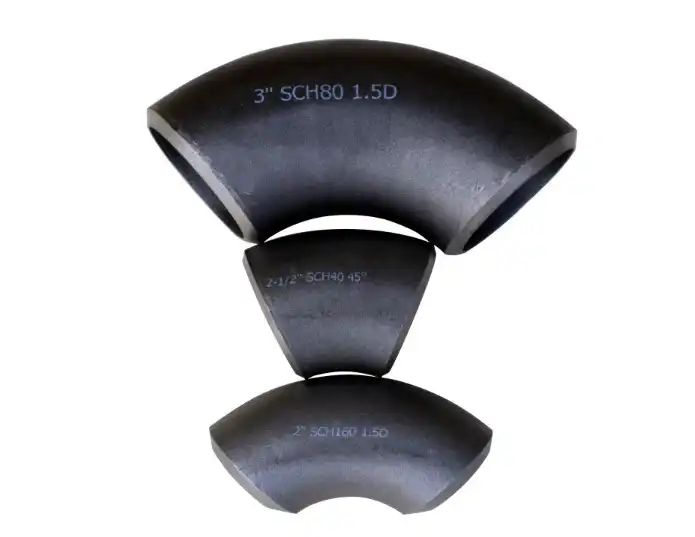
Understanding Critical System Requirements for Industrial Applications
Under the severe conditions that are present in the oil, chemical, natural gas, and water conservation industries, critical systems are put through their paces, and there is no space for component failure. When pipe connectors are exposed to these environments, they are subjected to pressures that exceed 1000 PSI, temperatures that range from cryogenic to 800 degrees Fahrenheit, and strong chemicals that attack materials that are of lower quality.
Especially in high-pressure applications, where leak integrity is of the utmost importance, socket weld pipe fittings perform exceptionally well. The recessed design makes it possible for pipes to be inserted deeply into the fitting, which results in the formation of a strong mechanical connection prior to welding. Due to the great structural strength that this arrangement offers, socket welds are an excellent choice for transporting combustible or poisonous materials, where even a small amount of leakage can result in catastrophic consequences.
When it comes to essential systems, butt weld layouts offer a variety of favorable features. By eliminating internal fissures, which might potentially house corrosive buildup or produce stress concentration spots, the continuous metal structure reduces these potential hazards. However, when they are conducted correctly, butt welds enable total penetration, which guarantees flawless flow characteristics that are important for high-volume applications in power generation and large-scale chemical processing.
The selection of materials has a significant impact on performance throughout a wide range of operating circumstances. Carbon steel fittings that are in accordance with the standards of ASTM A234 offer solutions that are both cost-effective and suitable for moderate service conditions. In chemical conditions, grades of stainless steel such as 316L offer greater corrosion resistance, whilst specialty alloys are able to endure intense temperatures in boiler applications.
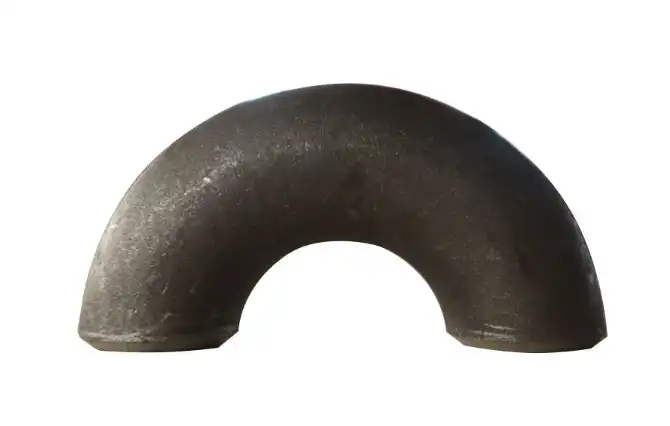
Material Standards and Certifications That Matter
Pipe fitting production is governed by international standards to ensure that the product is of constant quality and may be interchanged across numerous markets across the world. The specifications for butt weld fittings are defined by ANSI B16.9, while ASME B16.11 addresses socket weld and threaded designs. Both sets of specifications provide dimensions and tolerances. By gaining an understanding of these standards, purchasers are better able to specify components that are suitable for their applications.
A manufacturer's dedication to quality management systems that govern every step of production is demonstrated by the manufacturer's completion of the ISO 9001 certification process. When it comes to buying from international suppliers, this certification becomes very significant because it provides confidence that established procedures control the selection of raw materials, production processes, and final inspection standards.
In addition to being an essential certification level, special equipment manufacturing permits are also important. In order to create components for pressure vessel applications, manufacturers must possess the technical capability and quality systems that are required, and these certifications certify that they possess these capabilities. When pipe fittings are integrated into systems that are governed by pressure vessel codes, such credentials become obligatory.
The standards for material traceability require manufacturers to keep comprehensive documentation, beginning with certifications from steel mills and continuing all the way through the delivery of the final product. End users are able to verify the chemical composition, mechanical qualities, and heat treatment history of the product through the use of this documentation trail. This is essential information for the reasons of liability and insurance in high-stakes industrial applications.
Furthermore, the capabilities of third-party inspections give an additional layer of quality assurance. Witness testing, material verification, and dimensional inspection services can be provided by manufacturers who are equipped with certified inspectors and advanced testing equipment. These services are able to satisfy the most demanding standards for the implementation of the project.
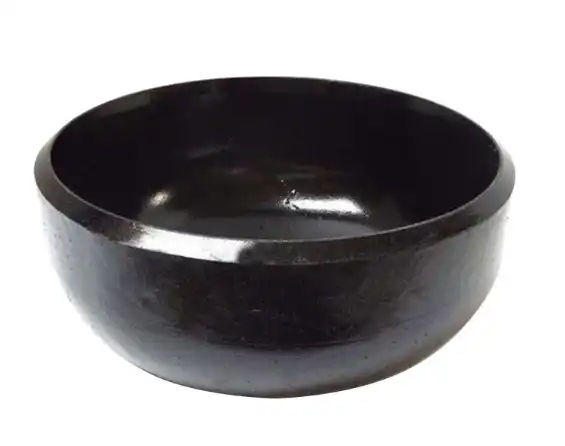
Welding Techniques and Quality Considerations
The techniques for socket welding demand precise expertise in order to obtain the highest possible joint quality. In addition to lowering residual stress at the weld root, the essential expansion gap of 1/16 inch that exists between the pipe end and the socket shoulder reduces the likelihood of binding occurring during thermal expansion. Within the context of cyclic loading conditions, this seemingly insignificant element has a substantial impact on the long-term durability of the joint.
In order to properly prepare a socket weld, it is necessary to pay close attention to the fit-up tolerances and the cleanliness of the surface. It is possible for weld flaws to be caused by contamination from oil, grease, or foreign particles, which can threaten the integrity of the joint. As a result of the fact that socket welds rely on fillet welds rather than full penetration, skilled welders are aware that surface examination and penetrant testing are essential for quality verification.
When conducted properly, butt weld joints give higher strength; however, they need more complex welding methods to be performed. In order to achieve complete penetration welds, it is necessary to perform precise bevel preparation, regulated root apertures, and multi-pass procedures that guarantee sound fusion across the joint cross-section. The continuous metal structure that was produced as a result completely removes stress concentrations and offers the best possible flow characteristics.
When it comes to inspection methods, the socket and butt weld configurations are very different from one another. It is possible to detect internal problems in butt welds through radiographic testing; however, this method is not feasible for socket weld fillets. Due to the fact that magnetic particle and liquid penetrant testing methods identify surface and near-surface discontinuities in both types of joints, it is vital to pick inspection techniques in an appropriate manner in order to ensure quality.
Qualifications for welding procedures are documents that demonstrate that particular combinations of materials, joint designs, and welding conditions create outcomes that are satisfactory. For applications that are considered vital, these standards become obligatory, and they provide assurance that field welding will attain the levels of performance that were developed.
Supplier Selection Criteria for Industrial Projects
Pipe fitting suppliers who are remarkable in their technical capabilities are distinguished from those who are commodity sellers. Consistent quality can be achieved while retaining reasonable price thanks to the utilization of cutting-edge production equipment such as computer numerical control (CNC) machining centers, automated welding systems, and precision forming presses. By investing in current equipment, manufacturers demonstrate their dedication to maintaining long-term connections with their customers rather than focusing on maximising profits in the short term.
Infrastructure for quality control is yet another extremely important evaluation criterion. Products that have been provided are guaranteed to be in compliance with the specifications that have been stated thanks to the comprehensive inspection capabilities that include chemical analysis, mechanical testing, dimensional verification, and nondestructive examination. Without these capabilities, suppliers frequently rely on laboratories located outside of their organization, which can result in delays and possible quality deficiencies.
The stability of the global supply chain is becoming increasingly critical as industrial projects are being carried out across several countries and time zones. Suppliers who have demonstrated experience in exporting are familiar with the international shipping requirements, documentation procedures, and customs clearance processes that are necessary to avoid costly delays in project completion. The ability to demonstrate both operational maturity and cultural flexibility is demonstrated by a track record of serving customers throughout Europe, the Americas, Africa, and Asia.
With the capabilities of inventory management, suppliers are able to quickly respond to urgent requirements while also maintaining cost-effective pricing for planned purchases. The ability to meet both emergency events and scheduled deliveries without compromising quality or prolonging lead times is a capability that manufacturers who have considerable raw material stockpiles and finished goods inventory possess.
In contrast to simple product vendors, professional suppliers are distinguished by their provision of technical support services. Value is added by engineering support with material selection, joint design optimization, and installation methods, and this value persists much beyond the initial purchase transaction. When it comes to projects that entail non-standard applications or exceptional operating conditions, this help proves to be especially valuable.
FAQ
Initial purchase price represents only one component of total ownership costs for pipe fittings in critical systems. Installation labor, inspection requirements, and maintenance considerations often exceed material costs over the system lifecycle. Understanding these relationships helps buyers make informed decisions that optimize long-term value rather than minimize short-term expenses.
Socket weld fittings typically command higher unit prices than comparable butt weld configurations due to their more complex geometry and machining requirements. However, their simpler welding procedures may reduce installation labor costs, particularly when skilled pipe welders are in short supply. This trade-off becomes significant for projects involving numerous small-diameter connections.
Material selection impacts both initial costs and lifecycle performance. Premium alloys cost substantially more than carbon steel but provide superior corrosion resistance that extends service life while reducing maintenance requirements. Projects in aggressive chemical environments often justify premium materials through reduced replacement and downtime costs.
Quality-related costs extend beyond material and labor to encompass inspection, documentation, and potential failure consequences. Higher-grade suppliers may charge premium pricing but deliver comprehensive documentation packages and quality assurance that reduces project risk. The cost of a single fitting failure in critical service often exceeds the price premium for superior quality components.
Supply chain efficiency affects total project costs through inventory carrying charges, expediting fees, and schedule compression penalties. Suppliers with reliable delivery performance and flexible ordering procedures help customers optimize working capital while maintaining project schedules.
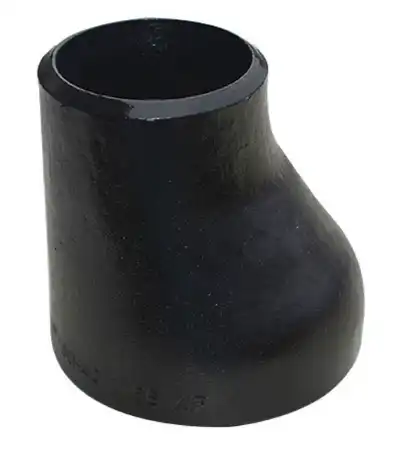
Partner with Oudi for Superior Pipe Fitting Solutions
Oudi stands as your trusted pipe fittings manufacturer, combining 25 years of experience with cutting-edge production capabilities to serve critical industrial applications worldwide. Our comprehensive product range includes carbon steel, stainless steel, and alloy steel pipe connectors manufactured to international standards, including ANSI, JIS, DIN, and BS specifications. With ISO 9001 certification and special equipment manufacturing licenses, Oudi delivers the quality assurance and technical expertise that demanding projects require. Contact oudi-04@oudiguandao.com to discuss your pipe fittings supplier needs.
References
1. Smith, J.A. (2023). "Advanced Materials in High-Pressure Pipe Fitting Applications." Journal of Industrial Engineering, Vol. 45, pp. 123-138.
2. Rodriguez, M.C. (2022). "Quality Management Systems in Pipe Fitting Manufacturing: A Global Perspective." International Manufacturing Review, Vol. 34, No. 3, pp. 67-84.
3. Thompson, R.K. & Williams, S.L. (2023). "Welding Procedures for Critical Pipeline Systems." Welding Technology Quarterly, Vol. 28, pp. 45-62.
4. Chen, H.W. (2022). "Material Traceability in Industrial Pipe Fitting Supply Chains." Supply Chain Management Today, Vol. 19, No. 2, pp. 89-103.
5. Anderson, P.B. (2023). "Cost Analysis of Pipe Fitting Selection in Chemical Processing Plants." Process Engineering Economics, Vol. 31, pp. 156-174.
6. Kumar, S.V. (2022). "International Standards Compliance in Pipe Fitting Manufacturing." Standards and Quality Assurance, Vol. 26, No. 4, pp. 78-95.

Need help finding the right solution with our experts. Please contact us.

SINCE 1998 Your Reliable Pipeline Manufacturer



