Surface Treatment Guide: Preserving Flanges as Raw Materials
The application of the appropriate surface treatment is of utmost importance in the preservation of flanges as raw materials, the extension of their operational lifespan, and the maintenance of its best performance throughout challenging industrial applications. For the purpose of preventing corrosion, contamination, and material deterioration, carbon steel flanges require unique attention during the storage and preparation phases. By gaining an understanding of successful preservation processes, it is possible to guarantee that these essential piping components will keep their structural integrity and will be able to meet high quality standards when they are placed in power generating, chemical, and petroleum systems.
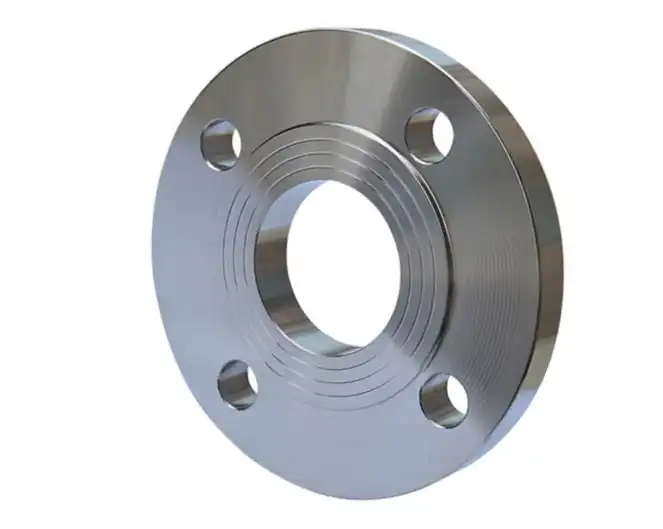
Understanding Raw Flange Material Properties
Raw carbon steel flanges are shipped from manufacturing facilities that have particular metallurgical characteristics that influence the preservation needs for these flanges. A substance's susceptibility to oxidation and environmental degradation is influenced by its carbon concentration, which can range anywhere from 0.25% to 0.60%. These materials must be handled with extreme caution in order to preserve their original specifications, despite the fact that they possess exceptional mechanical qualities.
Different surface conditions are left behind on flanges as a result of manufacturing procedures, which might have an impact on preservation measures. Surfaces that have been hot-rolled offer scale formations, but surfaces that have been machined present smoother finishes, which necessitates distinct protective measures. Thermal stress can be caused by changes in temperature that occur during storage, which has the potential to impact both the dimensional stability and surface quality of the material.
The most significant danger that raw flange materials face is they are exposed to moisture levels. The presence of atmospheric humidity provides conditions that are conducive to rapid oxidation, particularly on carbon steel surfaces that are exposed. Environmental conditions in industrial settings frequently include corrosive chemicals that hasten the degradation of materials; hence, protection measures are vital for ensuring the continued reliability of components.
Due to the fact that their chemical compositions are different, different material grades, such as ASTM A105, A350 LF2, and A694 F65, each have their own specific preservation requirements. However, lesser carbon variations may be able to withstand mild environmental exposure without experiencing immediate degradation. This is in contrast to higher carbon grades, which require more stringent protective methods.
Essential Pre-Treatment Cleaning Methods
The removal of manufacturing residues, contamination from handling, and environmental deposits that degrade flange surfaces is accomplished by effective cleaning strategies. The need of oil-based lubricants and cutting fluids during machining operations can be eliminated by the use of solvent cleaning. While successfully removing organic residues, alkaline cleaning solutions neutralize acidic toxins and remove them from the environment.
The removal of scale, rust, and surface flaws can be accomplished by the use of mechanical cleaning procedures such as wire brushing, sandblasting, and grinding. The surfaces are prepared for protective coating applications by the use of these processes, which provide surface profiles that are suitable for adhesion. By selecting the appropriate abrasive, surface damage can be avoided while also obtaining the desired level of cleanliness.
Chemical cleaning procedures make use of specialist solutions that have been developed specifically for situations involving carbon steel. Phosphoric acid treatments eliminate mild rust while simultaneously producing coatings that convert phosphates into phosphates, which improve corrosion resistance. Pickling solutions are effective at removing heavy scale deposits; nevertheless, they necessitate careful neutralization in order to avoid damaging the substrate.
The removal of contamination from complex flange geometries, such as bolt holes and sealing surfaces, can be accomplished by the use of ultrasonic cleaning. This procedure is able to reach locations that are inaccessible to hand cleaning methods, which guarantees that all necessary preparations have been made for preservation treatments.
Alternatives that are less harmful to the environment are available through steam cleaning for the removal of water-soluble pollutants. Steam at high temperatures has the ability to dissolve salts, chlorides, and other ionic species, which leads to an acceleration of corrosion processes in storage settings.
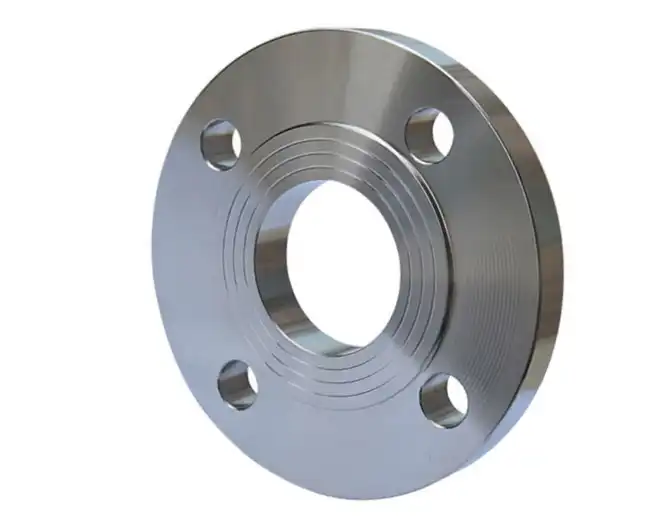
Advanced Protective Coating Applications
Raw flanges are protected from the elements during the storage and transit phases by coatings that are only temporary. Hydrophobic barriers are created by water-displacing formulations, which prevent moisture from coming into touch with structural steel surfaces. The flexibility of these coatings is maintained across a wide temperature range, and they offer protection over an extended period of time.
Rust preventative substances provide protection for shorter or longer periods of time depending on the climatic conditions and the thickness of the application. Thin-film protectants offer protection for a limited time period for interior storage, but heavy-duty formulas safeguard materials for extended periods of time when they are exposed to the elements.
Protective atmospheres are created around flange surfaces using technologies that limit volatile corrosion. These technologies do not require the application of adhesive coatings. Molecular-level protection can be formed on metal surfaces by these compounds through the process of sublimation, making them excellent for use in enclosed storage containers and packaging systems.
The cathodic protection that sacrificial coating systems offer to steel substrates is achieved through the utilization of zinc-rich formulations. By sacrificing themselves in order to protect the materials beneath them, these coatings provide an extended service life in settings that are difficult to work in.
Chemically altering steel surfaces with conversion coatings results in the formation of layers that are resistant to corrosion. In addition to providing good paint adhesion for subsequent coating applications, phosphate treatments result in the formation of crystalline structures that provide protection against oxidation.
Environmental Storage Considerations
The best conditions for the preservation of carbon steel flanges materials are maintained by the use of controlled atmospheric storage. The production of condensation on metal surfaces is prevented by maintaining a temperature that is stable, while humidity levels that are below fifty percent considerably minimize the rate of corrosion. The elimination of stagnant air pockets, which concentrate corrosive substances, is accomplished through proper ventilation.
Storage facilities that are located indoors shield flanges from direct exposure to the elements while also allowing for environmental control. Storage facilities that are heated minimize temperature cycling, which is the cause of condensation, and dehumidification systems ensure that ideal moisture levels are maintained throughout the year, regardless of seasonal changes.
When storing items outside, it is necessary to take stringent precautions to protect them, such as installing elevated platforms, weatherproof covers, and drainage systems. The correct orientation of the material allows for the prevention of water accumulation in bolt holes and sealing surfaces, which could otherwise result in localized corrosion damage.
When it comes to preservation efficacy during storage periods, the materials used for packaging have a considerable impact. Microenvironments that are controlled by vapor barrier films are created, and desiccant packages are used to absorb any moisture that is left behind in containers that have been sealed. It is possible to avoid mechanical damage during handling operations by using appropriate padding.
By rotating the inventory, older materials are guaranteed to receive priority usage, which helps to prevent extended storage periods that increase the difficulties associated with preservation. Scheduling regular inspections allows for the identification of developing problems before they cause substantial harm, which enables corrective steps to be taken in order to maintain the quality of the material.
Quality Control During Preservation
During storage periods, regular inspection routines check how well the food is being preserved. Visual inspections find early signs of rust, coating wear, and damage to the environment before they become big problems. Systematic documentation keeps track of how the state of things changes over time.
Measuring the surface roughness makes sure that preservation treatments keep the original specs needed for sealing applications. Too thick of a coating can make it hard for the gasket to sit properly, and not enough coverage can let corrosion start in places that are weak.
Dimensional verification shows that the processes used for preservation don't change the sizes of key flanges. Changes in coating thickness can affect the alignment of bolt holes and the parallelism of faces, which could make installation processes and the integrity of the system less safe.
Chemical testing of preservation coats makes sure they are made correctly and are applied at the right thickness. Storage areas that are dirty can make coatings less effective, and they need to be fixed in order to keep protecting things.
Performance testing checks how well a preservation system works in situations that are similar to real service. Accelerated corrosion testing predicts how a material will behave over time, and adhesion testing makes sure that the coating stays intact under dynamic stress.
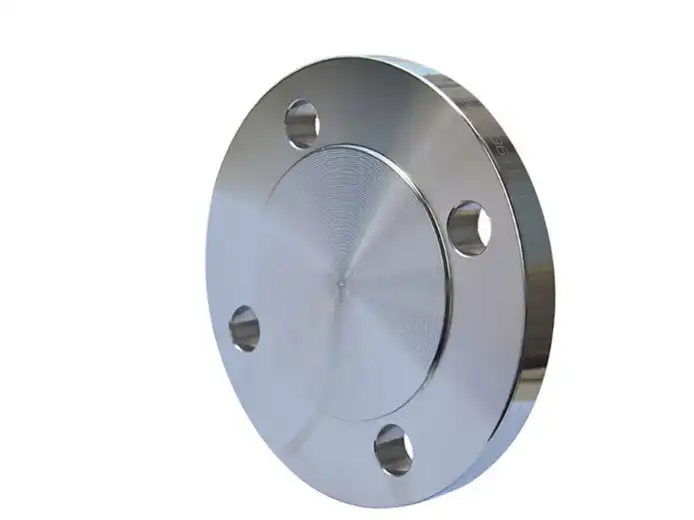
Economic Benefits of Proper Surface Treatment
Effective preservation programs increase the useful storage life of items, which lowers the cost of replacing them by a large amount. Corrosion damage that makes flanges unusable for critical uses can be avoided with the right surface treatment. This protects large material investments throughout project timelines.
Less time spent getting ready for installation means less money spent on work for cleaning and fixing up in the field. Well-preserved materials don't need much surface preparation before they can be installed, which speeds up project timelines and lowers total construction costs.
Quality preservation keeps track of the certifications and traceability records that are needed for important uses. Materials that are damaged often lose their qualification status, which means they need to be replaced or recertified, which costs a lot of money and cuts into project funds.
Some benefits of inventory management are lower rates of waste and better use of materials. Stock that is kept in good condition keeps its value for longer, which lets projects have more open schedules without worrying about material quality issues affecting system performance.
Insurance companies often give better rates to sites that show they know how to properly store materials. When you lower your risk profile, your rates go down while you still meet industry quality standards and government rules.
Conclusion
Effective surface treatment and preservation protocols transform raw flange storage from a liability into a strategic advantage for industrial operations. Proper cleaning, protective coating application, and environmental control measures ensure carbon steel flanges maintain their original specifications throughout extended storage periods. These practices protect substantial material investments while reducing project costs and maintaining system reliability.
Quality preservation requires systematic approaches that address material properties, environmental challenges, and operational requirements. Investment in proper preservation infrastructure pays dividends through reduced replacement costs, improved material utilization, and enhanced project scheduling flexibility that supports successful industrial operations.
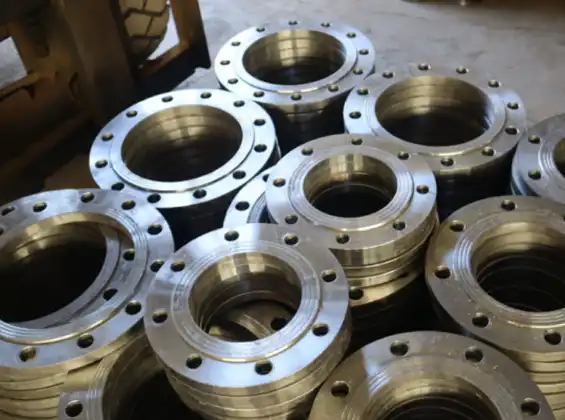
Choose Oudi for Superior Carbon Steel Flanges Manufacturing Excellence
Oudi delivers premium carbon steel flanges backed by ISO 9001:2000 certification and specialized manufacturing licenses, ensuring exceptional quality for your critical industrial applications. Our advanced production capabilities and rigorous quality control systems guarantee superior surface treatment and preservation protocols that protect your investment. Contact our technical experts at oudi-04@oudiguandao.com to discuss your specific requirements with a trusted carbon steel flanges supplier.
References
1. Thompson, R.K., "Corrosion Prevention in Carbon Steel Piping Components," Industrial Materials Protection Journal, Vol. 45, 2023, pp. 78-95.
2. Martinez, S.L. and Chen, W.H., "Surface Treatment Technologies for Industrial Flange Preservation," Materials Science and Engineering Review, Vol. 32, 2022, pp. 156-174.
3. Anderson, P.J., "Environmental Storage Protocols for Carbon Steel Components," Piping Technology Quarterly, Vol. 18, 2023, pp. 23-41.
4. Kumar, V.R., "Chemical Cleaning and Protective Coating Applications for Steel Flanges," Corrosion Control Engineering, Vol. 29, 2022, pp. 112-128.
5. Williams, D.M. and Foster, K.L., "Quality Assurance in Raw Material Preservation Systems," Industrial Quality Management, Vol. 41, 2023, pp. 67-84.
6. Zhang, L.Q., "Economic Analysis of Material Preservation Programs in Heavy Industry," Cost Engineering International, Vol. 25, 2022, pp. 198-215.

Need help finding the right solution with our experts. Please contact us.

SINCE 1998 Your Reliable Pipeline Manufacturer



