High-Temperature CS Elbows for Extreme Environments
Choosing the right pipe parts can make the difference between a successful operation and a catastrophic failure in fields where equipment is constantly under heat stress and corrosive conditions. High-temperature carbon steel elbows are important parts of pipeline systems that work in very hot and pressurized conditions because they allow for changes in direction while keeping the structure strong. These special parts are made to work in places where temperatures go above 400°C (750°F), like petrochemical factories and power plants, where regular materials would quickly break down or stop working.
Understanding High-Temperature Carbon Steel Elbows
What Makes These Fittings Essential for Extreme Conditions?
When we talk about high-temperature carbon steel elbows made for high temperatures, we're talking about precision-engineered parts that are more than just pipe joints. These parts have certain amounts of carbon in them, usually between 0.15% and 0.30%, along with manganese, silicon, and minor elements that make them more stable at high temperatures. Because of how their molecules are structured, these materials can keep their dynamic qualities even after being heated for a long time at temperatures that would break down regular steel.
Design Standards That Govern Quality
To make these important parts, we need to strictly adhere to widely accepted standards. The ASTM A234 standards say what the material is made of and what its mechanical qualities are. The ASME B16.9 standards say what the physical and dimensional limits are. We've seen how these standards make sure that each batch of production is the same. This lowers the risk of buying for people who count on reliable specs. Additionally, the DIN and JIS standards offer extra frameworks that meet the unique needs of different regions. This gives purchasing teams more options when they need to buy from sellers around the world.
Material Characteristics That Drive Performance
The chemicals in these high-temperature carbon steel elbows have a direct effect on how well they work when they are stressed. Manganese makes the material more flexible and resistant to heat shock, while carbon's presence gives it basic strength. Silicon helps fight oxidation at high temperatures, which keeps the surface from wearing down and threatening the fitting's integrity. From working on power generation projects, we know that properly made carbon steel keeps its tensile strength above 400 MPa even at high running temperatures, making it a better value for money than many other options.
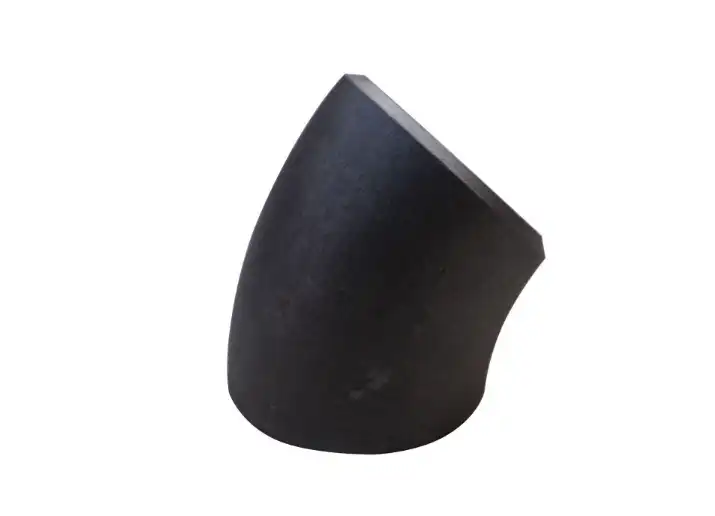
Comparing High-Temperature Carbon Steel Elbows with Alternatives
Carbon Steel Versus Stainless Steel and Alloy Options
When people argue about what materials to use, they often compare High-temperature carbon steel elbows to stainless steel or other metals. Carbon steel versions are forceful for how much they cost, which makes them a good choice for big projects where cost is an issue. Stainless steel versions are better at resisting rust, but they are much more expensive—often three to five times pricier per joint. Alloy steels, like chromium-molybdenum types, are in the middle. They can handle higher temperatures than regular carbon steel, but they don't cost as much as stainless steels.
Different types of these materials can handle a wide range of temperatures. Standard carbon steel stays strong up to about 425°C, while stainless steel types can be used at temperatures of 600°C or higher. But when there aren't many toxic materials present and the temperature stays within what carbon steel can handle, the cost savings are big. We've worked with factories that process non-corrosive hydrocarbons and seen carbon steel versions last 15 years with proper upkeep. This indicates that they are useful in some situations.
Short Radius Versus Long Radius Configurations
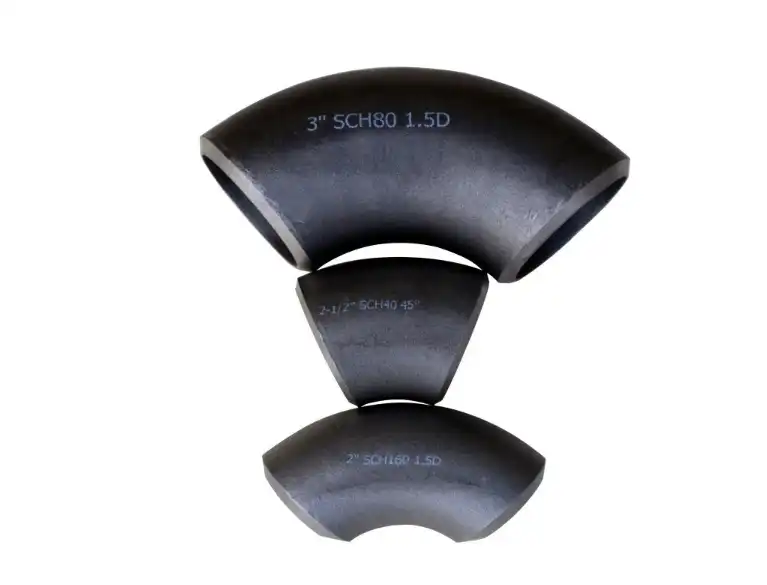
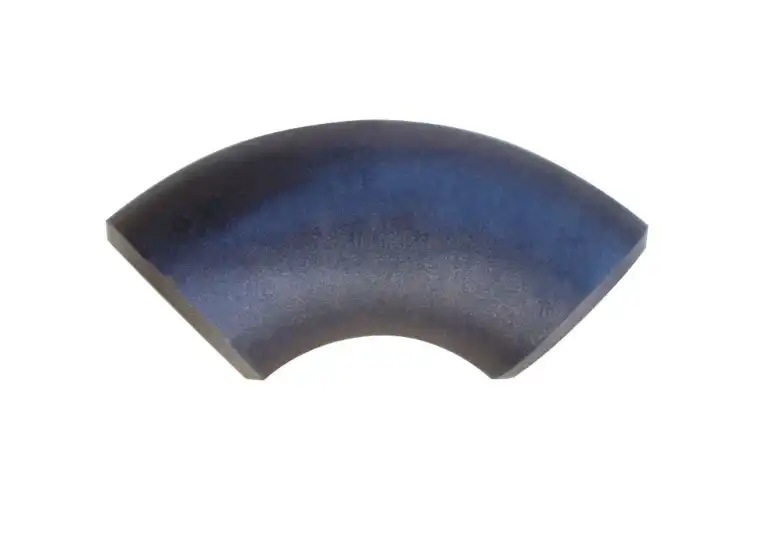
The choice of radius affects both the process of placement and the flow of fluid. Short-radius, high-temperature carbon steel elbows, whose bend radii are equal to the standard pipe diameter, can be used in tight areas where layout restrictions require small solutions. Long radius models, with bend radii 1.5 times the width, keep pressure drop to a minimum and prevent erosion in high-speed situations. The 90-degree version is still the most common shape, making up about 80% of all direction changes in industrial pipe systems. Long radius shapes, when they have enough room, lower noise and make parts last longer by spreading stress more evenly across the bend.
How to Select the Best High-Temperature Carbon Steel Elbow for Industrial Use?
Assessing Your Operating Environment
A full study of the surroundings is the first step in selection. Temperature patterns across the whole system show if the types of high-temperature carbon steel elbows are enough or if better materials need to be used. Pressure rates need to take surge conditions into account as well as steady-state operation. Not having enough pressure margin during transient events causes a lot of system breakdowns. Corrosion rates are affected by the chemicals in the media that are being moved, so it is important to carefully monitor the pH levels, sulfur content, and wetness levels.
Material Grades and Certification Requirements
WPB (ASTM A234) is the standard grade for mild temperature service and can be used in situations up to 425°C. The WP11 and WP22 metal grades can handle higher temperatures while keeping their mechanical and weldability qualities when they are heated and cooled. The paperwork for certification should include mill test reports that show the chemical makeup, mechanical test results that show the tensile and yield strengths, and heat treatment records that show the right way the material was heated.
Buyers who work with regulated businesses need more layers of proof. ISO 9001 approval shows that quality management is done in a planned way, and special equipment making licenses show that the rules in certain places are being followed. We've noticed that providers who offer full testing, such as ultrasonic examination, radiographic inspection, and positive material identification, have fewer failures in the field and lower long-term upkeep costs.
Dimensional Specifications and End Connections
The choice of wall width strikes a balance between keeping pressure inside and saving money on weight and materials. For many uses, Schedule 40 is enough. For higher pressure rates, you'll need Schedule 80 or XXS. There are different ways to prepare the ends, such as beveled ends for butt welding, socket weld setups for smaller sizes, and threaded connections for when the parts need to be taken apart. The 45-degree high-temperature carbon steel elbow version is used in certain layouts where softer changes in direction help the flow of fluids or allow for expansion movements.
Supplier Evaluation Criteria
To find reliable suppliers, you need to look at more than just their product offers. Annual production capacity shows the ability to complete large orders. For example, facilities that produce 16,000 tons per year demonstrate their capacity to meet the needs of big projects. Advanced inspection tools, like spectroscopy for checking the quality of the material and hydraulic tests for checking the stability under pressure, show a dedication to quality control. Exporting to more than 40 countries shows that you are familiar with a wide range of licensing standards and the challenges of logistics.
Installation and Maintenance Best Practices for High-Temperature Carbon Steel Elbows
Preparation Steps That Prevent Future Problems
A good fitting starts before the welding tools get there. Preparing the surface gets rid of mill scale, rust, and other contaminants that hurt the quality of the weld. Fit-up alignment makes sure that the pipe parts fit together correctly, which stops stress concentrations that speed up wear. The amount of preheat needed depends on the high-temperature carbon steel elbow's carbon content and the temperature of the area. For example, higher carbon types need controlled warmth to keep hydrogen from cracking during welding.
Welding Techniques for Structural Integrity
Qualified welding methods should specify the electrodes, amp ranges, and maximum and minimum temperatures allowed between passes. For some grades and sizes, post-weld heat treatment is required. This relieves leftover stress that could cause cracks in service. Non-destructive testing checks the quality of the weld without damaging the part. Radiographic testing finds internal gaps, and ultrasound checking makes sure the fusion is complete.
Maintenance Protocols That Extend Service Life
External corrosion, the state of the insulation, and the stability of the high-temperature carbon steel elbow supports should all be part of regular check plans. Ultrasonic thickness readings keep track of how much material is lost, allowing us to plan replacements ahead of time before they fail. Thermal imaging finds hot spots that mean the insulation is breaking down or there are problems with the flow inside. Facilities that use quarterly inspection programs say that parts last 40% longer than facilities that use reactive maintenance methods. This means that there are fewer unexpected shutdowns and the production costs that come with them.
Procurement Insights: Buying High-Temperature Carbon Steel Elbows with Confidence
Navigating Global Supply Channels
Sourcing methods usually include both direct ties with manufacturers for big orders and networks of distributors for smaller, more immediate needs. Chinese companies have good names in this market area for high-temperature carbon steel elbows because they offer low prices without sacrificing quality, as long as the right checks are done. European and North American suppliers can finish tasks faster, but they usually charge more because labor and regulations raise their prices.
Verification Steps That Mitigate Risk
Reviewing the certification's supporting documents should prove its accuracy before it is shipped. Asking for inspection records, mill test certificates, and compliance statements from the maker creates a paper trail that backs up quality claims. Third-party inspection services add cost but lower procurement risk by providing independent proof for important uses or providers that aren't well known. Payment terms that protect both parties, like letters of credit with inspection clauses, combine the buyer's need for quality guarantee with the seller's need for security.
Conclusion
When choosing the right high-temperature carbon steel elbow, you have to weigh the costs and the functional needs. When properly defined, bought from qualified makers, and installed according to best practices in the industry, these parts work reliably in harsh environments. Procurement teams can get the best deals on both starting prices and long-term value by learning about the properties of materials, comparing options in an unbiased way, and building relationships with reliable suppliers. Because the metals are well-known, the manufacturing standards are well-established, and the quality is carefully checked, these important pipe parts can be trusted in a wide range of industry settings.
FAQ
What Temperature Range Can Carbon Steel Elbows Safely Handle?
Standard types of high-temperature carbon steel elbows, like ASTM A234 WPB, can safely work at temperatures up to 425°C (797°F) for long periods of time. Alloy-enhanced types like WP11 and WP22 raise this temperature range to 600°C (1112°F), but for specific uses, you should check the manufacturer's instructions and any relevant codes. Higher temperatures may be allowed for short periods of time, based on how often and for how long, but running something over its stated limits for a long time speeds up creep deformation and oxidation.
How Do Maintenance Requirements Compare Between Carbon and Stainless Steel?
High-temperature carbon steel elbows need to be watched for rust more closely, especially in places that are wet or have harsh chemicals. Coatings on the outside and excellent soundproofing make upkeep a lot easier. Stainless steel options reduce the risk of rusting, but they need to be monitored for chloride exposure and stress corrosion cracking. Overall upkeep costs often favor carbon steel in the right situations because it costs less to repair, which balances out the need for more frequent inspections.
Which Industries Rely Most Heavily on These Fittings?
As a result of the high temperatures and pressures they work in, petrochemical factories, power plants, and natural gas processing plants are the main users of the high-temperature carbon steel elbow. These parts also see a lot of use in the infrastructure for making boilers, mixing chemicals, and treating water. The thermal stability of these valves makes them useful for any job that involves steam, heated fuels, or moving fluids at high temperatures.
Partner with Oudi for Certified High-Temperature Carbon Steel Elbow Solutions
Since 1998, Oudi has sent precision-engineered pipe parts to more than 300 customers in over 40 countries. Our name is based on reliable quality and quick service. We strictly control quality from the time we check the raw materials until the final review as a company that makes high-temperature carbon steel elbows and has ISO 9001 certification and licenses to make special equipment. Our annual production capacity of 16,000 tons provides a steady supply for projects of all sizes, and our wide range of products meets American, Japanese, German, and British standards in carbon steel, stainless steel, and metal forms.
Whether you need standard 90-degree High-temperature carbon steel elbows for refinery pipes or special specs for a specific process, our technical team will help you every step of the way during the purchase process. To discuss your project needs, please contact Oudi at oudi-04@oudiguandao.com. He is a reliable source for high-temperature carbon steel elbows and is dedicated to providing value through top-notch goods and strong partnerships.
References
1. American Society of Mechanical Engineers. (2020). ASME B16.9: Factory-Made Wrought Buttwelding Fittings. New York: ASME Press.
2. Davis, J.R. (2006). Carbon and Alloy Steels: Fundamentals of Their Metallurgy and Performance. Materials Park, OH: ASM International.
3. Harvey, J.F. (1991). Theory and Design of Pressure Vessels. New York: Van Nostrand Reinhold.
4. Mohitpour, M., Golshan, H., & Murray, A. (2007). Pipeline Design and Construction: A Practical Approach. New York: ASME Press.
5. Nayyar, M.L. (2000). Piping Handbook (7th ed.). New York: McGraw-Hill.
6. Szymakowski, J. & Lipiński, T. (2018). "High-Temperature Behavior of Carbon Steel Pipe Fittings in Petrochemical Applications." Journal of Materials Engineering and Performance, 27(8), 4215-4228.

Need help finding the right solution with our experts. Please contact us.

SINCE 1998 Your Reliable Pipeline Manufacturer