Tailored CS Elbow Solutions for Unique Pipelines
It's necessary to use a custom elbow made of carbon steel when normal pipe fittings can't meet the specific needs of industry projects. These precision-engineered parts fit easily into a wide range of pipeline designs, allowing for unmatched direction changes without compromising structural integrity. At Oudi, we've spent more than 20 years perfecting the art of making custom elbow solutions that meet the exact size requirements, pressure ratings, and material mixes that are needed for important infrastructure projects. Our custom carbon steel elbow fills the gap between what's available off the box and what the project needs. This makes sure that your pipeline works at its best in oil, chemical, natural gas, and water treatment uses.
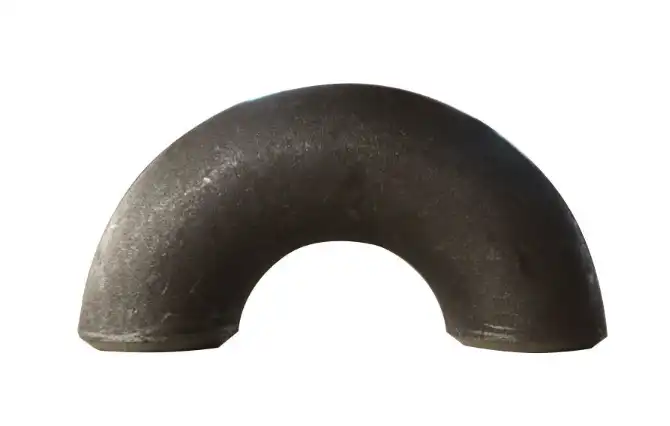
Understanding Custom Carbon Steel Elbows: Specifications, Types, and Benefits
Specialized pipe joints made from carbon steel are designed to change the flow of fluids or gases precisely where standard angles are ineffective. Mass-produced elbows can only be made at standard angles like 45 or 90 degrees. Custom elbows, on the other hand, can be made to fit odd angles, diameters that are too big, and radius needs that are specific to fitting problems that happen in the real world.
Manufacturing Processes That Define Quality
Either hot forming or cold bending is used to make high-quality carbon steel joints. The most common way is still hot pushing, in which steel pipes are heated to around 900–1000°C and then pushed through special dies that make the turn. This method keeps the material's structure while getting precise curvature. Another option is hot induction bending, which uses targeted heating to bend certain parts of the pipe gradually without reducing the wall thickness. Each method produces different results that are optimal for various pressure conditions and installation constraints.
Types and Their Industrial Applications
We make three main types of elbows to meet a range of operating needs:
- Seamless elbows are the best when it comes to high-pressure uses. Because these elbows are made from a single piece of pipe stock and don't have any horizontal lines, they don't have any weak spots that could break under heavy stress. Offshore drilling platforms and chemical processing plants often ask for smooth building because they can't handle leaks or breaks.
- Welded elbows are a cheap way to fix systems with mild pressure. These fittings are made by shaping a flat steel plate into a tube shape and then welding the seam together. They work reliably in water distribution systems for cities, HVAC systems in buildings, and general industrial pipes where cost and performance must balance.
- Fabricated elbows are used when the size or shape of the joint is unusual. We make elbows that are bigger than standard sizes or with branches and supports by cutting and welding together several pieces of pipe. This freedom is useful for power plants and shipyards that need to route pipes through tight areas or around structural obstacles.
The difference between short radius and long radius bends has a big effect on how the work is planned. When the middle radius of a short radius elbow is the same as the standard pipe diameter, it makes installations easier in tight spaces, but it also causes more pressure drops and turbulence. Long radius models, with a central radius 1.5 times the pipe diameter, help fluids flow more smoothly and wear down less, so they last longer in abrasive fluid uses.
Technical Specifications That Matter
Accuracy in measurements affects how well a system works. We keep the outside width within ±1%, the wall thickness within ±12.5%, and the angle accuracy within ±1 degree. This makes sure that the pipes are lined up correctly with the ones next to them. The pressure values cover ANSI Classes 150 to 2500, which means they can handle working pressures of up to 6,170 psi at room temperature. For general use, you can choose materials like ASTM A234 WPB. For high-temperature uses up to 1,100°F, you can choose alloy types like WP11 and WP22.
These standards have a direct effect on how reliable something is in use. When it's working at 2,000 psi and 750°F, a mill hydrocracker machine can't stand material or size differences. Before a package goes out, our quality control methods check every important dimension and mechanical property. This keeps field fit-up issues that slow down commissioning and raise project costs to a minimum.
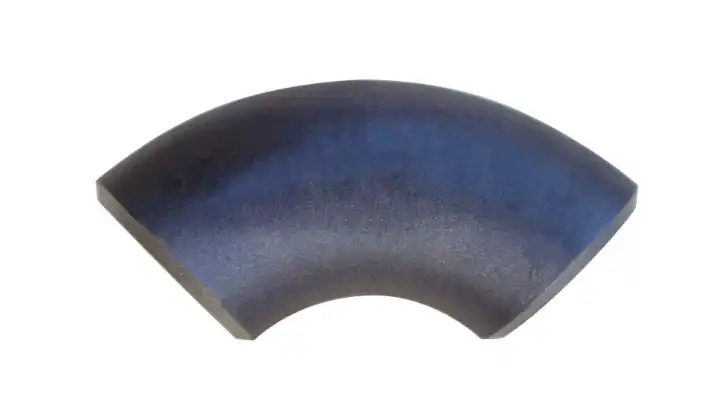
Carbon Steel vs Stainless Steel Elbows: Making the Right Choice for Your Pipeline
Material choice has a big impact on how well a pipeline system works, how much it costs to run, and how much upkeep it needs. Elbows made of carbon steel and stainless steel both work well to change the flow, but their different properties improve them for different working situations.
Mechanical Strength and Durability
When there is a lot of pressure and mechanical strength is more important than rust, custom carbon steel elbows work great. Carbon steel can handle the temperature changes and pressure changes that happen in steam systems, boiler feedwater circuits, and natural gas transfer lines. Its tensile strength can reach 70,000 psi, and it is very resistant to impact. Because the material is flexible, it can handle shock loads from water hammer or sudden valve closures without breaking.
Stainless steel versions are better at resisting corrosion, so they last longer in harsh chemical conditions and seaside settings where salty air increases wear and tear. When steel surfaces are scratched, the chromium oxide layer that forms on them heals itself, keeping them safe. Facilities that work with pharmaceuticals, food processing, and semiconductors use steel elbows to keep things clean and prevent product contamination.
Cost-Effectiveness Analysis
Carbon steel elbows are usually 40–60% cheaper than stainless steel parts of the same type, which can save a lot of money on big jobs. If the service conditions allow it, a petroleum company that needs 800 elbows of different sizes could save $150,000 by choosing carbon steel. This cost benefit goes beyond the initial buy; carbon steel's ability to be machined cuts down on the time needed to make custom shapes, shortening lead times and speeding up project plans.
Operating temperature has a big effect on how well a material works. Below 900°F, carbon steel is strong enough, while stainless steel types like 316L work well up to 1,500°F. For uses below -20°F, you need carbon steel types that have been tested for impact or austenitic stainless alloys that don't weaken easily. Knowing your temperature range keeps things from breaking down too soon and needing expensive replacements.
Quality Grades and Their Impact
Different types of carbon steel meet different operating needs. The main grade for moderate situations is ASTM A234 WPB. At high temperatures, WP5 and WP9 chromium-molybdenum metals don't bend due to creep. WP11 and WP22 grades perform the most difficult high-temperature and high-pressure jobs in power generation and hydrogen handling. Choosing the right grade balances original cost with long-term dependability. This keeps you from over-specificating, which loses money, or under-specificating, which increases the risk of failure.
Procurement Guide: How to Source the Best Custom Carbon Steel Elbows?
Effective buying strategies start with a detailed description of the project and end with partnerships with makers who can meet all the requirements.
Defining Your Exact Requirements
Start by writing down all of the basic details that your program needs. List the standard pipe size, wall thickness schedule, radius, bend angle, and nominal pipe size. Find the right codes, like ASME B16.9 for factory-made parts or ASME B16.28 for large-diameter welding bends. List the pressure-temperature rates that are needed, as well as any other tests that need to be done, such as a radiographic examination, an ultrasonic check, or a thorough custom carbon steel elbow identification. This information makes things clear, which stops mistakes that cause packages to be returned and projects to be held up.
Material tracking rules are different for each business. For nuclear power and aircraft uses, full mill test records are needed to show the chemical makeup and mechanical features of the source materials. Offshore oil platforms need to be tested for impact toughness at low temperatures. For drinkable water contact, water treatment plants may ask for NSF-61 approval. If you tell suppliers about these standards up front, they will be sure to provide paperwork that meets them.
Evaluating Supplier Capabilities
Verification of the certification keeps your project from failing in terms of quality. Manufacturers with a good reputation use ISO 9001 quality control systems and have licenses to make special tools, which shows they obey the rules. Our certifications at Oudi cover a wide range of foreign standards, such as ANSI, JIS, DIN, and BS. This evidence shows that we can help customers all over the world. Since we started in 1998, we've been registered with ISO 9001, and we make sure that quality is built into every step of the production process, from receiving the raw materials to the final inspection.
How reliable deliveries are depends on how much can be made. Our 66,600-square-meter building and ability to produce 16,000 tons of goods every year guarantee steady output even during times of high demand. We keep popular sizes and grades in stock for quick delivery and can also make unique shapes if needed. This mix gets rid of the supply problems that happen when single-source sellers can't meet demand, which throws off project plans.
Navigating Logistics and Pricing
The manufacturer bases the minimum order amounts on how efficiently the goods can be made. Standard designs can ship in as few as 10 pieces, but for highly customized elbows, the minimum order size may need to be 50 to 100 pieces to justify setting up the tools. Ordering in bulk cuts unit costs by a large amount. If you buy more than 500 pieces, you can usually get a discount of about 15 to 20 percent off the list price. Optimizing procurement costs means balancing current needs with the project's overall needs.
Lead times depend on how complicated the job is and how many there are. It takes 7–10 days to ship in-stock items. Standard custom setups that need hot forming but don't need any special tools usually arrive in 4 to 6 weeks. It could take 8 to 12 weeks to make complex elbows with odd shapes or long testing processes. By including shipping dates in the quote, producers can ensure they use production capacity correctly and keep schedules.
We know how challenging it is to handle foreign business because we've exported to over 300 customers in 40 countries. We organize shipping, paperwork, and containerization to cut down on transit times and problems with customs. This way, your elbows get to you exactly when building plans call for them.
Installation and Maintenance Tips for Carbon Steel Elbows: Ensuring Longevity and Performance
When custom-made carbon steel elbows are installed correctly and maintained regularly, they last longer without breaking down and costing a lot of money.
Installation Best Practices
To get good welds on beveled-end elbows made for butt welding, they need to be carefully prepared. Remove mill scale, rust, and other contaminants that cause weld flaws from all areas until they are clean metal. To make sure the bevel angles are right for the welding process, they should be 37.5 degrees with a 1/16-inch line. Keep the gaps at the right size during the fit-up process. For pipe walls less than 3/4 inch thick, the gap should be 1/8 inch. Tack welds should keep things in place without putting stress in places where it can cause cracks.
For socket-weld elbows, the entry depth needs to be watched carefully. Put the pipe all the way into the hole and then pull it out 1/16 inch before welding. This gap lets the metal expand and contract during operation and bonding, which keeps leftover stresses from building up and causing cracks. Fillet welds must fill the socket's edge without adding too much strength, which can cause stress peaks.
Verifying the alignment stops wear from happening too soon. If you place elbows that are even slightly out of line, the flow patterns become unstable, which speeds up erosion. Laser adjustment tools ensure that the angles are accurate to within ±0.5 degrees, which ensures that the angles are accurate to within ±0.5 degrees, which makes sure that the flow changes smoothly. Supports should be spaced out so that joints don't sag. For straight runs, supports should be placed every 10 to 20 feet, based on the pipe size and fluid density.
Maintenance Protocols for Extended Service
Visual checks done on a regular basis find new problems before they become major ones. Every three months, check the outside for rust, especially at the welds and places where insulation keeps water in. Every year, use ultrasonography to check the wall thickness at elbows that handle erosive fluids and keep track of trends that can help you guess how long the service will last. Thermal imaging can find hot places that show problems with internal flow or shielding.
In corrosive settings, protective coats help things last longer. Coatings made of epoxy or polyurethane protect areas from rust caused by the weather. Linings made of cement mortar keep water pipes inside from getting contaminated with tuberculosis. When carbon steel touches other metals that are not the same, cathodic protection devices stop galvanic rust. Protective steps usually pay for themselves in two years because they keep you from having to buy new things too soon.
One common installation mistake is not preheating heavy-wall elbows enough before welding them, which leads to hydrogen cracks. According to ASME rules, preheat temperatures should be between 200°F and 400°F for carbon steel. Post-weld heat treatment lowers the risk of stress corrosion cracks in important services like high-pressure steam lines by releasing leftover stresses. If you follow standard welding methods that are right for your materials and wall widths, you can avoid flaws that weaken the structure.
Why Choose Oudi Custom Carbon Steel Elbows for Your Pipeline Projects?
Choosing the right manufacturing partner is key to making sure that your pipeline project meets its performance goals on time and on budget. Oudi has skills that have been used before and can turn complicated needs into reliable answers.
Uncompromising Quality Standards
Our method for managing quality includes every step of the creation process. When raw materials are received, they are tested chemically and mechanically to make sure they meet certain grade standards before they are put into inventory. During manufacturing, standards are checked for dimensions at multiple steps, not just at the end. Non-destructive testing, such as ultrasound examination and radiography inspection, can find problems that the naked eye can't see. This all-around method has helped us get licenses to make special tools and keep our ISO 9001 registration for more than 20 years.
We know that licenses don't mean much if people don't consistently follow through on them. This is why we've set up methods for full inspection and full tracking. Each elbow is given a unique number that can be used to locate source material certifications, factory records, and test results. International engineering companies and regulatory bodies have very strict quality assurance standards that this documentation meets.
Proven Global Performance
Our goods work effectively in a wide range of climates and tough situations. Chemical companies in Europe depend on our elbows that don't rust to handle process lines that are very aggressive. In temperatures above 120°F, oil areas in the Middle East accept our high-pressure fittings. Southeast Asia's water treatment plants rely on our elbows to get clean water to more and more people. This variety of locations shows that we can meet a wide range of foreign standards and natural conditions.
Customer reviews show that we are serious about doing an impressive job. A refinery in North America said that our custom elbows cut construction time by 30% compared to their old source because they were more accurate in terms of size. In abrasive slurry uses, an African mining company reported five years of trouble-free service, even though it needed to replace competitive elbows every two years. These success stories show that we focus on making goods that exceed expectations, not just meeting the bare requirements.
Comprehensive Support Throughout Your Project
The procurement process gets more complicated as the project gets bigger and more technical. We've set up our customer service to make the whole process easier, from the first question to the final arrival. Technical sales engineers work with your team to understand requirements, suggest the best options, and spot possible problems before they cause delays. For approval, we send thorough drawings that make sure everyone agrees on all the measurements and features before production starts.
Clear communication gets rid of doubt. We keep you informed about the production status at key points and notify you immediately if anything changes that could affect delivery. Our knowledge of export paperwork makes sure that customs clearance goes quickly, so there are no delays at foreign borders. Our technical help is still available after delivery to answer questions about installation or problems in the field. This shows that our loyalty goes beyond the transaction.
Continuous Innovation and Investment
As new materials, manufacturing methods, and uses come up, the pipe fitting business changes. To stay on top of technology, we keep putting money into research and development. We recently bought some new tools, including advanced CNC machining centers that make our measurements more accurate and allow us to make more unique items. Improvements to the metallurgical lab make it possible to test materials and qualify new alloy types more quickly. With these efforts, we'll be able to solve problems of tomorrow while still meeting the needs of today.
Our engineering team is very involved in developing industry standards and attending technical workshops. This way, they remain informed about new best practices and changes to regulations. This agreement ensures that our goods and methods change in line with the direction of the industry. This way, we can give you options that will work for as long as your facility is in use.
Conclusion
Pipeline systems can safely operate in complex industrial settings thanks to custom carbon steel elbows, which address the dimensional, angle, and material issues that standard fittings cannot. Technical specifications, material choice, supplier skills, and lifecycle factors must all be balanced in order for projects to be successful. This process is done to get the best starting prices and long-term performance. Over 25 years of making exceptional products, Oudi has improved these aspects, and now we have over 300 users around the world who trust our quality, dependability, and service. Whether your project needs seamless elbows for high-pressure service, fabricated designs for odd shapes, or large orders to meet tight deadlines, our proven skills can help you keep your operations running smoothly.
FAQ
What distinguishes seamless from welded carbon steel elbows?
Seamless elbows are made from solid pipe stock and have no horizontal welds, so they have no weak spots. This design works well in high-pressure situations where the stability of the joints is crucial. Welded elbows are made by shaping and joining steel plates together. They are cheaper for moderate-pressure applications. The choice is based on the price, working pressure, and safety concerns.
What lead times should I expect for bulk custom elbow orders?
Standard custom setups usually need 4 to 6 weeks from the time the order is confirmed until they are ready to ship. Times may take 8 to 12 weeks longer if the geometry is complicated or if there are many tests to do. By telling us about your delivery needs during the quotation process, we can set aside production capacity and agree to schedules that will help you meet your project goals.
Can custom elbows be designed for high-pressure environments?
Of course. Every day, we make elbows that can handle ANSI Class 2500 service pressures of more than 6,000 psi. Pressure capacity is based on the type of material, the width, and the thickness of the walls. Our engineering team uses ASME code formulas to figure out the right specs for your elbows. This makes sure that they can safely hold working pressures with enough safety gaps.
Partner with Oudi for Superior Custom Carbon Steel Elbow Solutions
Your pipeline system parts should be engineered to exact specs and made to the highest standards. Oudi has 25 years of specialized knowledge, quality systems that are ISO 9001-certified, and the ability to produce 16,000 tons of carbon steel elbows every year. They can make custom carbon steel elbows that meet your exact needs. If you need a custom carbon steel elbow supplier for a single complicated fitting or for large orders of different sizes and grades, our technical know-how and global logistics skills will make sure that your project gets the solutions it needs right when the building plan calls for them. Contact our team today at oudi-04@oudiguandao.com to discuss your specifications, receive detailed quotations, and start working with us, which is why we're a trusted seller in 40 countries.
References
1. American Society of Mechanical Engineers. (2020). ASME B16.9: Factory-Made Wrought Buttwelding Fittings. New York: ASME Press.
2. Davis, J.R. (2006). Corrosion of Weldments. Materials Park, Ohio: ASM International.
3. Mohitpour, M., Golshan, H., & Murray, A. (2007). Pipeline Design and Construction: A Practical Approach (3rd ed.). New York: ASME Press.
4. Nayyar, M.L. (2019). Piping Handbook (8th ed.). New York: McGraw-Hill Education.
5. Singh, R. (2017). Applied Welding Engineering: Processes, Codes, and Standards (2nd ed.). Oxford: Butterworth-Heinemann.
6. Xie, M., & Tian, Z. (2018). A review of pipeline integrity management utilizing in-line inspection data. Engineering Failure Analysis, 92, 222-239.

Need help finding the right solution with our experts. Please contact us.

SINCE 1998 Your Reliable Pipeline Manufacturer



