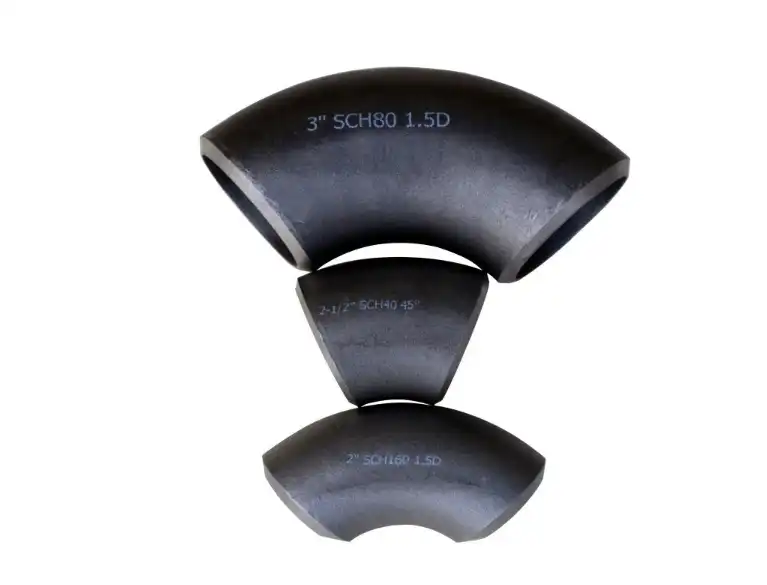
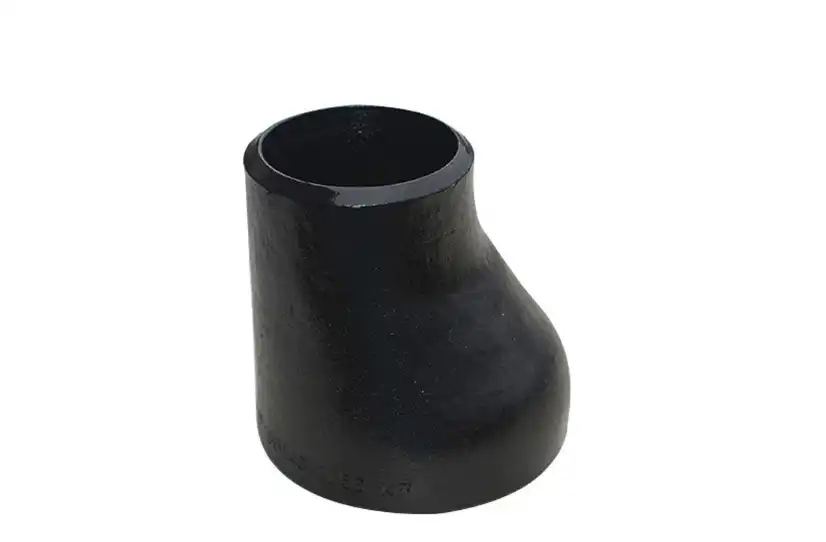
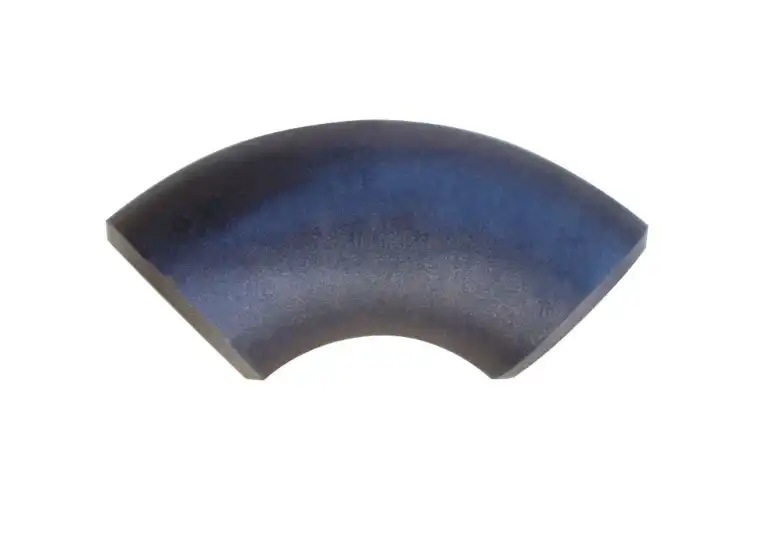
How ASME Standards Guarantee the Quality of Carbon Steel Elbows?
In the world of mechanical channeling frameworks, the quality and unwavering quality of components are foremost. Carbon steel elbows, basic for coordinating the stream and changing pipe bearings, are no special case. The American Society of Mechanical Engineers (ASME) has built up exacting measures to guarantee these basic components meet the most elevated quality benchmarks. ASME B16.9/B16.28 elbow measures include different viewpoints of elbow fabrication, from material selection to dimensional precision and generation forms. By following ASME measures, producers can ensure that their carbon steel elbows will perform reliably and dependably in different applications, from petrochemical plants to control era offices. This article dives into the ways ASME benchmarks defend the quality of carbon steel elbows, investigating the particular rules that contribute to their strength, security, and general execution in demanding mechanical environments.
Ensuring Precision: How ASME B16.9 and B16.28 Define Elbow Dimensions and Tolerances?
Dimensional Specifications
ASME B16.9 and B16.28 measures give comprehensive rules for the dimensional determinations of carbon steel elbows. These guidelines fastidiously lay out the required measurements for different elbow sorts, including long sweep, brief sweep, and diminishing elbows. The ASME B16.9/B16.28 elbow determinations cover significant estimations such as center-to-end separations, divider thickness, and twist points. By following these exact measurements, producers guarantee that carbon steel elbows will fit consistently into channeling frameworks, lessening the hazard of spills, misalignments, or installation challenges. This level of standardization, moreover, encourages tradable between diverse manufacturers' items, giving adaptability and comfort for end-users in support and framework upgrades.
Tolerance Limits
Tolerance limits play a pivotal part in keeping up the quality and consistency of carbon steel elbows. ASME B16.9 and B16.28 guidelines build up strict resilience ranges for different dimensional viewpoints of elbows. These resiliences account for fabricating varieties while guaranteeing that the last item meets the required specifications. For example, the ASME B16.9/B16.28 elbow benchmarks indicate passable deviations in divider thickness, out-of-roundness, and precise measurements. By following these resistance limits, producers can ensure that their carbon steel elbows will perform as expected, indeed under high-pressure and high-temperature conditions. This consideration for detail in dimensional exactness contributes essentially to the generally unwavering quality and security of channeling frameworks in basic mechanical applications.
Inspection and Verification Methods
To guarantee compliance with ASME B16.9 and B16.28 guidelines, producers must actualize thorough review and confirmation strategies through the design prepare. These guidelines provide particular methods for measuring and confirming the measurements of carbon steel elbows. Quality control staff utilize accuracy measuring instruments and strategies to check that each ASME B16.9/B16.28 elbow meets the required determinations within the permitted resistances. This may incorporate the utilize of arrange measuring machines (CMMs), optical comparators, and other progressed metrology hardware. Customary calibration of measuring rebellious is too ordered to keep up exactness. By taking after these review conventions, producers can identify and address any deviations from the standard details, guaranteeing that it were high-quality carbon steel elbows reach the end-users.
Material Integrity: The Role of ASTM A234 in Upholding Elbow Strength and Durability
Chemical Composition Requirements
ASTM A234, in conjunction with ASME benchmarks, sets forward rigid prerequisites for the chemical composition of carbon steel utilized in elbow fabrication. These determinations guarantee that the fabric has the essential quality, ductility, and erosion resistance for its planning applications. The ASME B16.9/B16.28 elbow benchmarks reference ASTM A234 for fabric determinations, which detail the admissible ranges for components such as carbon, manganese, phosphorus, and sulfur. By following these chemical composition necessities, producers can create carbon steel elbows that show steady mechanical properties and execution characteristics. This consideration of fabric composition is vital in guaranteeing that the elbows can withstand the different stresses, temperatures, and destructive situations they may experience in mechanical channeling systems.
Mechanical Property Testing
To confirm the judgment of carbon steel elbows, ASTM A234 requires an arrangement of mechanical property tests. These tests assess the material's quality, ductility, and durability, guaranteeing that it meets the execution prerequisites for mechanical applications. For ASME B16.9/B16.28 elbows, producers must conduct ductile tests to determine the surrender quality, ductile quality, and elongation of the fabric. Moreover, hardness tests may be performed to evaluate the material's resistance to wear and distortion. Affect tests, such as the Charpy V-notch test, are regularly required to assess the material's durability and capacity to stand up to brittle fracture at moo temperatures. By conducting these mechanical property tests, producers can ensure that their carbon steel elbows will maintain their auxiliary astuteness under different working conditions, improving the generally safety and unwavering quality of channeling systems.
Heat Treatment and Microstructure Control
ASTM A234 emphasizes the significance of legitimate warm treatment and microstructure control in the generation of high-quality carbon steel elbows. These forms are significant in accomplishing the desired mechanical properties and guaranteeing uniform fabric characteristics throughout the elbow. For ASME B16.9/B16.28 elbows, producers must carefully control the warming, cooling, and treating forms to optimize the material's microstructure. This may include normalizing, extinguishing, and treating medications, depending on the particular review of carbon steel and the aiming application. The standard, moreover, requires producers to keep point-by-point records of warm treatment methods and parameters. By actualizing appropriate warm treatment and microstructure control, producers can deliver carbon steel elbows with improved quality, durability, and resistance to weariness and push erosion, contributing to their long-term toughness and execution in demanding mechanical environments.
Quality Assurance in Manufacturing: How ASME Standards Facilitate Consistent Elbow Production?
Process Control and Documentation
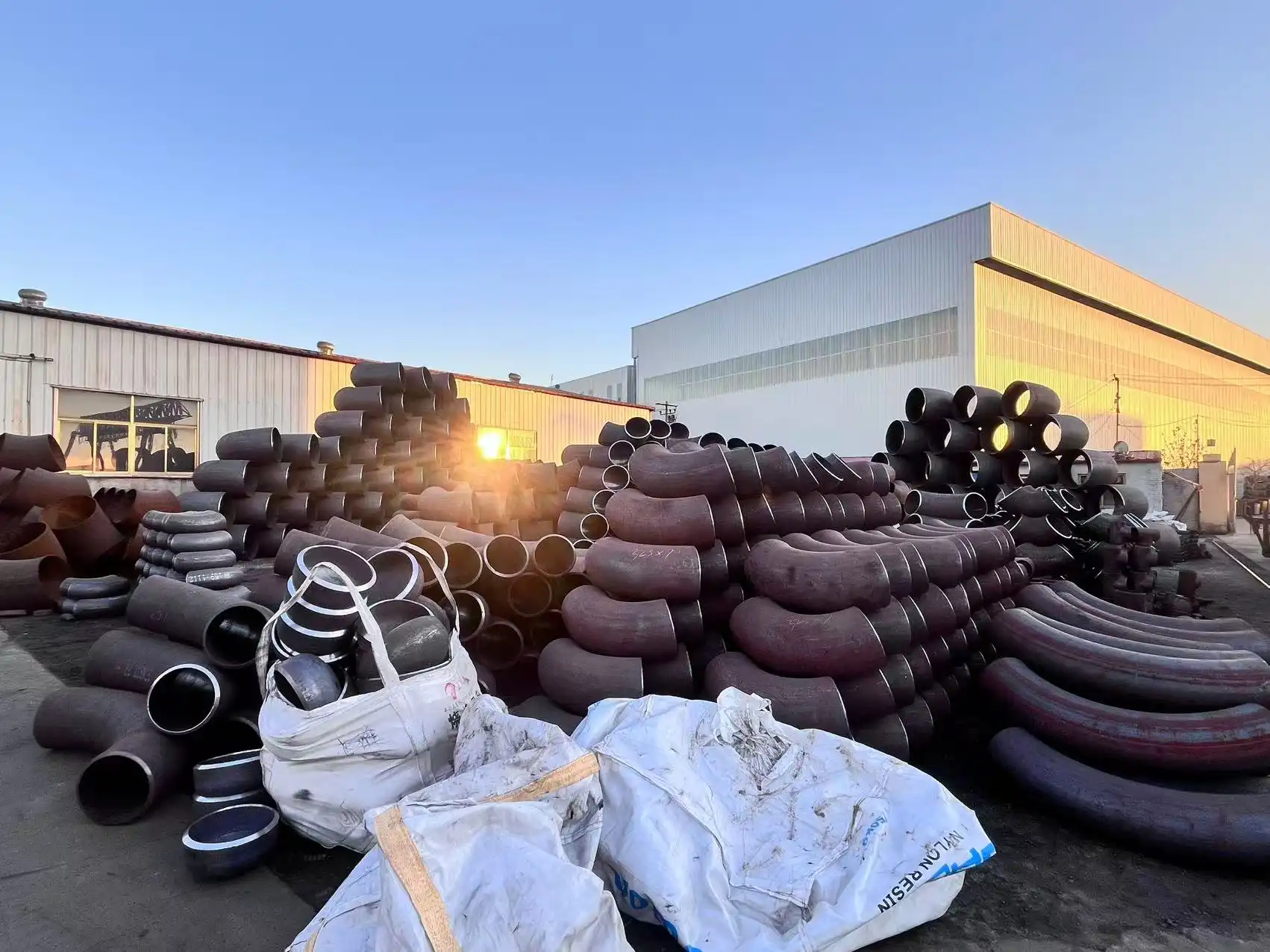
ASME benchmarks emphasize the significance of vigorous preparation, control, and documentation in the fabrication of carbon steel elbows. These prerequisites guarantee that each step of the generation process is carefully observed, controlled, and recorded, leading to reliable item quality. For ASME B16.9/B16.28 elbows, producers must build up and keep up nitty-gritty strategies for crude fabric taking care of, shaping, welding, warm treatment, and wrapping up operations. This incorporates executing prepare control charts, characterizing basic control focuses, and building up acknowledgment criteria for each organize of production. Producers are moreover required to keep up comprehensive documentation, including fabric certificates, generation records, and review reports. By following these preparation, control, and documentation prerequisites, producers can illustrate traceability, distinguish and address potential quality issues expeditiously, and guarantee that each carbon steel elbow meets the thorough guidelines set by ASME.
Non-Destructive Testing (NDT) Requirements
ASME standards mandate the use of various non-destructive testing (NDT) methods to verify the integrity of carbon steel elbows without compromising their structural integrity. These NDT requirements are crucial in detecting internal defects, surface imperfections, and other quality issues that may not be visible to the naked eye. For ASME B16.9/B16.28 elbows, manufacturers typically employ techniques such as radiographic testing (RT), ultrasonic testing (UT), magnetic particle inspection (MPI), and liquid penetrant testing (PT). Each method is suited for detecting specific types of defects, ensuring comprehensive quality assurance. The standards specify the extent of testing required, acceptance criteria, and the qualifications of personnel performing the tests. By implementing these NDT requirements, manufacturers can identify and eliminate defective products before they reach the end-user, enhancing the overall reliability and safety of carbon steel elbows in critical industrial applications.
Continuous Improvement and Corrective Actions
ASME standards promote a culture of continuous improvement in the manufacturing of carbon steel elbows. This approach ensures that production processes are continually refined and optimized to enhance product quality and consistency. For ASME B16.9/B16.28 elbows, manufacturers are required to implement systems for monitoring production data, analyzing quality trends, and identifying opportunities for improvement. This may involve statistical process control (SPC) techniques, root cause analysis of non-conformities, and regular management reviews of quality performance. When issues are identified, manufacturers must implement effective corrective actions to address the root causes and prevent recurrence. The standards also encourage the use of preventive actions to proactively mitigate potential quality risks. By embracing this continuous improvement philosophy, manufacturers can enhance the overall quality and reliability of their carbon steel elbows, staying ahead of evolving industry requirements and customer expectations.
Conclusion
ASME B16.9/B16.28 elbow standards play a crucial role in guaranteeing the quality of carbon steel elbows, ensuring their reliability and performance in diverse industrial applications. By defining precise dimensional specifications, material requirements, and manufacturing processes, these standards create a framework for consistent production of high-quality elbows. The rigorous quality assurance measures, including non-destructive testing and continuous improvement initiatives, further enhance the integrity of these critical components. As industries continue to evolve and demand higher performance from their piping systems, ASME standards will remain at the forefront of ensuring that carbon steel elbows meet and exceed these expectations, contributing to safer and more efficient industrial operations worldwide.
For more information about our high-quality carbon steel elbows that meet ASME standards, please contact us at oudi-04@oudiguandao.com.
FAQ
Q: What are the main ASME standards that apply to carbon steel elbows?
A: The main ASME standards for carbon steel elbows are ASME B16.9 and B16.28 for dimensions and tolerances, and ASTM A234 for material specifications.
Q: How do ASME standards ensure the dimensional accuracy of carbon steel elbows?
A: ASME standards provide detailed specifications for dimensions and tolerances, and require rigorous inspection and verification methods during manufacturing.
Q: What types of mechanical property tests are required for carbon steel elbows?
A: Common tests include tensile tests, hardness tests, and impact tests like the Charpy V-notch test.
Q: Why is heat treatment important in the production of carbon steel elbows?
A: Heat treatment is crucial for achieving the desired mechanical properties and ensuring uniform material characteristics throughout the elbow.
Q: What non-destructive testing methods are typically used for carbon steel elbows?
A: Common NDT methods include radiographic testing, ultrasonic testing, magnetic particle inspection, and liquid penetrant testing.
References
1. American Society of Mechanical Engineers. (2018). ASME B16.9: Factory-Made Wrought Buttwelding Fittings. New York: ASME.
2. American Society of Mechanical Engineers. (2015). ASME B16.28: Wrought Steel Buttwelding Short Radius Elbows and Returns. New York: ASME.
3. ASTM International. (2019). ASTM A234/A234M: Standard Specification for Piping Fittings of Wrought Carbon Steel and Alloy Steel for Moderate and High Temperature Service. West Conshohocken, PA: ASTM International.
4. Nayyar, M. L. (2000). Piping Handbook (7th ed.). New York: McGraw-Hill.
5. Smith, P. (2018). Piping Materials Guide: Selection and Applications. Oxford: Butterworth-Heinemann.
6. American Society of Mechanical Engineers. (2021). Boiler and Pressure Vessel Code, Section II: Materials. New York: ASME.

Need help finding the right solution with our experts. Please contact us.

SINCE 1998 Your Reliable Pipeline Manufacturer