How Do Carbon Steel Elbows Affect Flow in Water Treatment Systems?
Water treatment carbon steel elbow alters the flow dynamics directly by changing the flow's direction, which alters its speed and produces turbulence at the turn points. At 45-degree or 90-degree curves, these pipe parts turn water around. Depending on the shape of the elbow, the thickness of the wall, and how it was made, friction losses and pressure drops happen. Along the inside and outside radius of a curve, the speed of the water changes. This sets up new flow patterns that may affect how well the system works. It depends on whether you pick the right elbow type (seamless or soldered) and make sure the fitting is done right. These effects will either make the water treatment system work better or worse overall.
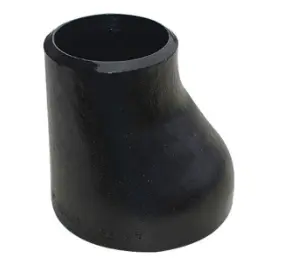
Understanding Carbon Steel Elbows in Water Treatment Systems
Water treatment carbon steel elbows are necessary for water treatment networks because they change the flow lines and join straight pieces of pipe. Even when the pressure changes, these fittings keep the system together. They also make sure that water keeps coming through the cleaning process.
What Makes Carbon Steel Elbows Essential for Water Treatment
Carbon steel elbows are strong and cheap, and they are used a lot in the water treatment business. Treatment centers need a steady flow, and these valves can handle that. They can also handle the chemicals that are often used in cleaning processes. When kept properly and covered, carbon steel stays physically stable. This is different from materials that break down quickly when they are exposed to water all the time. Water treatment companies deal with a lot of water every day. Because of this, they need pipe systems that can keep working even when they're under a lot of stress. This can be done with carbon steel elbows because they can handle changes in pressure without changing how the joint is built. They come in many shapes and sizes, ranging from 45-degree curves to 90-degree turns. Engineers can use them to make pipeline plans that are efficient and make the best use of space in treatment plants.
Common Angles and Configurations in Treatment Applications
In water treatment systems, 45-degree and 90-degree bends are the two main types of elbow bends. When you compare the 45-degree elbow to tighter angles, you can hear less noise and lose less air because the change in direction is softer. This set-up works especially well in places where it's important to keep the flow speed steady, like chemical dose lines or clarifier inlet pipes. The 90-degree bend makes it possible to run pipes through treatment plants that don't have a lot of space. When the bend radius is the same as the pipe diameter, the elbow has a short radius. These elbows are easier to place in tight areas, but they cause bigger drops in pressure. It is better for big distribution lines to use long radius models, which have bend radii that are 1.5 times the width of the pipe. These models have smoother flow changes and less energy loss.
Seamless versus Welded Construction Methods
It makes a big difference how carbon steel bends change the flow in water treatment systems, and how they are made. The inside of seamless joints is smoother, and the walls are the same width all the way through because they don't have any longitudinal welds. Because there is less friction along the flow path, less pressure is lost, and material is less likely to build up at weld cracks. An elbow is made when you use butt welding or socket welding to join two pieces of pipe together. For bigger diameters, these are less expensive. There are some small surface flaws caused by weld beads that can make turbulence a little greater. However, new welding techniques and treatments applied after the welding process lessen these effects. Welded bends work well in parts of water treatment plants where flow rates are low because they don't have a big effect on the overall system performance.
Key Factors Affecting the Flow Performance of Carbon Steel Elbows
A lot of different factors affect how well Water treatment carbon steel elbows keep flow efficient in water treatment. These factors are all linked to one another. Engineers and buyers can choose parts that will make the system work better when they know about these things.
Material Properties and Corrosion Resistance
What makes carbon steel unique affects both how long it lasts and how it performs over time. Carbon steel that hasn't been handled forms rust scale on the inside because it corrodes easily in wet places. This makes the surfaces rougher and lowers the useful pipe width. This slow breakdown makes pressure drop faster and can let iron particles into treated water. These days, epoxy linings, galvanization, or cement paste are used to protect carbon steel joints so water doesn't get to the base metal. These steps keep the part's insides smooth for as long as it's useful, keeping the flow qualities that were set when it was first put in place. It's important to be very careful when picking surfaces for places that treat water with chlorine or other acidic chemicals. If they aren't properly covered, they might break down early and get dirty.
Geometry and Its Impact on Pressure Loss
The size of the parts made of carbon steel affects both the flow resistance and the amount of energy used. The interior width is not always the same because of the thickness of the walls. When the width differences are too big, they cause turbulence in one area, which makes the pressure drops worse than when the direction changes. Making sure the sizes are right during production ensures that the flow will behave consistently and in a way that fits hydraulic estimates. In geometry, the radius of the circle is the most important thing. When elbow bend angles are bigger, water can flow more smoothly. This makes secondary flow patterns smaller, which means they lose energy. In most cases, a long radius elbow with the same size drops the pressure 30 to 40 percent less than a short radius elbow with the same size. In straight terms, this difference means that pumps in big water treatment plants that are always on will use less energy.
Installation Practices That Minimize Flow Disturbances
Installing carbon steel bends correctly is very important for making sure they work the way they were meant to. Step changes happen at the joints when the elbow and the pipe parts next to it are not lined up correctly. This creates chaos, which lowers the pressure and creates places for material to settle. The flow line stays clean when the internal alignment is flush during welding or clamp connection. This is important for the machine to work well. Also, the direction with respect to the upper and downstream parts is very important. And when the turns happen in different planes, putting your arms too close together makes the flow patterns more complex, which makes energy loss worse. So that the flow doesn't get slowed down by too many shocks, make sure that there are enough straight pipe runs before and after turns. Many skilled engineers use flow straighteners or longer outlet sections when they don't have enough room to put the elbows where they should be.
Comparing Carbon Steel Elbows with Other Materials for Water Treatment Applications
The material you choose has a big impact on both the initial investment and the costs of running the business in the long term. This will help you decide why Water treatment carbon steel elbows are better than other products. Some materials are better than others, and you can see that when you compare them.
Performance Differences Between Carbon Steel and Stainless Steel
Since carbon steel elbows rust more quickly than stainless steel ones, you don't have to worry about rust getting inside and hurting the surface. The chromium-rich surface keeps the flow features very smooth, even after decades of use. To keep them in good shape, all that's needed is regular checks. For important tasks where water quality can't be compromised, stainless steel is a good choice because it lasts a long time. Still, the price gap is pretty big. Most of the time, carbon steel elbows cost three to five times as much as stainless steel elbows. However, carbon steel is still usually cheaper when you look at things like protection coats, maintenance needs, and repair plans that need to be done over time. In city water treatment, temperatures and pressures tend to be moderate. This means that carbon steel can work well with a much smaller initial investment as long as it is kept in good shape.
Cost-Effectiveness Analysis for Procurement Teams
Spending managers who are careful with their money have to compare the original costs to how long the machine is expected to last and how much upkeep it will need. When coatings are enough to stop rust and repair plans work with building care windows, carbon steel elbows are a great choice. Since the stuff is simple to find, the prices are fair, and the wait times are short. This makes it easier to keep track of supplies and job plans. When the water is very clean and stainless steel will not rust, it is worth the extra cost. It is also worth it when repairs take longer because they are used more often. When processing companies deal with water that is very acidic or very salty, the longer life of stainless steel often more than covers its initial cost because it needs to be replaced less often and for longer periods of time.
Application-Specific Material Selection Guidelines
There are some useful things you should think about when choosing between carbon steel and other materials. The temperature, chemical makeup, flow rate, and pressure of the water all have an impact on how ideal a material is. Carbon steel works well in drinking water systems with a normal to slightly alkaline pH at room temperature, as long as the right treatment methods are used to keep it from rusting. It might be worth the extra cost to use stainless steel or specialty metals in places where there are high temperatures, strong chemicals, or very clean water. The decision will be made after a lifetime study looks at things like how easy it is to maintain, how much it costs to have the system down, and the rules that govern how clean the water is and how stable the system is.
Common Challenges and Solutions in Using Carbon Steel Elbows in Water Treatment
Water treatment carbon steel elbows are useful, but they can cause problems that need to be dealt with ahead of time. Finding these issues and fixing them correctly keeps the system going well and makes its parts last longer.
Pressure Drop and Turbulence Management
Changes in direction have to cause pressure losses at elbow sites. How big these losses are, though, depends a lot on the choices that were made during the planning process. Pressure goes too low, making pumps work harder. This takes more energy and costs more to run. When there are turns, rough flow speeds up erosion and shaking that wear down both the elbow and parts further downstream. As you plan, choose long radius bends where there is room and cut down on the number of direction changes in the system to lessen these effects. If you need to make more than one turn, set up the angles so that the flow lines don't change directions all at once. The total amount of air loss will go down. Find trouble spots where turbulence levels might be too high with computational fluid dynamics analysis. This helps make difficult pipe plans better before they are built. Also, changes to how things work are very important. If you keep the flow speeds in the recommended limits, which for water systems is generally 3 to 10 feet per second, you can avoid both too much turbulent flow at high speeds and sedimentation at low speeds. With pumps that have variable frequency drives, workers can set the best flow rates for the job. This keeps energy from going to waste on big machines that keep running at the same speed.
Maintenance Strategies for Optimal Performance
Testing programs do regular checks to see if things are getting worse before they hurt the water quality or the system's ability to work well. If you look at the outside, you can see that the covering is coming apart or there is rust, which means there may be problems inside. Ultrasonic thickness testing shows that the walls are giving way because of rust inside, so replacements can be planned before they break. A lot of places do these checks as part of their normal maintenance. This stores information in the past, which helps you guess how long things will last. When you clean the inside, you get rid of the scale and grit that builds up and makes the surfaces rough and the useful width smaller. Flow capacity and pressure can be restored through chemical cleaning or pigging. This means that major parts don't have to be replaced for longer. After being cleaned, putting on protective coats again gives them new protection against rust. This saves a lot of money, especially for knees with a big width that are expensive to fix.
Real-World Performance Improvements
In the southeast of the United States, a city's water treatment plant worked much better after moving its main distribution lines from short-radius carbon steel bends to long-radius ones. A 35% drop in pressure was seen across the parts that were changed. This made it possible to slow down the pumps, which saved 12% of the electricity used each year. The project paid for itself in 18 months only by saving energy. This proves that planned improvements to parts have real-world effects that can be measured. In a different case, a company that processed chemicals had a water supply system with bends that always broke at 90-degree angles. A study found that mistakes in the fitting led to spinning jets that wore away at the inside surfaces. They didn't break down too soon after new elbows were put in that were properly lined, and flow straighteners were added upstream. This made the flow more stable for processes further down the line and raised the average service life from four years to over twelve years.
Procurement and Supplier Considerations for Carbon Steel Elbows
You can be sure that the parts you buy will work as expected and meet safety standards if you buy from the right seller and describe the right qualities of the product. This section explains how to find Water treatment carbon steel elbows and what to think about when you do.
Critical Specifications for Water Treatment Applications
When writing purchase specs, it's important to be clear about the grade of the material, the sizes that need to be used, the pressure levels, and the finishes that need to be used. Because it is strong and can be welded, ASTM A234 WPB is the most common type of carbon steel used for welded fittings in water service. Sizes that meet ASME B16.9 or a similar international standard make sure that the system will work with existing pipe systems and that the hydraulics will work as expected. You need to think about both normal working conditions and short-term events like water hammer when you talk about pressure. Class 150 or Class 300 flanged connections can be used for most jobs that need to treat water in cities. Higher grades may be needed for industry systems with a lot of pressure, though. Putting test pressure standards and records with the parts helps make sure they meet the scores that were given.
Importance of Quality Certifications
If a business has ISO 9001 approval, it means they have a set way of handling quality, from getting the materials to reading the end report. That's because this approval makes sure that the goods always meet the standards and that any that don't are found and changed before they are sent out. In many places, suppliers who want to make equipment need to get special permits. With these licenses, the suppliers can show that they have the right testing equipment and technical know-how. It is possible to find installed parts by looking at material test records that list the chemical makeup and mechanical properties of a material. You need to keep these records to make sure you follow the rules and figure out what went wrong if something goes wrong years after the installation. People whom you can trust will give you all the paperwork for free because they know how important it is for industry buyers who are in charge of complex assets.
Effective Communication with Suppliers
In the professional world, misunderstandings can cost a lot of money, cause projects to be late, or lead to the wrong products being made. Inquiry papers should be very clear about the standard size, the material grade, the number, the delivery date, and the type of elbow (45-degree or 90-degree). They should also say whether the radius is short or long and what kind of end fittings are used (butt weld, socket weld, or threaded). Giving details about the use, like the type of water, temperature range, and pressure, helps companies offer the best building and covering systems. Getting to know skilled makers is helpful for more than just making deals. Suppliers who know what water treatment needs can help buyers come up with better designs, let them know about problems with getting materials that might cause lead times to go up, and provide expert help during installation. When a business has exported before, it knows the foreign procedures and papers that are needed to make buying across borders easy.
Conclusion
Water treatment carbon steel elbows are still an important part of water treatment systems because the way they are shaped, made, and placed affects how well the water flows. You can save money and get better performance by making smart choices based on how these parts affect pressure drop, turbulence, and long-term reliability. It's easy to tell when carbon steel is the best value for money and when other materials are better when you compare them. It is important to choose a service that can handle common issues and follow the instructions for proper maintenance so that these parts work as they should for as long as they are supposed to. Quality certifications, clear technical standards, and proven manufacturer skills should be at the top of the list for purchasing managers. This sets up their sites for long-term running success.
FAQ
Why does the pressure drop in devices that clean water and use carbon steel elbows?
At the bend, the water changes direction, which makes the flow rough and rubs against the pipe walls. The pressure goes down because of this. The radius of the bend, the speed of the flow, and the smoothness of the inside surface all affect how bad it is. Long radius elbows lose 30 to 40 percent less pressure than short radius elbows because they let flow lines change more slowly. This means that less energy is lost when the flow is unstable.
How often do the carbon steel bends need to be checked at water treatment plants?
The number of inspections that are needed depends on the type of water and how it is used, but once a year is a good starting point for most people. Checks might be helpful every six months for places that deal with salty water or have to work in tough situations. Ultrasonic thickness tests can help find rust inside structures every three to five years, before it hurts the building or the water.
Can carbon steel elbows handle chlorinated water without degradation?
If you don't protect carbon steel elbows with coats, chlorine water can damage them over time. You don't have to worry about rusting when you put down epoxy linings or cement mortar coats. These protect the base metal from chlorine. When chlorine water runs through carbon steel that hasn't been coated, rust scale forms on the inside. This makes the surface rough and releases iron particles that are bad for both the flow rate and the quality of the water.
What should sourcing teams look for first when they buy carbon steel elbows?
A material grade that meets ASTM standards, measurements that meet ASME B16.9, a pressure number that works with the system, a coating type that works with the chemistry of the water, and an end connection style that works with lines that are already in place are all important requirements. To make sure that rules are followed and quality is maintained for industrial water treatment, you should ask for ISO 9001 approval and full material test results.
Partner with Oudi for Premium Water Treatment Carbon Steel Elbows
People who work at Oudi know how important it is for Water treatment carbon steel elbows to have strong pipe fittings. Our ISO 9001-certified plant has been making high-quality carbon steel elbows for over 300 customers in over 40 countries since 1998. We have a lot of experience with ways to save water. As a respected business that makes carbon steel elbows for water treatment, we can make them either seamless or welded at 45-degree and 90-degree angles. Our elbows are made to meet the standards of ANSI, DIN, JIS, and BS, and they come with full documentation that lists their sizes and pressure levels. With a production capacity of 16,000 tons per year, we can keep up with projects of any size. From the raw materials to the final inspection, we keep an eye on quality. Drop us a line at oudi-04@oudiguandao.com to talk about your specific needs and find out how our low-cost, approved parts can help your water treatment system work better and more reliably.
References
1. American Society of Mechanical Engineers. (2020). Pipe Fittings: Factory-Made Wrought Buttwelding Fittings. ASME B16.9 Standard, New York.
2. Chen, W., & Liu, H. (2019). "Pressure Loss Characteristics of Pipe Elbows in Water Distribution Systems." Journal of Hydraulic Engineering, 145(8), 04019025.
3. Idelchik, I. E. (2008). Handbook of Hydraulic Resistance (4th ed.). Begell House Publishers, Connecticut.
4. Miller, D. S. (1990). Internal Flow Systems: Design and Performance Prediction (2nd ed.). British Hydromechanics Research Association, Cranfield.
5. American Water Works Association. (2017). Steel Pipe: A Guide for Design and Installation (M11, 5th ed.). Denver, Colorado.
6. Zagarola, M. V., & Smits, A. J. (1998). "Mean-Flow Scaling of Turbulent Pipe Flow." Journal of Fluid Mechanics, 373, 33-79.

Need help finding the right solution with our experts. Please contact us.

SINCE 1998 Your Reliable Pipeline Manufacturer



