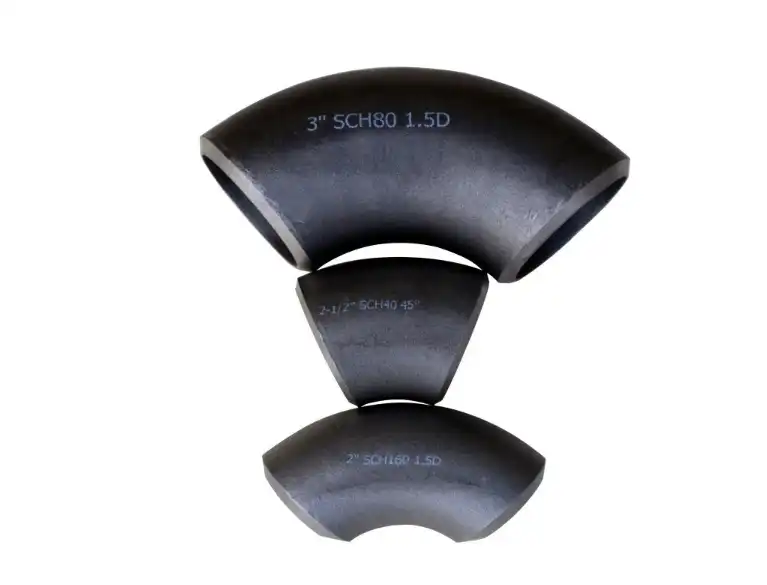
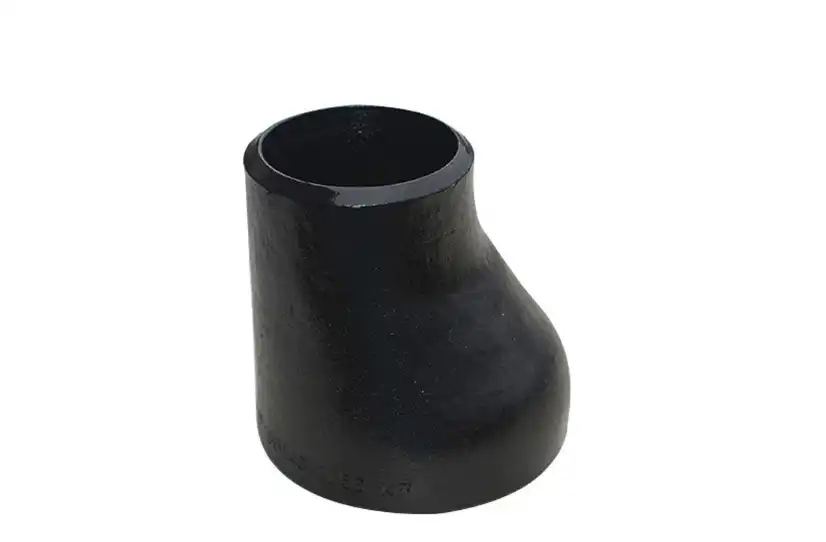
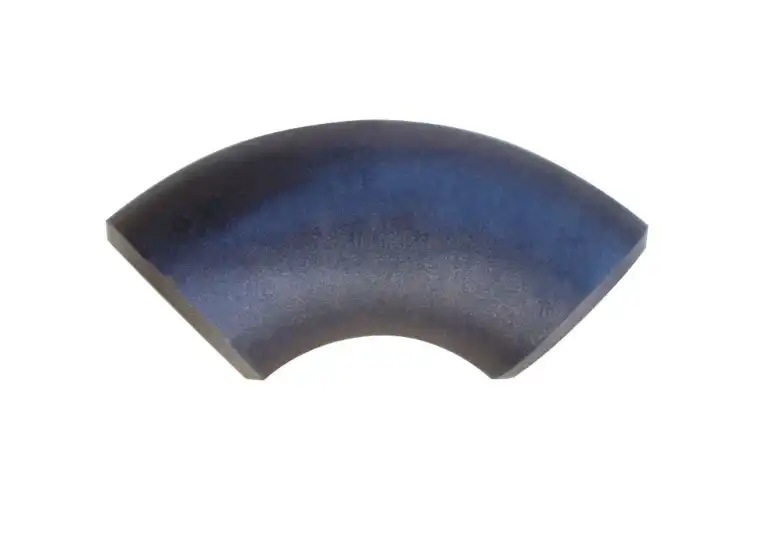
How to choose the right anti-corrosion carbon steel elbow for high-pressure systems?
Selecting the optimal anti-corrosion carbon steel elbow for high-pressure applications requires careful evaluation of material specifications, coating technologies, and operational demands. These specialized pipe fittings serve as critical components in industrial piping systems where fluid direction changes occur under extreme pressure conditions. The choice between various protective treatments—including epoxy coatings, galvanization, and specialized anti-rust applications—directly impacts system longevity, maintenance costs, and operational safety across industries ranging from oil and gas to chemical processing facilities.
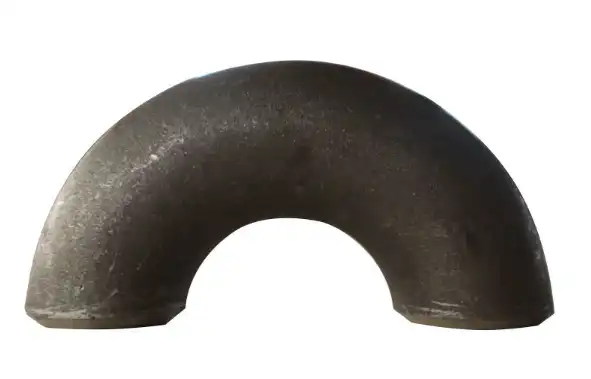
Understanding Anti-Corrosion Carbon Steel Elbows in High-Pressure Applications
Essential Function and Design Characteristics
Carbon steel bends make it easier to change the direction of pipe systems while keeping the structure strong in harsh working conditions. These parts can handle large amounts of pressure while changing the flow of fluid at angles that have already been set, usually 45°, 90°, or to your exact specs. The basic design uses buttweld connections to make smooth parts, so there are no places where water could leak, like there are with threaded options. High-pressure settings have their own problems that regular carbon steel can't handle without extra protection. Corrosive elements, changes in temperature, and chemical contact all speed up the breakdown of metal, which makes the system less reliable. Because of this, specific protection coatings are needed to keep the base material safe from harsh external factors.
Corrosion Protection Technologies
Modern anti-corrosion processes protect carbon steel parts in a number of different ways. According to ASTM A153 guidelines, hot-dip galvanizing protects steel with zinc by sacrificial corrosion, which means that zinc corrodes more quickly than steel. Epoxy coats make walls that can't be broken through, keeping chemicals and water from touching the metal below. Black lacquer coats made for industrial use are a cheap way to protect things in moderately exposed areas, while anti-rust oils are used for short-term protection during storage and shipping. Each coating technique is designed to deal with a different set of environmental problems. It is important to carefully match the security method to the working circumstances. During the decision process, things like chemical exposure types, temperature ranges, and estimated service life needs are looked at.
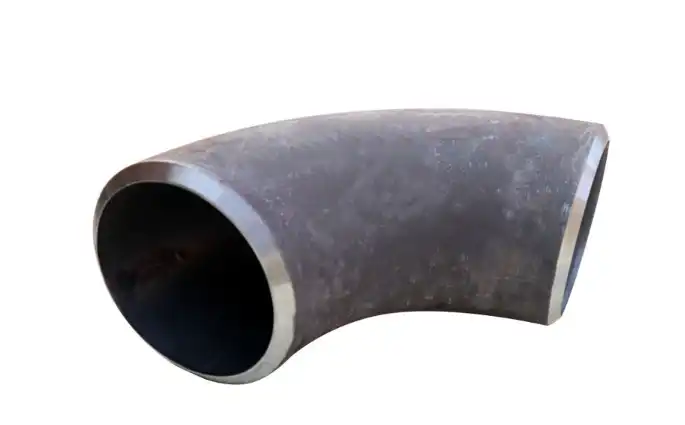
Key Criteria to Consider When Selecting Anti-Corrosion Carbon Steel Elbows
Pressure Rating and Material Specifications
Elbows are chosen based on their pressure values, which range from the normal Class 150 to the extreme Class 2500 uses. The ASME B16.9 guidelines spell out the minimum size requirements and maximum pressures that can be applied. This makes sure that all foreign projects can work together. The properties of the material must match the working pressures and allow for periods of thermal expansion and contraction. When figuring out wall thickness, both internal pressure loads and external weather forces are taken into account. The labels Schedule 40, 80, and XXS show changes in wall thickness that have a direct effect on the ability to handle pressure. When engineers compare the highest allowed working pressures to what the system actually needs, they have to include safety factors that take into account pressure spikes and changes in how the system works.
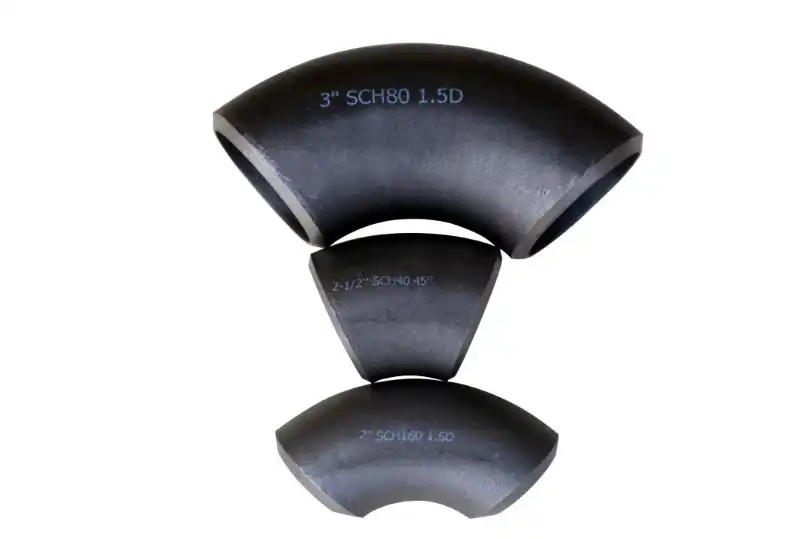
Coating Selection for Environmental Conditions
The anti-corrosion carbon steel elbow is taken into account when choosing a covering, and each type of security has its own benefits for different uses. Epoxy coats work great in places where chemicals are processed, and acid protection is very important. When it comes to marine environments and water treatment plants where saltwater is often present, hot-dip galvanizing works better. How well protective coats work depends a lot on how well the surface is prepared and how it is applied. Surface cleaning, the environment during application, and the drying process all have a big impact on how well the coating sticks and how long it lasts. To make sure that the integrity of the coating meets performance standards, good makers use controlled application environments and strict checking processes.
Certification and Compliance Requirements
ISO 9001 approval shows that a manufacturer is committed to quality management systems, and specific equipment manufacturing licenses show that the manufacturer can make things. ASME approvals make sure that the product meets international technical standards for accuracy in measurements and the ability to handle pressure. These certifications give procurement teams faith in the dependability and regularity of the parts they buy. The API standards take into account the needs of the oil and gas business by using what has been learned from field operations and failure analysis studies. Meeting several international standards makes global projects compatible and makes it easier for foreign engineering firms to buy things.
Comparing Carbon Steel Elbows Vs. Stainless Steel Elbows for Corrosion Resistance
Performance Analysis Under Harsh Conditions
With the right protection coats, anti-corrosion carbon steel elbow systems can often match the performance of stainless steel at a much lower price. The mechanical qualities of carbon steel make it very good at handling pressure, and protective coats make it less likely to rust. Stainless steel is naturally resistant to rust because it contains chromium, but it costs more up front and needs to be welded in a certain way. Changing temperatures have different effects on each material. Carbon steel's mechanical traits stay the same over a wider range of temperatures. Coating systems need to be able to handle thermal growth without cracking or peeling, which means they need to be carefully chosen based on how the temperature is likely to change. Different types of stainless steel have different levels of protection against corrosion. In chloride settings, 316L grades work better than 304 grades.
Economic Considerations and Lifecycle Costs
When it comes to initial costs, carbon steel elbows with protective coats are often more than 40% cheaper than stainless steel options. Maintenance needs are very different for different types of materials. For example, properly coated carbon steel needs to be inspected and re-coated every so often. Stainless steel usually doesn't need much upkeep, but when it does get damaged, it costs more to repair. When you do a lifecycle cost analysis, you have to look at things like installation costs, upkeep schedules, and how often things need to be replaced over the expected service times. Stainless steel systems work best in places that are hard to get to and can't be maintained, while carbon steel systems are often a better value in situations where the coating can be renewed.
Practical Guidance on Sourcing and Maintaining Anti-Corrosion Carbon Steel Elbows
Supplier Evaluation and Selection Criteria
To find qualified suppliers, you need to carefully look at their production skills, quality control methods, and delivery history. Some signs of production ability are the amount of work that is done each year, how advanced the equipment is, and the quality control methods used. Manufacturers that have been around for a while and can produce 16,000 tons per year show that they have the scale needed for reliable service and low prices. Certifications for manufacturing show that the products are of good quality and meet foreign standards. Getting ISO 9001 approval shows that you systematically handle quality, and getting a license to make special tools shows that you follow the rules. Experience exporting to more than one market shows that the provider can meet a wide range of specifications and delivery dates.
Procurement Best Practices and Quality Assurance
Strategies for buying things should stress that suppliers should be open about lead times, minimum order amounts, and prices. Protocols for quality assurance must include rules for inbound inspections, requirements for nondestructive testing, and standards for paperwork. Supplier checks give information about how things are made and how well quality control is working. Communication anti-corrosion carbon steel elbow makes sure that specifications are followed and that deliveries are coordinated, which is especially important for foreign buying arrangements. Having technical help lets you solve problems and make sure you understand the specifications throughout the buying cycle. When you work with the same source for a long time, you can usually get better service and be given priority during busy times.
Maintenance Protocols and Inspection Schedules
Preventative maintenance makes coatings last longer and keeps parts from breaking down too soon. Visual inspection processes find places where coatings are wearing off, machines are breaking down, and corrosion starts happening before the integrity of the system is endangered. Inspections can happen as often as once every three months for eye checks or once a year for full evaluations, depending on the coating type and how harsh the setting is. Documentation systems keep track of the results of inspections, the steps taken for upkeep, and changes in performance over time. This knowledge helps you decide when to replace the coating and how often to do upkeep. Finding coating failure early on lets you do focused fixes that stop corrosion damage from getting worse and prevent expensive emergency replacements.
Case Studies and Application Examples in High-Pressure Systems
Oil and Gas Industry Applications
In saltwater pumping systems that work at pressures above 3,000 PSI, offshore drilling platforms use anti-corrosion carbon steel elbow parts that don't rust. Hot-dip galvanized coatings last 20 years in coastal settings where they are constantly exposed to saltwater. These examples show options to super-duplex stainless steel that are less expensive while still meeting the same performance standards. In sour gas uses, where hydrogen sulfide can cause corrosion problems, pipeline gathering systems use carbon steel joints that are coated with epoxy. Specialized coating formulas protect against chemical attack and can handle changes in temperature caused by operational changes. Based on what has been seen in the field, the layer should last 15 years with proper upkeep.
Chemical Processing and Power Generation
Chemical anti-corrosion carbon steel elbow depends on coatings that are resistant to chemicals for the pipes that handle acidic media. Phenolic epoxy formulas are better at resisting acid than regular epoxy systems. This means that carbon steel can be used in places where exotic metals used to be needed. When compared to options made of hastelloy, they often save more than 60% on costs while still having the same level of corrosion protection. Facilities that make electricity use anti-corrosion carbon steel elbow systems in cooling water lines and waste gas handling tasks. When choosing a coating, you have to think about problems like thermal cycle, erosion protection, and chemical exposure from water treatment agents. Based on performance data, the layer should last an average of 12 years with regular upkeep.
Conclusion
When choosing the right anti-corrosion carbon steel elbows for high-pressure systems, you need to think about a lot of things, including the pressure needs, the surroundings, and the cost. As part of the decision-making process, finishing technologies are matched to specific operating problems while making sure they meet industry standards. Choosing the right provider, following quality assurance rules, and planning for upkeep all play a big role in how reliable and cost-effective a system is. Knowing the pros and cons of different safety methods helps you make smart purchasing choices that balance initial costs with long-term value, making sure that the system works well in a wide range of workplace settings.
FAQ
What pressure ratings are available for anti-corrosion carbon steel elbows?
According to ASME B16.9 guidelines, anti-corrosion carbon steel elbows are made with pressure values ranging from Class 150 (285 PSI) to Class 2500 (6,170 PSI). To keep the security intact under stress, higher pressure capabilities need thicker wall sections and specific coating application methods.
How do I determine the right coating type for my application?
Chemical contact, temperature ranges, and weather conditions are some of the external factors that affect the choice of coating. Hot-dip galvanizing works well in sea and water treatment settings, while epoxy finishes work best in chemical processing settings. Talking to coating experts will make sure that you get the best protection for your unique operating situations.
What maintenance is required for coated carbon steel elbows?
Visual inspections done on a regular basis can find covering damage before rust starts. The number of inspections changes from once a year in moderate situations to three times a year in harsh settings. Touch-up coating repairs can take care of small damage, but after 10 to 20 years, based on how harsh the setting is, the whole thing may need to be recoated.
How do anti-corrosion carbon steel elbows compare cost-wise to stainless steel?
Coated carbon steel elbows usually cost 40 to 60 percent less at first than similar stainless steel parts. When looking at lifecycle costs, you have to compare the costs of upkeep and coating removal with the higher replacement prices of stainless steel.
Contact Oudi for Premium Anti-Corrosion Carbon Steel Elbow Solutions
Since 1998, Oudi has been making high-quality pipe fittings for over 300 users in over 40 countries. They are experts at making anti-corrosion carbon steel elbows. Our ISO 9001-certified factory makes 16,000 tons of goods every year using cutting-edge technology and strict quality control that starts with the raw materials and ends with inspection of the finished goods. We fully meet all ANSI, JIS, DIN, and BS standards with special finishes like hot-dip galvanizing according to ASTM A153 and industrial-grade epoxy systems. Email our anti-corrosion carbon steel elbow supplier team at oudi-04@oudiguandao.com to talk about your high-pressure system needs and get full technical specs that are made to fit your unique operational needs.
References
1. American Society of Mechanical Engineers. "ASME B16.9 Factory-Made Wrought Buttwelding Fittings." ASME International Standards, 2018.
2. ASTM International. "ASTM A153 Standard Specification for Zinc Coating (Hot-Dip) on Iron and Steel Hardware." ASTM Book of Standards, 2019.
3. National Association of Corrosion Engineers. "Protective Coating Systems for Industrial Piping Applications." NACE Technical Committee Report, 2020.
4. International Organization for Standardization. "ISO 15156 Petroleum and Natural Gas Industries - Materials for Use in H2S-Containing Environments." ISO Technical Standards, 2017.
5. American Petroleum Institute. "API RP 14E Recommended Practice for Design and Installation of Offshore Production Platform Piping Systems." API Publishing Services, 2019.
6. Corrosion Science Society. "Long-Term Performance Evaluation of Anti-Corrosion Coatings in High-Pressure Industrial Applications." Materials Performance Journal, 2021.

Need help finding the right solution with our experts. Please contact us.
SINCE 1998 Your Reliable Pipeline Manufacturer