What are the advantages of using galvanized carbon steel elbows in plumbing?
Galvanized carbon steel elbow valves offer unrivaled corrosion resistance, mechanical strength, and affordability for pipe uses. The zinc coating keeps the carbon steel base from rusting and oxidizing, which greatly increases its service life compared to options that aren't covered. When used in high-pressure areas, these fittings work great and keep their measurements and links leak-proof. They meet international standards like ASTM and ASME, which means they will work reliably in household, business, and industrial plumbing systems. This makes them the best choice for tough jobs.
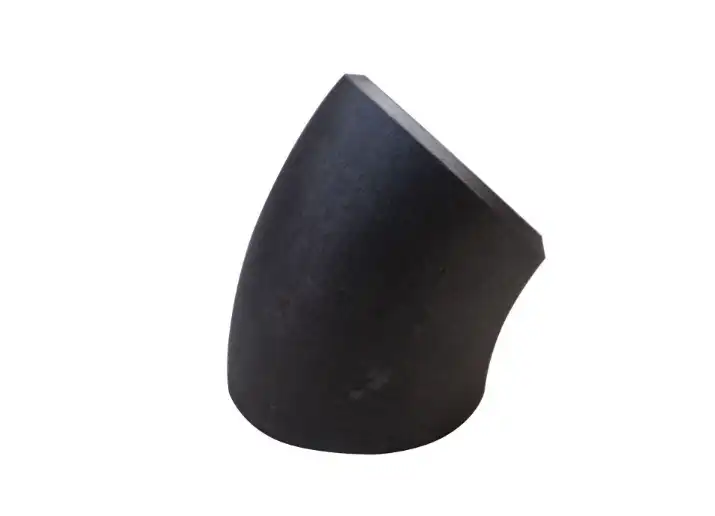
Introduction to Galvanized Carbon Steel Elbows in Plumbing
Galvanized carbon steel elbows are important directional links in pipe systems because they make changes smoothly while keeping the flow intact. During the galvanization process, a protective zinc layer is added using either hot-dip or electro-galvanizing methods. This makes a strong barrier against corrosion in the environment. These fittings can work with curves between 45° and 90°, which makes them useful for a wide range of setups with complicated routing needs.
Essential Functions in Plumbing Systems
Modern water systems need to be able to change directions reliably without affecting the flow or structural stability. By mixing the natural strength of carbon steel with improved rust resistance, galvanized carbon steel elbows meet this need. In electro-galvanized versions, the zinc covering thickness ranges from 5 to 15 microns, which is thick enough to protect most indoor uses while still keeping tight threading tolerances. Professional engineers and buying experts know that these parts are necessary for projects that need to be reliable over time. The production process makes sure that the wall thickness and dimensions are always the same. This makes it possible to predict the pressure ratings and connection performance across a wide range of uses.

Core Advantages of Galvanized Carbon Steel Elbows for Plumbing Applications
The process of galvanization completely changes how carbon steel works, fixing important problems while keeping the material's benefits. This protection method has many advantages that have a direct effect on how long the system lasts and how well it works.
Superior Corrosion Resistance
By sacrificing itself as an anode, the zinc covering keeps the carbon steel underneath from oxidizing and rusting. This electrical protection makes parts last a lot longer than steel that hasn't been treated. Independent tests show that parts that are properly welded can last for decades in normal indoor settings without breaking down much. There are two separate ways that the safety system works. At first, the zinc layer acts as a physical shield that keeps water from touching the base metal. As the covering gets slightly worn or damaged, zinc keeps protecting it through galvanic action, giving up its own protection to protect the steel base.

Enhanced Mechanical Strength
Carbon steel has a natural tensile strength of more than 400 MPa, which means it can handle high-pressure situations that are common in industrial pipes. Galvanized carbon steel elbow joints keep these strengths while adding safety to the surface. The galvanization method doesn't change the mechanical qualities of the base material, so it will work well even when it's under a lot of stress. Testing under pressure shows that these fittings can handle working forces that are the same as those in Schedule 40 and Schedule 80 pipe systems. This extra strength is especially useful in situations where there is water hammer, heat expansion, or changing pressure.
Cost-Effectiveness and Availability
Compared to stainless steel or specialty metal options, galvanized carbon steel elbows offer appealing economics. Manufacturing prices stay low because production methods are well-known and raw materials are easy to get. These fittings are good for projects that need to stay within a budget because they strike a good mix between price and efficiency. Market supply helps keep projects on schedule, and standard sizes and designs are usually kept in stock by distributors. This makes things easier to get to, which speeds up the procurement process and helps with just-in-time building plans.

Technical Specifications and Quality Standards of Galvanized Carbon Steel Elbows
Understanding technical factors helps you choose the right key components and use them correctly. Manufacturing standards make sure that all providers follow the same rules and help countries work together.
Dimensional Standards and Tolerances
Standard carbon steel elbows that are galvanized meet the size standards set by ASME B16.11 for forged joints or ASTM A234 for worked parts. The most common sizes are 1/2 inch to 48 inches standard pipe size, which can be used for a wide range of purposes. Threading is done according to ASME B1.20.1 standards for NPT fittings, which makes sure that it works with common pipe parts. The process of galvanization only adds a small amount of thickness (usually 0.002 to 0.005 inches), so essential measurement tolerances are kept. This accuracy keeps things from getting messed up during building and makes sure the seals work properly. Go/no-go gauging is used by good makers to check the quality of the thread after galvanizing.
Material Composition and Properties
Base Galvanized carbon steel elbow is usually made of ASTM A53, A106, or A234 WPB carbon steel, which has been shown to work well in the past. Controlled carbon content, usually 0.25 to 0.30%, is part of the chemical makeup. This makes the metal strong while also making it easy to weld. The amount of manganese in a material makes it stronger, and the silicon helps remove oxygen during production. The zinc layer meets the requirements of ASTM B633, which means it is the right width and has good adhesion qualities. Type I, II, or III grades describe different chromate processes that change how something looks and how well it resists corrosion. Testing with salt spray according to ASTM B117 proves that the coating works well in situations where rusting happens quickly.
Quality Assurance and Certification
Quality control in manufacturing includes many checks, from looking at the raw materials to testing the finished product. Hydrostatic pressure testing makes sure that the structure is strong at certain working forces. Methods of non-destructive testing find internal problems or breaks that could affect performance. Getting ISO 9001 approval shows that you follow an organized approach to quality management. For important apps, third-party review services add another layer of security. Reports on material tests, data from physical inspections, and measures of coating thickness are all included in documentation packages.
Comparative Analysis: Galvanized Carbon Steel Elbows vs. Other Elbow Types
The choice of materials has a big effect on how well a system works, how much upkeep it needs, and its total cost of ownership. Figuring out the relative benefits helps you choose the right specifications for different uses and working situations.
Galvanized vs. Stainless Steel Elbows
Stainless steel elbows are much more expensive at first, but they last longer and don't rust in harsh settings. Galvanized carbon steel elbow fittings offer enough safety for most common uses at a much lower cost than stainless steel ones. The economic benefit is especially clear in large sites where the cost of materials has a big effect on project budgets. Performance gaps mostly show up in the worst possible service situations. Stainless steel keeps its qualities even in high-temperature situations or places with harsh chemicals, where galvanized coatings might wear off. Normal building services, on the other hand, don't have to deal with situations like that very often, so galvanized choices are perfect.
Galvanized vs. Black Steel and PVC Alternatives
Black steel elbows that haven't been cleaned don't protect against rust, so they break down early and contaminate the system. Galvanized alternatives eliminate these concerns while maintaining steel's functional benefits. The protective layer stops iron rust from forming, which could clog up parts further down the line or make the system work less well. Even though PVC elbows don't rust, they aren't strong enough for high-pressure uses. PVC can't be used in hot water systems or other warm areas because of temperature limits. Carbon steel can handle higher working forces and keeps its structure strong over a wider range of temperatures.
Application-Specific Recommendations
The strength and resistance to rust of galvanized carbon steel make it useful in industries that work with oil, chemicals, or distribute natural gas. Because the material is compatible with petroleum products, the stability of the system is not at risk of being harmed. Water treatment plants like zinc coats because they are non-toxic and don't react with chlorine like most city systems do. The balance between performance and cost is important in building construction projects, especially for works that are hidden and where functionality is more important than how they look.
Procurement and Usage Best Practices for Galvanized Carbon Steel Elbows
To be a good buyer, you need to know what the seller can do, how to check the quality, and how to put things correctly. These methods make sure that certain parts work at their best and last as long as possible.
Supplier Selection Criteria
To find suitable providers, you have to look at their manufacturing skills, safety certifications, and delivery history. Manufacturers that have been around for a while usually keep ISO 9001 certification and the right licensing for pressure vessels or pipe components. Some signs of production capacity are the yearly tonnage output and the range of sizes that are available. Advanced manufacturing tools, quality control instruments, and testing facilities are all examples of technical skills. As part of their bid, suppliers should show that they can do salt spray testing, measurement checking, and pressure testing. Material certifications, test records, and dimensional inspection data should all be in the documentation files.
Installation and Maintenance Guidelines
The right way to attach something keeps the fittings in good shape and makes sure that the links don't leak. When threading cement is used, it stops galling and helps with closing. It is important to follow the torque specs so that joints don't get too stressed or galvanized surfaces don't get damaged. As part of regular upkeep, the coating must be visually checked for wear, and connections must be checked to make sure they are tight. Leaks must also be found. When put correctly and used according to the manufacturer's instructions, galvanized carbon steel elbow fittings generally need little upkeep. Touch-up coating may be needed in places that get a lot of use or after system changes. Regularly flushing the system gets rid of built-up dirt while protecting the coating's structure. To keep zinc coats from wearing down too quickly, chemical cleaners should be safe to use on them. If you properly winterize your system, you can avoid freeze damage that could weaken fittings.
Procurement Logistics and Quality Control
Knowing the minimum order amounts, lead times, and shipping standards helps with planning projects and keeping track of budgets. Standard sizes usually have faster shipping times, while special designs may need more time to be made. When sending internationally, you need to think about things like how to package the goods, what paperwork you need, and how to go through customs. Incoming checking methods check the accuracy of the dimensions, the quality of the coating, and the compliance of the markings. Random sampling procedures make sure that the quality is the same for all shipments of the same amount. Rejecting material handling methods helps keep quality standards high and projects on schedule.
Conclusion
Galvanized carbon steel elbow joints have been shown to improve efficiency by being more resistant to corrosion, stronger, and less expensive. The protective zinc finish makes the service life much longer while keeping the structural benefits of carbon steel construction. These parts work great in a wide range of situations, from industrial processing to business building systems. They can change directions reliably without affecting the structure of the system. Their agreement with international standards makes sure that they work with each other and that their performance will be consistent, which is important for professional setups.
FAQ
What is the expected service life of galvanized carbon steel elbows?
When placed correctly, galvanized carbon steel elbows usually last between 20 and 50 years in normal indoor settings. Service life relies on the surroundings, the quality of the water, and how the system is set up and run. When conditions are managed in an industrial setting, these standards are often surpassed. On the other hand, harsh conditions may shorten life spans.
How do galvanized carbon steel elbows compare to copper fittings?
Galvanized carbon steel elbows are stronger than copper elbows and use less material. While copper is very resistant to rust, it needs to be joined in a certain way and costs more. Fittings made of steel can handle higher pressures, but copper is better at transferring heat for heating purposes.
What maintenance is required for galvanized carbon steel elbow systems?
Visual inspections done on a regular basis, every two to three years, can find problems with the link or the finish. System cleaning gets rid of built-up sediment while keeping the purity of the coating. Small problems don't get worse because of leak monitoring and link tightness verification. Touch-up covering might be needed in places that get a lot of use.
Are galvanized carbon steel elbows suitable for potable water systems?
Yes, galvanized carbon steel elbows meet NSF standards for use with drinkable water as long as they are made and fitted correctly. The zinc covering protects against rust in a way that is safe for drinking water systems. But local rules might say that different materials are needed for certain jobs or water chemistry situations.
Partner with Oudi for Premium Galvanized Carbon Steel Elbows
Oudi is the biggest company in China that makes galvanized carbon steel elbows. Since 1998, they've helped over 300 people in over 40 countries. Our cutting-edge factories make 16,000 tons of goods every year that meet ANSI, JIS, DIN, and BS standards and are fully certified by ISO 9001:2000. With state-of-the-art tools and strict quality control from raw materials to finished goods, we give you reliable performance every time. Email our experienced team at oudi-04@oudiguandao.com to talk about your unique needs and get cheap quotes that are made to fit your project.
References
1. American Society of Mechanical Engineers. "ASME B16.11 - Forged Fittings, Socket-Welding and Threaded." New York: ASME Press, 2021.
2. ASTM International. "ASTM B633 - Standard Specification for Electrodeposited Coatings of Zinc on Iron and Steel." West Conshohocken: ASTM International, 2019.
3. National Association of Corrosion Engineers. "Corrosion Prevention in Industrial Piping Systems." Houston: NACE International, 2020.
4. International Organization for Standardization. "ISO 5922 - Malleable Cast Iron Fittings Threaded to ISO 7-1." Geneva: ISO Publications, 2018.
5. Revie, R. Winston, and Herbert H. Uhlig. "Corrosion and Corrosion Control: An Introduction to Corrosion Science and Engineering." Fourth Edition. Hoboken: John Wiley & Sons, 2020.
6. Schweitzer, Philip A. "Fundamentals of Metallic Corrosion: Atmospheric and Media Corrosion of Metals." Second Edition. Boca Raton: CRC Press, 2019.

Need help finding the right solution with our experts. Please contact us.

SINCE 1998 Your Reliable Pipeline Manufacturer



