How to choose the right carbon steel elbow stock for plumbing?
To choose the right carbon steel elbow stock, you need to carefully consider a number of technical and purchasing factors that have a direct effect on how well the system works and how much it costs to run in the long run. To make the right choice, you need to know about the material's qualities, its dimensions, its pressure rates, and the compliance standards that apply to your plumbing needs. Quality carbon steel elbows are important connecting points in industrial pipe systems because they allow for changes in direction while keeping the structure's integrity in a wide range of temperature and pressure conditions in different industrial settings.
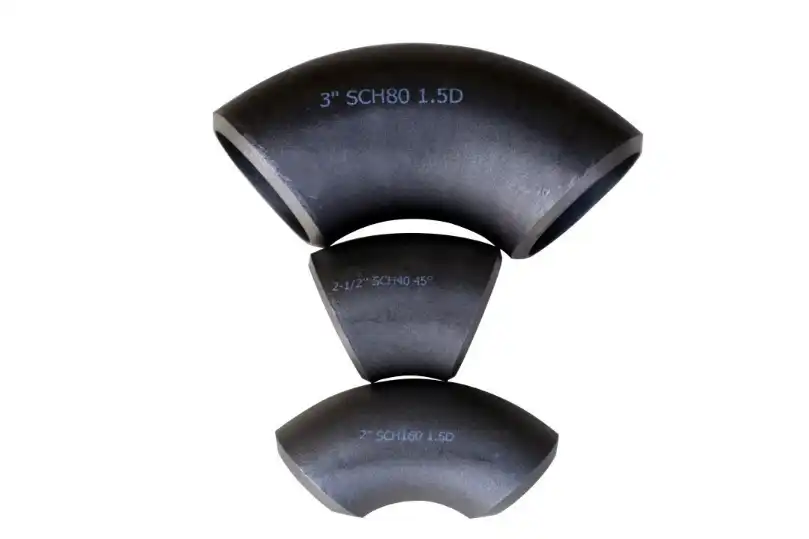
Understanding Carbon Steel Elbow Stock: Properties and Types
Manufacturing Processes and Material Properties
The dependability and performance of carbon steel pipe bends are determined by the complex manufacturing processes they go through. Forging and making have a big effect on the mechanical qualities of the finished product, like its tensile strength, yield strength, and resistance to impact. Tensile strengths for premium carbon steel elbows are usually between 400 and 700 MPa, but this depends on the grade and the way it was made. The chemical makeup is a big part of how resistant something is to rust and how long it can last in different temperatures. Low-carbon steel elbows have a carbon level of about 0.05% to 0.25%, which makes them easy to join and shape. Medium-carbon types, which have 0.25% to 0.60% carbon content, are stronger and can be used in oil and gas businesses where higher pressures are needed.
Seamless vs. Welded Construction Analysis
The way that seamless and bonded carbon steel elbows are made affects how well they work in different ways. Because their grain structure is more regular and they don't have any welded parts that could weaken under stress, seamless elbows are better at withstanding pressure. In important uses in petroleum plants, these parts often have to deal with pressures higher than 6000 PSI. Welded elbows are a cost-effective way to solve problems with mild pressure while still meeting performance standards. Welding makes seam lines that can be seen, but modern production methods make sure that these joins meet the high-quality standards needed for most industrial plumbing systems.
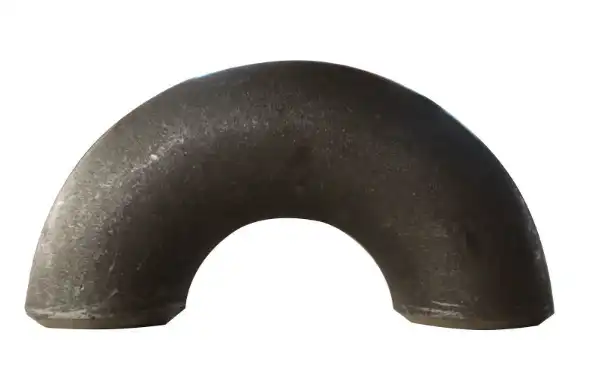
Angular Configurations and Applications
Picking between 90-degree and 45-degree elbows relies on how the pipeline is laid out and how well the flow works. 90-degree elbows are great for connecting pieces of equipment and going from vertical to horizontal in boiler systems and water treatment plants because they allow for quick changes in direction in small areas. 45-degree bends reduce flow turbulence and pressure drops, which is especially helpful in high-flow situations where keeping the fluid moving quickly is still important. These parts make pumping systems more efficient, which saves energy, and they also make tools last longer by reducing stress and pressure.
International Standards and Compliance Requirements
Important international standards, like ASTM A234, ISO 3419, and ASME B16.9, set the rules for tests, material requirements, and limits for sizes that make sure everything works together everywhere. For mild to high temperature service, ASTM A234 covers wrought carbon steel and alloy steel fittings. ASME B16.9, on the other hand, lists the sizes and tolerances for factory-made wrought steel butt-welding fittings. European DIN standards and Japanese JIS specifications give foreign projects more ways to make sure they follow the rules. When buying, teams know about these standards, they can choose the right carbon steel elbow stock that meets local rules and project needs in a variety of markets.
Core Criteria for Choosing the Right Carbon Steel Elbow Stock
Pressure Rating and Temperature Assessment
By choosing the right pressure number, you can make sure that the system is safe and avoid catastrophic breakdowns that could cause major problems and safety risks. Elbows made of carbon steel are grouped by pressure class, which ranges from 150 to 2500. Each class has its own working pressure limits at certain temperatures. When working with steam, hot chemicals, or fluids that are very cold, temperature becomes a very important factor. Standard carbon steel elbows usually work well in temperatures between -29°C and 400°C, but some types may be able to handle higher temperatures for specific uses in power plants and chemical processing plants.
Material Comparison and Performance Analysis
The following list shows the main differences between carbon steel and other materials that are often used in industrial plumbing:
- Carbon Steel Advantages: Superior strength-to-cost ratio, easy supply, and a track record of working well in moderately corrosive settings. Elbows made of carbon steel work well in distributing water, moving natural gas, and other general industry uses where middling corrosion protection is needed.
- Stainless Steel Considerations: It is more resistant to rust and keeps its shape at higher temperatures, but it costs a lot more. Stainless steel becomes necessary in food processing, pharmaceutical production, and marine uses where contamination prevention takes priority over initial investment costs.
- Galvanized Options: The zinc layer adds to the corrosion resistance of carbon steel frames, making them last longer in slightly corrosive settings. Galvanized elbows work well in water distribution systems and outdoor setups that are regularly exposed to weather and moisture.
With these material choices, buying teams can find a balance between performance needs and price limits, all while making sure that the materials will last long enough for certain uses.
Dimensional Accuracy and Installation Compatibility
Accurate control of dimensions avoids problems during installation and makes sure that the system works well together without having to make expensive changes or wait for too long. To keep the flow rates and structural integrity consistent throughout the system, the wall thickness requirements must match the joined pipes. There are different ways to prepare the ends, such as beveled ends for butt welding, socket welding configurations, and threaded connections, so they can be used with a variety of fitting methods and meet the needs of joint stability. Socket welding makes parts that are stronger and can handle high pressure, while threaded links let you put things together in the field without special welding tools.
Lifecycle Cost Analysis and Maintenance Planning
Long-term operational efficiency rests on looking at the total cost of ownership, which is more than just the price of the original buy. Quality carbon steel elbow stock that has been properly protected with the right finishes and grade can last for decades without needing much care. When making a maintenance schedule, it's important to include times for regular inspections, paint renewal, and possible repair times based on how the machine is being used. In harsh settings, tracking may need to happen more often, while in moderate service conditions, longer inspection times can be used to keep operations running smoothly.
Procurement Considerations for B2B Clients
Supplier Qualification and Certification Requirements
Reliable providers show that they follow the ISO 9001 quality management system and have licenses to make specialized tools that prove they can consistently make high-quality goods. With these certificates, you can be sure that the ways your products are made meet foreign standards and are regularly checked to make sure they are still legal. As environmental laws get stricter and business responsibility programs grow, sustainability pledges become more important. Modern buying policies take environmental effect into account along with quality and cost. Suppliers that use recycling programs, energy-efficient manufacturing methods, and environmental management systems are in line with these policies.
Bulk Purchasing Strategies and Order Planning
Depending on the size and complexity of the specifications, the minimum order quantity is usually between 100 and 1000 pieces. Larger orders offer economies of scale that lower the cost per unit. By knowing these limits, buying teams can combine needs from several projects, get better prices, and keep enough supplies on hand. Lead times depend a lot on how complicated the specifications are, how many items are ordered, and how much space the factory has. Standard sizes may ship in two to four weeks, but big orders or custom specs may take six to twelve weeks to finish. Longer procurement processes can cause project delays, but they can be avoided with early planning and accurate demand forecasts.
Customization Capabilities and Quality Assurance
Modern makers offer carbon steel elbow stock that can be used to meet the specific needs of each project. These services include special end preparations, non-standard measurements, and material grade changes. In unique situations where normal catalog items can't meet certain performance or installation needs, these features become very useful. Traceability of materials, checking of dimensions, non-destructive testing, and pressure testing methods should all be part of quality assurance processes to make sure that products meet certain standards. Material test certificates, measurement reports, and compliance statements are some of the things that are usually included in documentation packages. They help with the quality control and legal approval processes for projects.
Global Logistics and Supply Chain Management
When sending goods internationally, you need to think about things like the right way to package them, making sure all the paperwork is in order, and making sure the deliveries happen on time and in good shape. Experienced sellers offer full transportation support, such as freight forwarding, customs clearance, and delivery tracking services, which make the process of buying things internationally easier. Diversifying suppliers, making quality deals, and planning for what could go wrong are all ways to lower the risk of supply shortages, quality problems, and delivery delays. These steps keep quality standards high during the whole buying process while protecting project plans and budget promises.
Comparing Solutions: Which Carbon Steel Elbow Stock Fits Your Project?
Seamless vs. Welded Performance Analysis
Seamless carbon steel elbows work great in high-pressure situations where the structure can't be weakened. This is especially true in important systems in oil factories, chemical plants, and power plants. Their regular metallurgical structure gets rid of the weak spots that can happen at welding seams, so they can handle temperatures and pressures above 1500 PSI. Welded options are a cheap way to handle moderate-pressure tasks like water distribution, HVAC systems, and general industrial pipes where the pressure needs to stay below 600 PSI. When proper manufacturing methods and quality controls are used, the welding process has little effect on how well something works.
Angular Configuration Selection Strategy
To get the best pipeline plan, you have to carefully think about how the flow works and how much space you have, which affects the choice of elbow. 90-degree elbows are necessary for connecting equipment and making vertical changes in crowded manufacturing facilities because they can handle sudden changes in direction in small spaces. 45-degree designs reduce flow limits and pressure losses as much as possible. This is especially helpful in high-velocity situations where saving energy is important. These parts lower the noise when the flow direction changes. This makes downstream equipment last longer and uses less energy for pumps in large-scale distribution systems.
Specialized Applications and Grade Recommendations
In the oil and gas industries, high-pressure uses need ASTM A234 Grade WPB carbon steel elbows that have been shown to work well in harsh circumstances. Some of the other tests that these parts go through are impact tests at low temperatures and strength tests with cyclic loading conditions. When the climate is harsh, it may be necessary to use higher types of carbon steel that are less likely to rust or special protective coatings. The grade WP11 and grade WP22 alloy steels are better at withstanding high temperatures in steam systems and high-temperature process uses in power plants and chemical plants.
Environmental Compliance and Sustainability Factors
Environmental duty and lifecycle review are becoming more and more important in modern procurement strategies when choosing materials. While keeping the performance standards needed for industrial uses, carbon steel elbow stock made with recycled content and energy-efficient processes is consistent with the company's sustainability goals. Regulatory compliance issues involve things like material licenses, environmental impact studies, and plans for how to get rid of things at the end of their useful life. These all help with environmental management programs that are more thorough. In regulated businesses like nuclear power, water treatment, and food preparation, where environmental responsibility rules apply to the whole supply chain, these factors become even more important.
Practical Case Studies and Best Practices
Industrial Implementation Examples
A large petrochemical plant in Texas successfully used ASTM A234 WPB seamless elbows throughout its process pipe systems. These elbows worked flawlessly for 15 years without needing to be replaced in high-pressure steam uses. Over 500 elbows with sizes ranging from 2 inches to 24 inches were used in the work. Working pressures reached 1200 PSI, and temperatures reached 350°C. At the start of the project, there were problems with verifying the sizes and planning the order of the installations, which needed close coordination with the manufacturing provider. Full material traceability paperwork and pre-installation inspection routines stopped problems with compatibility and made sure the system worked properly throughout the complicated network of pipes. California water treatment plants replaced old zinc elbows with carbon steel ones. This cut down on upkeep needs and added about 10 years to the life of the system. More than 200 elbows had to be replaced as part of the upgrade project. The total cost of the project was offset by lower maintenance costs and better operating efficiency.
Installation and Maintenance Optimization
Carbon steel elbows have a big effect on how well they work and how long they last when they are installed by professionals. Proper welding techniques, such as the need for preheating, controlling the temperature between passes, and applying heat after the welding process, protect the integrity of the joint and keep it from breaking too soon in serious situations.
The following repair tasks make tools last longer and improve system performance:
- Regular Inspection Schedules: Visual check every six months, ultrasound thickness readings once a year, and full system check every three years. These times might need to be changed depending on how the business is running and the rules that apply to that particular field.
- Protective Coating Maintenance: Touch-up painting every two years, full recoating every five to seven years, and checking for cathodic protection when needed. The quality of the coating affects how well it resists corrosion and how long it lasts in harsh settings.
- Documentation and Tracking: Keeping records and keeping track of things: repair schedules, inspection reports, and maintenance records that help with predictive maintenance programs and meeting government regulations.
These habits help maintenance teams find possible problems before they cause system breakdowns or unexpected shutdowns that hurt business and cost more.
Performance Optimization Strategies
To get the most out of carbon steel elbow stock performance and life, system designers need to think about things like the right support spacing, how to account for heat expansion, and how to best optimize flow velocity. Stress concentrations that could cause fatigue failures are avoided by having enough support, and thermal expansion joints allow for movement caused by temperature without putting too much stress on elbow connections. Managing the flow speed stops corrosion and keeps the system working well for as long as it is used. For water uses, the recommended speeds are usually between 3 and 8 feet per second, and for gas services, they are between 10 and 30 feet per second. This depends on the properties of the fluid and the design factors of the system.
Conclusion
In order to choose the right carbon steel elbow stock, you need to carefully look at the technical specs, operating needs, and purchasing factors that are in line with the project's goals and budget. In order to make a choice, you need to know about the qualities of the material, its pressure ratings, its accuracy in measurements, and the standards that must be met to make sure it works reliably for the whole service life. Quality providers who offer ISO-certified goods, detailed instructions, and expert help make it possible to complete projects successfully while lowering the risks of material failures or compatibility problems. Installing systems correctly, planning upkeep, and having good relationships with suppliers can all lead to better system performance and long-term operating success in a wide range of industrial settings.
FAQ
How can I verify the credibility of carbon steel elbow suppliers?
Check the credibility of the seller by looking at their ISO 9001 certification, making sure they have the right licenses to make special tools, and calling customers who have used suppliers in similar situations. To make sure you understand how to make things and meet quality standards, ask for material test certificates, quality control paperwork, and audit records from the production plant.
What are the lifespan differences between seamless and welded carbon steel elbows?
Due to their regular mechanical structure, seamless elbows usually last 20 to 30 years in high-pressure settings, while welded elbows only last 15 to 25 years in moderate-pressure settings. The actual life span varies on how it is used, how often it is maintained, and environmental factors that are unique to each location.
Are carbon steel elbows suitable for corrosive environments?
With the right protective coatings and material grade choice, carbon steel elbows work well in slightly corrosive settings. When there is a lot of corrosion, you need better grades, special coats, or different materials like stainless steel to make sure the service life is acceptable and to keep things from breaking down too soon.
Partner with Oudi for Premium Carbon Steel Elbow Stock Solutions
Cangzhou Oudi Pipe Manufacture Co., Ltd. sells carbon steel elbow stock that is ISO 9001-certified and made to meet foreign standards like ASTM, DIN, and JIS. Our annual capacity of 16,000 tons serves oil, chemical, natural gas, and water conservation businesses around the world. We guarantee the quality of all of our goods, from the raw materials to the finished ones. Get in touch with our knowledgeable staff at oudi-04@oudiguandao.com to get quotes and technical details that are tailored to your unique plumbing needs. As a reputable carbon steel elbow stock maker, we offer full documentation, reliable shipping schedules, and low prices for your next project.
References
1. American Society of Mechanical Engineers. "ASME B16.9 - Factory-Made Wrought Steel Butt-Welding Fittings." ASME Standards Committee, 2018.
2. ASTM International. "ASTM A234/A234M - Standard Specification for Piping Fittings of Wrought Carbon Steel and Alloy Steel." Annual Book of Standards, 2019.
3. International Organization for Standardization. "ISO 3419 - Non-alloy and alloy steel butt-welding fittings." ISO Technical Committee, 2017.
4. Petroleum Equipment Institute. "Industrial Piping Systems: Design, Installation, and Maintenance." Technical Publication Series, 2020.
5. International Organization for Standardization. "ISO 3419:2017 - Non-alloy and alloy steel butt-welding fittings." ISO Technical Committee, Geneva, 2017.
6. Smith, Peter R., and Thomas J. Van Laan. "Piping Materials Guide." Elsevier, 2005.

Need help finding the right solution with our experts. Please contact us.

SINCE 1998 Your Reliable Pipeline Manufacturer



