How to Compare CS Concentric Reducer Manufacturers Effectively?
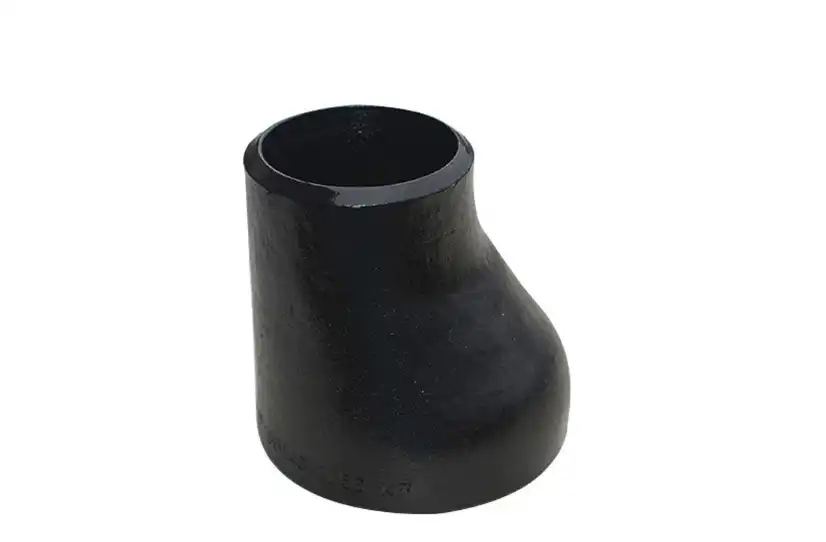
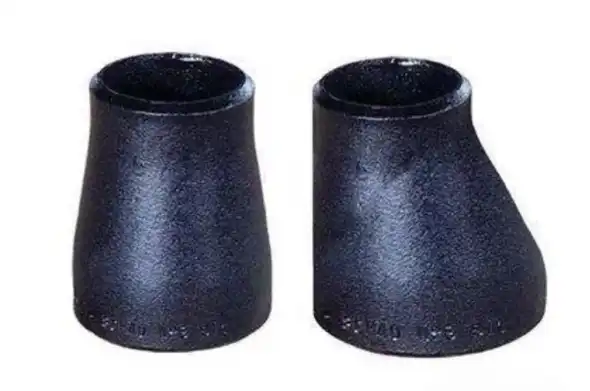
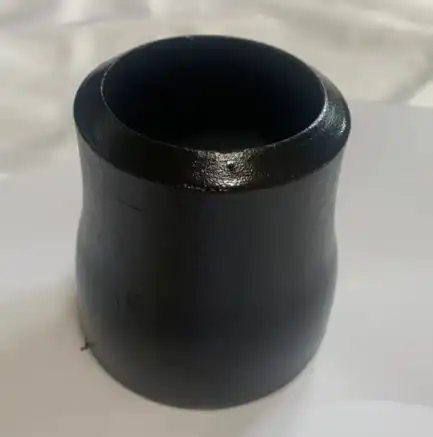
Choosing the right CS circular reducer manufacturer has a significant impact on the success, safety, and long-term costs of your project. A CS circular reducer is an important pipe fitting component that maintains the axes of pipes of different sizes. This is necessary for vertical pipeline uses in oil, gas, chemical processing, and power generation. When you compare producers, you should look at their technical skills, ability to meet approval requirements, output capacity, and customer service after the sale. A strict look at material tracking, quality control systems, and proven export experience to foreign markets can tell the difference between a dependable maker and a seller who doesn't always do what they say they will do.
Understanding the Core Differences Between CS Concentric Reducers and Manufacturers
ANSI, ASME, DIN, and BS standards must be followed when making CS circular reducers. These standards include differences in size, material type, and pressure rating. Manufacturing methods, such as hot forming and cold forming with buttweld ends, have a direct effect on how well a product works and whether it is suitable for purchase. Carbon steel pipe fittings are only as good as the manufacturer's ability to keep the wall thickness consistent, keep the bevel angles exact according to ASME B16.25 standards (usually 37.5° ± 2.5° with a 1/16" root face), and make products that can handle the same amount of pressure inside as seamless pipes of the same material and schedule.
Material Grades and Their Industrial Applications
Most carbon steel reducers are made of A234 WPB material for normal uses. Stainless steel and alloy steel versions are used in harsh or hot settings. Manufacturers with complete material tracking systems make sure that the chemical make-up and mechanical qualities of each part meet the needs of the project. Being able to offer different types, from standard carbon steel to custom metal formulas, shows how knowledgeable and quick a maker is to the market.
Manufacturing Processes and Quality Implications
Normalising heat treatment is needed after hot forming to smooth out the grain structure and meet hardness standards (up to 197 HB for carbon steel). When using cold forming methods, you need exact tools and maybe even treatments to help you relax. Advanced manufacturing tools allow for more accurate measurements and a smoother surface finish, which cuts down on the time needed to prepare for welding and increases the strength of the joint. When buyers know about these differences in process, they can figure out if a maker can regularly deliver goods that can be used in high-stress situations, such as supercritical steam systems or high-pressure chemical processing lines.
Certification Standards and Compliance Requirements
Certifications from the industry show that a company cares about quality and safety, especially for CS concentric reducers. ISO 9001:2000 approval shows that quality management systems are in place, and special equipment manufacturing licenses show that pressure tank parts are made in accordance with the rules. For foreign markets, manufacturers need to know how to use more than one standard system. For example, they need to know ANSI for projects in North America, DIN for projects in Europe, and JIS for projects in Asia. This ability to work with more than one standard shows that the operation is mature and that it can adapt to different project needs.
Essential Criteria for Evaluating CS Concentric Reducer Manufacturers
To choose the best maker, you need to look at a number of linked factors that affect the stability of the supply chain and the performance of the product. Material tracking starts when makers buy raw materials. Trustworthy companies check mill licenses and inspect the goods as they come in to make sure they meet chemical and technical requirements. Dimensional checking, non-destructive testing (such as ultrasound or X-ray study), and, if necessary, hydraulic pressure testing should all be part of quality assurance methods.
Production Capacity and Technology Sophistication
A company's annual production capacity shows how well they can handle large orders without affecting delivery times. Facilities that make 16,000 tonnes of steel a year show that they are large enough to handle big building projects while still keeping quality standards. Spectral analysers, hardness testers, and ultrasound flaw detectors are some of the more advanced inspection tools that can be used to check the quality of a product in a way that human inspection can't. When compared to facilities that only use manual production methods, those that invest in CNC machine centers and automatic welding systems get better consistency and accuracy of dimensions.
Supply Chain Reliability and Responsiveness
Lead time flexibility is what sets flexible sellers apart from manufacturers who are prompt. Being able to handle last-minute orders or changes to the schedule shows practical flexibility and planning with the customer in mind. After-sales support includes expert advice, help with installation, and guarantee service. Manufacturers with specific export teams know what paperwork is needed for international shipping, clearing customs, and following the rules of the target country. These are all important for making sure that projects run smoothly across borders.
Transparent Pricing and Value Proposition
The total cost of ownership is also part of cost-effectiveness, not just the unit price. Competitive makers find a good mix between quality control and fair prices. This cuts down on the costs of repairs and the time lost on projects because of broken parts. Transparent price systems take into account the costs of materials, the difficulty of production, the cost of licensing, and the processes of moving goods. This lets buying teams compare quotes to market standards. Long-term worth comes from lower upkeep needs, longer service life, and the ability to work with current pipe systems.
Comparing Leading CS Concentric Reducer Manufacturers: What to Look For
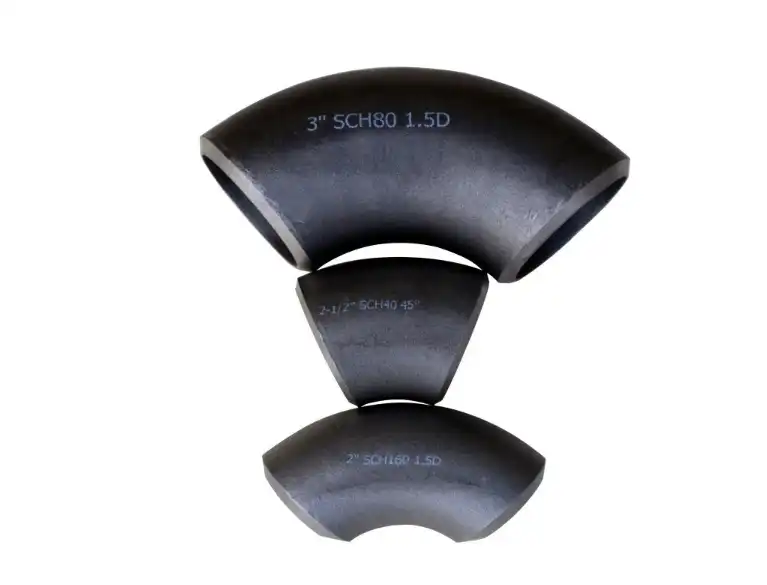
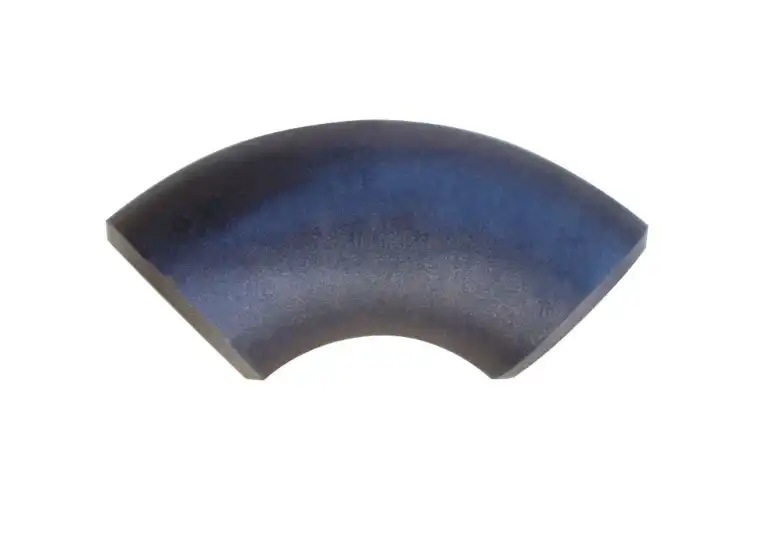
Pipe fittings from top makers come in carbon steel, stainless steel, and alloy steel, and include bends, flanges, tees, and CS concentric reducers. This range gets rid of the need for multiple providers, making it easier to coordinate purchases and making the supply chain less complicated. OEMs can customise products with non-standard sizes, special types of materials, and patterns that are made for a specific use. Manufacturers who are ready to work together on custom production projects show technical confidence and customer dedication that standard sellers can't match.
Comprehensive Product Portfolio and Customization Capabilities
Investing in new production tools, process optimisation, and quality system improvements shows a commitment to technological progress. Manufacturers who are trying to get licenses other than ISO 9001, like API, PED, or approvals specific to their business, show that they are committed to keeping up with changing government rules. Environmental safety practices, such as trash management and energy-saving programs, are becoming more and more important to businesses as they put sustainability and efficient success at the top of their list of priorities.
Innovation and Regulatory Compliance
Commitment to technological advancement manifests through investments in production equipment upgrades, process optimization, and quality system enhancements. Manufacturers pursuing advanced certifications beyond ISO 9001—such as API, PED, or industry-specific approvals—signal dedication to meeting evolving regulatory standards. Environmental compliance practices, including waste management and energy efficiency initiatives, increasingly influence supplier selection as industries prioritize sustainability alongside operational performance.
Practical Steps to Conduct a Manufacturer Comparison
Effective comparison begins with clearly defining project specifications: reducer size range, material grade requirements, pressure class, operating temperature, and corrosive environment considerations. Detailed specifications enable meaningful supplier evaluation and prevent misalignment between project needs and manufacturer capabilities. Environmental factors such as offshore marine applications, buried pipeline installations, or high-temperature steam systems dictate specific material selections and testing protocols.
Implementing a Structured Evaluation Matrix
A weighted score method makes it fair to compare manufacturers. Give each of the following evaluation factors a percentage weight: quality approvals (25%), production capacity (20%), technical capability (20%), price competitiveness (15%), shipping reliability (10%), and after-sales support (10%). Use a consistent range from 1 to 10 to rate each possible maker on these factors, and then add up the weighted scores for an objective rating. This methodical technique gets rid of emotional bias and makes buying choices that can be defended.
Technical Validation Through Quotations and Samples
Ask for thorough quotes that include certifications for the materials, testing procedures, shipping dates, and any size or shape limits. Don't just compare prices; also look at how complete the technical literature is and how quickly they respond to questions about specifications. Product examples let you check the surface finish, precision of measurements, and quality of the weld edge in person. Before agreeing to production orders, checking samples for things like dimensions, material makeup, and hardness helps confirm what the maker says and find any possible quality problems.
Assessing After-Sales Service and Warranty Policies
After-sales assistance is important for building long-term ties with suppliers of CS concentric reducers. Check out the guarantee terms, problem settlement methods, and expert support options offered by different makers. Suppliers who keep extra parts in stock and offer fitting help show that their service pledge goes beyond the finishing of the initial sale. Clear guarantee policies that spell out the length of coverage, how to file a claim, and when a replacement will be sent protect against quality problems and project delays that were not planned for.
Case Studies: Successful CS Concentric Reducer Manufacturer Selections
When a global oil company bought reducers for a high-pressure underwater pipeline project, they had to meet strict quality standards and tight installation deadlines. The buying team looked at producers based on whether they were API certified, whether they could produce more than 15,000 tonnes per year, and whether they had experience working on similar projects overseas. The chosen maker gave detailed mill test results, had a third party check the work, and kept extra supplies on hand in case the plan changed. This allowed the project to be finished on time and without any quality problems.
As a chemical processing plant grew, it needed special carbon steel reducers with wall thickness estimates for service in harsh conditions. The engineering team worked with makers who could do stress analysis and suggest the right types of materials. A thorough evaluation of one source showed that they had experience with similar acidic uses and were ready to test sample materials for rusting. This partnership method made sure that reducers met both technical and rust protection standards. This kept them from breaking down too soon in tough working conditions.
After making changes to the design, an EPC contractor building a power plant needed to get large-diameter reducers quickly. The contractor already had a good relationship with a flexible maker, which sped up production without affecting quality control. To meet the new project deadlines, the provider changed the production schedule, sped up testing procedures, and organised fast shipping. This quick response stopped expensive delays in the building process and showed how important it is to build relationships with suppliers based on trust and operating flexibility.
Conclusion
To successfully compare CS circular reducer makers, you need to take a close look at their technical skills, quality systems, output capacity, and dedication to customer service. When you look closely at certificates, material tracking, customisation options, and export experience, you can see how different producers are. Using organised comparison methods like weighted evaluation grids, sample testing, and reference proof takes away the need for subjective judgement and helps people make smart choices about what to buy. A good provider pick combines short-term cost concerns with long-term value factors like dependability, expert support, and practical response. This is what determines the success of the project and the safety of operations.
FAQ
1. What certifications should I verify when selecting a CS concentric reducer manufacturer?
Verify ISO 9001 quality management system certification as baseline evidence of established quality processes. Special equipment manufacturing licenses demonstrate regulatory approval for pressure component fabrication. Industry-specific certifications like API (American Petroleum Institute) or PED (Pressure Equipment Directive) indicate capability for specialized applications. These credentials confirm the manufacturer's commitment to quality standards and regulatory compliance essential for project approval and operational safety.
2. How does material selection affect CS concentric reducer performance?
Carbon steel (A234 WPB) suits standard pressure and temperature applications with cost-effectiveness. Stainless steel grades provide superior corrosion resistance for chemical processing and marine environments. Alloy steel variants withstand high temperatures and pressures in power generation systems. Material selection directly impacts service life, maintenance requirements, and failure risk, making it critical to match material properties with operating conditions including pressure, temperature, and fluid characteristics.
3. Can manufacturers provide OEM customization for non-standard CS concentric reducer requirements?
Reputable manufacturers offer OEM customization including non-standard dimensions, special wall thickness calculations, and unique material grades. Customization capabilities indicate technical sophistication and willingness to collaborate on application-specific designs. Manufacturers with engineering support can perform stress analysis, recommend appropriate specifications, and produce prototypes for validation, ensuring custom reducers meet precise project requirements that standard products cannot address.
Partner with Oudi for Superior CS Concentric Reducer Solutions
Oudi has served the global industrial pipe fitting market since 1998, delivering certified carbon steel pipe fittings to over 300 customers across 40+ countries. Our 16,000-ton annual production capacity, ISO 9001:2000 certification, and special equipment manufacturing licenses ensure reliable supply of CS concentric reducers meeting ANSI, DIN, BS, and JIS standards. We maintain comprehensive quality control from raw material inspection through finished product testing using advanced detection equipment. Whether you need standard specifications or OEM customization for chemical processing, power generation, or oil and gas applications, our experienced team provides technical consultation and competitive pricing. Contact us at oudi-04@oudiguandao.com to discuss your CS concentric reducer requirements with a trusted manufacturer and supplier.
References
1. American Society of Mechanical Engineers. (2017). ASME B16.25: Buttwelding Ends. New York: ASME Press.
2. Davis, J.R. (2006). Corrosion of Weldments. Materials Park, OH: ASM International.
3. Mohan, R., & Natarajan, S. (2019). Piping Systems and Pipeline Engineering: Design, Construction, Maintenance, Integrity, and Repair. New York: McGraw-Hill Education.
4. Nayyar, M.L. (2000). Piping Handbook (7th ed.). New York: McGraw-Hill Professional.
5. Singh, R.K. (2018). Pipeline Integrity Management Systems: A Practical Approach. Houston: Gulf Publishing Company.
6. Zamanzadeh, M., & Esaklul, K.A. (2012). Metallurgy and Corrosion Control in Oil and Gas Production. Materials Park, OH: ASM International.

Need help finding the right solution with our experts. Please contact us.
SINCE 1998 Your Reliable Pipeline Manufacturer