Industrial BW Caps for Pipeline Protection
Getting the right end closure option is crucial for protecting the health of your industrial pipe systems. BW carbon steel cap fittings are critical because they firmly seal the ends of pipes. This stops leaks and contamination and keeps the pressure integrity in tough situations. When it comes to settings where fluid containment and structural stability can't be compromised, these butt-weld caps perform very well. Knowing what they are, how to use them, and how to choose them helps buying pros make smart choices that protect assets and keep operations running smoothly.
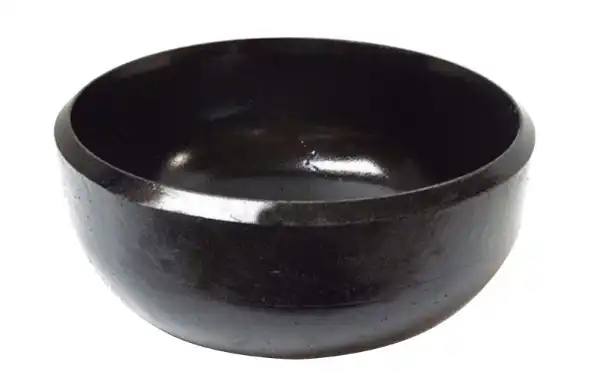
Understanding BW Carbon Steel Caps: Specifications and Applications
What Are BW Carbon Steel Caps?
Butt-weld BW carbon steel caps are special pipe fittings that are made to close off the ends of a pipeline forever through direct welding. Instead of threaded or slip-on options, these caps have angled ends that make a trough for safe welds that won't leak. The production process uses high-quality carbon steel alloys that meet ASTM A234 standards. The WPB grade is especially useful because it strengthens and is easy to weld. During production, these parts are subject to strict quality control, ensuring that they meet international standards for accuracy in measurements and stability of materials.
The way these caps are made gives them great mechanical strength, which allows them to handle high temperatures and pressures. Our factory makes both seamless and welded versions, and each has its benefits based on the needs of the product. Seamless caps have constant wall thickness and better pressure ratings, while welded choices are more cost-effective for normal pressure situations. Choosing one of these manufacturing ways has an effect on both efficiency and cost.
Industry Standards and Compliance
When working with pipeline parts in important businesses, you must follow standards that ensure safety and interoperability. The BW Carbon Steel Caps that are made at our factory meet the dimensions required by ASME/ANSI B16.9 and ASME B16.28, as well as the MSS-SP-43 standards for forged fittings. These standards set the plans for wall thickness, bevel angles, and tolerance ranges that make it possible for new pipelines to connect easily to old ones.
Certification of materials goes beyond just making sure they meet the dimensions. Our production follows the guidelines set by ASTM A234, and we keep records of every heat batch from the time we get the raw materials to the time we check them for quality. This ability to track meets the standards of ISO 9001:2000 quality management and helps with customer verification methods. The People's Republic of China special equipment-making license is more proof of our technical skills and compliance with the rules.
Dimensional Specifications and Material Grades
Sizes range from 1/2" (15 NB) to 48" (1200 NB), so they can fit a wide range of pipeline designs used in industry. There are different wall thickness choices, from Schedule 5S to XXS. In between, schedules like 10S, 40S, 80S, and 160 offer accurate pressure capacity matching. This wide range lets purchasing teams be very specific about what they need without sacrificing structural soundness or spending too much on material thickness that isn't needed.
The choice of material has a big effect on how resistant it is to rust and how long it will last. Some types of carbon steel, like ASTM A234 WPB, work really well in places that don't rust, while WPHY series grades are better for certain temperature ranges. The A420 WPL3 and WPL6 grades are suitable for low-temperature uses because they stay flexible in cold weather. For areas that are prone to corrosion, adding protection coatings or switching to stainless steel versions will ensure long-term dependability.
Core Applications Across Industries
Butt-weld BW carbon steel caps are essential in many fields because they can be used in a variety of ways. In the refining of oil, workers use these fittings to shut off temporary pipeline additions and separate parts of the pipeline while they do repairs. When working with dangerous chemicals that need to be kept completely contained, chemical processing plants depend on their ability to prevent leaks. Natural gas delivery networks use these caps to keep the system's pressure steady and block off any future growth points.
Galvanization processes make things more resistant to rust, which is good for water conservation projects. These pieces are used to temporarily close off areas on construction sites during phased installation processes. Their small size and ability to connect with vessel pipe systems make them useful for shipbuilding. Their ability to withstand high temperatures in boiler feedwater and steam distribution systems is important for power plants that make electricity. The fact that these parts can be used in different industries shows their importance to current structures.
How to Select the Right BW Carbon Steel Cap for Your Pipeline?
Material Compatibility Considerations
To choose the right BW carbon steel cap material, you need to carefully look at the fluid's properties and how it will be used. Carbon steel works best in neutral pH settings with little contact with corrosives. It works well in water, steam, and hydrocarbon uses at a low cost. The strength-to-weight ratio of the material meets building needs without costing too much. But places that are acidic or high in chloride may need protection coats or different metal choices.
Temperature extremes have a big effect on how things behave. Standard types of carbon steel work effectively from -29°C to 400°C, while special low-temperature grades can be used down to -45°C. Knowing your system's thermal cycles will keep it from breaking down too soon because of thermal stress or brittleness. Pressure ratings must match maximum working pressures, which includes spike limits. The choice of wall thickness must provide enough safety gaps in line with ASME code rules.
Dimensional Accuracy and Pressure Ratings
Exact matching of dimensions makes sure that everything fits right during installation, which lowers the risk of welding mistakes and the cost of repairs. As stated in ASME B16.9, the outer diameter tolerances usually allow ±1% variation. Wall thickness tolerances, on the other hand, follow schedule standards with negative tolerance limits to protect against under-thickness situations. Standardized bevel angles of 37.5° make it easier to prepare welds on goods from different makers in the same way.
The wall's thickness and the material's grade are both directly related to how much pressure it can hold. At room temperature, Schedule 40 caps can usually handle pressures of up to 2000 psi. Schedule 160 caps can handle pressures higher than 6,000 psi. Following the rules set out in ASME B31.3 process pipe codes, temperature derating factors reduce the allowed pressures as working temperatures rise. To ensure that the mechanical rates are correct, the procurement specs should include both the design pressure and temperature.
Comparing BW Caps with Alternative Closure Methods
Depending on the situation, each closing technology has its own unique benefits. Threaded caps allow for effortless removal, but they create leak paths when the threads connect, so they can't be used in critical pressure situations. Flanged blind seals allow for regular inspections, but they are heavier and cost more than welded options. Slip-on caps make fitting easier, but they must be welded inside and outside, adding to the work required.
Because they are fixed, BW carbon steel caps provide better leak protection for long-term setups that won't need to be accessed in the future. Their flush-welded link keeps flow from getting messed up and requires less upkeep than threaded fittings that stick out. Installation needs skilled welders, but the connection strength often exceeds the qualities of the parent pipe material. This stability works well in situations where dependability is more important than freedom.
Seamless Versus Welded Construction
The way people make things affects both how well they work and how much they cost. When manufacturers use hot forming to make seamless caps, they ensure the walls are always the same width and the grains are all the same size. This means that the fitting's mechanical features are always the same. These qualities make them useful for important tasks in high-stress situations where the effects of failing are high enough to justify higher costs. With seamless construction, there are no horizontal weld joints, which could be weak spots.
When used with standard pressure and bigger sizes, welded caps made from formed plate material are cheaper. Modern automatic welding methods, when reviewed properly, produce longitudinal seams that are of high quality and meet code requirements. A full x-ray exam proves the stability of the weld, giving you the same level of trust as with seamless options. When the size is bigger than 24" and when smooth manufacturing prices go up a lot, the economic benefits become clear.
Installation and Maintenance Best Practices for BW Carbon Steel Caps
Step-by-Step Installation Procedures
Before installing BW Carbon Steel Caps correctly, the surface needs to be carefully cleaned and prepared. The ends of the pipes need to be square-cut and beveled according to ASME B16.25 standards, and any mill scale, rust, or other contaminants should be removed from within two inches of the weld zone. The fitting process should keep the root gap uniform, usually between 1/16" and 1/8", and external alignment should be used to ensure the assembly is concentric. Tack welds placed at the quadrants hold the alignment during the root pass welding.
The type of welding used depends on the thickness of the wall and the grade of the material. Shielded metal arc welding (SMAW) is flexible in the field for most carbon steel applications, while gas tungsten arc welding (GTAW) root passes improve the quality of the penetration on critical services. The filler metal used must match the properties of the base material; for standard carbon steel, these are usually E7018 electrodes. Interpass temperature control stops the input of too much heat that breaks down the material's properties.
Quality Assurance and Inspection Protocols
Before the system is turned on, a post-weld inspection makes sure the installation is correct. A visual inspection finds surface flaws like cracks, incomplete fusion, and too much reinforcement. Dimensional checks make sure the cap is oriented correctly and lined up with the pipes next to it. Non-destructive testing methods find flaws below the surface, and radiographic examination shows internal discontinuities in important situations.
Our quality control procedures, which are based on ISO 9001 certification, include a visual inspection of every part and a certain percentage of x-rays depending on the service classification. Positive material identification (PMI) confirms the correct material grades, which stops installation mistakes that damage the system. Hydrostatic pressure testing makes sure the system works properly under controlled conditions before it starts up. These multiple checks keep the system from breaking down too soon.
Common Installation Challenges and Solutions
Fit-up problems usually arise from pipe ends that aren't round or bevels that aren't properly prepared. Using internal alignment clamps keeps the ends round during tack welding, and precision cutting equipment makes sure that the ends are square. Dirty surfaces or insufficient shielding gas coverage usually causes welding flaws like porosity. You can avoid these problems by following strict cleaning rules and keeping the weld zone out of the wind.
During welding, thermal distortion can affect large-diameter BW carbon steel caps. To keep warping to a minimum, use balanced welding sequences and keep interpass temperatures under control. Preheating requirements for thick-wall caps stop hydrogen-induced cracking in materials that are prone to it. Qualified welding procedures developed through testing ensure consistent results across different welders and conditions. Taking care of these factors ahead of time cuts down on rework and project delays.
Maintenance and Lifecycle Management
Regular inspections at intervals that are right for the level of service extend the life of BW carbon steel caps and keep them from breaking down without warning. Visual checks every three months look for external corrosion, coating wear, and mechanical damage from operations. Ultrasonic thickness measurements track corrosion rates, so replacements can be planned ahead of time before wall thinning affects pressure ratings. Cathodic protection systems need annual checks to make sure there is enough electrical continuity.
Coating maintenance keeps corrosion resistance high in harsh environments. Touch-up procedures fix localized coating failures before they expose the underlying steel and cause it to wear down faster. Complete recoating projects done during major turnarounds restore protection equal to new installations. Recording inspection results and maintenance activities provides historical data to support reliability-centered maintenance strategies. This proactive approach makes the best use of assets while maintaining safety standards.
Procurement Strategies for BW Carbon Steel Caps in Industrial Supply Chain
Identifying Qualified Suppliers
Choosing the right supplier of BW Carbon Steel Caps has a big effect on the quality of the product and the success of the project. ISO 9001 certification shows that quality management systems are in place, but facility audits provide even more proof. Special equipment manufacturing licenses from regulatory authorities show that the facility meets all the technical requirements and obeys the rules. Our facility has these certifications and self-management import and export authorization, which allows for direct international transactions.
Due to our 16,000-ton annual output capacity, we can meet both large-scale projects and urgent needs without sacrificing quality. Our advanced production equipment, such as CNC machining centers and automated welding systems, ensures consistent dimensional accuracy. We also do our inspections, which include spectroscopy, ultrasonic testing, and radiographic examination, so we don't have to wait for third-party testing to be done.
Pricing Factors and Cost Optimization
The price of a BW Carbon Steel Cap is affected by more than just the cost of the material itself. For example, manufacturing larger diameters and heavier wall schedules requires specialized tools and longer processing times. Alloy steels and low-temperature carbon steels incur material grade premiums compared to standard ASTM A234 WPB grades. Certification requirements, such as material test reports and third-party inspection, incur extra costs that the benefits of quality assurance justify.
Buying in bulk saves money because you pay less to set up and ship each unit. You can also get price breaks and lower the cost of keeping inventory by placing annual blanket orders with scheduled releases. Forming strategic partnerships with manufacturers like ours lets you plan demand together and get better pricing. These partnerships are especially useful when the prices of raw materials change a lot because they keep your supply going.
Evaluating Supplier Credentials
A full supplier assessment looks at both technical skills and business dependability. For example, manufacturing equipment should have the right forming, welding, and heat treatment facilities to match product specifications. Inspection equipment should be able to support required testing protocols without causing delays by outsourcing. Our facility's portfolio of advanced detection equipment fully meets customer testing needs through internal resources.
Our service network covers over 40 countries in Europe, the Americas, Africa, Southeast Asia, and the Middle East, showing that we are operationally mature when it comes to international logistics and regulatory compliance. This established presence means that we are familiar with the standards and paperwork needed by destination countries, which makes it easier to clear imports. Checking references with current customers who have used similar BW carbon steel caps gives you more information than just marketing claims.
Supply Chain Risk Management
Diversified sourcing strategies protect against supply disruptions caused by relying on a single source. Building relationships with multiple qualified suppliers provides backup capacity when the primary supplier isn't available. Geographic diversification across different regions lowers the risk of disruptions caused by natural disasters or political unrest in specific areas. However, strong incoming inspection protocols are needed to keep quality consistent across multiple sources.
Long-term supply agreements reduce risk while keeping the relationship stable. Multi-year contracts with volume commitments ensure capacity allocation and price stability. Flexibility provisions that cover changes to the project's scope and delivery schedules keep the contract from becoming too rigid, which makes it harder to adapt to new needs. Our relationships with customers often turn into strategic partnerships where we understand each other well enough to help with unexpected needs.
Advantages and Future Trends of Using BW Carbon Steel Caps
Strategic Benefits for Industrial Applications
Because BW carbon steel caps are naturally strong, they perform reliably even under tough conditions. Wall thickness variations allow for moderate to extreme pressure ratings without changing the material, which makes inventory management easier. The permanent welded connection prevents leaks better than mechanical joints, which lowers maintenance needs and operational risks. These features make butt-weld caps the best choice for critical applications where failure has major consequences.
Cost-effectiveness is still a strong argument in favor of exotic materials. The stable pricing and wide availability of BW Carbon Steel Caps prevent supply chain disruptions that happen with specialty alloys. When better corrosion resistance is needed, applying a protective coating is cheaper than upgrading the materials all the way through. This is why carbon steel continues to be the most popular choice for industrial piping systems.
Manufacturing Innovations Improving Quality
More consistent dimensional accuracy and surface finish quality are made possible by improvements in forming technology. Automated machining centers with multi-axis capabilities can achieve tighter tolerances than manual operations. Computer-controlled welding systems offer repeatable penetration and fusion characteristics that lower defect rates. Our facility's investment in modern production equipment shows our dedication to improving quality and increasing capacity.
Heat treatment process control improvements make the mechanical properties of BW carbon steel caps better by precisely controlling temperature and cooling rate. Normalized and tempered conditions remove residual stresses while refining grain structure for better toughness. Automated process monitoring makes sure consistency from batch to batch, which is not possible with manual methods. These technological advances lead to reliable products that meet stricter industry standards.
Emerging Industry Trends
New material grades are being made to meet the needs of expanding operational envelopes in unconventional energy extraction and advanced power generation. Higher-strength carbon steels allow pressure rating increases without proportional wall thickness growth, which reduces material consumption and welding costs. Better low-temperature grades make BW carbon steel caps usable in cryogenic services that used to require expensive alloys. These improvements keep carbon steel competitive against other materials.
Through real-time inventory visibility and predictive analytics, digitalization projects are changing the way supply chain management is done. Pilots of blockchain technology are meant to improve the tracking of materials and the authenticity of certifications. As part of our commitment to operational excellence, we are testing digital tools that make it easier for customers to work together and be open with us. These new ideas should lead to increased efficiency for both suppliers and procurement organizations.
Sustainability Considerations
Environmental responsibility is becoming more important when choosing materials and suppliers. BW carbon steel caps can be recycled, which supports the circular economy because scrap material can be used to make new steel. Energy-efficient manufacturing processes lower carbon footprints, and modern facilities like ours are always making improvements in this area. Life cycle assessments that compare the total environmental impact of products over longer service lives favor durable products that need little replacement.
New developments in coating technology offer the same level of corrosion protection with lower volatile organic compound emissions. Solvent-based coating systems are being replaced by water-based and powder coating systems, which keep their performance characteristics. Waste reduction programs keep material losses to a minimum by improving cutting patterns and recycling scrap. These environmental initiatives are in line with corporate responsibility goals and don't hurt product quality or the economy.
Conclusion
It's important to find the right BW carbon steel cap by weighing technical specifications against operational needs and procurement factors. Knowing the material's properties, dimension standards, and best installation practices helps you make decisions that protect the integrity of the pipeline. When evaluating suppliers, it's important to focus on their certifications, production capabilities, and proven export experience in order to find partners who can meet your long-term supply needs. The strategic benefits of carbon steel construction, along with ongoing manufacturing innovations, make these parts reliable for a wide range of industrial applications. New trends toward higher-performance grades and environmentally friendly production methods promise that they will continue to be relevant in changing industrial landscapes.
FAQ
What size range of BW carbon steel caps does your facility produce?
Our manufacturing range of BW carbon steel caps goes from 1/2" (15 NB) to 48" (1200 NB), and we can make them in all standard wall thickness schedules from 5S to XXS. This wide range of sizes can meet most industrial piping needs without having to wait for custom fabrication. For special projects, we can also make larger sizes.
How do I verify material certifications for imported caps?
Each shipment of BW carbon steel caps comes with certified material test reports that show the chemical makeup and mechanical properties that can be linked to specific heat numbers. Our ISO 9001 certification and special equipment manufacturing license provide regular quality assurance. If our customers need extra confirmation, we're happy to set up third-party inspections through recognized agencies.
What lead times should I expect for standard versus custom orders?
Standard sizes and common schedules of BW Carbon Steel Caps usually ship within three weeks of order confirmation, thanks to our large inventory of high-turnover items. Custom specifications, such as non-standard sizes or specialized material grades, take four to six weeks, depending on the production queue and the time it takes to get the materials. For urgent needs, there are expedited processing options with prices that reflect priority handling.
Partner with Oudi for Reliable BW Carbon Steel Cap Supply
Quality pipeline components demand suppliers combining technical expertise with manufacturing excellence and proven reliability. At Cangzhou Oudi Pipe Manufacture Co., Ltd., we bring over two decades of specialized experience producing BW carbon steel caps that meet rigorous international standards. Our 16,000-ton annual capacity, advanced production equipment, and comprehensive quality control systems position us as your dependable manufacturer. We serve over 300 customers across 40 countries, delivering consistent quality backed by ISO 9001 certification and special equipment manufacturing licenses. Whether your project requires standard configurations or custom specifications, our engineering team provides technical support, ensuring optimal product selection. Contact us at oudi-04@oudiguandao.com to discuss your specific requirements and discover how our commitment to quality and customer service can strengthen your supply chain. Let us demonstrate why leading organizations in the petroleum, chemical, natural gas, and water conservancy industries trust Oudi for their critical pipeline protection needs.
References
1. American Society of Mechanical Engineers. (2020). "ASME B16.9: Factory-Made Wrought Buttwelding Fittings." New York: ASME Press.
2. ASTM International. (2021). "ASTM A234/A234M: Standard Specification for Piping Fittings of Wrought Carbon Steel and Alloy Steel for Moderate and High Temperature Service." West Conshohocken: ASTM International.
3. Nayyar, M.L. (2019). "Piping Handbook, Eighth Edition." New York: McGraw-Hill Education.
4. Becht, C. and Sims, J.R. (2018). "Pressure Vessel and Piping Design and Analysis: A Practical Guide." New York: ASME Press.
5. Mohitpour, M., Golshan, H., and Murray, A. (2017). "Pipeline Design and Construction: A Practical Approach, Fourth Edition." New York: ASME Press.
6. Det Norske Veritas. (2022). "Submarine Pipeline Systems: Recommended Practice DNV-RP-F401. "Oslo: DNV GL Publishing.

Need help finding the right solution with our experts. Please contact us.

SINCE 1998 Your Reliable Pipeline Manufacturer



