High Temperature Elbow Solutions – Request Quote
When extreme temperatures are needed for industrial processes to be reliable, high-temperature carbon steel elbows are the most important part of safe, effective pipe systems. These special fittings change the flow of fluid at exact angles and can handle high temperatures, which is why they are needed in power plants, chemical processing plants, and oil refineries. To choose the right elbow, you need to know about the material's specs, how it performs, and the credibility of the seller. This information has a direct effect on project timelines, safety compliance, and long-term operational expenses. This guide walks you through the technical basics and buying strategies that will help you find the best option.
Understanding High-Temperature Carbon Steel Elbows
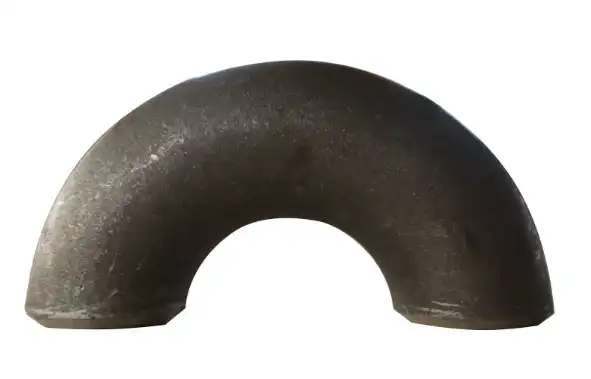
High-temperature carbon steel elbows are important parts of pipe networks that move fluids or gases above 400°F because they determine the direction of the flow. In contrast to regular fits, these elbows keep their shape even when heated and cooled many times, which would damage weaker materials.
What Makes These Elbows Suitable for High Heat?
The chemical structure of carbon steel makes it excellent at keeping heat in and not deforming. The carbon percentage, which is usually between 0.10% and 0.30% in grades like ASTM A234 WPB, makes the material flexible and strong at the same time. This material makes elbows strong enough to survive temperatures up to 1000°F in certain designs, especially when paired with the right pressure ratings.
Industry Standards and Specifications
Procurement teams use internationally accepted standards to make sure that everything works together in global supply chains. Fittings made of wrought carbon steel and alloy steel that are used in mild and high temperatures must follow ASTM A234. WPB is the most popular grade for general uses. The ASTM A106 standards cover seamless carbon steel pipes that people use in high-temperature situations. Japanese JIS standards and German DIN norms are two different sets of rules that some markets in the region like better. Engineers can use wall thickness and diameter to figure out safe working conditions based on pressure-temperature ratings written down in ASME B16.9.
Manufacturing Methods That Impact Performance
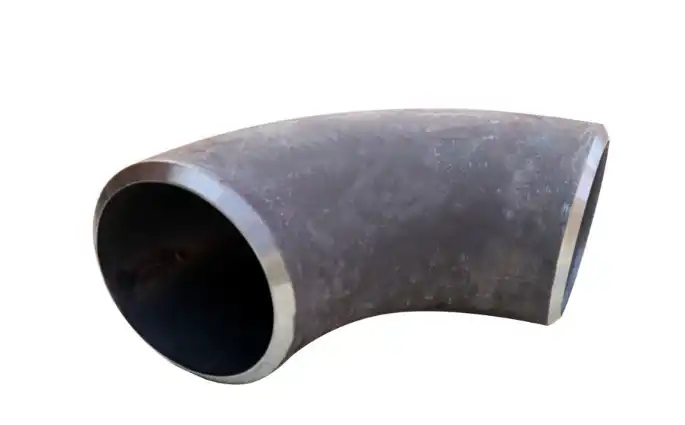
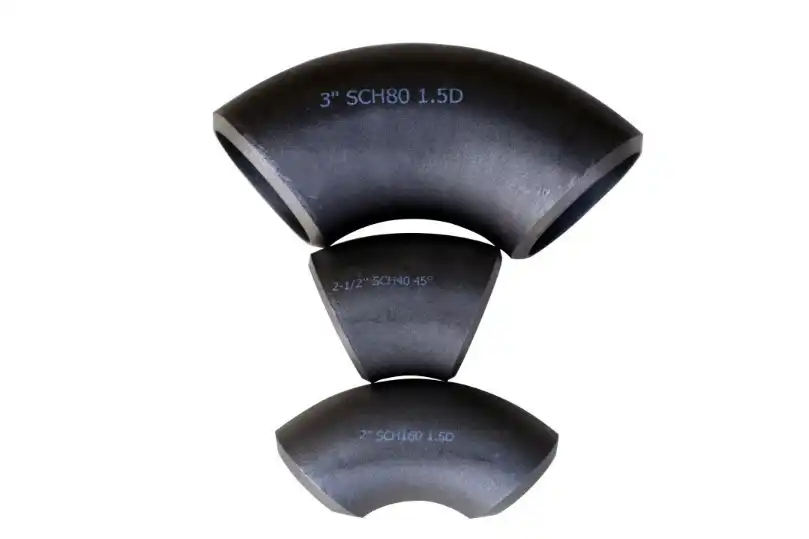
Three main ways of making elbows affect how well they work when they are stressed. When solid billets are used to make seamless joints, there are no weld gaps that could become weak spots when the temperature changes. Welded elbows are a cheap way to put plate pieces together. They work well for bigger sizes where seamless production would be too expensive. Forged elbows are mechanically deformed, which matches the grain structure and strengthens them for high-pressure uses. The most common shape is the 90-degree carbon steel elbow, which redirects flow at right angles with bend radii that match the pipe diameter. This design reduces turbulence in small installs. The 45-degree carbon steel elbow makes changes in direction more gradual, which lowers pressure drop in systems where flow speed is important.
Key Features and Advantages of High-Temperature Carbon Steel Elbows
Material choice has a giant impact on how long a system lasts and how much it costs to maintain. Because they have a unique set of mechanical qualities, high-temperature carbon steel elbows are widely used in heavy industrial settings.
Thermal Resistance and Mechanical Properties
At high temperatures, these fittings keep their yield strength of more than 30,000 psi, which keeps straight runs from sinking or collapsing. When something is stressed, ductility lets it bend slowly instead of breaking suddenly, which is safer during pressure spikes. Thermal conductivity makes it easier for heat to escape, which stops hot spots from forming that speed up wear. Short-radius elbows, whose bend radii are equal to the standard pipe diameter, can fit in tight areas where long-radius elbows can't, but they cause bigger drops in pressure.
The corrosion process of carbon steel is different from that of stainless steel. Stainless steel is better at resisting acidic liquids, but carbon steel is better at handling alkaline conditions and dry gas services. Protective layers and excellent fluid chemistry control can make carbon steel last for decades in the right situations. Because carbon steel is usually 40–60% less expensive than similar stainless types, it is a good choice for large-diameter, long-distance pipes where corrosion rates are low enough to be managed.
Real-World Industrial Applications
These elbows move very hot liquids through reactor systems in chemical plants where the temperature changes every hour. Power plants depend on them for steam transport networks that work at temperatures between 600°F and 900°F, where temperature changes must be handled without affecting pressure limits. In refinery crackers and distillation columns, where petroleum vapors move under both heat and pressure, oil and gas companies use them. When manufacturers make boilers, they put them into feedwater and steam systems, where their dependability directly affects energy use and safety.
These established uses show why purchasing managers give more weight to suppliers whose production skills and quality records can be checked. Tracking materials from the steel mill to the finished product ensures that inspectors follow regulations during checks.
Comparing High-Temperature Carbon Steel Elbows with Other Elbow Types
Knowing the pros and cons of different materials helps you match fittings to the situations they will be used in without spending too much on performance gaps that aren't needed.
Carbon Steel Versus Stainless Steel
Especially in wet, acidic, or chloride-rich settings, stainless steel elbows are better at resisting toxic media. When fluid chemistry or protective linings can manage rust, carbon steel is just as strong as stainless steel but costs less. The temperature limits are not exactly the same. Austenitic stainless grades keep their traits above 1000°F, but carbon steel starts to lose its performance above this point. Different materials have different thermal expansion factors. Stainless steel grows more per degree, so long runs need more expansion joints.
Forged Versus Welded Construction
Because the grain structure is aligned during the forging process, forged elbows can handle higher pressure ratings. This is why they are chosen for important service above 2500 psi. Welded elbows are a cheap way to connect pipes with bigger sizes, but the weld zones need to be carefully checked out using x-rays or ultrasounds. Seamless versions don't have any weld problems, but the cutting tools may limit the width. The standards for the procurement documents should clearly state the required production method based on the estimated stress levels.
High-Temperature Versus Low-Temperature Design
When high-temperature carbon steel elbows are made to withstand elevated temperatures, they use types of materials that don't creep, which is when they slowly change shape under constant load and heat. Low-temperature parts need to be tough enough to withstand impacts so they don't break easily when the temperature drops below 20°F. When low-temperature elbows are used in high-heat service, they could fail early because of graphitization, a process in which carbon particles weaken the steel structure. On the other hand, selecting high-temperature grades for ambient service wastes money and doesn't improve efficiency.
When Alloy Steel Justifies Premium Cost
Alloy steel elbows with chromium, molybdenum, or vanadium add more temperature range, up to and beyond 1200°F. They don't weaken when exposed to hydrogen in petroleum work and stay strong in places where carbon steel would get weak. The higher price, which is often twice as much as carbon steel, makes sense when the conditions of use are too harsh for carbon steel or when a longer service life lowers the total cost of ownership. More detailed process data can help you figure out if metal changes really add value.
How to Choose the Right High-Temperature Carbon Steel Elbow for Your Needs?
Specification precision stops expensive mistakes that slow down projects and put safety at risk.
Critical Selection Parameters
The base grade of the material is set by the operating temperature. ASTM A234 WPB is usually used in systems that run between 400°F and 750°F. Higher temperatures may need stronger metals. To account for changes, pressure values must include safety margins above standard working conditions. The corrosivity, viscosity, and particle content of the fluid media affect both the choice of material and the estimate of wall thickness. Following industry standards makes sure that the new system will work with the old one and that the people in charge of inspections will be happy.
Matching Elbows to Specific Processes
Long radius elbows are beneficial for steam distribution systems because they keep pressure drop and damage from high-velocity flow to a minimum. To stop erosion and rust, refinery processes that use rough catalyst particles need walls that are thicker. When making chemicals with corrosive fluids, you may need lined high-temperature carbon steel elbows. These elbows mix the power of carbon steel with barriers that don't rust. When engineering teams know about the details of a process, they can choose fits that balance performance with cost.
Evaluating Supplier Credentials
Certifications prove that the standards of the production and process control are satisfactory. ISO 9001 approval shows that quality management is done in a planned way, and special equipment manufacturing licenses show that regulations for pressure-containing parts are followed. When projects need thousands of fittings on short notice, production ability is important. Suppliers like Oudi safely meet high-volume needs, producing 16,000 tons of goods each year. Advanced testing tools, like spectroscopy for material confirmation, hydrostatic testing for pressure integrity, and ultrasound examination for internal flaws, make sure that every part meets the requirements before it is shipped.
Logistics skills affect both the total cost of landing and the dependability of delivery. For foreign buyers, having suppliers close to major ports cuts down on freight costs and wait times. Working in your business for a while provides you with useful information to use when talking about specifications, which could help you avoid mistakes in specifications that only show up during installation.
Procurement Guide: Buying High-Temperature Carbon Steel Elbows
To make buying efficient, you must balance technical needs and business concerns.
Submitting Effective Requests for Quotes
With clear RFQs, you can get quotes faster and make changes less often. Include the type of material, the size (diameter, wall thickness, radius type), the number, where the delivery will take place, and any certificates that are needed. List the tests that need to be done, such as checking the mechanical properties, checking the dimensions, and doing a non-destructive examination. Provide suppliers project timelines to help them figure out how to best schedule production. Quality assurance reviews will go more quickly if you ask for mill test certificates and material tracking paperwork up front.
Understanding Price Drivers
Cost is directly related to the quality of the material. ASTM A234 WPB is the base grade, while upgraded metals cost more. Larger widths and heavy walls use more raw materials and take longer to machine. Order numbers open up economies of scale, and buying in bulk lowers the cost per unit by coordinating production runs and combining freight. Custom specs, like curves that aren't standard, special coatings, or unusual materials, raise the cost of developing and making tools.
Where manufacturers make goods affects how much they cost. Due to integrated supply lines and specialized labor pools, established manufacturers in industry hubs like Cangzhou, China, can offer reasonable prices. Quality-certified providers offer low prices and dependable work, which makes them appealing for repeat business.
Managing Delivery and Logistics
Standard wait times range from four to eight weeks, depending on the difficulty of the specifications and the size of the order. There may be fees for expediting orders, but providers can usually meet them because they have open production schedules. You need to carefully coordinate freight forwarding, customs clearance, and inland delivery for international packages. Combining orders lowers the cost of freight per unit and makes it easier for project areas to receive goods.
When sellers export to more than 40 countries, they know what paperwork they need and how to follow shipping rules. Well-established logistics networks keep transit delays that could stop building plans to a minimum.
Identifying Trusted Manufacturers
When a component fails and causes safety or financial problems, it is important to maintain a good reputation. Manufacturers who have worked with the oil, chemical, and power businesses for decades have shown reliability. Customer examples from similar projects give you trust in the expert skills. Clear communication during pre-sale talks shows that the business cares about its customers and wants to build long-term relationships with them. Companies like Oudi, which has been around since 1998 and has global delivery networks and complete quality systems, are good examples of the qualities that procurement professionals look for in a seller of high-temperature carbon steel elbow solutions.
Conclusion
To find high-temperature carbon steel elbows, you have to balance scientific requirements with practical needs. Knowing the material's properties, how it's made, and the application's unique needs helps buying teams choose parts that will work well for decades. When you compare carbon steel to other materials, you can see when cheaper options give you good enough performance and when you need premium alloys. You can reduce supply chain risks by working with certified makers who offer full quality control, production capacity, and global transportation support. With these tips, engineering and procurement experts can easily navigate the sourcing process and find parts that meet the needs of the project while also making the best use of their budgets.
FAQ
What temperature range can carbon steel elbows handle?
Standard ASTM A234 WPB High-temperature carbon steel elbows work well in temperatures ranging from -20°F to about 750°F. Some types can handle temperatures up to 1000°F, but if they are exposed to temperatures above 800°F for a long time, they may gradually lose their strength through creep processes. Limits are based on pressure levels, wall thickness, and length of service.
How does corrosion resistance compare to stainless steel?
When it comes to acidic, wet, or chloride-rich conditions, carbon steel rusts more quickly than stainless steel. But carbon steel that has been properly kept works well in alkaline liquids, dry gases, and systems with controlled chemistry. Protective coats and corrosion gaps in wall thickness estimates make the service life longer and save money at the same time.
Are custom sizes available for non-standard piping?
Reliable makers can handle custom sizes, angles, and requirements that aren't listed in their catalogs. Custom orders need thorough plans, certifications of the materials used, and often a minimum order quantity to cover the cost of the tools. Lead times are longer than for standard goods, so it's important to involve suppliers early on in the planning stages of a project.
Partner with Oudi for Reliable High-Temperature Carbon Steel Elbow Solutions
Oudi has been making high-quality products for more than 25 years and can help you with your high-temperature pipe jobs. We are a licensed provider of high-temperature carbon steel elbows and have ISO 9001 quality systems and special equipment production licenses that make sure every fitting meets international standards like ANSI, JIS, DIN, and BS. Our 66,600-square-meter factory near Tianjin makes 16,000 tons of steel every year, which we use for both large-scale infrastructure projects and special orders because we can be flexible with when we make them. We know what global procurement teams need in terms of logistics, paperwork, and technical help because we work with more than 300 companies in 40 countries. Please email us at oudi-04@oudiguandao.com for one-on-one talks and cheap quotes that are specifically made for your project. Our engineering team is ready to help you choose the right materials, make sure they meet all the requirements, and plan deliveries so that you stay on schedule.
References
1. American Society of Mechanical Engineers. (2020). ASME B16.9: Factory-Made Wrought Buttwelding Fittings. New York: ASME Press.
2. ASTM International. (2021). ASTM A234/A234M-21: Standard Specification for Piping Fittings of Wrought Carbon Steel and Alloy Steel for Moderate and High-Temperature Service. West Conshohocken: ASTM International.
3. Davis, J.R. (2006). Corrosion of Weldments. Materials Park: ASM International.
4. Mohitpour, M., Golshan, H., & Murray, A. (2007). Pipeline Design and Construction: A Practical Approach (3rd ed.). New York: ASME Press.
5. Singh, R. (2017). Applied Welding Engineering: Processes, Codes, and Standards (2nd ed.). Burlington: Butterworth-Heinemann.
6. Xu, L., & Cheng, Y.F. (2013). Corrosion and Protection of Pipeline Steels Under Stray Current Interference. Journal of Pipeline Engineering, 12(3), 169-178.

Need help finding the right solution with our experts. Please contact us.

SINCE 1998 Your Reliable Pipeline Manufacturer



